

Deco Vanity Mirror
A deco vanity mirror brings geometric elegance and period charm to a dressing space, offering functional reflection alongside striking design.
Deco Vanity Mirror
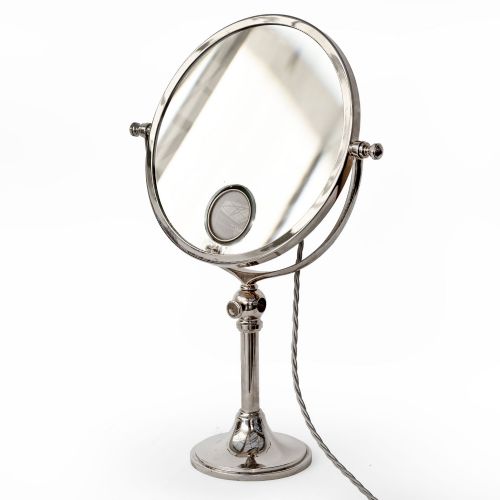
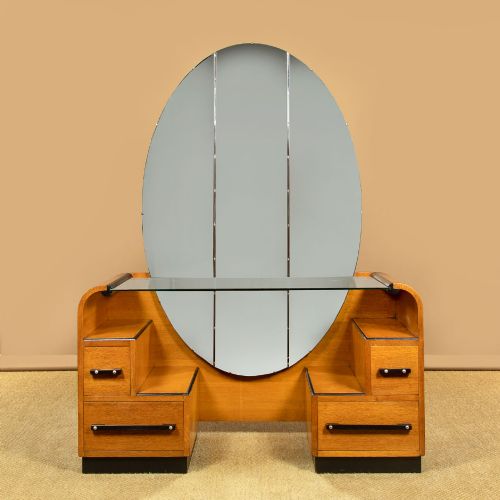
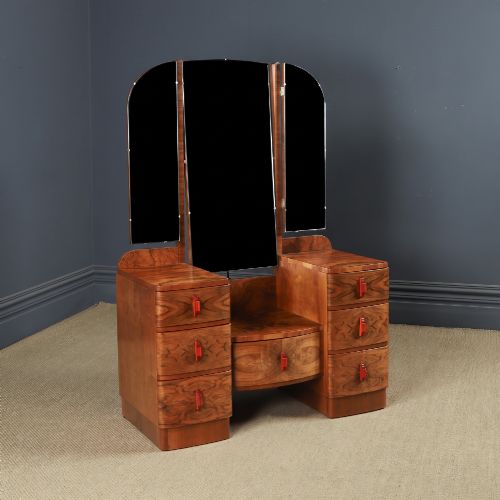
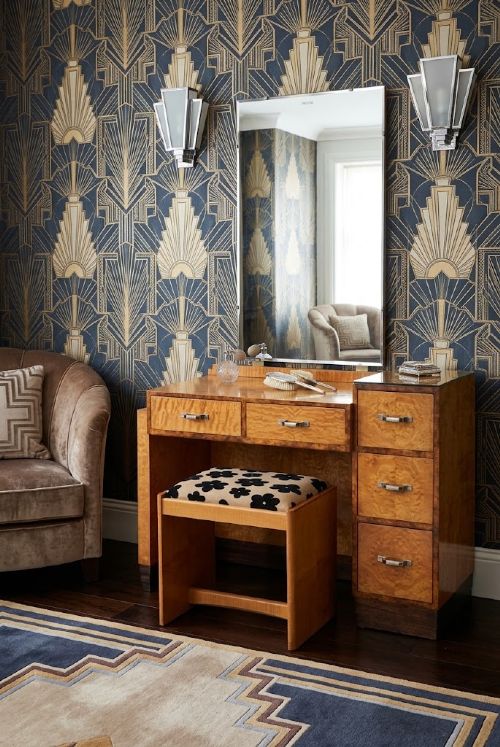
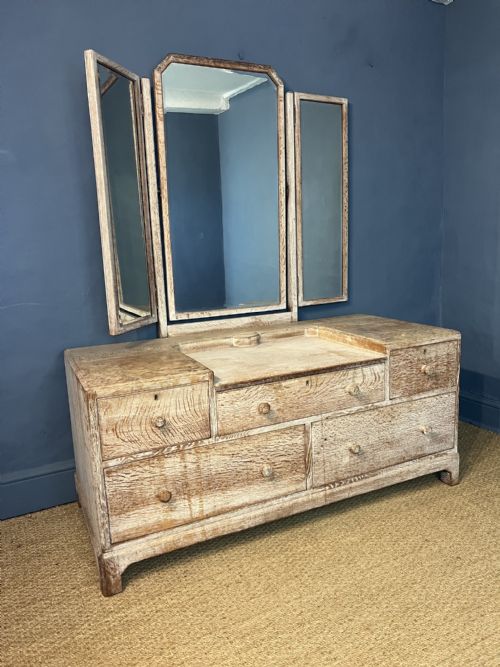
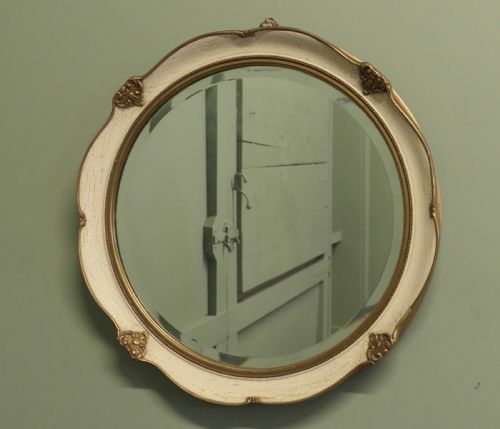
A deco vanity mirror encompasses dressing table mirrors, hand mirrors, wall mirrors, and folding triptychs originating primarily from the early twentieth century. Buyers searching for a deco vanity mirror will encounter compact dressing chests, large pedestal tables, and small tabletop accessories designed for personal grooming.
The material selection spans figured woods, reflective glass, and precious metals, reflecting the aesthetic sensibilities of the 1920s and 1930s. Pieces range from simple oak and walnut frames to elaborate French creations and English bedroom suites.
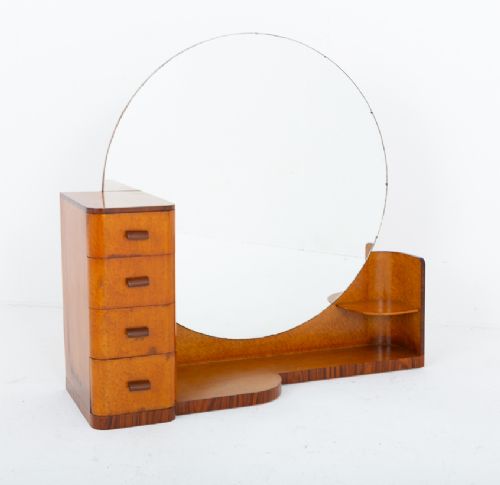
Pedestal dressing tables and compact vanity items dominate the selection, bringing distinct geometric lines and polished surfaces into domestic interiors. These objects serve both practical daily use and decorative display within bedroom settings.
Materials and Construction
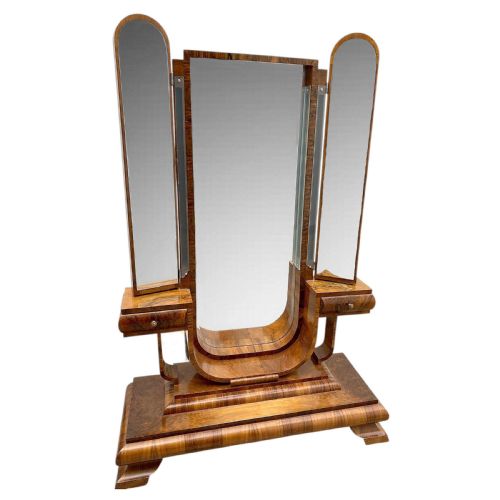
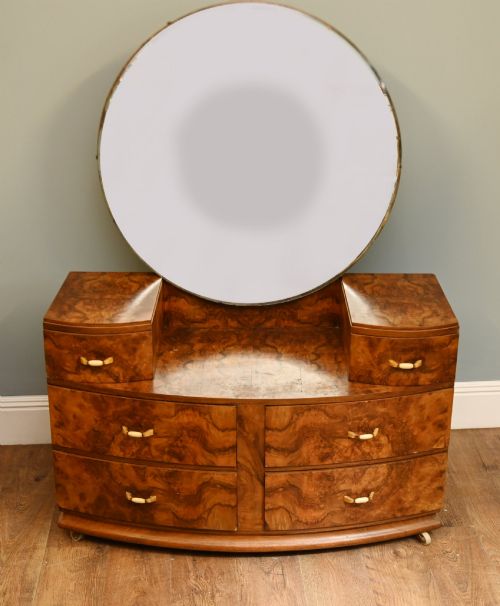
Wood veneer construction utilises rich timbers such as burr walnut, birds eye maple, and limed oak over sturdy carcases, creating patterned grain effects. Craftsmen shaped these materials into asymmetrical forms, octagonal shapes, and clean rectilinear silhouettes.
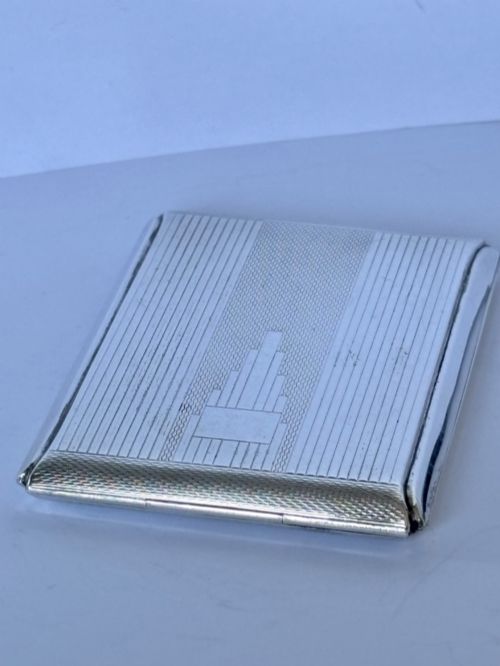
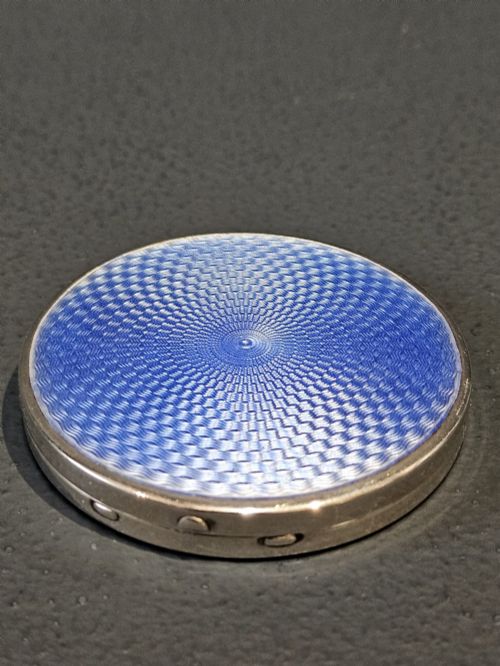
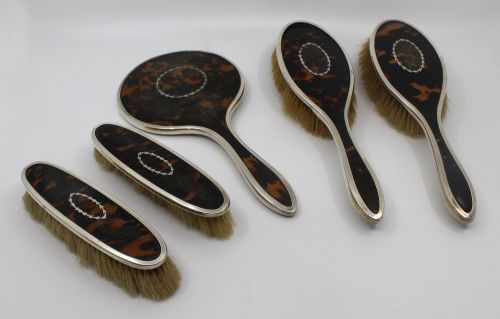
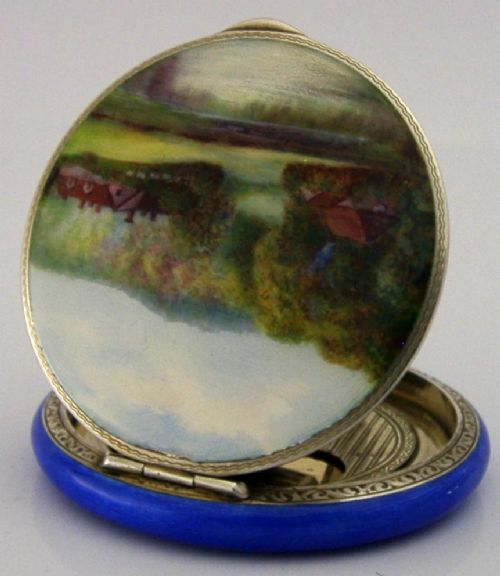
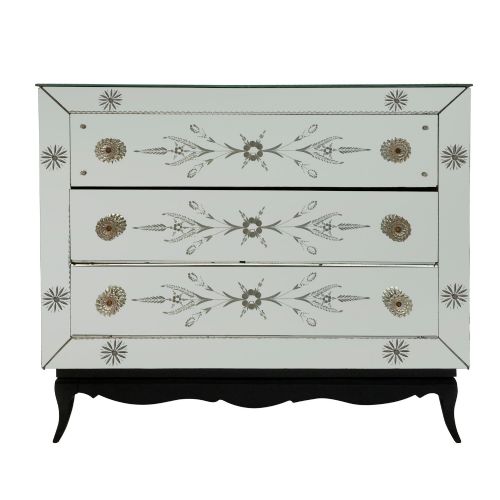
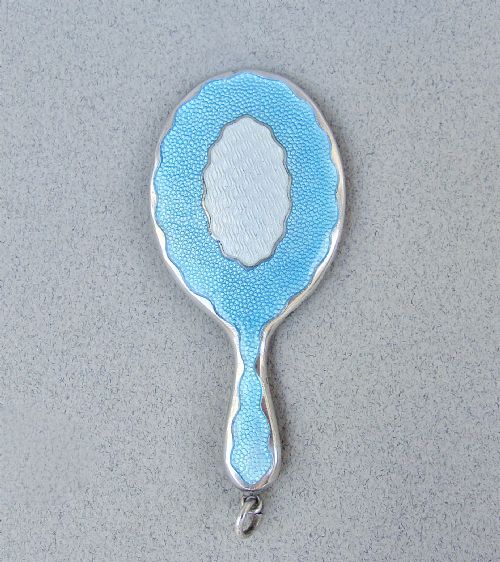
Metal components incorporate chrome, silver plate, and sterling silver, often featuring engine turning, cast details, or vibrant guilloche enamel. Glass elements include bevelled mirror plates, etched Venetian designs, and mirrored tray surfaces.
Deco Vanity Mirror Retail Price Guide 2026
Typical asking prices for deco vanity mirror among the pieces listed under this phrase on Sellingantiques today, from the lower quarter to the upper quarter. They describe what is for sale here now, not the wider market.
A velvet-covered mirror from 1890 hints at Victorian theatricality before the clean lines of the 1920s took hold.
Quality Variations
The standard of timber selection and veneer application determines much of the distinction between pieces, with matched burr walnut or birds eye maple representing superior cabinet work. Finely detailed metalwork, such as intricate guilloche enamel or crisp engine turning on compacts and hand mirrors, signals higher workmanship.
The integrity of the mirror glass and the precision of joints in dressing tables and frames separate standard production from exceptional examples. Maker attribution to notable design firms adds further distinction to surviving bedroom suites and mirrors.
Heals·Maurice Adams·Harry and Lou Epstein·Henry Williamson·Henry Matthews·Evans·B Cohen and Sons
The Deco Vanity Mirror Glossary
- Guilloche enamel
- Decorative technique involving precise, machine-turned geometric patterns beneath translucent coloured enamel. It appears frequently on silver compacts and hand mirror backs from the period.
- Engine turning
- Mechanical engraving process that cuts intricate, repeating geometric designs into metal surfaces. This method adorns many period silver and chrome vanity accessories.
- Triptych mirror
- Three-panel mirror arrangement with hinged side sections that angle inward. This configuration allows the user to view profiles while sitting at a dressing table.
- Venetian cut glass
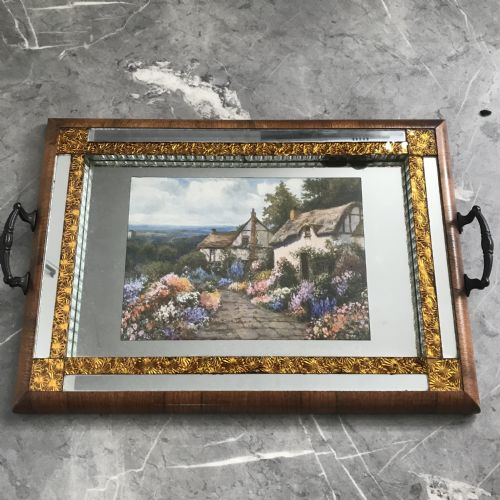
- Mirror or glass plate featuring surface engraving and decorative edge cutting. Such glass often forms the base of serving or vanity trays.
- Limed oak
- Timber finish achieved by applying a white pigment into the open grain of oak. This treatment lightened furniture surfaces in keeping with twentieth-century modern tastes.
- Burr walnut
- Highly figured wood grain taken from the growth excrescences of walnut trees. Cabinet makers prized this material for its swirling patterns on dressing table drawers.
Deco Vanity Mirror: Frequently Asked Questions
How do I clean a silver vanity mirror?
Use a soft cloth and a gentle, non-abrasive silver cleaner on the metal frame while avoiding contact with the mirror glass itself. Take care around enamelled sections to preserve the coloured surface.
For the glass, apply a mild window cleaner to a cloth rather than spraying directly, preventing moisture from seeping behind the bevelled edge or antique backing.
Where should I place a vanity mirror?
Position your mirror on a sturdy dressing table or chest of drawers where natural light from a side window falls evenly across the face. This setup ensures optimal illumination for daily grooming without harsh shadows.
Wall-mounted variants benefit from placement at eye level above a console or within a bedroom suite, anchoring the decorative scheme of the room.
How do I date a deco mirror?
Examine the hallmarks on any silver components, which provide precise assay office locations and years for items like compacts and hand mirrors. Stylistic markers such as symmetrical geometry or limed oak finishes point toward the interwar period.
Construction methods, including the type of wood backing and mirror plate thickness, also help distinguish items made around 1930 from earlier Edwardian or Victorian pieces.
Can I use a vintage tray for cosmetics?
Mirrored glass and silver trays serve as ideal staging surfaces for perfume bottles, powder jars, and modern cosmetics on a dressing table. Their reflective bases enhance the display of small vanity items.
Ensure the mirrored surface is kept dry and free from cosmetic residue by wiping it down regularly with a soft, dry cloth after use.