



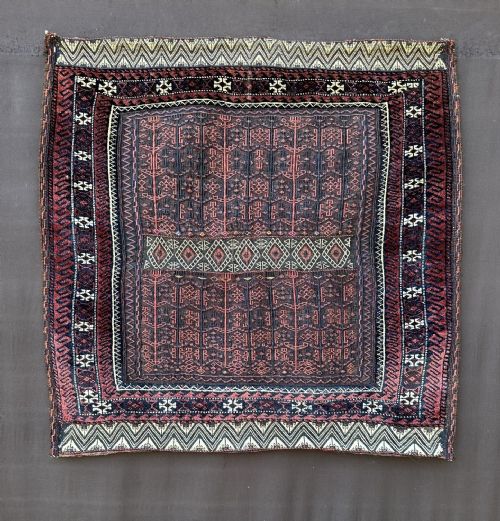
Dark Wool Tribal Rug
A dark wool tribal rug brings heavy textures and enduring nomadic patterns into modern rooms.
Dark Wool Tribal Rug
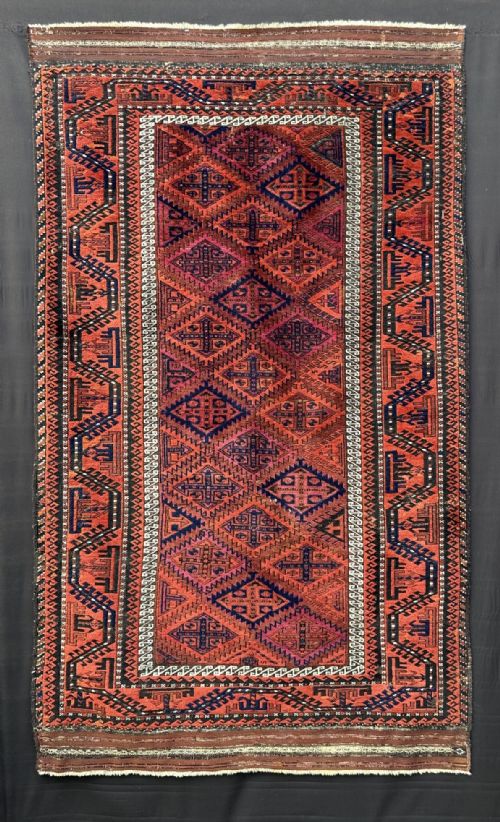
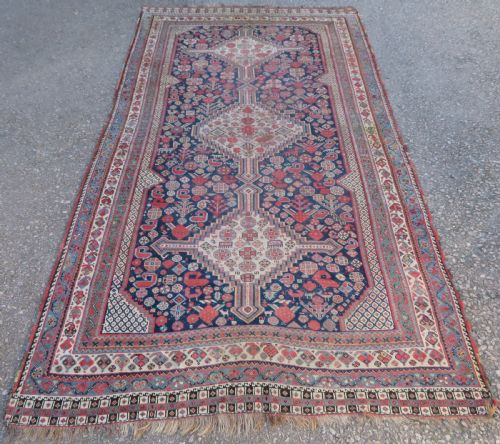
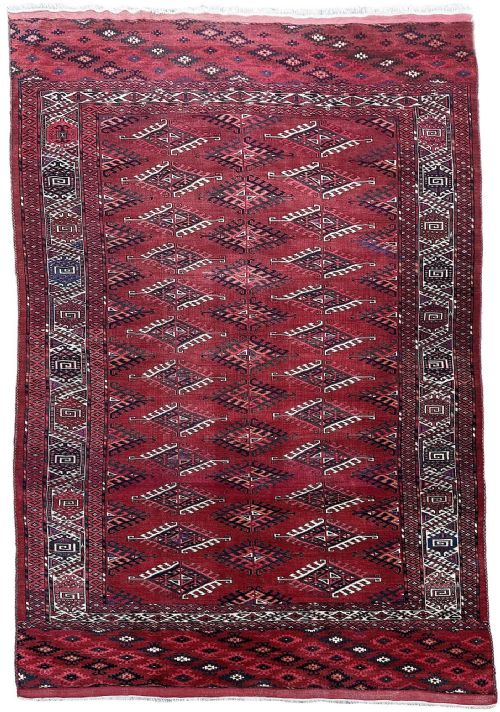
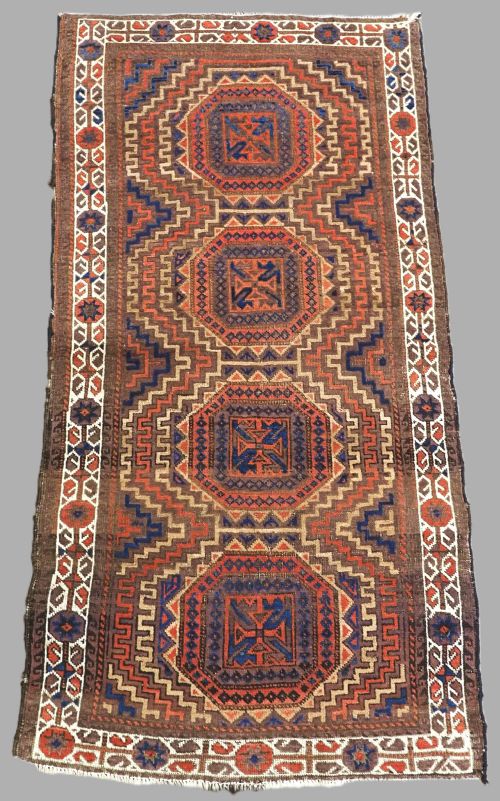
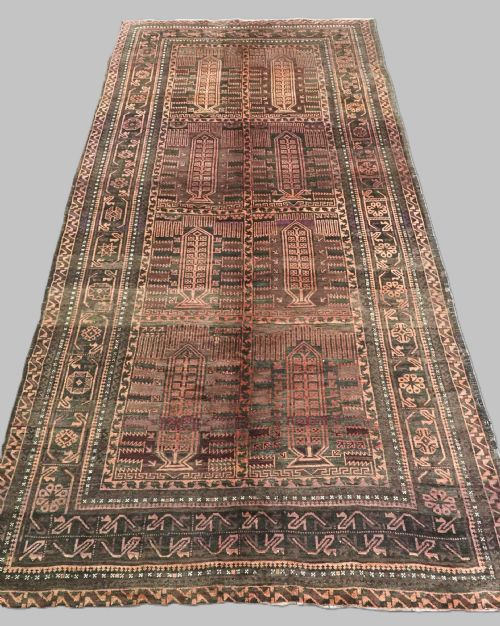
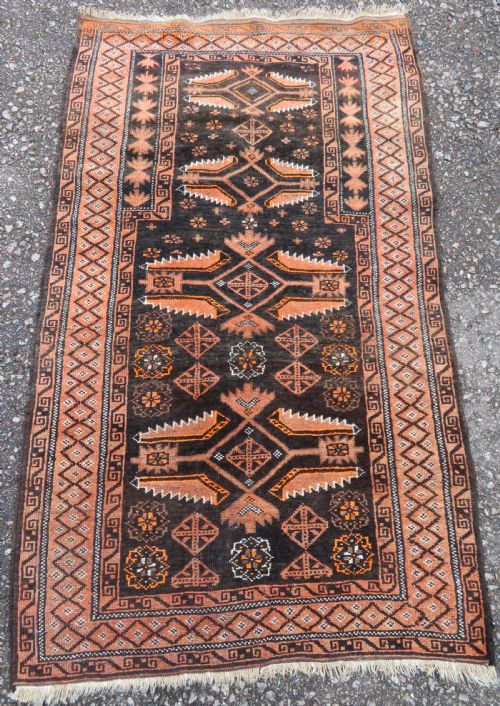
A dark wool tribal rug encompasses handwoven textiles created by nomadic and village groups across Persia, Afghanistan, and Central Asia. When you search for this phrase, you encounter pieces originating from specific groups such as the Baluch, Timuri, Yomut, and Ersari peoples.
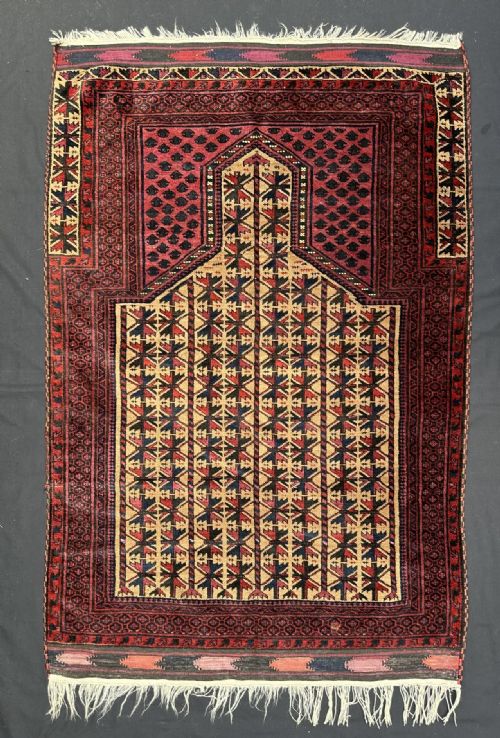
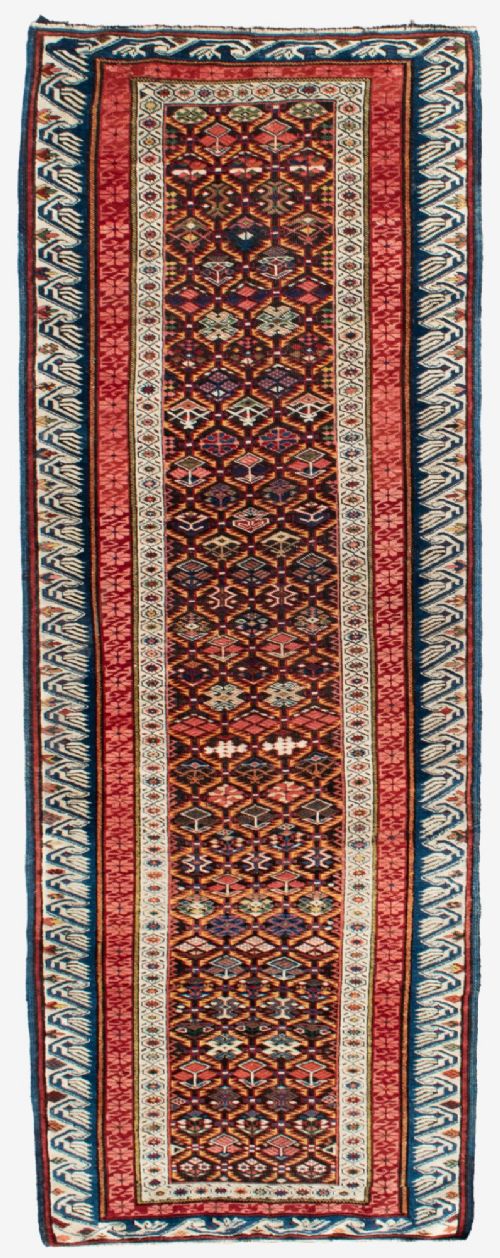
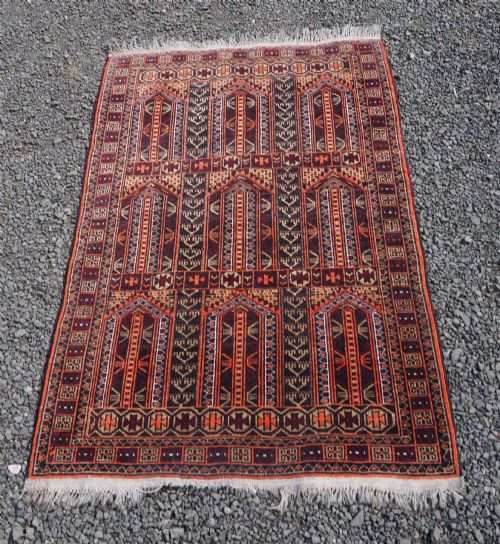
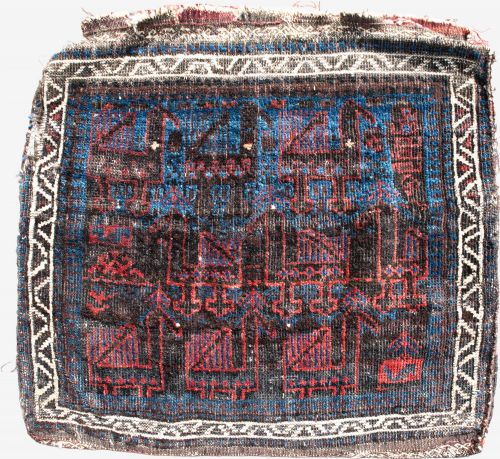
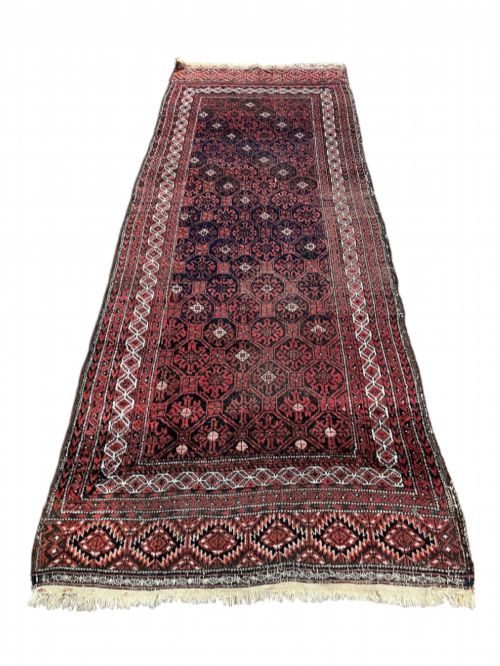
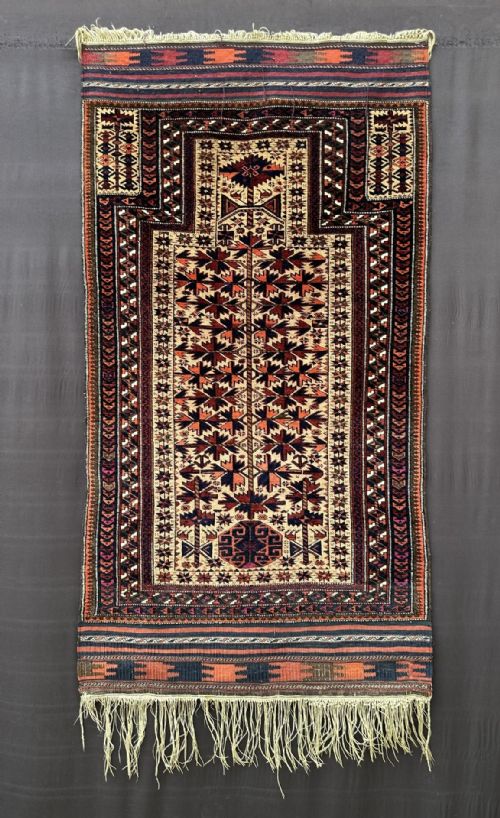
The objects appearing on this page range from full carpets and long runners to specific tribal forms including prayer rugs, torba face pieces, and utilitarian bread sofreh. Most examples date from the late nineteenth century through to the early decades of the twentieth century, displaying deep foundational tones.
Buyers meet variations that include double mihrab designs, pencil box motifs, and large guls woven into compact area rugs or expansive carpets. Each piece reflects the specific weaving traditions of its regional borderlands without industrial uniformity.
How they were made
Weavers constructed these textiles predominantly using wool, hand-spun wool, and cotton foundations, occasionally incorporating goat hair for added durability along the margins. Natural dyes provided the deep, saturated palettes characteristic of these regional pieces, developing complex secondary tones over decades of exposure.
Nomadic makers knotted and wove these rugs by hand on portable looms, integrating supplementary elements such as cowrie shells into specific bags and trappings. The resulting pile and flatweave structures combine structural resilience with dense, tactile surfaces built for practical domestic or nomadic use.
Listings feature pieces dated from the mid nineteenth century through the early twentieth century, spanning Persian, Afghan, and Turkmen origins.
What varies in quality
The standard of a piece depends heavily on the fineness of the knotting and the tightness of the weave, particularly noticeable in older torba faces and prayer rugs. Tighter structures allow intricate motifs like curled leaf designs and precise guls to retain their geometric clarity.
Material preparation also dictates quality, as hand-spun wool absorbs natural dyes with greater variation and depth than more uniform modern yarns. The precision of tribal drawing and the consistency of the foundational wool set exceptional nomadic weaving apart from standard utility pieces.
The Dark Wool Tribal Rug Glossary
- Gul
- A primary octagonal or medallion motif repeated across Turkmen and Baluch carpets. It serves as an identifying crest for specific tribal groups.
- Torba
- A small utilitarian bag face produced by Turkmen weavers for storage inside a tent or yurt. These square panels often display elaborate secondary gull patterns.
- Sofreh
- A flatwoven spread or cloth used for dining, kneading bread, or handling grain within nomadic households. They exhibit distinctive geometric field patterns without a raised pile.
- Mihrab
- An arch-shaped design element derived from mosque architecture, frequently featured in prayer rugs to indicate the direction of Mecca. Double versions incorporate two opposing arches.
Dark Wool Tribal Rug: Frequently Asked Questions
Where were these tribal rugs woven?
These textiles originate from the borderlands of Persia, Afghanistan, and Central Asia, produced by specific nomadic and village confederations. Groups such as the Baluch, Yomut, and Ersari created them within their traditional territories.
The regional geography directly influenced the choice of materials and motifs. Weavers utilised local sheep's wool and natural dye sources native to provinces like Khorassan and Kerman.
How were torba bags used?
Torbas functioned as storage bags hung inside nomadic tents or loaded onto pack animals during seasonal migrations. Their detailed front faces were displayed outwardly to show tribal identity and status.
Over time, many of these storage faces were separated from their plain-weave backs. Collectors now preserve them as compact decorative textile panels.
What is a prayer rug?
A prayer rug is a smaller format textile featuring a mihrab or arch design indicating the direction of prayer. Nomadic weavers utilised these portable rugs for daily religious observances.
They often include specific motifs like plant forms or hand-woven markers within the niche. Their compact dimensions made them easy to roll and transport during travels.
How do I care for a vintage wool rug?
Maintenance requires gentle vacuuming without a rotating brush bar to protect the hand-spun wool pile and vulnerable side cords. Professional cleaning tailored to antique textiles preserves the natural lanolin within the fibres.
Keeping the rug out of direct, harsh sunlight prevents the natural dyes from fading prematurely. Rotating the textile periodically ensures even wear in high-traffic hallways or living spaces.