

Dark Wood Tilt Top Table
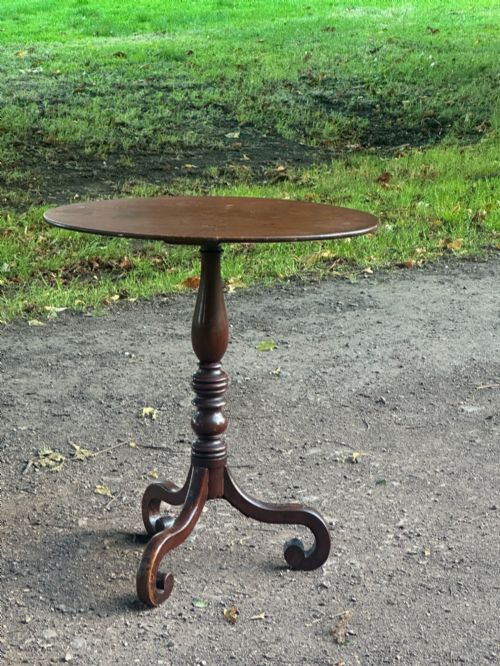
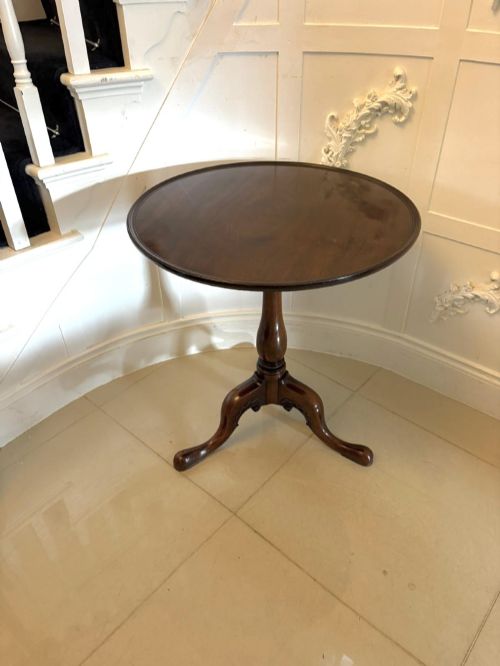
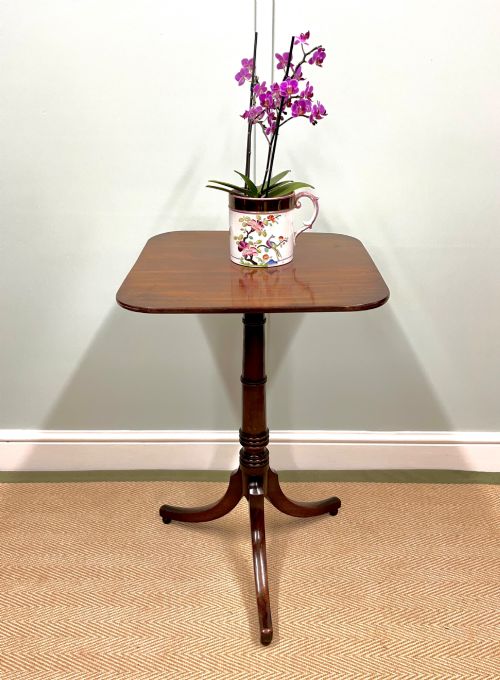
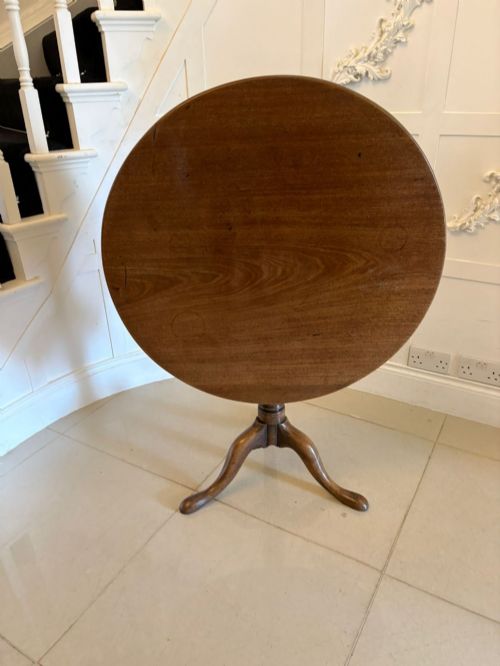
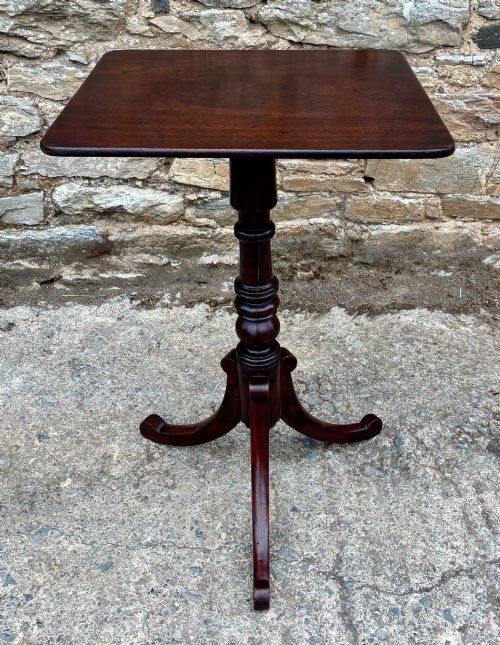
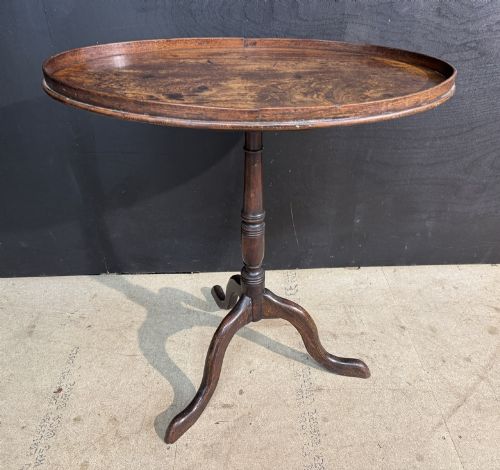
A dark wood tilt top table is a versatile surface engineered to pivot upright when not in use, saving space in historic interiors.
Dark Wood Tilt Top Table
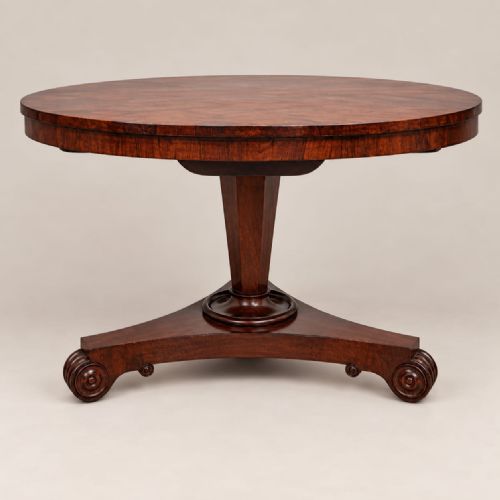
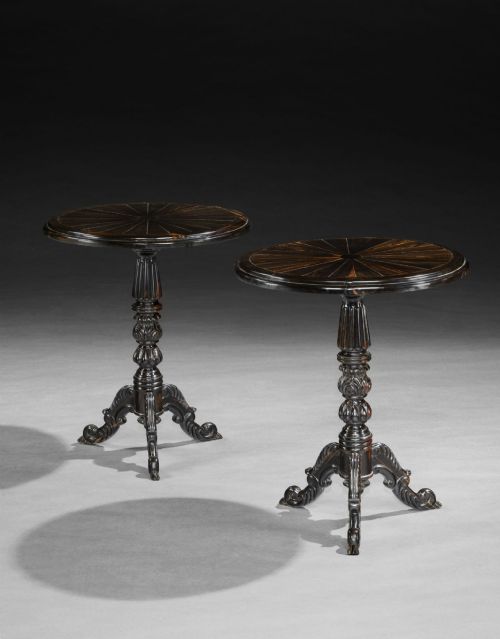
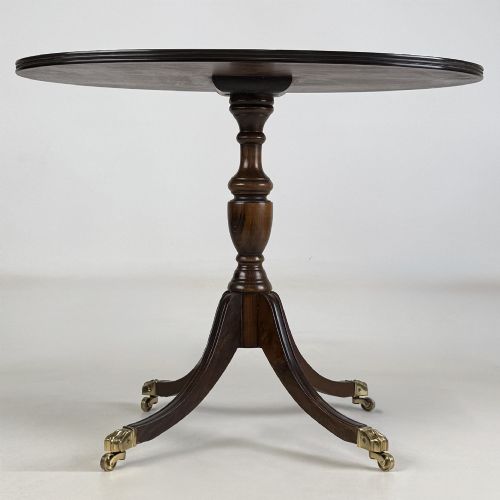
A dark wood tilt top table appears predominantly in Georgian, Regency, and Victorian styles, spanning the eighteenth and nineteenth centuries. These pieces function as wine tables, lamp tables, breakfast tables, and occasional tables.
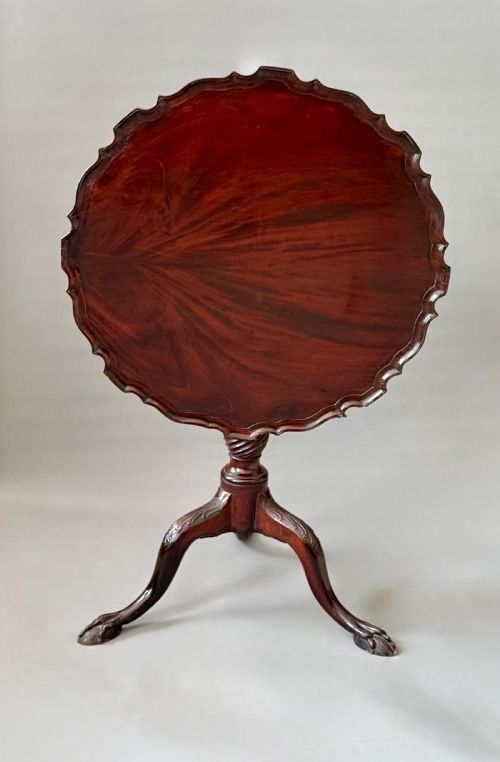
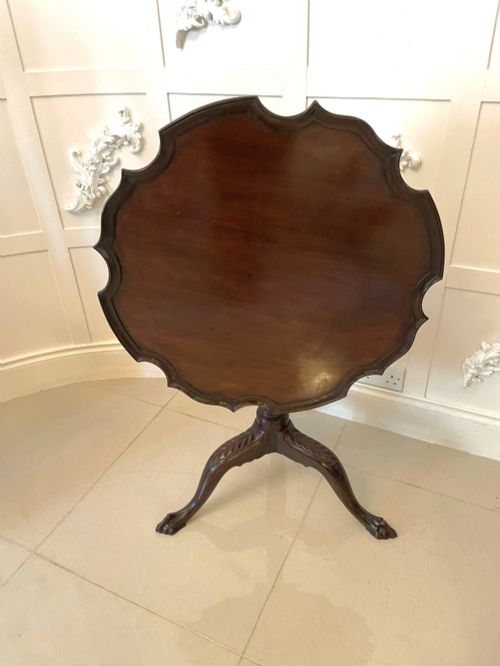
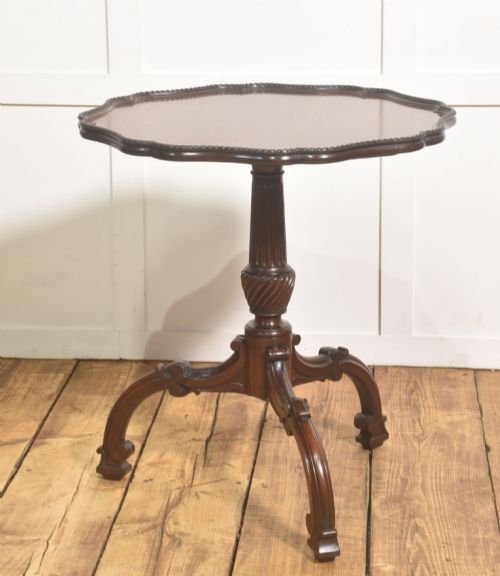
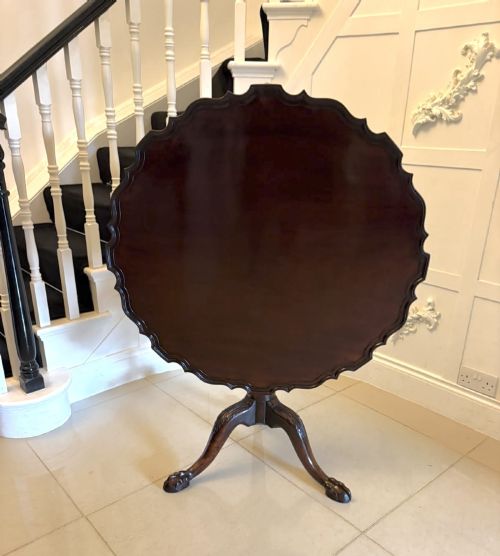
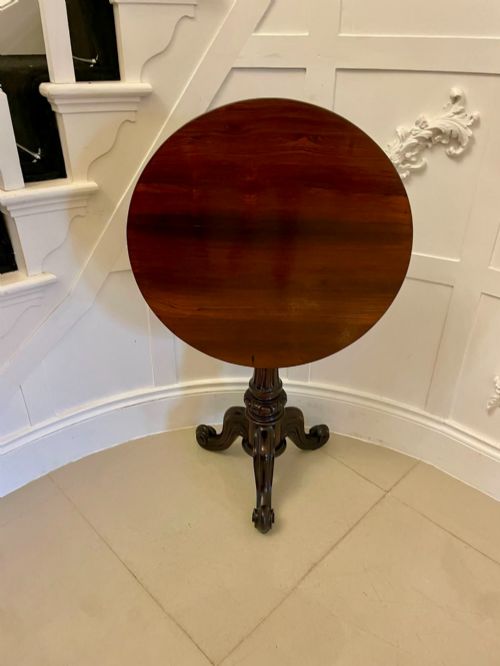
The most common formats on this page utilise a central turned pillar supported by three legs, forming a tripod base. Variations include circular, oval, octagonal, and pie crust edges designed to secure items when level.
Materials and Construction
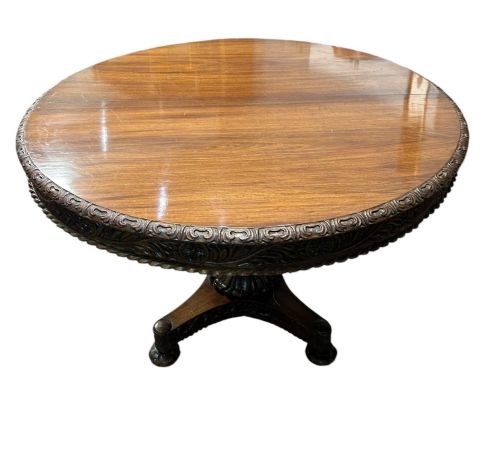
Cabinet makers utilised dense hardwoods including mahogany, rosewood, walnut, ebony, and oak, often selecting figured veneers for the top surface. Solid timber forms the structural turnings, bases, and pillar supports.
The mechanism relies on a wooden or brass catch beneath the surface, sometimes incorporating a birdcage block that allows the top to both rotate and tilt.
Some nineteenth century tables include fitted chess boards inlaid directly into the pivoting top.
Proportion and Finish
Quality rests in the harmony of the proportions, the crispness of the carved tripod legs, and the depth of the timber grain. Superior examples display careful matching of veneers and sturdy, original pivot mechanisms without play.
Lighter secondary timbers, heavy replacement hardware, and clumsy joins separate utilitarian pieces from finer cabinet work produced by workshops such as Gillows.
Gillows
The Dark Wood Tilt Top Table Glossary
- Tilt top
- A table top hinged to fold into a vertical position. This allows the furniture to stand flat against a wall when not in use.
- Tripod table
- A small freestanding table supported by a central pillar and three legs. This configuration ensures stability on uneven floors.
- Birdcage
- A revolving wooden frame situated beneath the table top. It connects the surface to the pillar and permits both rotation and tilting.
- Pie crust edge
- A raised, carved moulding shaped in undulating curves around the perimeter of a circular table top. It resembles the crust of a pastry pie.
- Tripod base
- The three-legged foundation beneath the central pedestal. These legs often terminate in pad feet or claw and ball feet.
Dark Wood Tilt Top Table: Frequently Asked Questions
How do I use a tilt top table today?
These tables function well as lamp stands beside armchairs or as display surfaces in hallways. Tilting the top upright transforms the furniture into a decorative wall panel when space is tight.
Ensure the mechanism locks securely before placing heavy items on the surface. Position the table away from direct heat sources to protect the polished wood finish.
What is a birdcage mechanism?
The birdcage is a small wooden cage structure located directly beneath the table top. It allows the surface to spin horizontally and tilt vertically on a pivot.
This clever engineering allowed Georgian diners to store the table flat against the wall of a parlour or dining room between meals.
How do I distinguish Georgian from Victorian examples?
Georgian tables tend to feature restrained mahogany construction with slender tripod legs and delicate birdcage supports. The lines are clean and proportions remain understated.
Victorian pieces often showcase darker rosewood or walnut, heavier turned pillars, and more profuse carved decoration on the base and legs.
Why does the table wobble when level?
A wobble usually results from minor wear in the central pivot joint or uneven floor surfaces rather than structural failure. Check the wooden wedge or brass catch beneath the top.
Historic tables settle over centuries, so small adjustments to the floor position often correct the balance without altering the timber.