





Dark Wood Tea Tray
These dark wood tea tray pieces bring serving trays, butler tables, and silver tables together for practical display.
Dark Wood Tea Tray
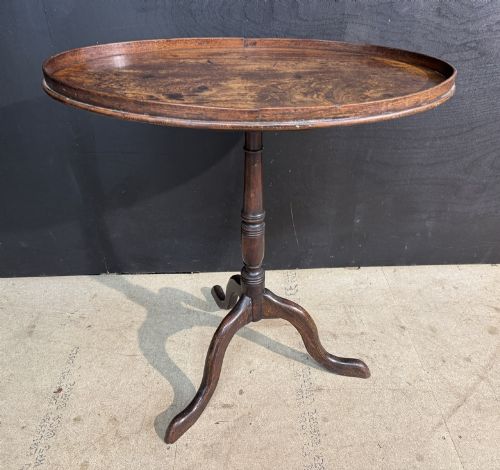
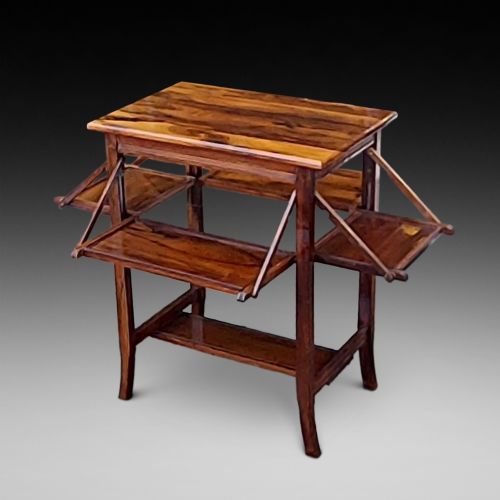
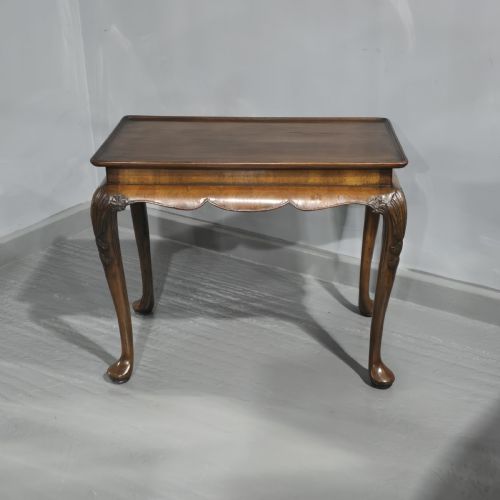
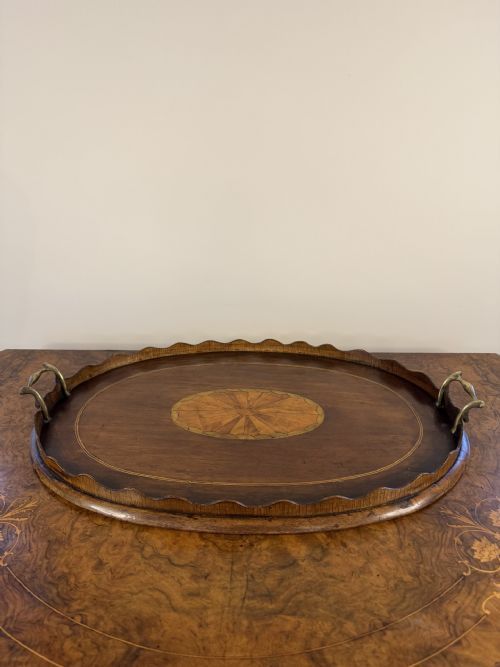
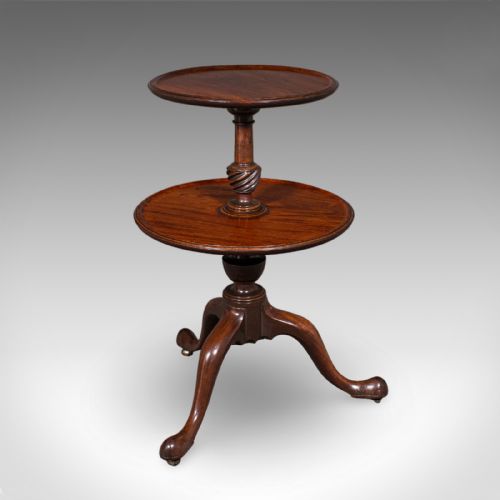
A dark wood tea tray brings together serving platters, galleried trays, and tray-top tables designed for afternoon tea and hospitality. The pieces span centuries from the Georgian and Victorian eras into the twentieth century, taking the form of standalone trays, folding stands, and occasional tables. Mahogany forms the backbone of these items, accompanied by walnut, teak, and rosewood.
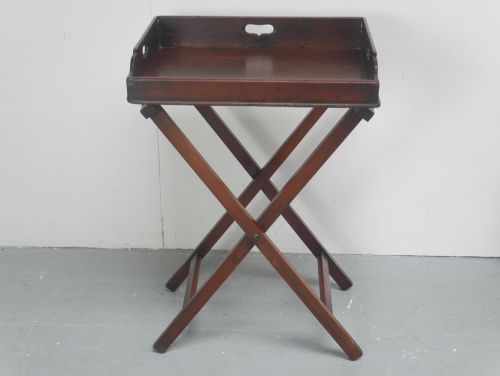
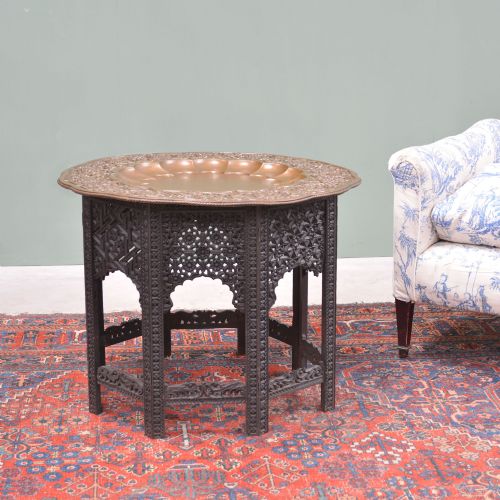
Buyers will find traditional English silver tables alongside campaign style serving items, Edwardian inlaid trays, and carved Anglo-Indian pieces. Some items feature removable trays resting on folding or collapsible stands, while others are fixed coffee tables and side tables built with raised gallery edges.
The selection ranges from early eighteenth-century George II and George III designs to later revival pieces and colonial furniture. Whether intended for actual serving use or as a coffee table in a modern room, these objects anchor a space with rich timber tones.
How they were made
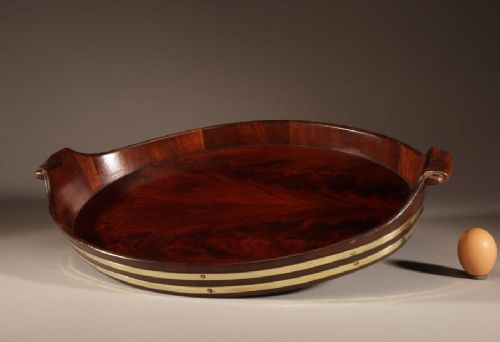
Makers utilised dense timbers such as mahogany, walnut, teak, and rosewood, often pairing the dark woods with contrasting materials like brass handles, copper tops, and silver mounts. Cabinetmakers shaped solid timber for galleried edges and carved detailed borders, sometimes incorporating intricate inlay work using lighter satinwood.
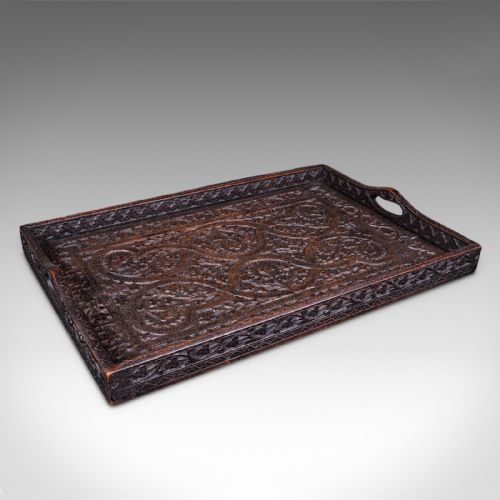
Construction techniques include coopered wooden bases, tilt-top mechanisms, and folding leg frames designed for easy storage and transport. Carving and piercing appear on Anglo-Indian and Kashmiri examples, where artisans worked teak and walnut with dense floral and figurative motifs.
One piece even depicts an elephant, proving that nineteenth-century tea time could occasionally get wild.
What varies in quality
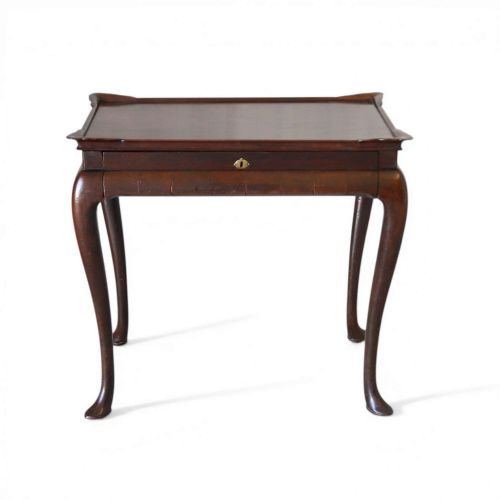
The distinction between ordinary and superior pieces rests on timber selection, such as figured Cuban mahogany or rich walnut, and the crispness of the hand-carved galleries or inlaid details. Better examples show refined proportions, such as slender cabriole legs on silver tables or well-joined corner joints on galleried serving trays.
Original brass hardware, such as carrying handles and coopered bands, elevates an item, while replacement fittings or loose joints indicate lower craftsmanship. The integration of the tray with its stand, ensuring a stable fit without wobble, distinguishes finer workshop production from standard utility items.
The Dark Wood Tea Tray Glossary
- Silver table
- A tall occasional table with a raised edge or gallery, originally designed in the eighteenth century for displaying silver tea services. These pieces often stand on slender cabriole or straight legs.
- Butlers tray
- A rectangular wooden tray, frequently featuring hinged sides or hand grips, built to rest upon a folding X-frame stand. They were used by domestic staff to transport and serve refreshments.
- Gallery
- A raised wooden or metal rim around the edge of a tray or table top to prevent items from sliding off. Finer versions feature pierced or fret-cut pierced designs.
- Coopered
- Constructed using vertical wooden staves fitted together with reinforcing bands, similar to the method used for making barrels. This technique appears on round serving trays.
- Tilt top
- A table mechanism allowing the wooden top to pivot into a vertical position when not in use, saving space in smaller rooms. The mechanism relies on a finely fitted catch and block.
Dark Wood Tea Tray: Frequently Asked Questions
How do I use a tray top table today?
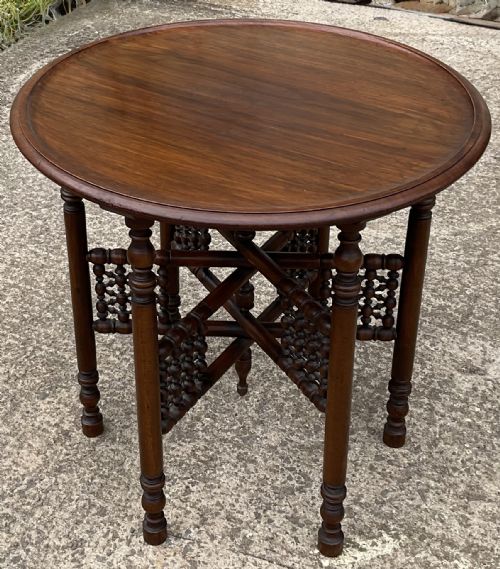
These tables function well as coffee tables, lamp tables, or drinks stands in a living room. The raised edges keep items secure while adding architectural detail to the centre of a room.
Removable trays can lift off the stand to serve guests directly, combining portable utility with fixed furniture. They fit comfortably beside sofas or armchairs in both traditional and contemporary interiors.
How do I care for antique dark wood surfaces?
Keep wooden trays and tables away from direct heat sources and strong sunlight to prevent the timber from drying out or fading. Dust regularly with a dry cloth and apply a natural wax polish occasionally to maintain the lustre.
Use coasters under glasses and hot cups to protect the historic polish and timber from ring marks or moisture damage. Gentle handling preserves the original patina built up over centuries.
Are these pieces suitable for daily use?
Most solid wood trays and tables from these periods were built for practical hospitality and remain sturdy enough for regular use. Sturdy construction in mahogany and teak allows them to withstand normal daily demands.
Care should be taken with delicate inlay work or carved Anglo-Indian surfaces, which benefit from lighter use. Placing protective pads under heavy decorative items helps preserve the vintage timber.