
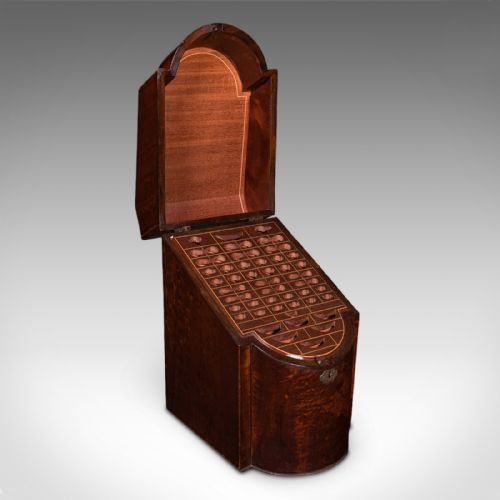
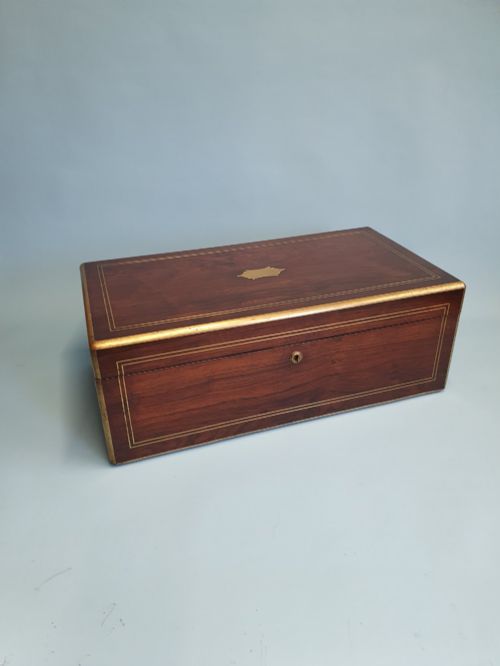


Dark Wood Stationery Box
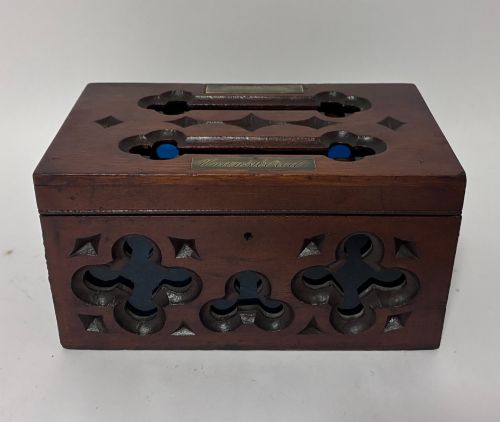
A dark wood stationery box organises papers and correspondence with the solid presence of Victorian and Georgian desk furniture.
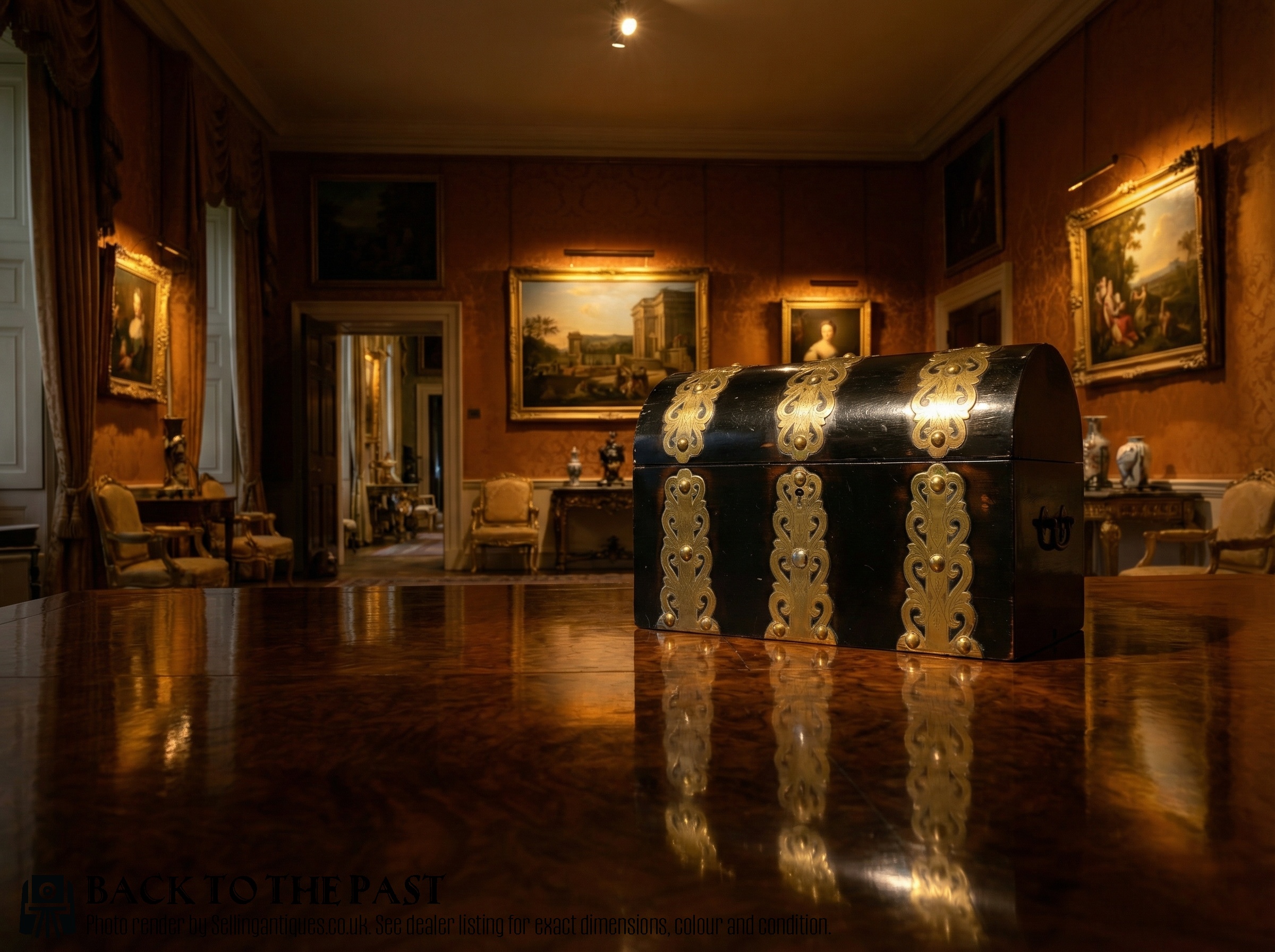
Dark Wood Stationery Box
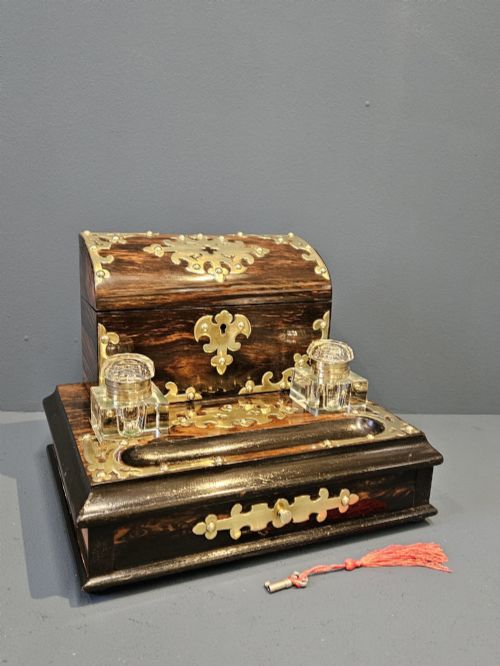
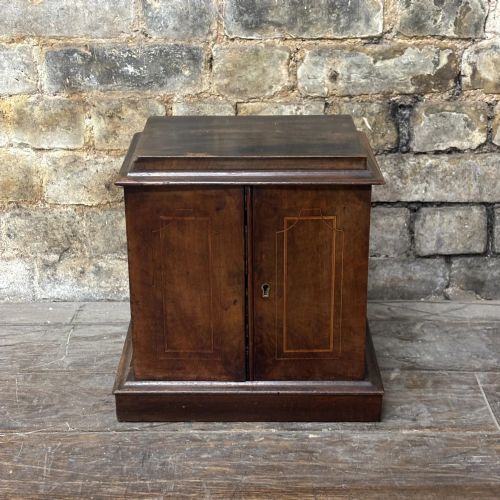
A dark wood stationery box serves as a desktop receptacle for letters, envelopes, and writing papers, often housing inkwells and compartments. When you search for a dark wood stationery box, you encounter items designed for nineteenth-century writing desks, including correspondence boxes, letter caskets, and slant-front cabinets.
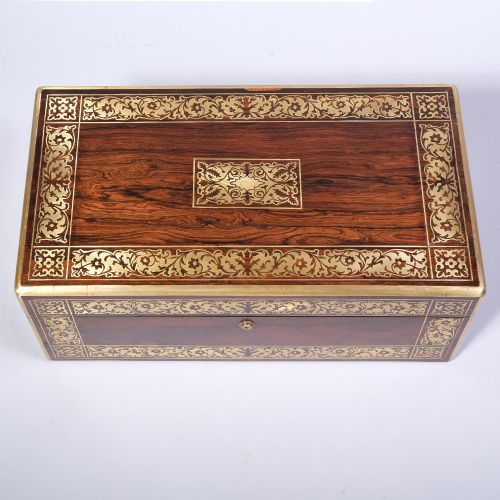
The selections span the Georgian, Victorian, and Edwardian eras, incorporating related writing slopes and desk accessories into the grouping. Rosewood and coromandel dominate the material record, frequently accompanied by mahogany.
Many examples take the form of table-top boxes with hinged lids or drop fronts, whilst others adopt architectural Gothic revival silhouettes. These objects reflect an era when correspondence required dedicated desk storage rather than temporary organisation.
How they were made
Cabinet makers utilised dense hardwoods such as rosewood, coromandel, and mahogany to construct sturdy frames capable of protecting delicate papers. These timbers were often selected for their rich grain patterns and polished to a deep lustre.
Brass banding, inlaid brass lines, and mounts in ormolu reinforced corners and edges while providing decorative contrast against the dark timber. Artisans integrated mother-of-pearl, bone, and pietra dura plaques into the surfaces of high-status boxes.
Interiors combined secondary woods with velvet or leather-lined ledges, secret compartments, and fitted glass inkwells secured within custom wooden partitions.
What varies in quality
The distinction between standard utility boxes and exceptional pieces rests in the choice of timber and the precision of the joinery. Dense coromandel and highly figured rosewood indicate a superior grade of construction compared to plain mahogany.
Complexity of interior arrangement also dictates worth, separating basic open compartments from boxes containing secret drawers, spring-loaded mechanisms, and matched glass inkwells. The integration of decorative techniques such as pietra dura panels or intricate brass inlay elevates an object beyond a simple container.
Houghton and Gunn·Mechi and Bazin·C.G. Hope Hastings
The Dark Wood Stationery Box Glossary
- Coromandel
- A dense, heavily grained Asian timber prized for its contrasting dark brown and yellow streaks. Cabinet makers utilised it extensively on high-end Victorian writing boxes.
- Writing Slope
- A portable desk featuring a hinged, slanted writing surface that opens to reveal storage for paper and pens. These slope downwards towards the user.
- Pietra Dura
- An inlay technique using cut and fitted polished coloured stones to create pictorial designs. It appears on the lids of select nineteenth-century luxury boxes.
- Ormolu
- Gilded bronze used for decorative mounts and furniture trim. It provides a bright metallic contrast against dark woods.
- Campaign Box
- A sturdy chest or box designed for military travel with recessed brass handles and reinforced corners. These items are built to withstand transit.
Dark Wood Stationery Box: Frequently Asked Questions
What is a coromandel stationery box?
A coromandel stationery box is a desk accessory built from an exotic Asian hardwood, designed to hold letters and envelopes on a nineteenth-century desk.
These pieces often feature brass banding and fitted compartments for inkwells.
How do I identify a Victorian stationery box?
Victorian examples typically appear in rosewood or coromandel, often displaying Gothic revival arches, brass inlays, or dome-topped lids.
They reflect the heavy correspondence culture of the nineteenth century.
What is the difference between a writing slope and a stationery box?
A writing slope opens to provide an angled writing surface with internal storage for paper and ink. A stationery box remains upright or sits on a desk specifically to hold envelopes and letters.
Both items served as essential desk furniture in past centuries.
Are these boxes suitable for modern desks?
These boxes function effectively on contemporary desks for organising mail, notebooks, and small desk accessories. Their solid timber construction integrates well into traditional and modern interiors.
Interior compartments accommodate modern letters and stationery items.