

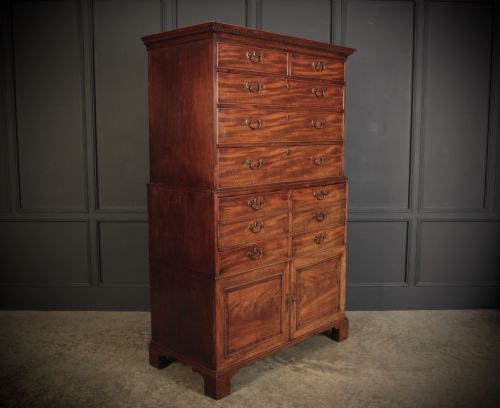

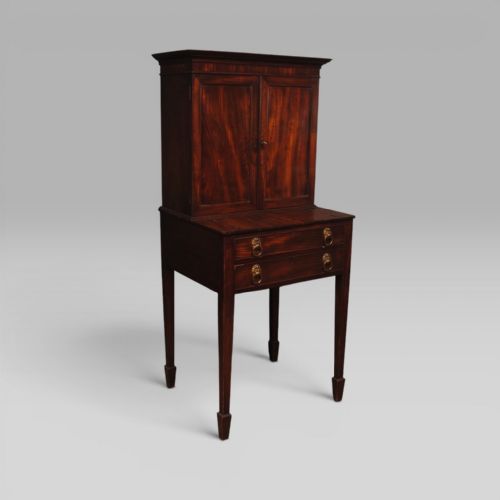

Dark Wood Secretaire Cabinet
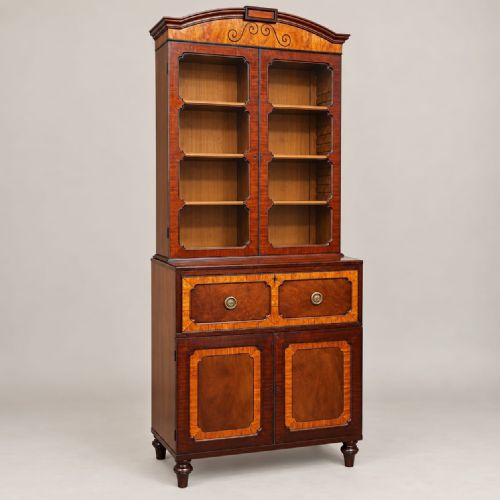
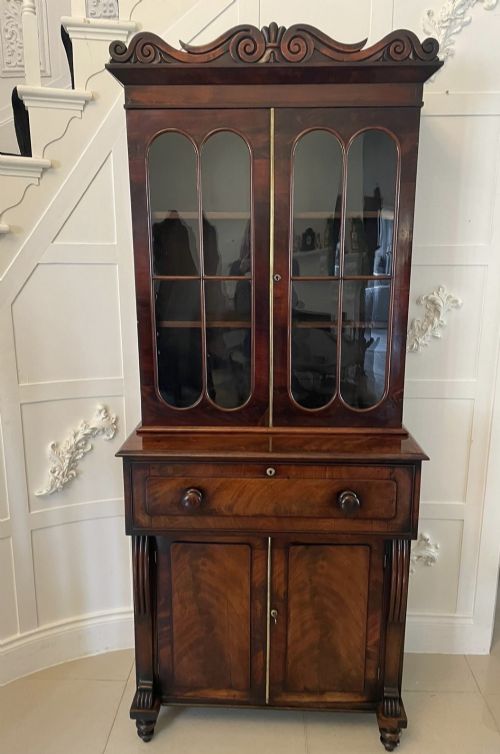
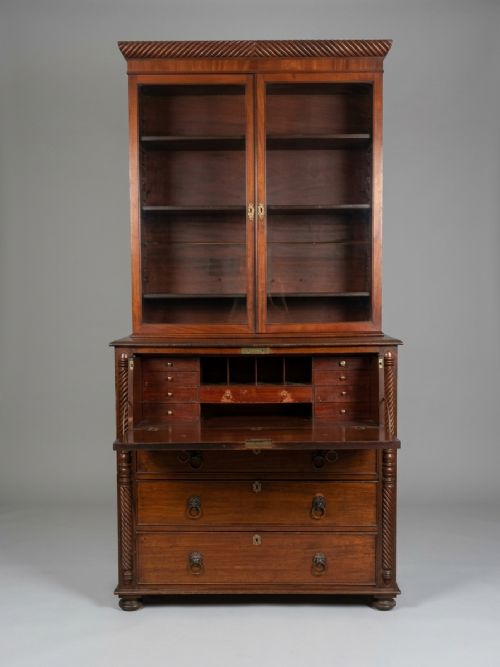
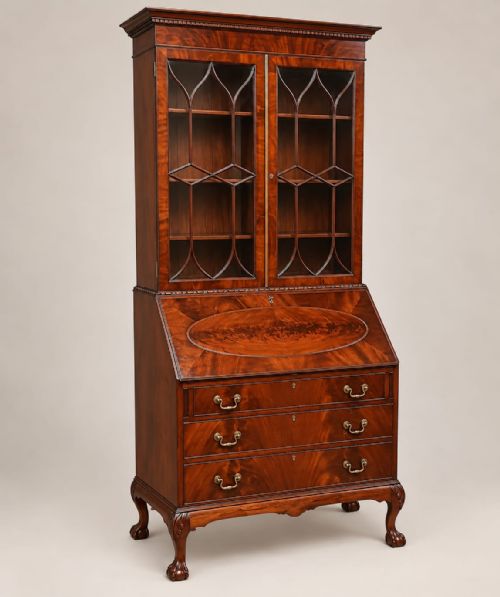
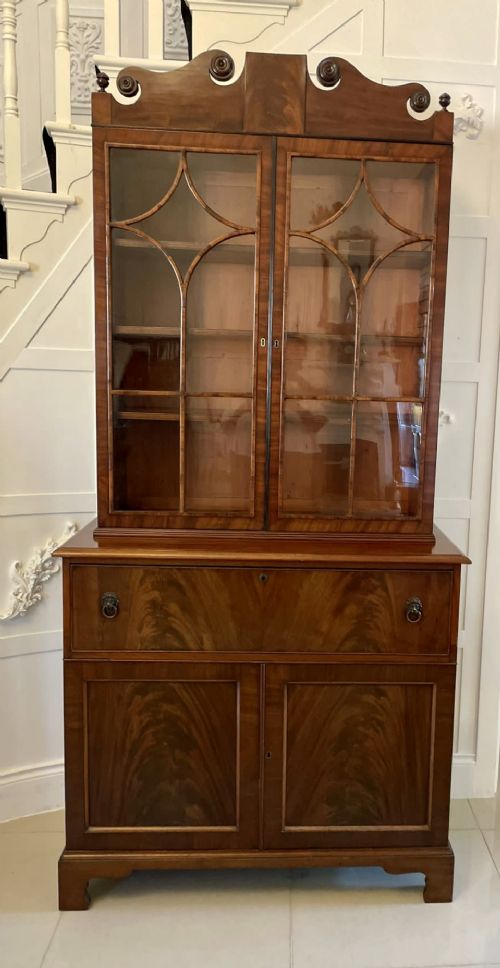
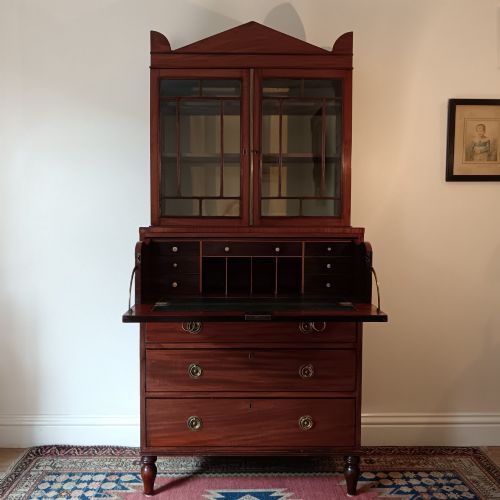
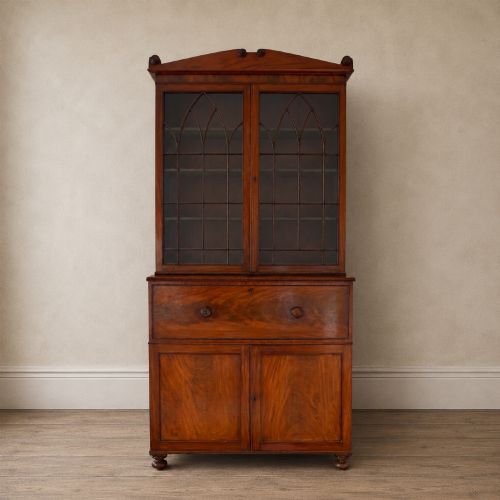
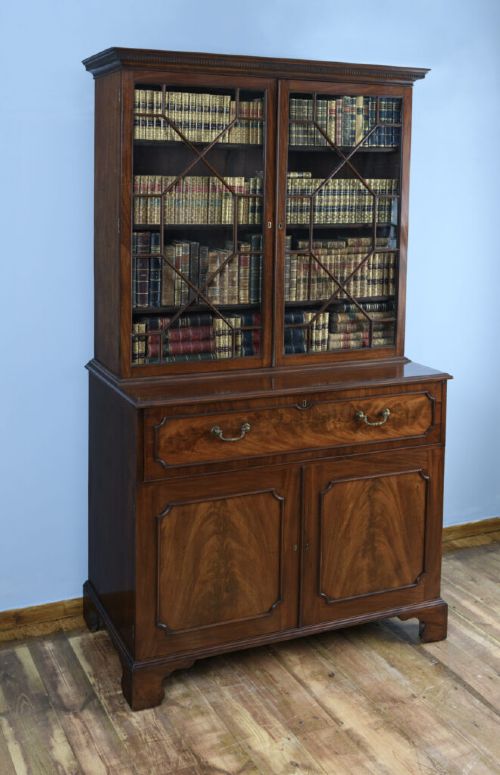
A dark wood secretaire cabinet combines substantial library storage with a fitted writing drawer, answering the practical needs of traditional studies.
Dark Wood Secretaire Cabinet
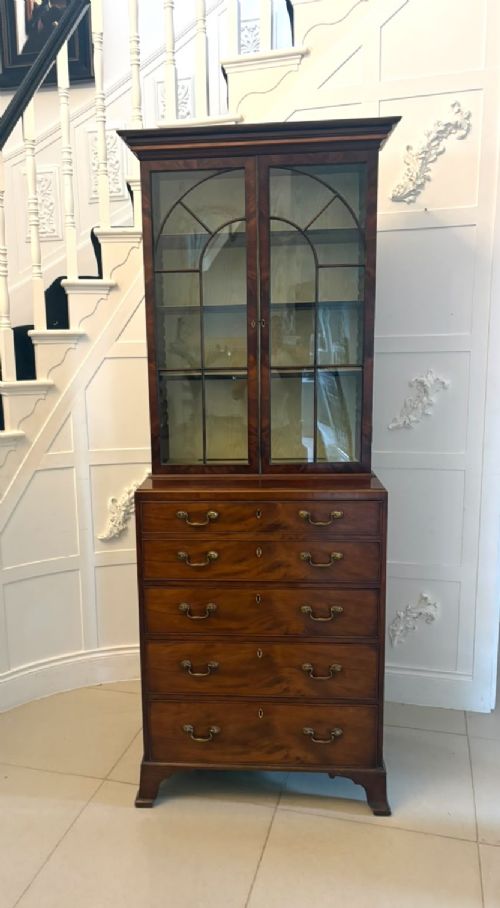
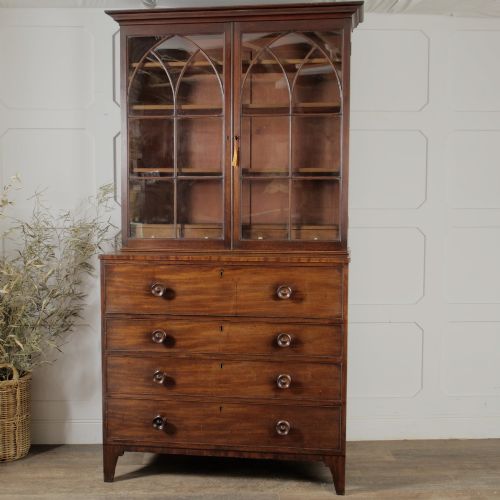
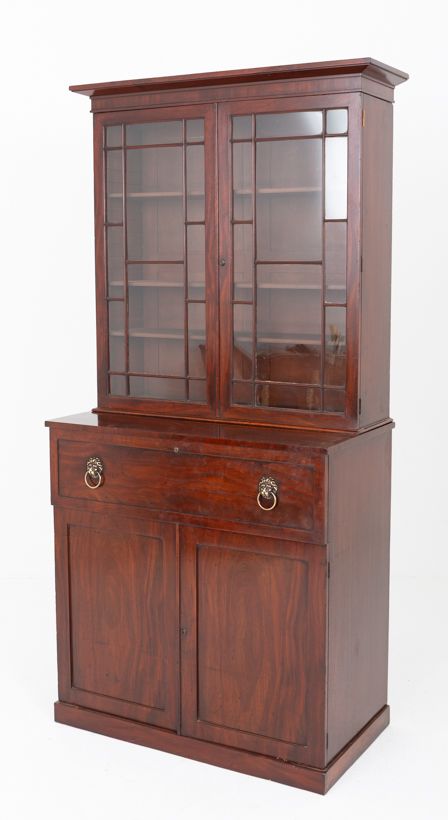
Most examples originate from the eighteenth and nineteenth centuries, spanning Georgian, Regency, and Victorian periods. Mahogany and rosewood dominate the material record, often paired with glass doors and brass details.
How They Were Made
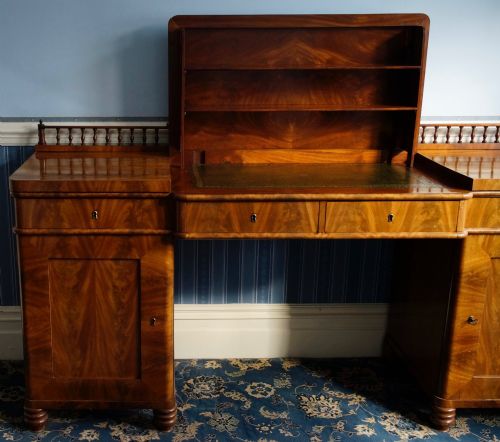
Cabinet makers utilised dense timbers like mahogany, rosewood, walnut, and oak to construct the main carcases and shelving units. These surfaces were frequently polished to highlight natural wood figures.
Fine brass hardware secures the doors and drawers, while glazed upper sections often incorporate astragal frames. Leather writing surfaces and baize linings are integrated into the drop-down desk compartments.
Dark Wood Secretaire Cabinet Retail Price Guide 2026
Typical asking prices for dark wood secretaire cabinet among the pieces listed under this phrase on Sellingantiques today, from the lower quarter to the upper quarter. They describe what is for sale here now, not the wider market.
Listings feature mahogany, rosewood, walnut, and oak cabinets spanning the Georgian, Regency, and Victorian periods.
What Varies in Quality
Construction standards depend on the selection of timber veneers and the precision of the interior pigeonholes and small drawers. Superior items demonstrate careful matching of wood grain across large facade surfaces.
The complexity of internal mechanisms and the execution of carved or inlaid decoration distinguish workshop productions. Integrated fittings such as hidden compartments and quality brass locks elevate individual pieces.
George Oakley·Maison Krieger·Gillows
The Dark Wood Secretaire Cabinet Glossary
- Secretaire
- A desk or cabinet featuring a pull-out or drop-down drawer that reveals a writing surface and small compartments. This central feature conceals private papers and writing materials.
- Astragal glazed
- Glass doors divided by narrow wooden strips into smaller panes. This technique is common on upper bookcase sections.
- Tallboy
- A tall chest of drawers consisting of one chest placed on top of another. Secretaire tallboys incorporate a writing drawer into the upper section.
- Escritoire
- A writing cabinet or desk used for correspondence. These items frequently stand on legs or form part of a vertical chest.
- Marquetry
- Decorative veneer work arranged in pictorial or geometric patterns using various coloured woods. This technique adorns select French and English cabinets.
Dark Wood Secretaire Cabinet: Frequently Asked Questions
What is a secretaire cabinet?
A secretaire cabinet is a dual-purpose item of furniture that functions as both a bookcase or storage unit and a compact writing desk. The hinged front drops down to provide a stable writing surface while concealing internal compartments.
These pieces served historic domestic and professional spaces where written correspondence required secure storage. The upper shelves typically held books or display items.
How do I identify a Georgian secretaire?
Georgian secretaire cabinets generally display classic proportions, architectural cornices, and dense mahogany timbers. The drawer fronts often feature cockbeading and understated brass handles.
Interior fittings from this era usually include neatly arranged pigeonholes, small drawers, and central cupboards. Construction relies heavily on solid oak drawer linings and traditional dovetail joints.
Where were these cabinets used?
These cabinets were primarily placed in libraries, studies, and formal drawing rooms of large homes. They provided a private space to manage household accounts and write letters.
Smaller variants also appeared in bedrooms and private parlours where space was more restricted. The lockable drop-front kept personal documents secure from staff and visitors.
How do I care for dark wood furniture?
Dark wood furniture benefits from stable indoor humidity and protection from direct sunlight to prevent fading. Regular dusting with a soft cloth maintains the polished surface.
Applying a traditional beeswax polish periodically helps nourish timber finishes like mahogany and rosewood. Avoid placing hot or wet items directly on the polished surfaces.