
Dark Wood Relief Carving
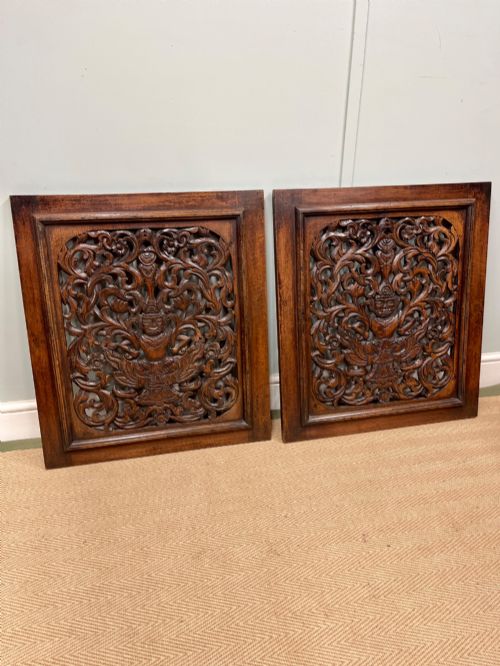
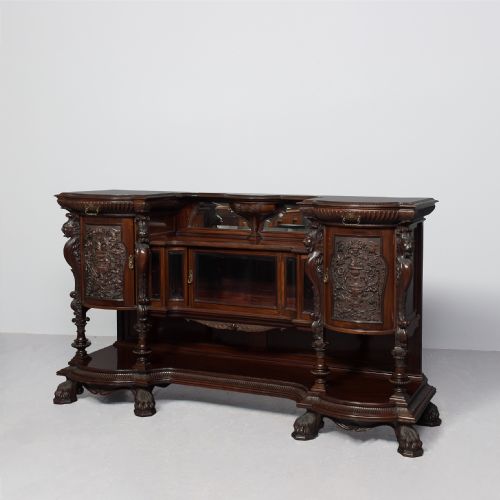
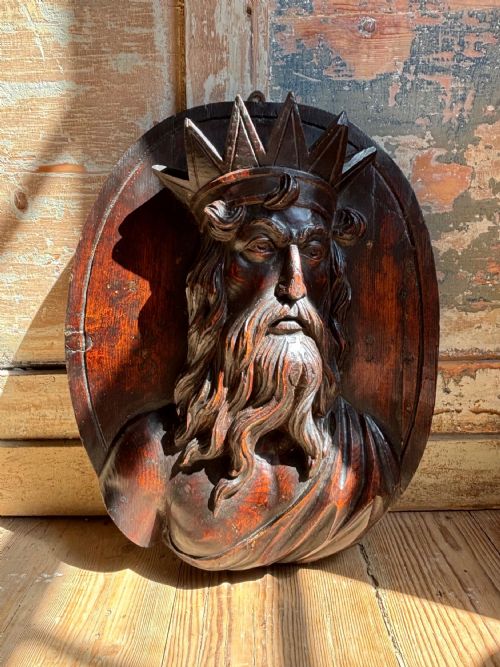
Dark wood relief carving brings heavy, tactile history into a room through deeply worked timber panels, figures and architectural fragments.
Dark Wood Relief Carving
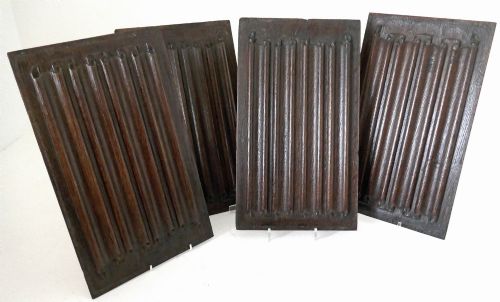
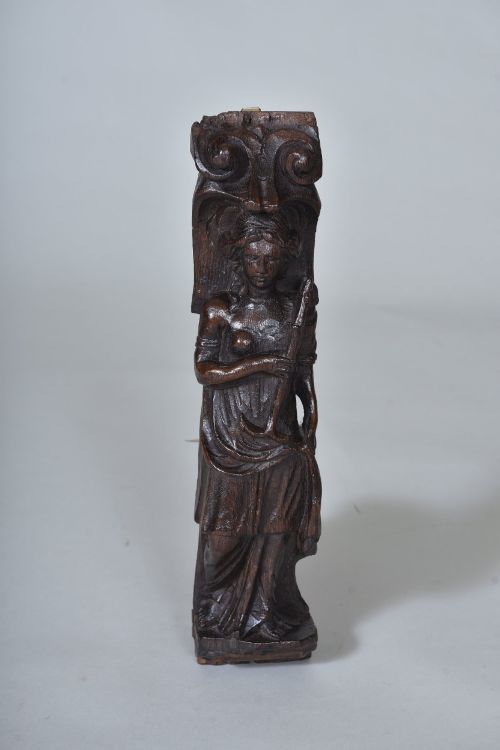
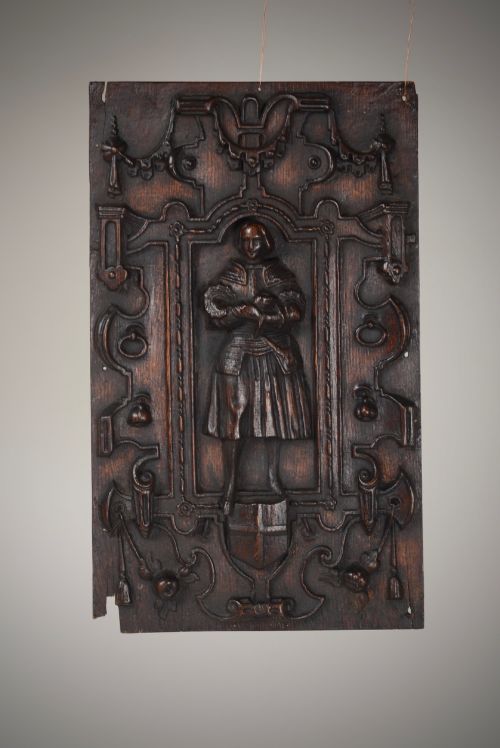
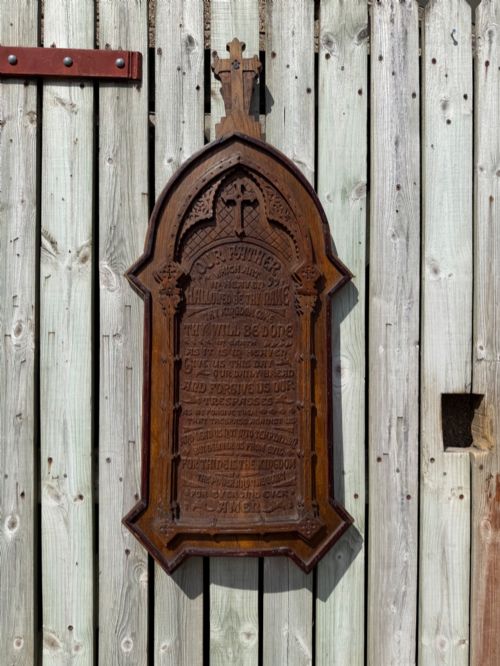
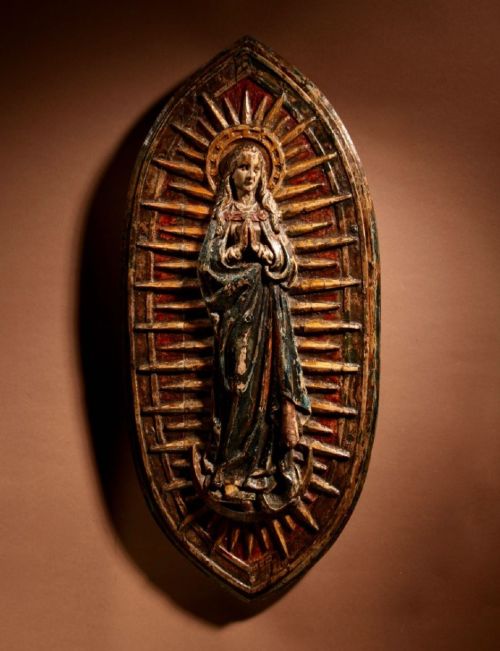
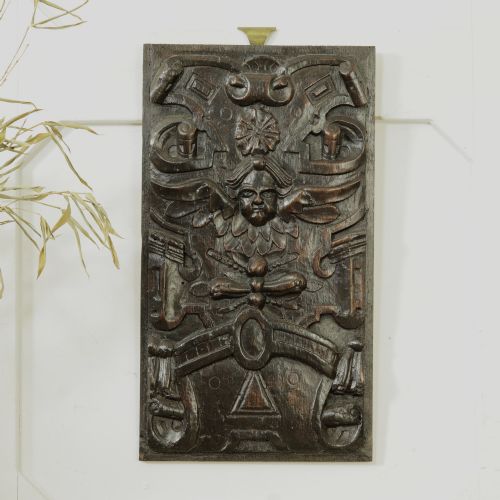
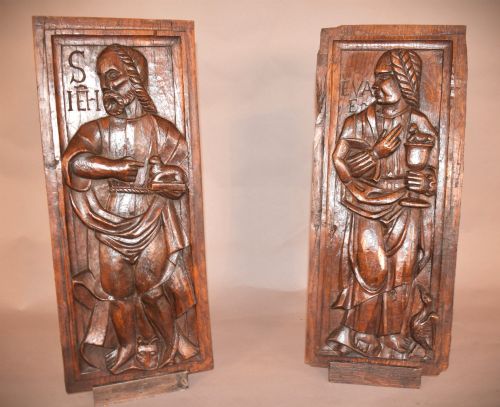
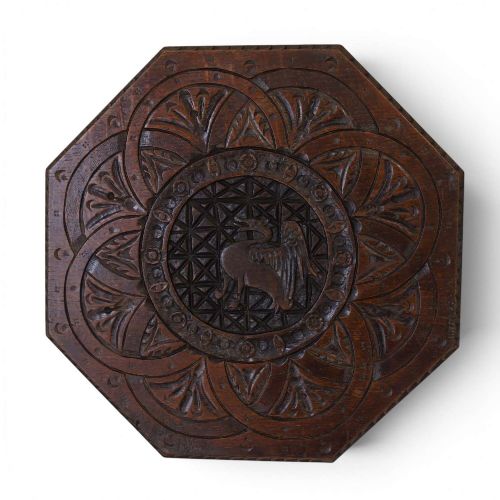
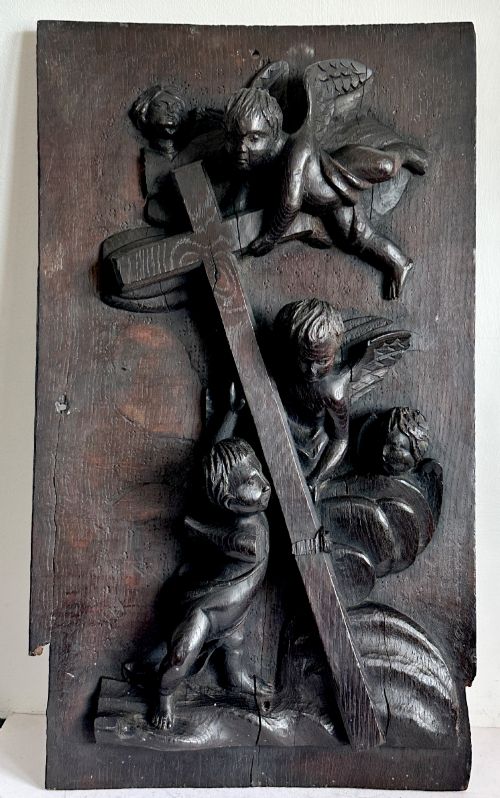
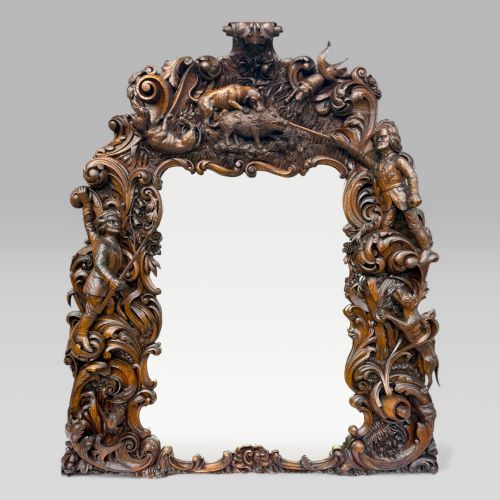
A dark wood relief carving is typically found on heavy oak panels, architectural salvage, and wall plaques dating from the sixteenth century through to the Victorian era. These pieces range from medieval altarpiece fragments and Tudor linenfold panels to seventeenth-century mythological plaques and nineteenth-century Black Forest hunting trophies.
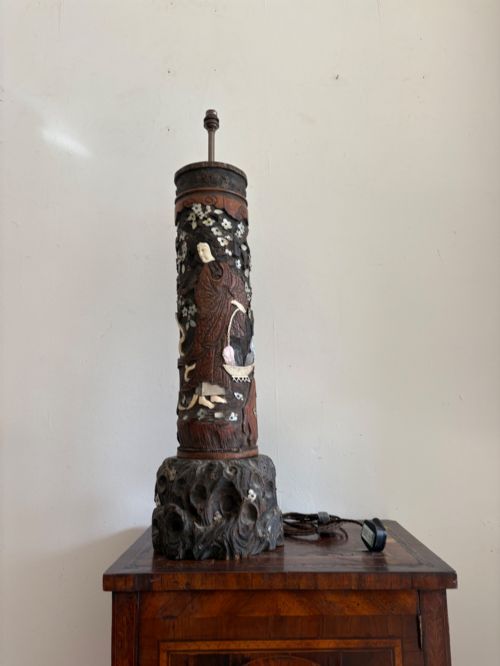
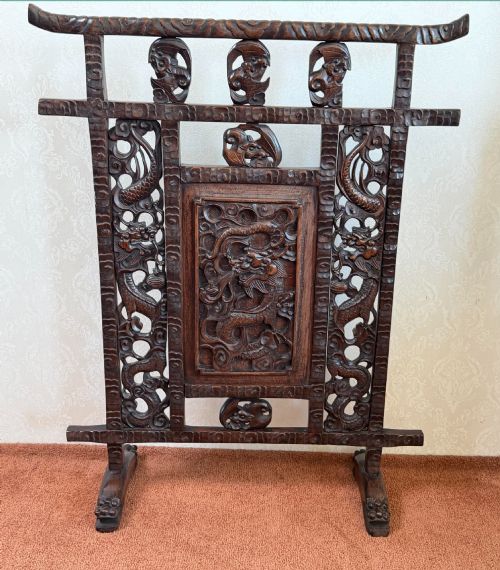
The selections span diverse origins, taking in English oak, French walnut, Flemish Baroque workshops, and Chinese export hardwoods. Buyers encounter these items primarily as wall art, architectural decorations, or repurposed furniture elements such as overmantles and cupboard doors.
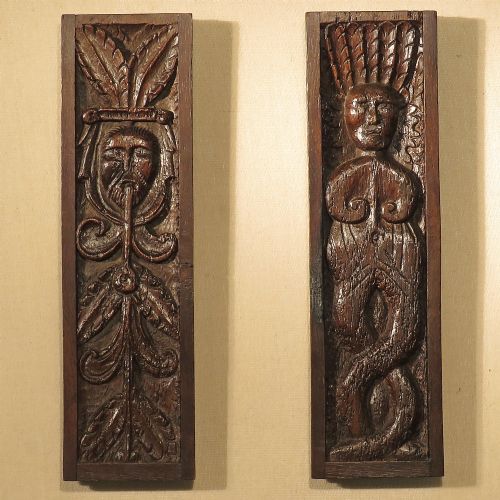
Plain surfaces give way to layered imagery, including Green Man motifs, religious allegories, and figurative scenes carved deeply into the timber grain. The category preserves fragments of larger structures, transforming church woodwork and stately home panelling into self-contained decorative objects.
Materials and technique
Makers relied primarily on dense timbers such as oak, walnut, teak, and various Asian hardwoods that could hold crisp chisel lines without crumbling. These woods darkened naturally with age, smoke exposure, and wax finishing, creating the deep tonal palette characteristic of early panels.
Carvers employed gouges, chisels, and mallets to cut away the background, leaving figures and foliage standing in high or low relief. The work demanded precise control of grain direction to prevent splitting, particularly when rendering intricate details like hair, drapery, and facial expressions.
Listings feature timbers spanning oak, walnut, teak, and hardwood, shaped into everything from sixteenth-century ecclesiastical fragments to nineteenth-century Black Forest hunting trophies.
What separates the finest examples
Quality rests in the anatomical correctness of figures, the depth of the undercut, and the crispness retained in the background details. Master carvers achieved a sense of movement and volume that lesser artisans missed, turning stiff timber into convincing drapery and musculature.
The integrity of the timber and the restraint shown in later restorations also define the better pieces. Over-zealous sanding or heavy modern varnishing obscures the tool marks left by the original hand, whereas surviving patination preserves the genuine texture of the period.
Edward Pearce
The Dark Wood Relief Carving Glossary
- Relief carving
- A sculptural technique where figures or designs project from a flat background. High relief means the elements stand well out from the timber, while low relief keeps them closer to the plane.
- Linenfold
- A style of wood carving that mimics folded fabric or linen, popular on sixteenth-century panels. It gives flat doors and partitions a rich, textured surface.
- Overmantle
- A decorative structure placed above a fireplace, frequently incorporating large carved panels or mirrors. These pieces anchored the grandest rooms in historic lodges and halls.
- Architectural salvage
- Elements rescued from buildings scheduled for demolition or alteration, including wall panels, cornices, and doorways. They preserve historic craftsmanship for modern interiors.
- Green Man
- A sculptural motif showing a face made of or surrounded by leaves and vines. It appears frequently in medieval and revival woodwork.
Dark Wood Relief Carving: Frequently Asked Questions
How were these panels originally used?
Many of these carvings started life as structural components in churches, chateaux, and manor houses, forming part of wall panelling, altarpieces, or furniture. They were designed to demonstrate status and piety through elaborate biblical or mythological scenes.
Over the centuries, changing fashions led to these elements being salvaged from larger schemes and mounted independently as wall art or incorporated into later cabinets and tables.
How do I care for antique carved timber?
Maintaining these surfaces requires minimal intervention, relying primarily on occasional dusting with a soft, dry cloth. Avoiding direct sunlight and sudden temperature changes prevents the timber from drying out and splitting.
A light application of microcrystalline wax every few years helps nourish the grain without building up a sticky residue that attracts dust.
How can I tell a sixteenth-century panel from a Victorian copy?
Early panels display tool marks left by hand chisels and gouges, alongside natural shrinkage and oxidation in the grain that modern machinery cannot replicate. The timber density, fastener types, and style of joinery all offer clues to the true period of manufacture.
Revival pieces often feature more uniform machine cutting and lack the organic wear patterns accumulated over hundreds of years of handling and exposure.