

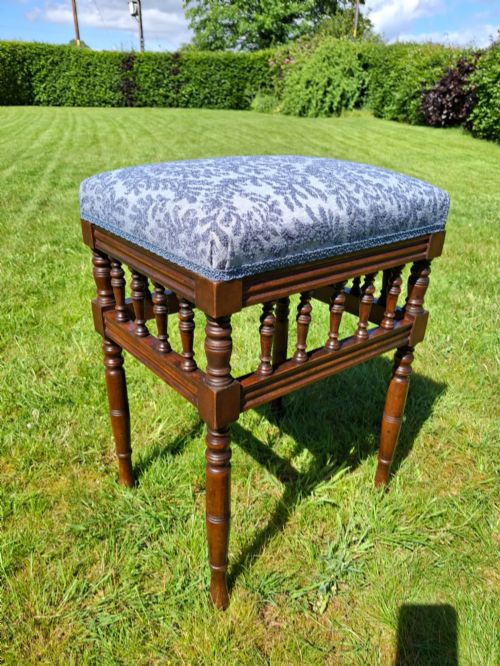


Dark Wood Dressing Stool
A dark wood dressing stool brings solid mahogany, rosewood and oak seating to a vanity table, offering period craftsmanship and practical low seating.
Dark Wood Dressing Stool
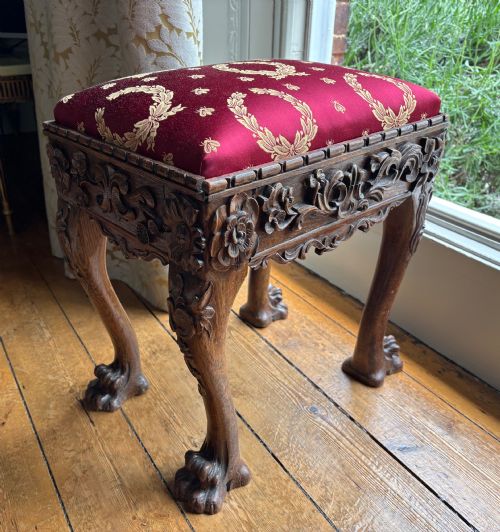
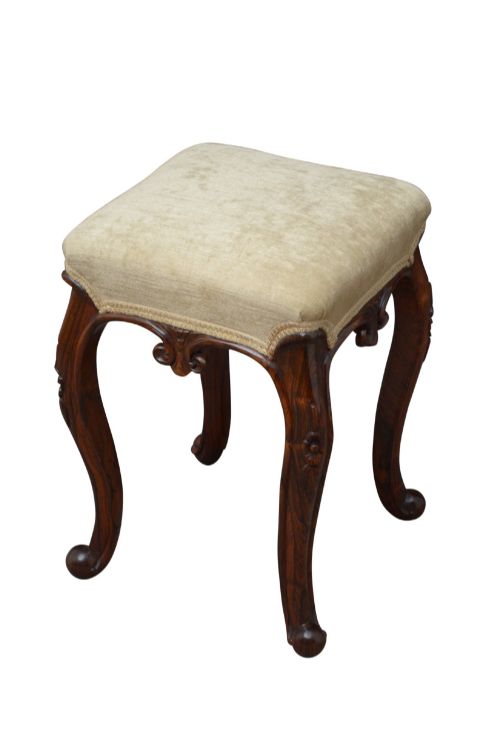
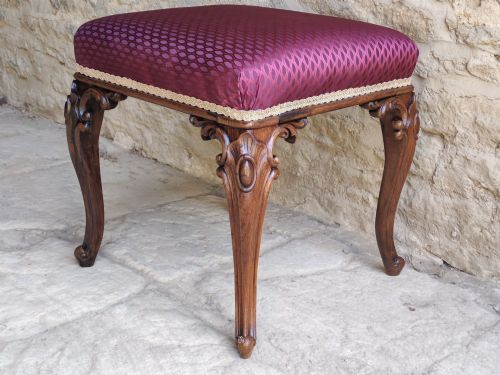
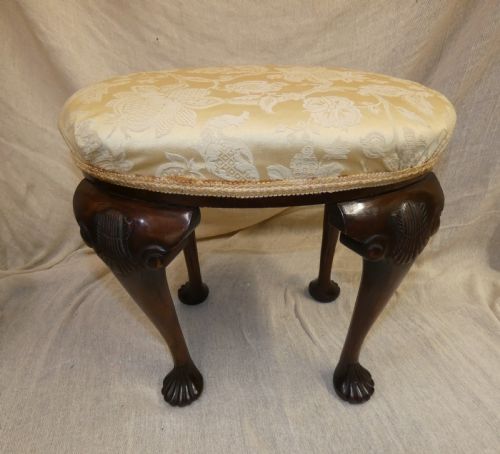
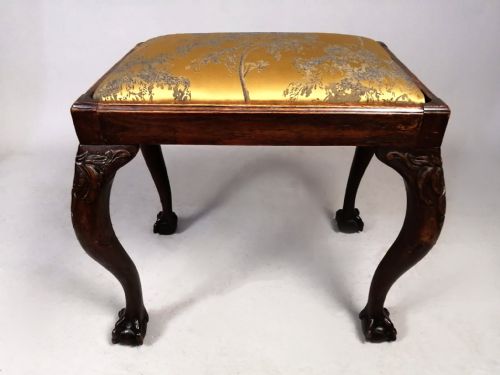
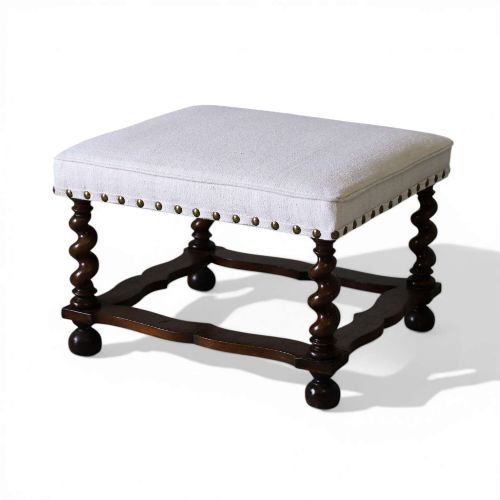
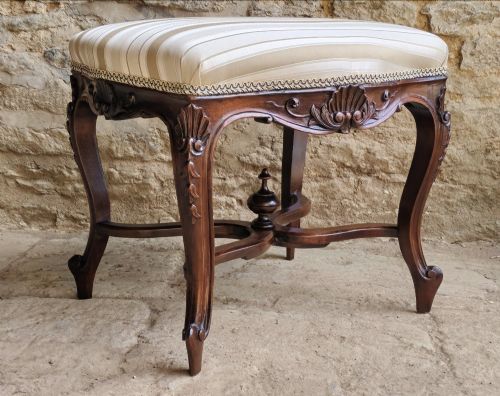
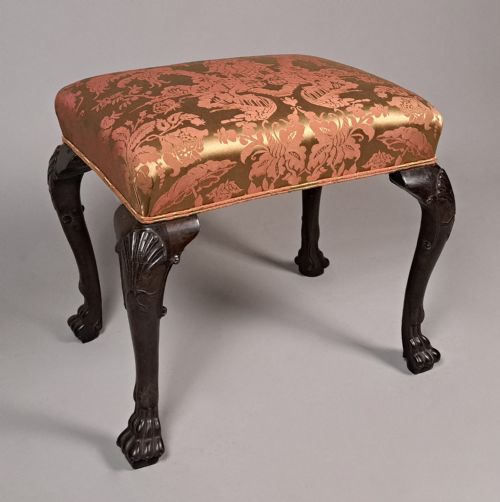
A dark wood dressing stool serves as low seating for a vanity or dressing table, typically appearing in mahogany, rosewood, oak and elm. Buyers encounter examples spanning the eighteenth century through to the early twentieth century, encompassing revival designs like Chippendale, George II and Victorian Rococo styles.
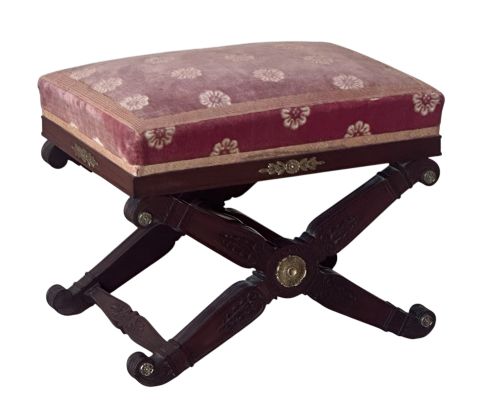
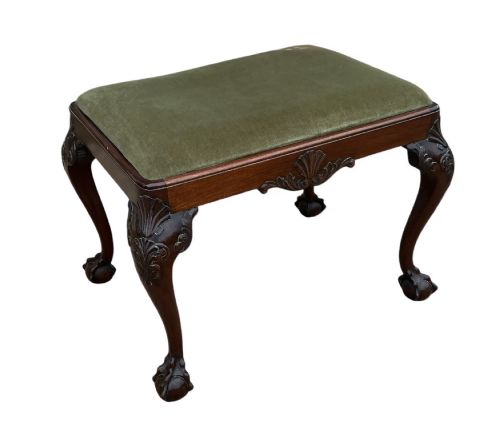
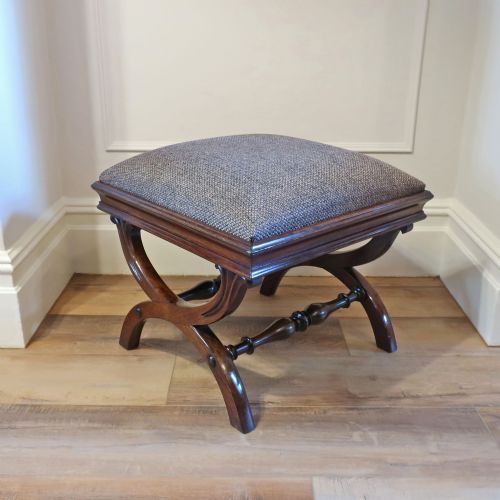
The selection ranges from simple turned-leg forms to elaborately carved cabriole-legged seats, X-frame constructions and revolving piano stool variants. Many retain their period textile coverings, including needlework, tapestry and fabric upholstery.
Materials and construction methods
Cabinetmakers constructed these stools primarily from dense timbers such as mahogany, rosewood and oak, frequently utilising solid woods for structural legs and frames. Carved details, such as cabriole legs and scrollwork, display hand-carving techniques rooted in Georgian and Victorian workshop traditions.
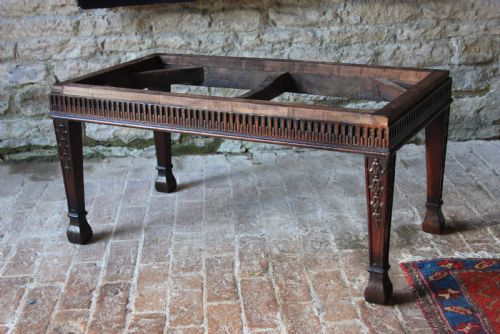
Upholstery techniques involved traditional webbing, stuffing and textile covers secured with tacks, sometimes incorporating needlework or tapestry panels. Specialised elements like revolving mechanisms on piano stools and barley-sugar turnings demonstrate period joinery skills.
Dark Wood Dressing Stool Retail Price Guide 2026
Typical asking prices for dark wood dressing stool among the pieces listed under this phrase on Sellingantiques today, from the lower quarter to the upper quarter. They describe what is for sale here now, not the wider market.
Listings feature solid mahogany, rosewood, oak and elm stools spanning the Georgian, Victorian and Edwardian periods.
Judging the quality of a dark wood dressing stool
Quality rests upon the crispness of the timber carving and the selection of dense, well-figured woods like rosewood or Irish mahogany. Superior pieces exhibit harmonious proportions, robust frame construction and period-appropriate joinery rather than purely decorative additions.
The integrity of the original timber surface and the quality of any retained period upholstery or needlework significantly influence the overall character of the piece. Subtle details, such as turned stretchers, finely shaped cabriole legs and X-frame bracing, separate standard workshop items from finer productions.
Jas Shoolbred
The Dark Wood Dressing Stool Glossary
- Cabriole leg
- A furniture leg that curves outward at the knee and inward at the ankle, ending in a pad, claw, or scroll foot. This form derives from Chinese design and became prominent in English and European furniture during the eighteenth and nineteenth centuries.
- X-frame
- A structural furniture base formed by intersecting diagonal timbers creating an X shape when viewed from the side. Such frames provide robust support and often appear in classical revival or French Empire designs.
- Goncalo Alves
- A dense exotic hardwood featuring striking dark brown and light golden-brown contrasting grain patterns. Makers utilised this timber for decorative Victorian furniture and small seating pieces.
- Oyster-veneer
- Thin circular or oval slices cut obliquely from small branches or roots, arranged to resemble oyster shells. This decorative veneering technique appears on seventeenth and eighteenth-century surfaces.
- Needlework
- Hand-stitched textile work utilising yarn or thread on an open-weave canvas ground. Period stools frequently feature these durable stitched covers on their upholstered seats.
Dark Wood Dressing Stool: Frequently Asked Questions
How do I date a dark wood dressing stool?
Dating relies upon stylistic markers, timber choices and construction techniques visible in the frame. Eighteenth-century pieces often feature elm or mahogany with regional carving characteristics, whereas Victorian examples frequently showcase rosewood and cabriole legs.
Examining the underside, screw types and joinery methods helps narrow the decade of manufacture. Revival pieces from the late nineteenth and early twentieth centuries often imitate earlier Georgian or Chippendale forms while retaining Victorian or Edwardian secondary woods.
Were these stools originally made for dressing tables?
Many low seats served multiple domestic functions, including piano playing, foot rests and dressing table seating. Makers often produced versatile stools that could fit beneath vanity tables or serve as window seats.
Revolving mechanisms and adjustable heights typically indicate music or piano usage, while fixed low frames suit dressing tables. Over time, owners frequently repurposed these small seats to suit changing interior layouts.
What is the difference between a footstool and a dressing stool?
Dressing stools stand taller to accommodate a person sitting comfortably before a vanity table or mirror. Footstools feature lower profiles designed primarily for supporting feet while seated elsewhere.
Despite these intended heights, many antique low seats cross categories because of their compact proportions. Upholstered tops and sturdy frames allowed nineteenth-century households to deploy them in various rooms.
How should I care for antique rosewood and mahogany?
Protect the timber by keeping the stool away from direct sunlight and steady heat sources that can dry out the wood. Regular dusting with a soft, dry cloth maintains the surface without building up residue.
Occasional application of appropriate wax polish helps nourish aged hardwoods and preserve their natural sheen. Avoid silicone-based sprays, which can penetrate porous antique finishes and damage the grain.
Can I reupholster an antique dressing stool?
Upholstery replacement is a common practice that allows owners to refresh worn fabrics while preserving the underlying wooden frame. Traditional materials and methods should be utilised on older pieces to maintain historical integrity.
When original needlework or period tapestry remains intact and stable, many collectors prefer to preserve it. Professional upholstery ensures the webbing and stuffing support the frame correctly without altering its profile.