

Dark Wood Display Case
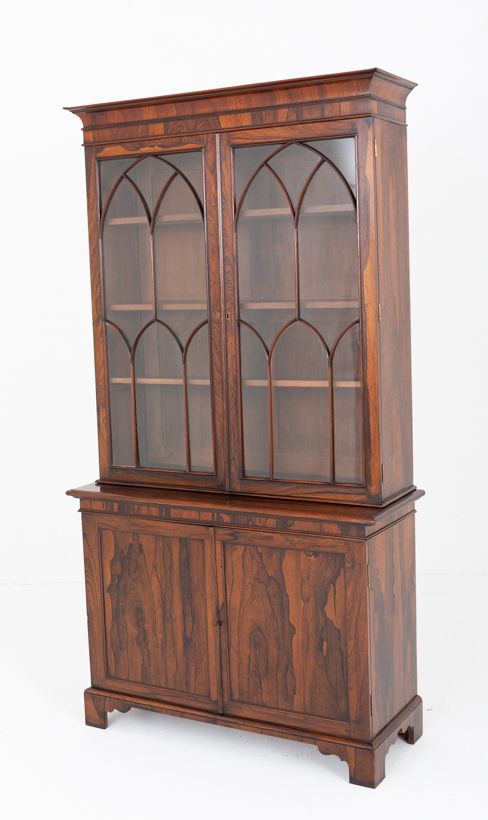
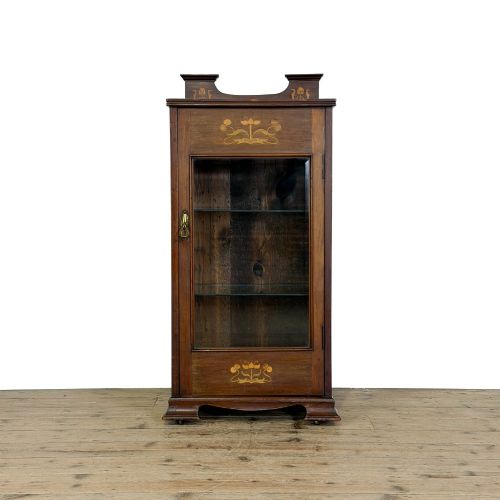
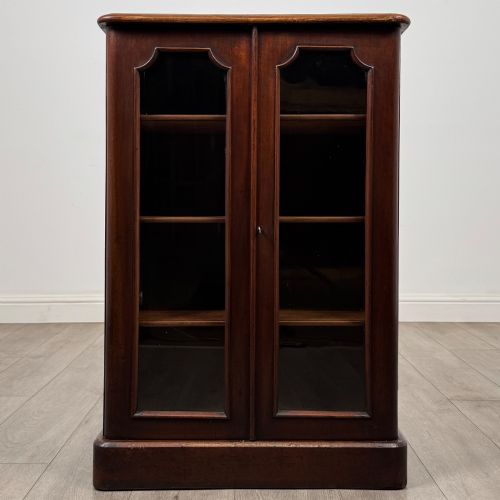
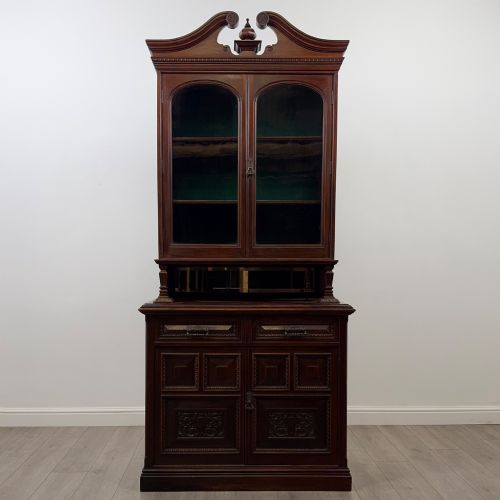
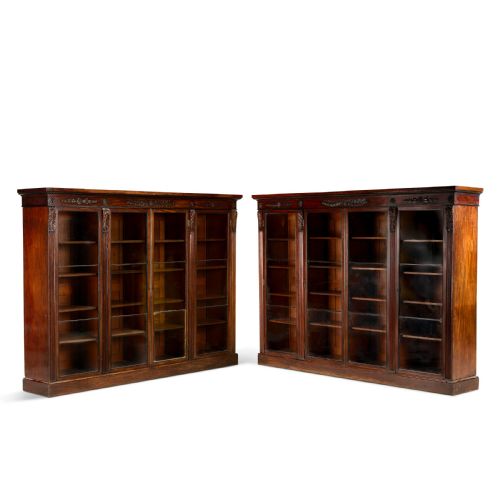
A dark wood display case holds precious objects safely behind glass, drawing the eye to timber grain and craftsmanship from Georgian, Victorian, and Edwardian periods.
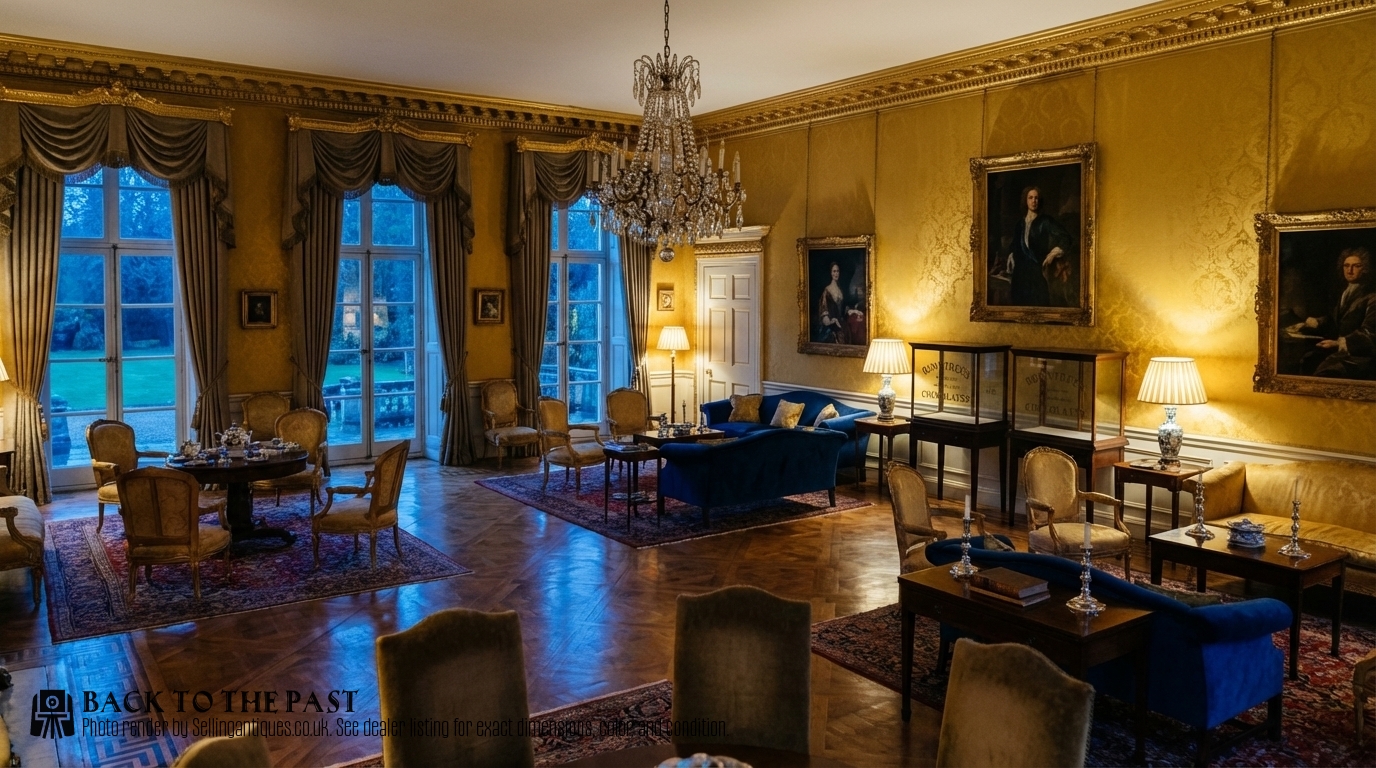
Dark Wood Display Case
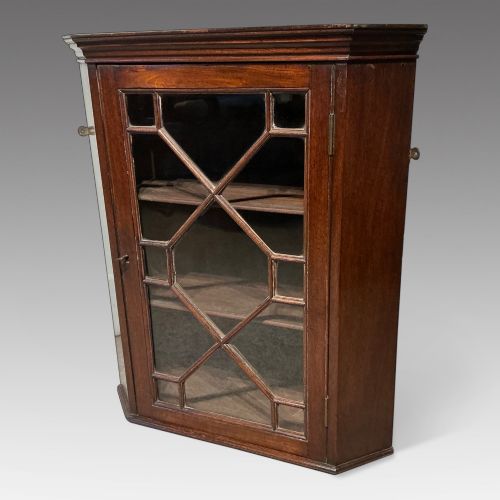
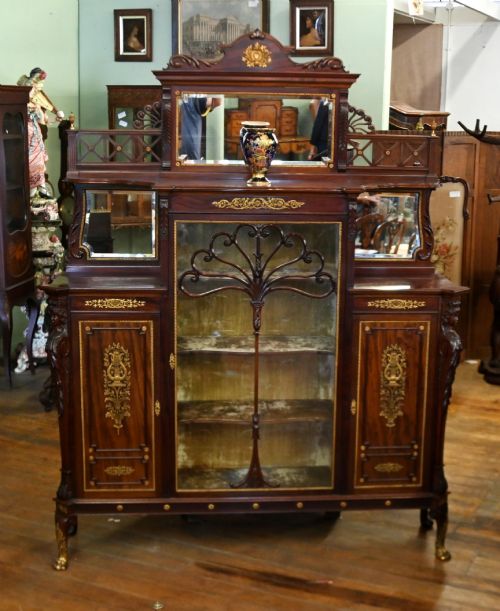
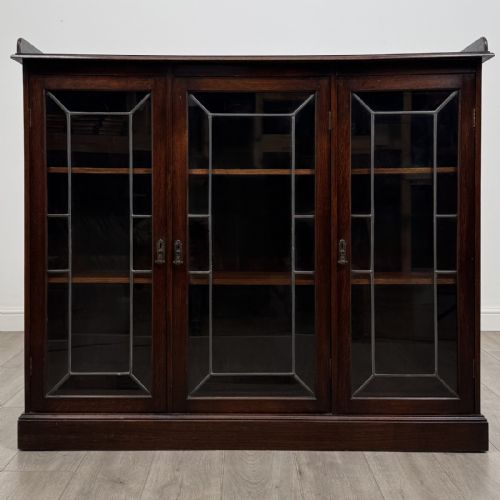
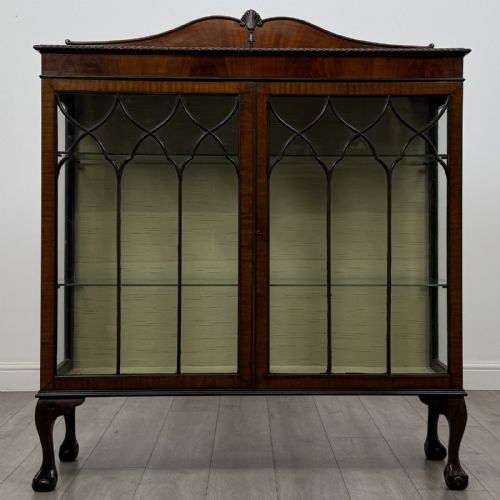
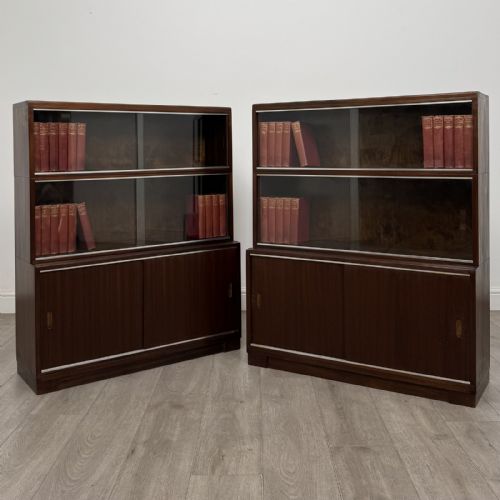
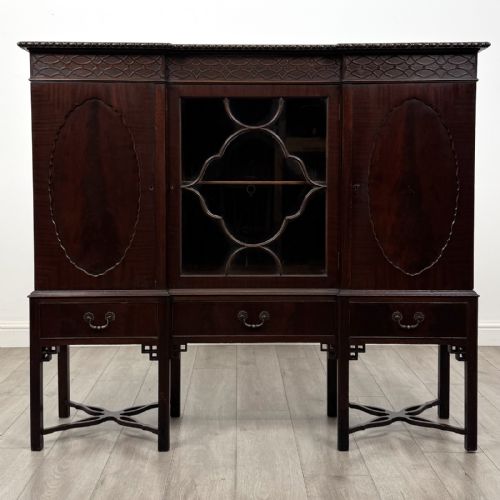
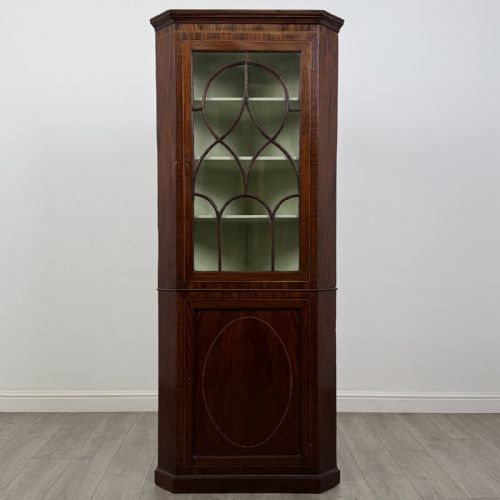
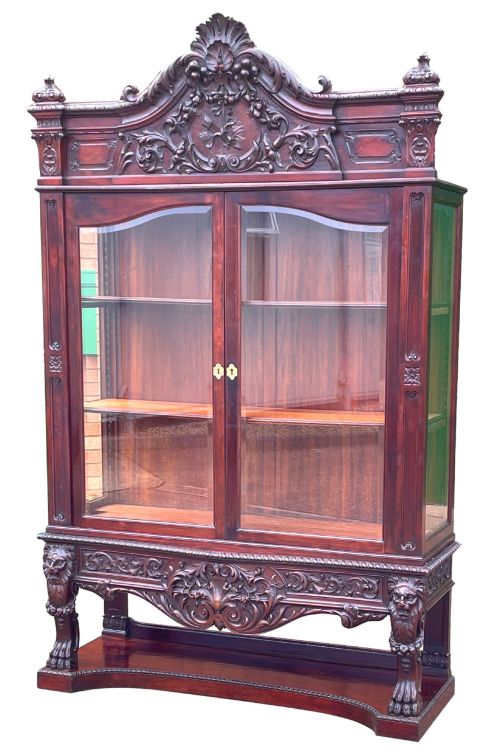
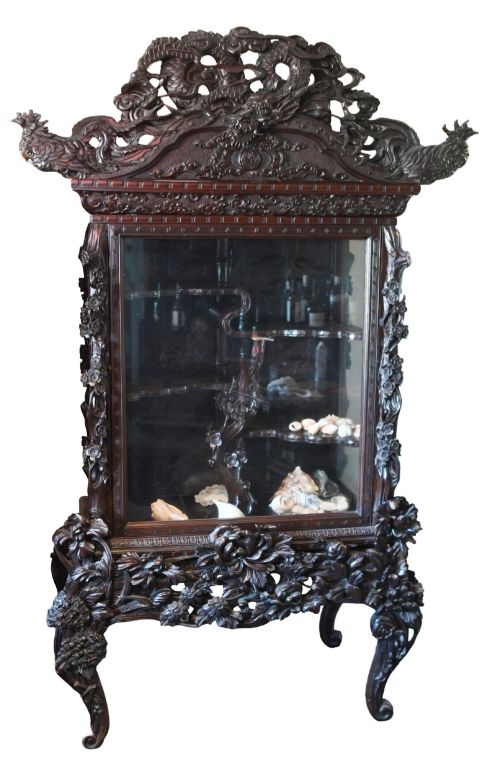
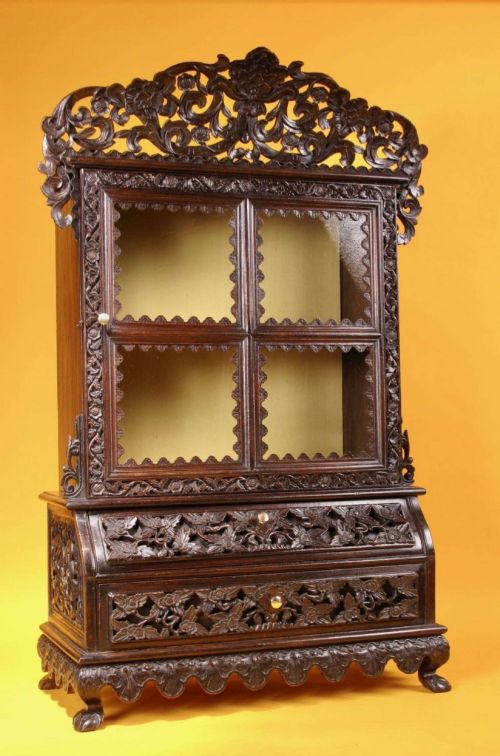
A dark wood display case appears in various forms across this selection, including glazed bookcases, corner cabinets, vitrines, and wall shelves. These items protect and exhibit possessions, shifting from utilitarian storage to decorative furniture designed for drawing rooms and libraries.
Mahogany and oak dominate the offerings, appearing alongside walnut and rosewood in pieces spanning the nineteenth and early twentieth centuries. Styles trace historic revivals such as Chippendale and Sheraton alongside Edwardian and Art Deco designs.
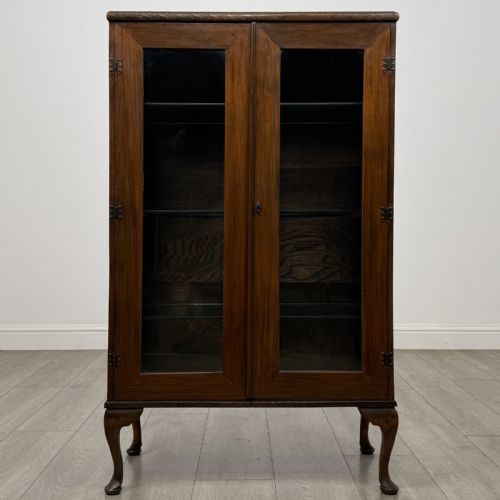
The most common formats on this page are upright floor-standing cabinets and corner units with glazed doors. Interiors frequently incorporate wooden shelves, fabric linings, or specialised mountings for specimens and books.
How they were made
Makers utilised solid timbers and wood veneers over secondary woods, shaping mahogany, oak, and walnut into carcasses with panelled backs and glazed doors. Joinery methods included dovetailing for drawers and mortise and tenon joints for structural frames.
Surface decoration relies on natural timber grain, sometimes enhanced with satinwood inlay, marquetry, or carved mouldings. Glass panes are held within astragals or wooden frames, while brass hardware secures doors and supports adjustable shelving.
Dark Wood Display Case Retail Price Guide 2026
Typical asking prices for dark wood display case among the pieces listed under this phrase on Sellingantiques today, from the lower quarter to the upper quarter. They describe what is for sale here now, not the wider market.
What varies in quality
The standard of a dark wood display case depends on timber selection, such as figured burr walnut or dense mahogany, paired with crispness in carving and inlay. Superior examples show refined proportions and harmonious grain matching across primary surfaces.
Internal construction and original hardware further distinguish finer pieces, where thick glass, well-fitted doors, and solid secondary woods indicate careful workshop production rather than mass manufacture.
James Jones of London·F. Sage and Co. London
The Dark Wood Display Case Glossary
- Vitrine
- A glass-fronted cabinet designed for displaying fine objects or porcelain. These cases often feature glazed sides to allow maximum light onto the contents.
- Astragal
- A small wooden moulding forming the grid that holds individual glass panes within a door. Finer cabinets employ slender astragals for a lighter appearance.
- Breakfront
- A piece of furniture where the central section projects forward from the flanking wings. This architectural arrangement creates depth and shadow across the facade.
- Marquetry
- Decorative patterns formed by fitted veneers applied to a wooden surface. Craftsmen use various tinted woods to create pictorial or geometric designs.
- Demi-lune
- A half-moon shape used for the footprint or top surface of specialised cabinets. These wall-adjacent pieces fit neatly into curved corners or hallways.
Dark Wood Display Case: Frequently Asked Questions
What is a dark wood display case used for?
These cabinets serve to exhibit and protect collections of books, ceramics, taxidermy, or curiosities behind glass panels. They keep dust away from delicate items while keeping them visible in principal rooms.
Historically, larger bookcases housed libraries, while smaller vitrines and countertop cases displayed treasured possessions in domestic and commercial spaces.
How do I date a dark wood display case?
Dating relies on combining the timber, construction methods, and prevailing style of the piece, such as Georgian proportions or Edwardian inlay. Secondary woods at the back and drawer construction offer further clues to the period of manufacture.
Makers' signatures, labels, or hand sign-writing can also provide specific historical context regarding when and where the cabinet was used.
Where should I place a dark wood display case?
These cabinets suit studies, drawing rooms, or hallways where natural light can illuminate the timber and the contents behind the glass. Positioning them away from direct sunlight protects both the wood finish and sensitive interior items.
Corner cabinets make efficient use of difficult room angles, while breakfront and floor-standing bookcases anchor larger wall spaces.
How do I care for a dark wood display case?
Maintain the timber by dusting regularly with a soft, dry cloth and occasionally applying appropriate furniture wax to nourish the surface. Avoid liquid polishes containing silicone, which can build up and damage antique finishes over time.
Keep the cabinet in a stable environment away from rapid temperature changes and excessive humidity to prevent the wood and veneer from warping.