



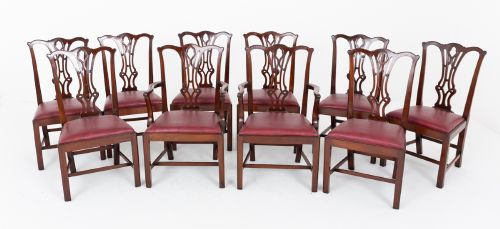
Dark Wood Carver
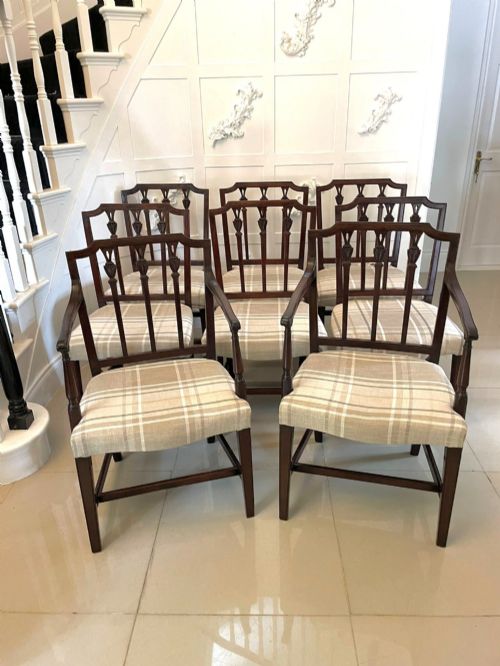
A dark wood carver anchors the head of a dining table or stands alone as a desk chair, offering substance and support.
Dark Wood Carver
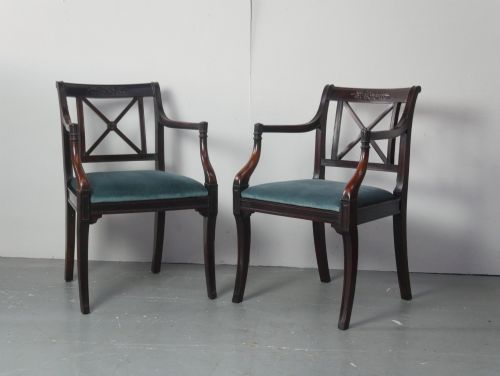
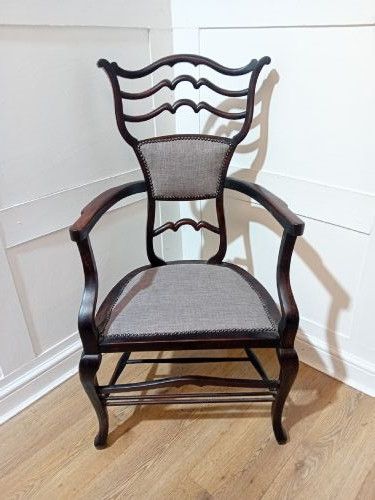
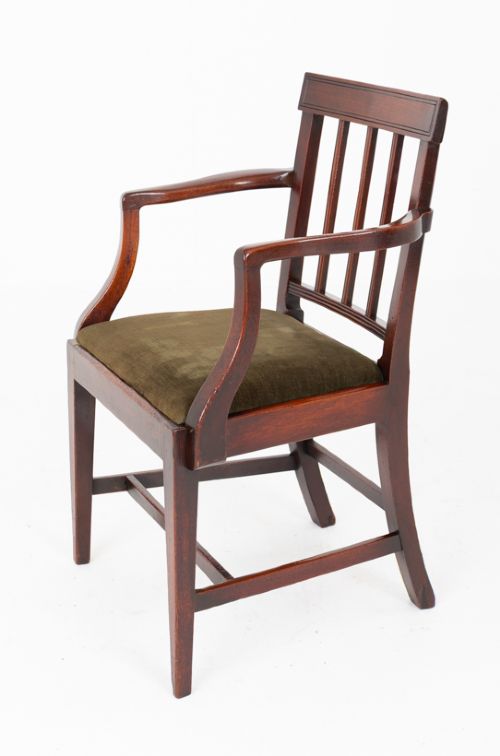
A dark wood carver is an armchair designed to match a set of dining chairs or to serve independently in a library, study or reception room. When searching for a dark wood carver, a buyer encounters single armchairs, pairs, or individual elbow chairs drawn from dining sets dating from the eighteenth century through the Edwardian period.
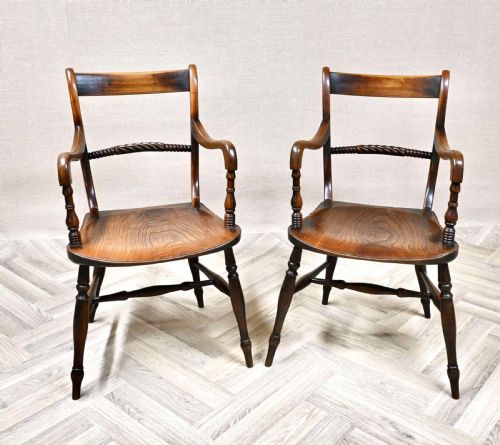
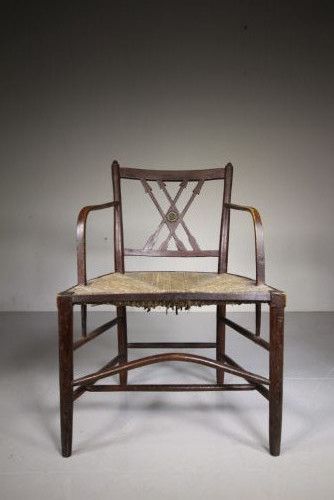
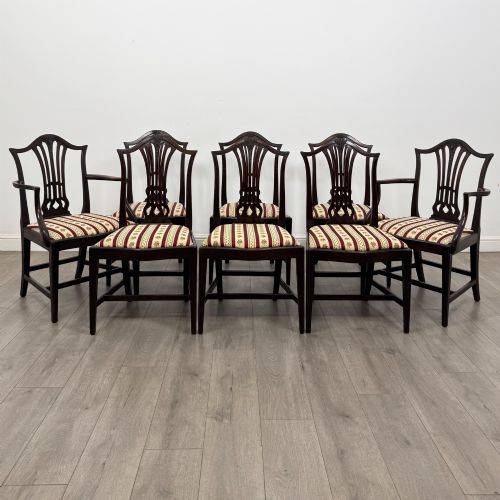
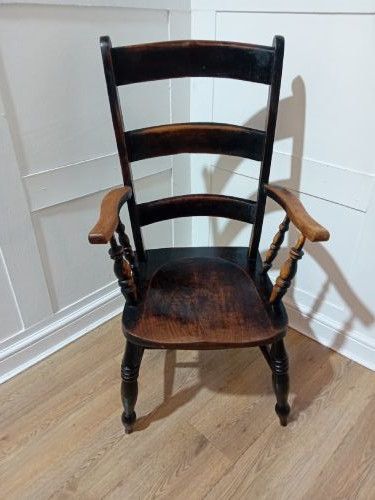
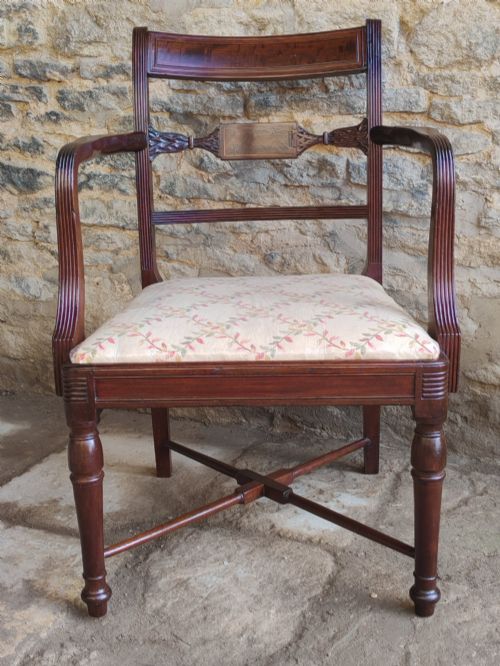
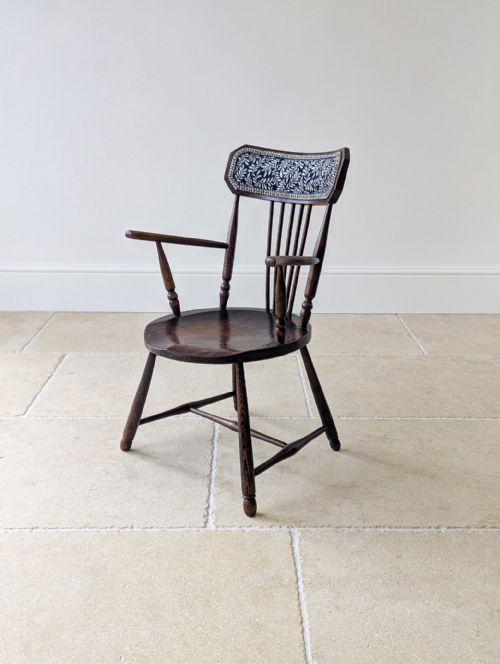
The materials and construction reflect distinct regional traditions, ranging from formal mahogany dining armchairs in the Georgian and Regency styles to rustic country chairs in elm, beech, ash and laburnum. Windsor chairs, Thames Valley Oxford chairs and ladder-back forms sit alongside formal Chippendale revival pieces and shield-back designs.
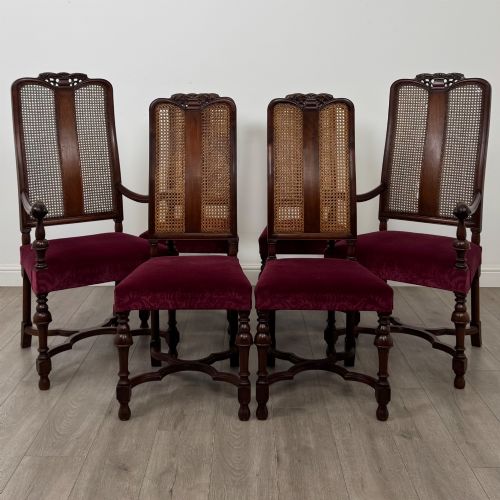
Originating in periods such as the Georgian, Victorian and Edwardian eras, these armchairs utilise dense hardwoods. They appear both as standalone seating and as the principal armchairs belonging to larger dining sets.
Distinctions in Execution
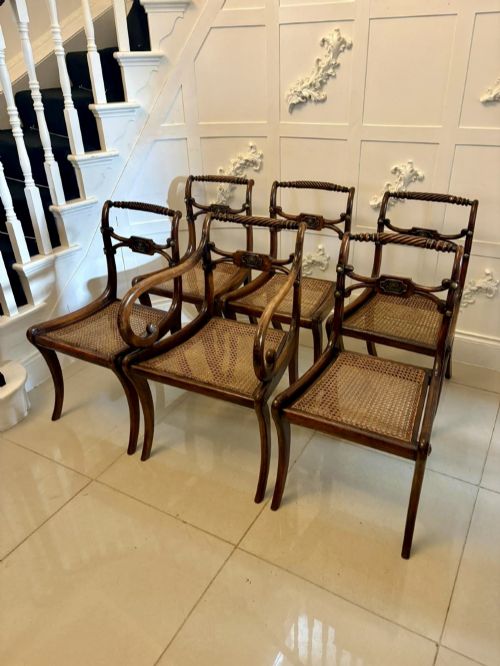
The refinement of the timber carving and the integrity of the structural frame determine the standing of each piece. Crispness in details like rope-twist rails, shield backs or lyre motifs separates standard production from superior craftsmanship.
The choice of primary wood and secondary framing timbers dictates durability and visual depth. Original surfaces and retained finish elevate an armchair above examples that have undergone heavy restoration or replacement components.
Periods represented span from seventeenth-century walnut up to Edwardian mahogany dining furniture.
Philip Clissett·Alfred Allen of Birmingham
The Dark Wood Carver Glossary
- Carver
- An armchair designed to match a set of dining chairs, traditionally placed at the head of the table.
- Windsor
- A traditional wooden chair constructed with a solid shaped seat into which the legs, back spindles and bow are separately dowelled.
- Shield Back
- A chair back designed in the outline of a heraldic shield, popular in late eighteenth-century dining furniture.
- Elbow Chair
- An alternative term for an open armchair, often used for reception or desk seating.
- Ropetwist
- A carved decorative moulding resembling the twisted strands of a rope, seen on rails and arms.
Dark Wood Carver: Frequently Asked Questions
What is a dark wood carver used for?
A dark wood carver serves primarily as the host armchair at the head of a dining table, distinguishing itself from single side chairs by its arms. Buyers also place them in studies, hallways or bedrooms as occasional seating.
Their sturdy timber construction and supportive armrests make them practical for prolonged sitting at a desk or table.
How do I distinguish a Georgian carver from a Victorian one?
Georgian carvers generally exhibit lighter proportions, restrained classical carving and slender legs, often in mahogany with subtle splat backs. Victorian examples tend to be heavier in scale, utilising denser timbers and incorporating revival styles with bolder decorative turns.
Examining the underside, joinery marks and timber grain assists in confirming the period of manufacture.
Were carvers always sold with dining chairs?
Many carvers originated as part of larger suites of dining chairs, often sold as a single pair or individually alongside six or eight side chairs. Other carvers were made as standalone pieces for desks or morning rooms rather than dining use.
Matching carvers found alone today were frequently separated from their original dining sets over time.
What wood types should I expect to find?
Mahogany is the most frequent timber found in formal dining carvers, prized for its deep colour and durability across the eighteenth and nineteenth centuries. Country armchairs frequently employ native British timbers such as elm, ash, beech and oak.
Some pieces combine multiple woods, utilising elm for comfortable solid seats and ash or beech for the bentwood spindles.