
Dark Wood Carved Cabinet
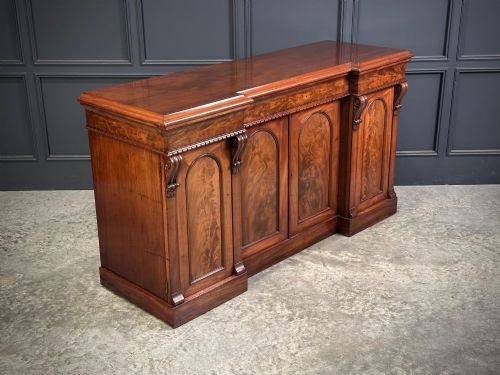
A dark wood carved cabinet brings solid presence and rich grain to a room, offering practical storage disguised in heavy relief.
Dark Wood Carved Cabinet
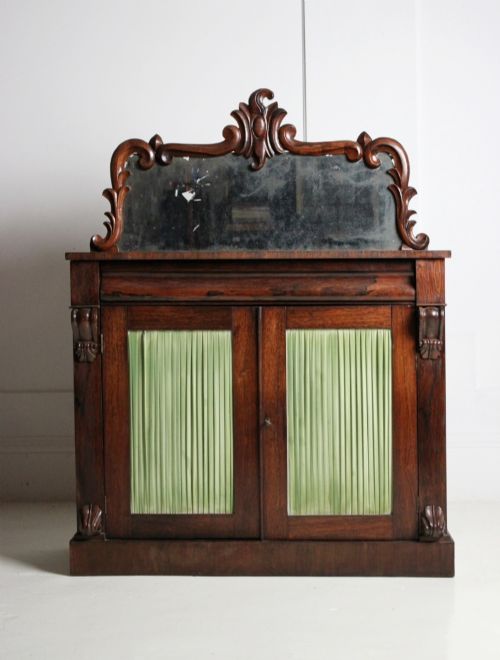
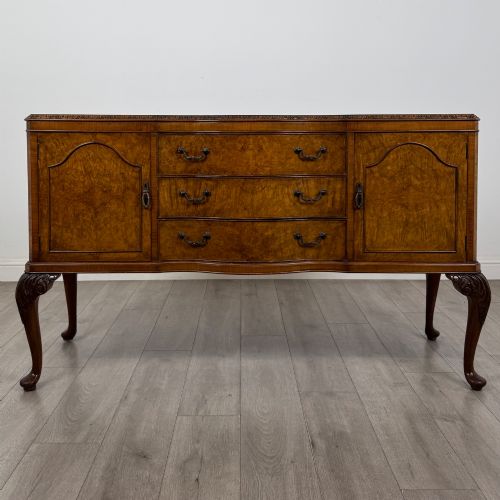
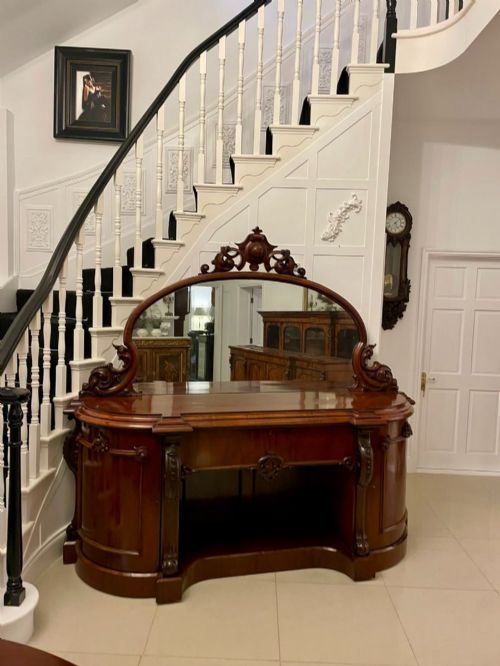
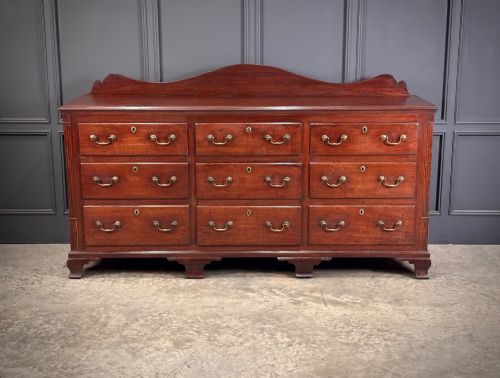
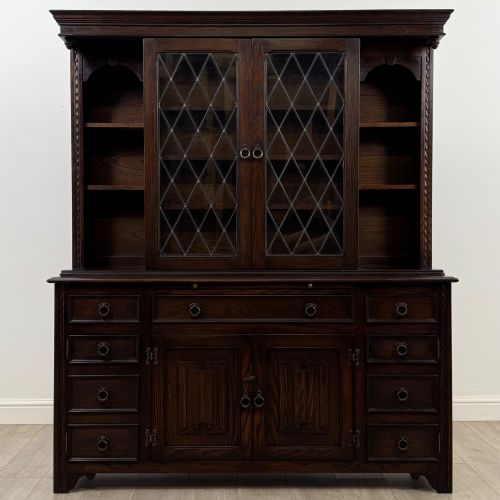
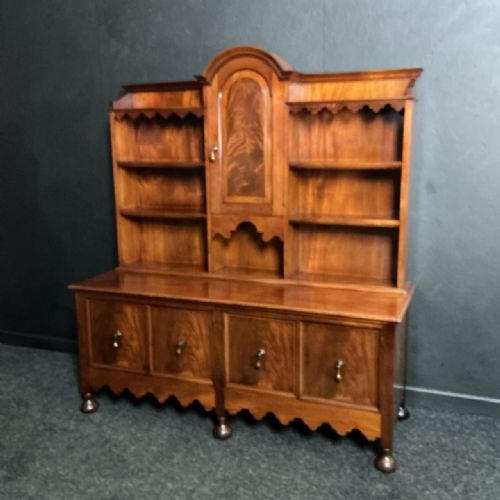
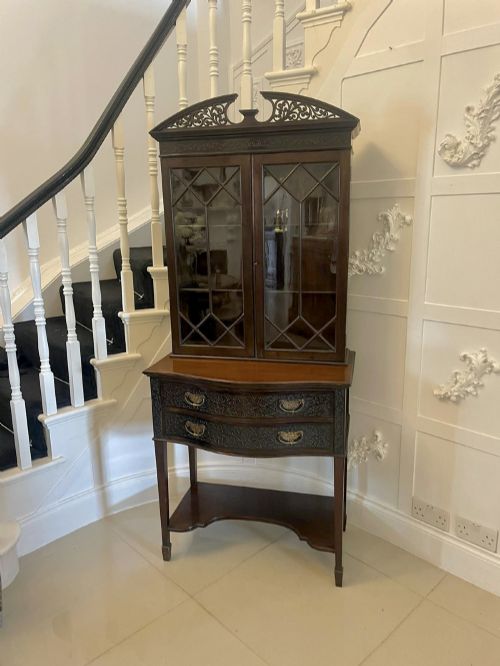
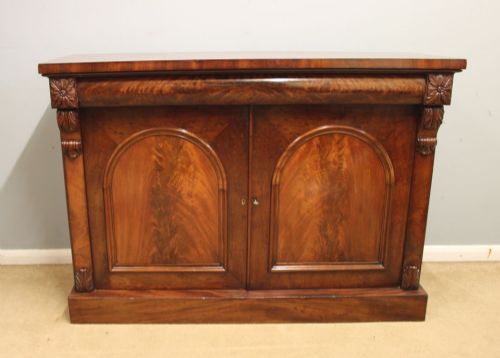
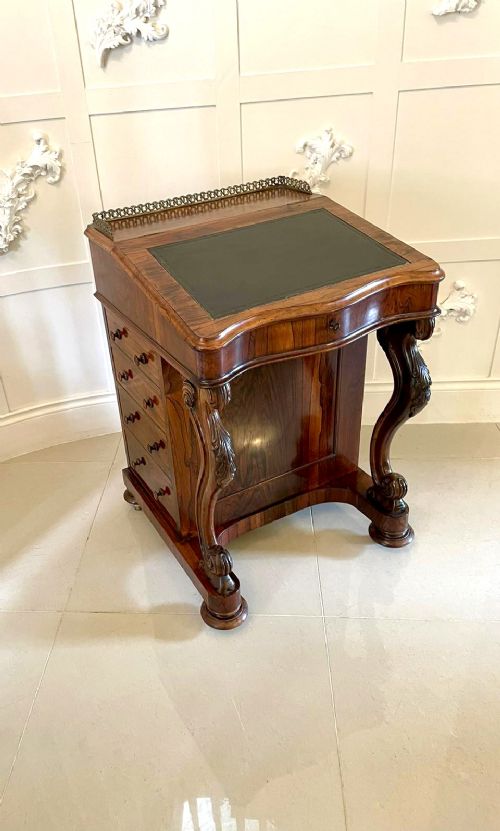
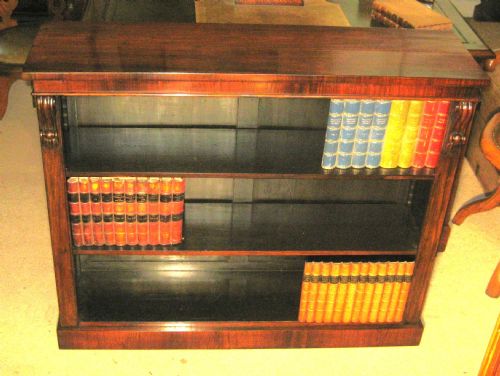
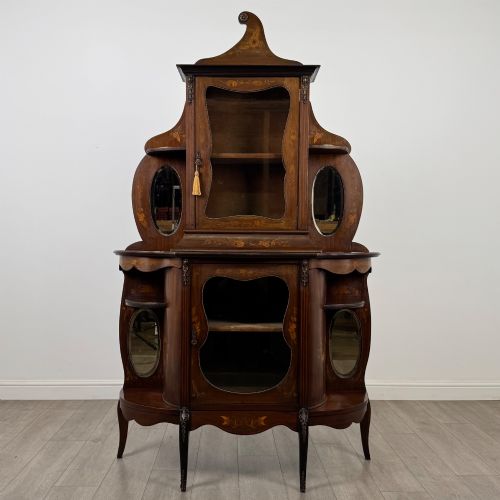
A dark wood carved cabinet encompasses heavy storage furniture built primarily through the Victorian, Edwardian, and nineteenth-century periods. These pieces range widely in domestic purpose, appearing as sideboards, display cabinets, bookcases, dressers, and smaller wall-hanging cupboards.
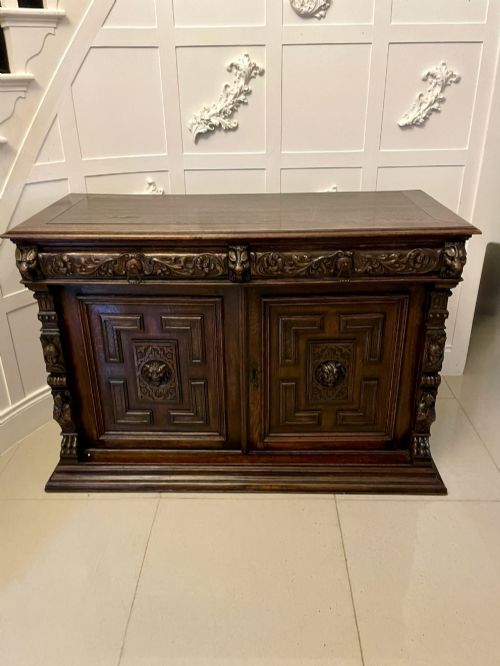
The version most commonly encountered on this page is the substantial oak sideboard or glazed display cabinet from the later nineteenth or early twentieth century. These domestic items display regional revivals such as Jacobean, Gothic, and Tudor tastes alongside standard Victorian and Edwardian production.
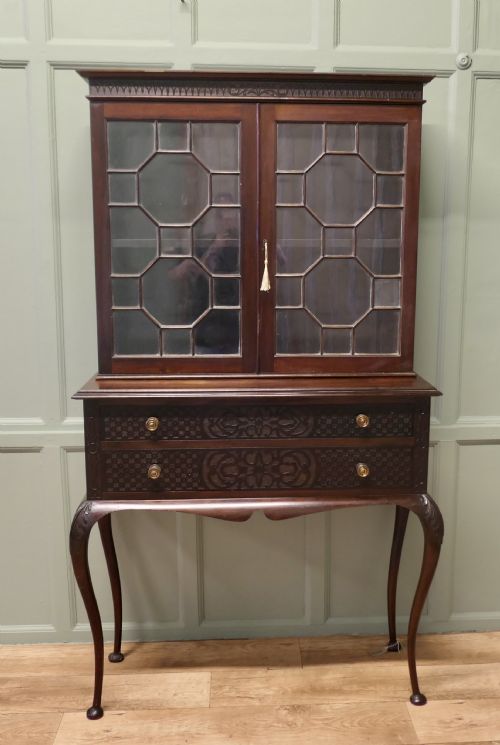
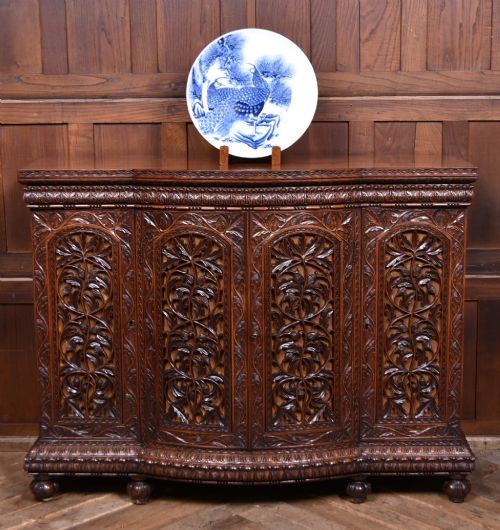
Alongside British workshop output, buyers frequently encounter Continental iterations including French hunting pieces, alongside occasional imported items like Anglo-Indian examples or Chinese Chippendale interpretations in mahogany.
Materials and Technique
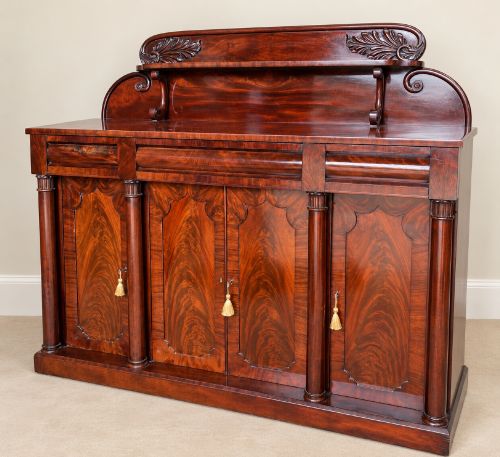
Makers built these cabinets using dense timbers such as oak, mahogany, walnut, and rosewood, often selecting figured varieties like flame mahogany to bring movement to the darker surfaces. Glass panels, brass hardware, and occasional iron or metal mounts completed the structural assembly.
The defining characteristic of these items is hand-carved ornamentation, which ranges from linenfold panels and barley twists to deep relief work featuring foliage, figures, and architectural motifs. Joinery relied on traditional methods appropriate to the period, accommodating heavy doors, glazed compartments, and fitted interior shelving.
Listings for this phrase draw primarily on oak and mahogany, spanning periods from Regency through to the Edwardian era.
Distinctions in Standard
The primary distinction between standard production and top-tier pieces lies in the depth and sharpness of the carving, alongside the selection of the timber. Superior cabinets display crisply undercut relief work handled by skilled hands, rather than shallow, mechanical stamping.
Construction integrity also separates grades, with finer examples retaining original brass handles, well-fitted glazed doors, and stable structural carcases that have survived heavy domestic use without warping or major timber shrinkage.
Gabriel Viardot
The Dark Wood Carved Cabinet Glossary
- Chiffonier
- A compact sideboard featuring a low enclosed cupboard base, often surmounted by a shelf or mirror back. It became popular during the nineteenth century for smaller dining and drawing rooms.
- Linenfold
- A style of carved wooden panelling that resembles folded vertical lengths of fabric. This motif is frequently seen on early twentieth-century oak furniture.
- Astral glazing
- Cabinet door glass divided into small panes by thin wooden or metal bars arranged in geometric patterns. This technique originates in eighteenth-century bookcase design.
- Davenport
- A small pedestal desk featuring a sloping, hinged writing surface above a bank of drawers. The form emerged in the Regency period and persisted into the Victorian era.
- Buffet
- A sideboard or server used for food presentation and dining room storage. Victorian iterations often display substantial proportions and heavy carving.
Dark Wood Carved Cabinet: Frequently Asked Questions
What rooms suit a dark wood carved cabinet?
These substantial pieces fit naturally into dining rooms, libraries, and hallways where their dark timber and relief carving anchor the surrounding space. They provide heavy storage for tableware, books, or collections while establishing a formal period atmosphere.
Smaller formats, such as wall cupboards or compact bookcases, adapt easily to living rooms and studies where floor space is limited yet storage remains necessary.
How do I identify the period of a carved cabinet?
Dating relies on observing a combination of timber selection, structural hardware, and carved decorative motifs. Victorian and nineteenth-century pieces often feature deep mahogany or oak with heavy relief work, whereas Edwardian items frequently utilise quarter-sawn oak with barley twists or linenfold panels.
Secondary woods inside drawers, backboards, and the style of hinges or key escutcheons provide further physical evidence to narrow down the decade of manufacture.
Are glazed display cabinets structurally secure?
Glazed doors require sound framing and stable hinges to support the weight of the glass panes without sagging over time. Period cabinets built with quality joinery maintain their alignment if kept in rooms with stable humidity and temperature.
Checking that the doors open and close smoothly and that the locks function properly ensures the internal shelving remains safe for displaying fragile objects.
How should I care for dark wood furniture?
Maintaining these surfaces involves regular dusting with a soft, dry cloth and avoiding placement near direct heat sources or strong sunlight. Excessive warmth dries out dense timbers like oak and mahogany, which can lead to panel splitting or shrinkage.
Applying a traditional beeswax polish occasionally helps nourish the grain and preserve the natural sheen of the wood without building up heavy residue.