



Hand Carved Wooden Cabinet
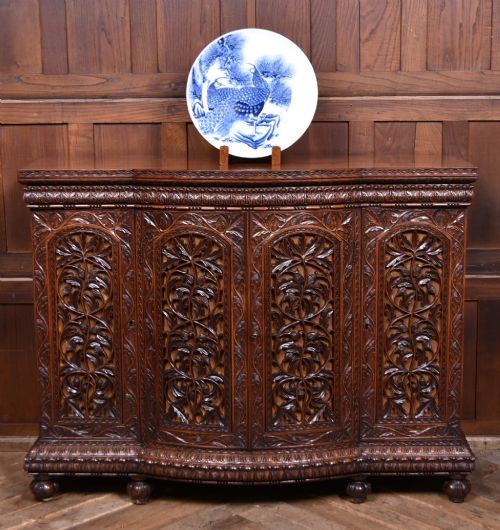
These hand carved wooden cabinet examples span Anglo-Indian, Victorian and folk art traditions, offering substantial storage alongside intricate carved detail.
Hand Carved Wooden Cabinet
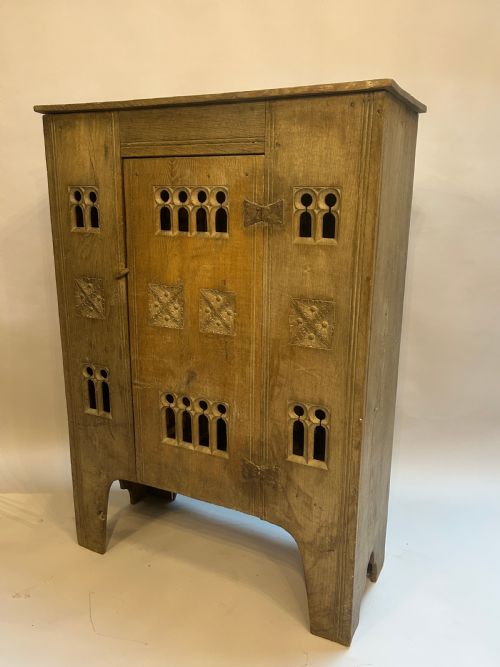
A hand carved wooden cabinet encompasses diverse forms including sideboards, dowry chests, buffets and tall cupboards. Buyers searching for a hand carved wooden cabinet encounter regional variants ranging from Anglo-Indian and Burmese pieces to French tramp art and Qing dynasty lacquer work.
The selection leans heavily toward nineteenth-century origins, featuring nineteenth-century and Victorian pieces alongside later twentieth-century examples dated around nineteen hundred or nineteen thirty. Forms vary from low sideboards to towering shelved cupboards and cabinets on stands.
Storage solutions on this page serve multiple domestic functions, functioning as decorative cabinets, armoires or specific utility units. The construction methods reflect both formal colonial workshops and vernacular folk traditions.
How they were made
Makers utilised dense exotic timbers such as padouk wood, teak, rosewood, walnut and oak to support deep relief carving. These sturdy woods allow intricate floral and geometric motifs to retain crisp edges over centuries of handling.
Surface treatments introduce contrasting textures through paint, inlaid black lacquer and pokerwork floral embellishments. Iron hardware often secures heavy doors and structural joints on larger sideboards and dowry chests.
Listings feature woods including teak, padouk, rosewood, walnut and oak, alongside painted and lacquered surfaces.
What varies in quality
The depth and precision of the chisel work dictate the sculptural distinction of each piece, distinguishing flat surface scoring from deeply undercut foliage and figures. Dense padouk and teak surfaces display sharper carved transitions than softer timbers.
Cohesion between the structural carcass and the decorative elements separates standard vernacular items from exceptional colonial or revival commissions. Integrated hardware and well-fitted doors indicate higher standards of regional joinery.
The Hand Carved Wooden Cabinet Glossary
- Padouk
- A heavy, durable tropical hardwood with a reddish hue that darkens with age. It provides a stable base for fine carving.
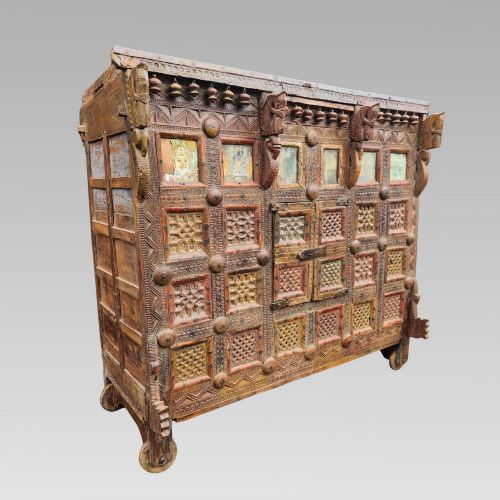
- Damchiya
- A traditional Indian dowry chest or storage cabinet featuring low profiles and heavy front carving. These pieces often incorporate hidden compartments.
- Pokerwork
- A decorative technique using heated metal tools to burn designs into wood surfaces. It creates dark, detailed floral or geometric patterns.
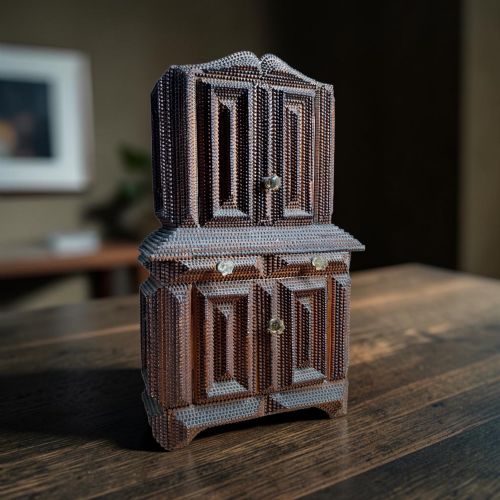
- Tramp art
- A folk art style created by self-taught makers using notched, chipped and layered scrap wood. Pieces include small buffets and decorative cabinets.
- Anglo-Indian
- A descriptive term for furniture made in India during British rule, combining British cabinet forms with local carving traditions.
Hand Carved Wooden Cabinet: Frequently Asked Questions
What is an Anglo-Indian cabinet?
An Anglo-Indian cabinet combines British furniture shapes with traditional Indian carving techniques. These pieces were typically produced during the nineteenth century for colonial officials or export markets.
They often utilise dense tropical timbers such as padouk and teak, featuring elaborate floral or figural relief work across the doors and panels.
How do I date a wooden cabinet?
Dating relies on timber selection, construction methods, and stylistic markers recorded in the titles. Nineteenth-century examples frequently show hand-cut joinery and dense exotic woods like rosewood or padouk.
Later pieces from the twentieth century introduce painted finishes, simpler pine structures, or specific revival styles like Pre-Raphaelite motifs.
Where were dowry chests used?
Dowry chests originated in households across the Indian subcontinent as essential storage for a bride's belongings. These robust containers held textiles, valuables, and household goods.
Their heavy construction and elaborate carving reflected the social standing of the family providing the dowry.
What is tramp art furniture?
Tramp art is a form of folk art where makers carved geometric chip-carved patterns into salvaged wood. Small buffets and table cabinets in this style date primarily to the nineteenth century.
Individual blocks of wood were whittled and layered to build up textured surfaces without the use of metal fixings.
How do I care for antique wood?
Antique carved wood requires stable indoor humidity away from direct heat sources to prevent timber splitting. Regular dusting with a soft, dry cloth preserves the finish without a buildup of wax.
Avoid commercial polishes that can sink into deep chisel grooves and attract dust to the intricate carved details.