


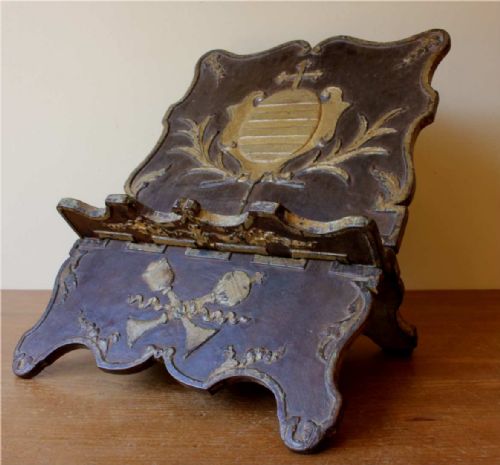
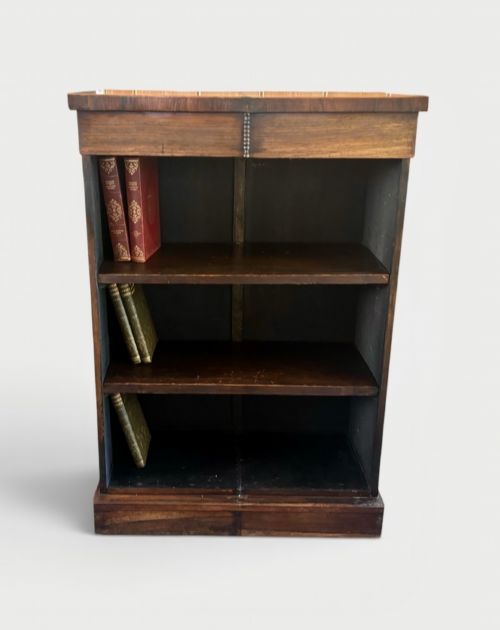
Dark Wood Bookstand
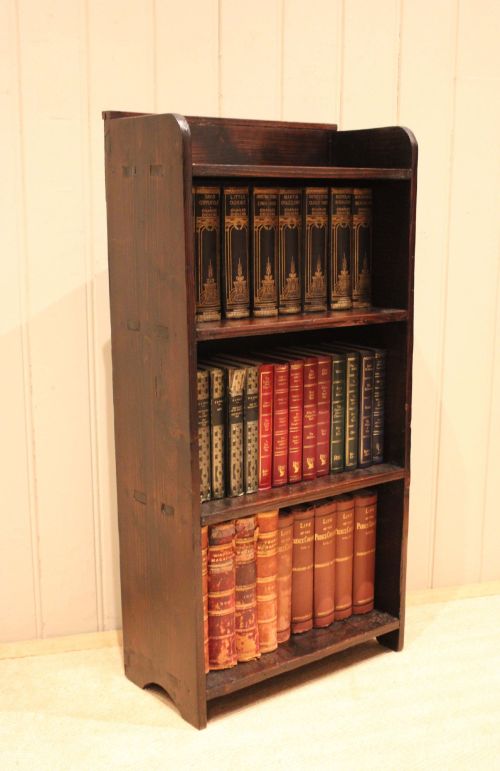
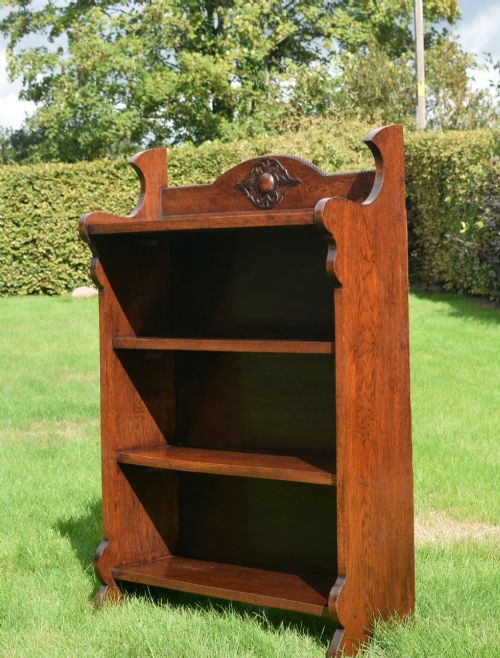
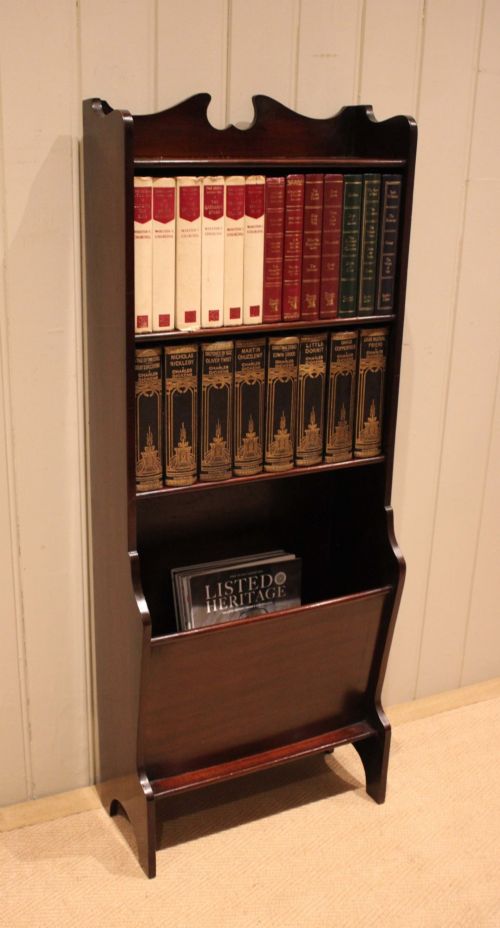
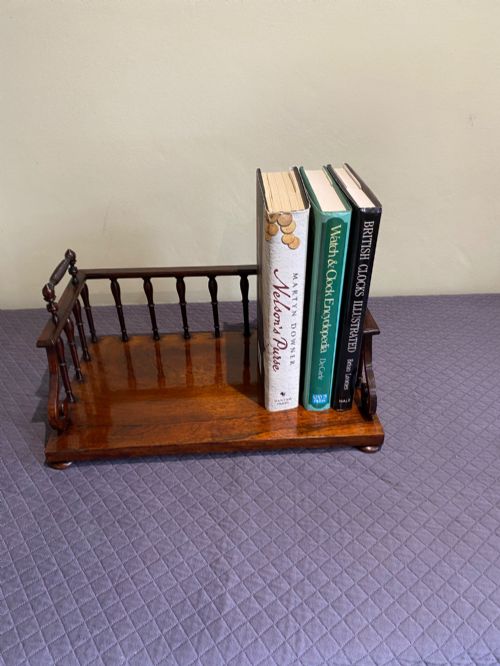
A dark wood bookstand organises a room with rich grain and steady utility, spanning revolving shelves, reading lecterns and tiered magazine holders.

What these pieces are
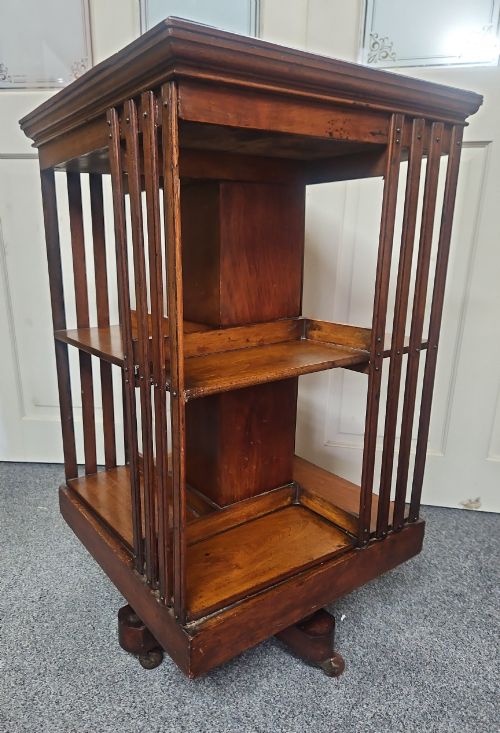
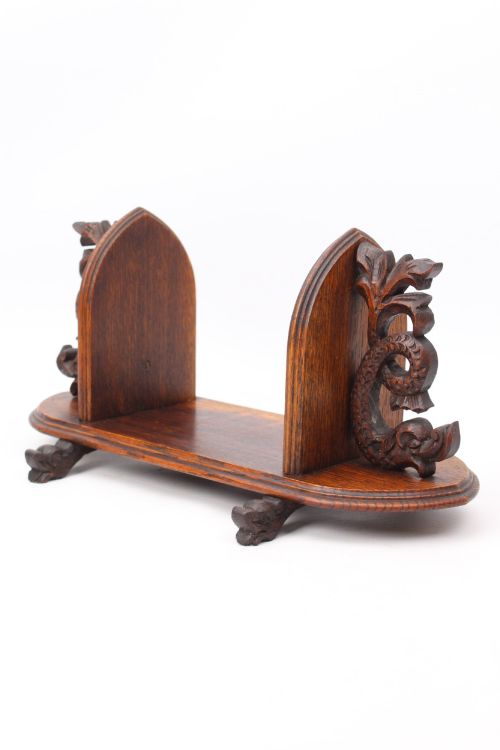
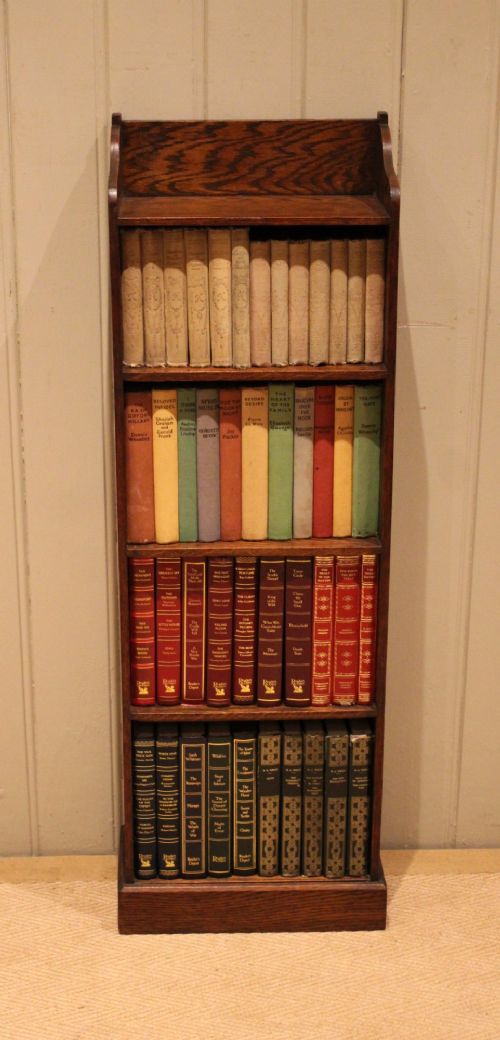
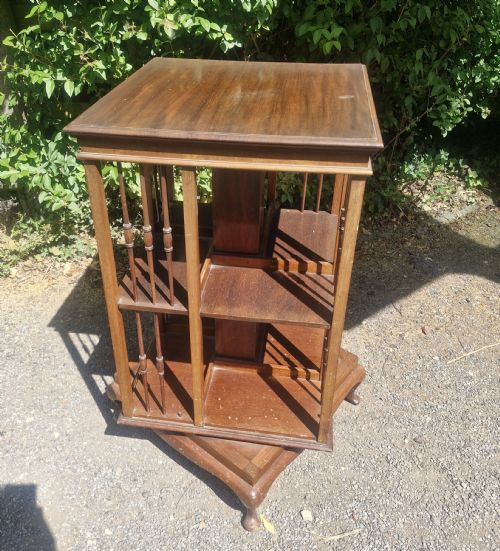
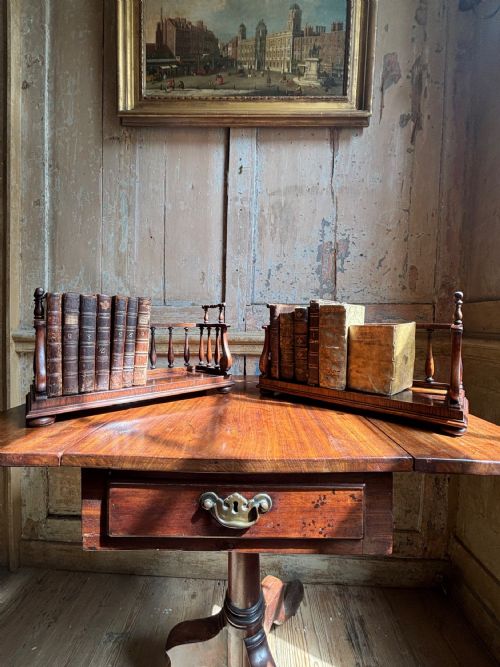
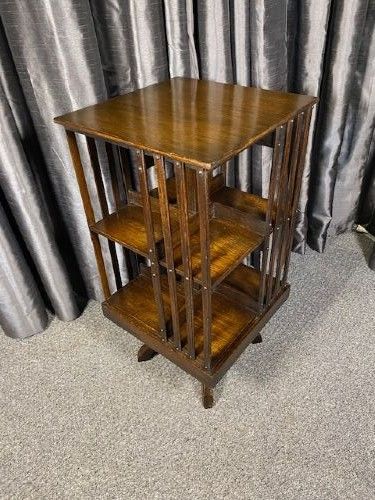
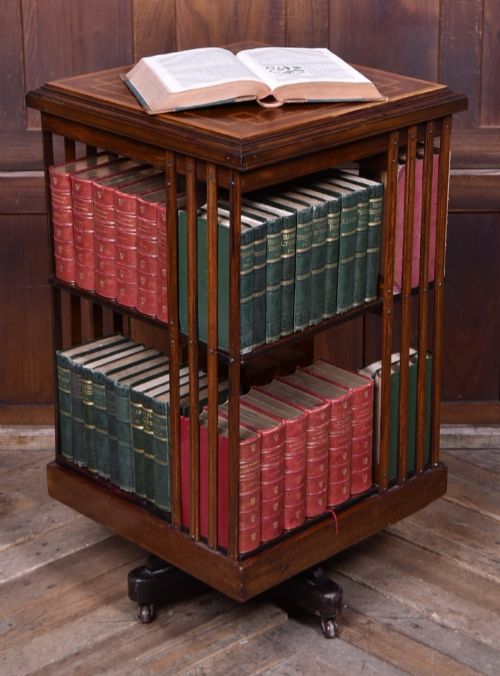
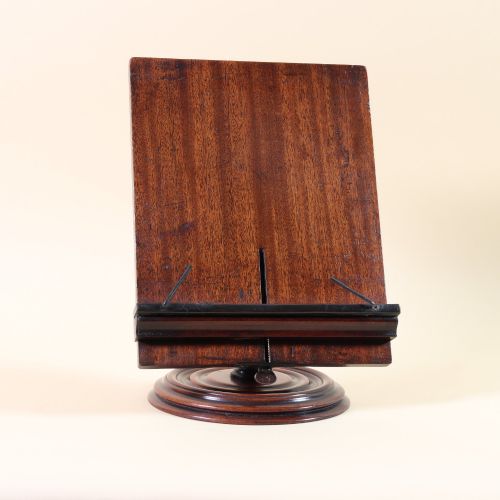
The dark wood bookstand category encompasses a varied selection of reading furniture and display pieces found across several historic periods. Buyers encounter formats ranging from revolving mahogany bookcases to heavy oak lecterns and inlaid magazine stands.
Edwardian revolving models dominate the available selection, frequently shaped from mahogany or walnut for tabletop or floor placement. Alongside these, 18th century carved oak lecterns and late Victorian mother-of-pearl inlaid magazine stands appear.
Origins stretch from English workshops to Italian studios and Anglo-Indian makers. Forms include standard bookstands, rotating rotary designs and figural lecterns depicting birds.
How they were made
Construction relies heavily on traditional hardwoods such as oak, walnut and mahogany, chosen for strength and deep natural colour. Metal and iron mechanisms support the moving parts of rotary bookstands.
Decoration incorporates contrasting materials, including mother-of-pearl inlay and gilt highlights on timber surfaces. Skilled carving shapes figurative elements like eagles with outstretched wings on early lecterns.
Retail Price Guide 2026
Typical UK retail prices for dark wood bookstand, calculated from the Sellingantiques database of over a million retail prices indexed since 2003. This retail price guide relies exclusively on Sellingantiques data; no external sources or auction records are used, so the figures do not describe the wider market.
The listings span five distinct periods, led by Edwardian and late nineteenth-century examples alongside eighteenth-century items.
What varies in quality
Quality rests in the precision of the rotating mechanism and the integrity of the timber joints. Smooth movement in a revolving bookcase distinguishes superior examples from stiffer counterparts.
The sophistication of surface ornamentation sets tiers of craftsmanship apart, from plain polished mahogany to intricate mother-of-pearl inlay and deep figural wood carving.
The Dark Wood Bookstand Glossary
- Revolving bookcase
- A rotating shelving unit designed to hold volumes on multiple sides for easy access. These rotate smoothly on internal wooden or metal pivots.
- Lectern
- A slanted reading stand designed to hold books or manuscripts at a comfortable angle for a speaker or reader. Frequently found in carved oak from earlier centuries.
- Magazine stand
- A freestanding or tabletop holder specifically constructed for periodicals and papers. Victorian examples often feature decorative inlay.
- Rotary bookstand
- An alternative term for a rotating tabletop or floor-standing book holder. These save space while keeping multiple reference volumes close at hand.
Frequently Asked Questions
How do revolving bookstands work?
These units rest upon a concealed central pivot or ball-bearing mechanism hidden beneath the base. This allows the entire set of shelves to spin effortlessly for volume selection.
Most revolving designs balance the weight evenly across four sides to maintain stability during rotation.
What woods are most common?
Mahogany, oak and walnut form the primary structural timbers across the selection. Dark finishes highlight the natural grain patterns of these heavy hardwoods.
Some pieces incorporate secondary metals or brass details to reinforce joints and corners.
Are lecterns used for reading?
Historic lecterns served primarily to hold heavy folios, Bibles or reference texts at a readable slant. The angled surface supports the spine of large volumes during consultation.
Carved examples often feature symbolic figures such as eagles supporting the reading desk.
How do I date an Edwardian piece?
Edwardian items date from the reign of King Edward VII between nineteen-hundred and nineteen-ten. Furniture from this era often reinterprets earlier Georgian mahogany styles with lighter proportions.
Construction techniques combine machine precision with traditional hand-finishing.