
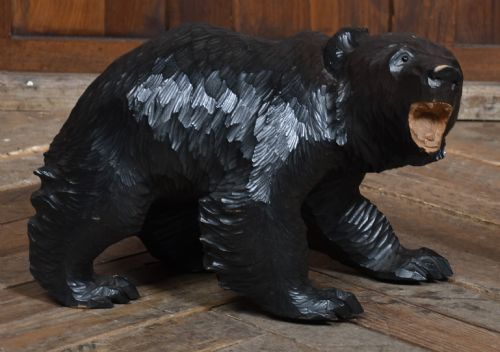


Dark Wood Bear Sculpture
A dark wood bear sculpture brings robust folk art character into a room through confident carving and rich natural grain.

What a dark wood bear sculpture is
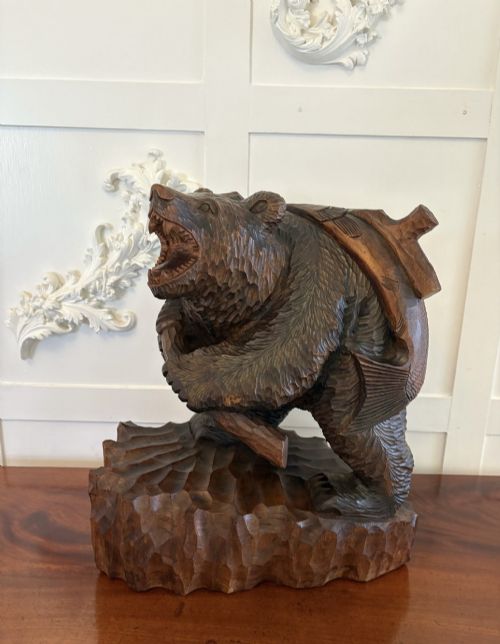
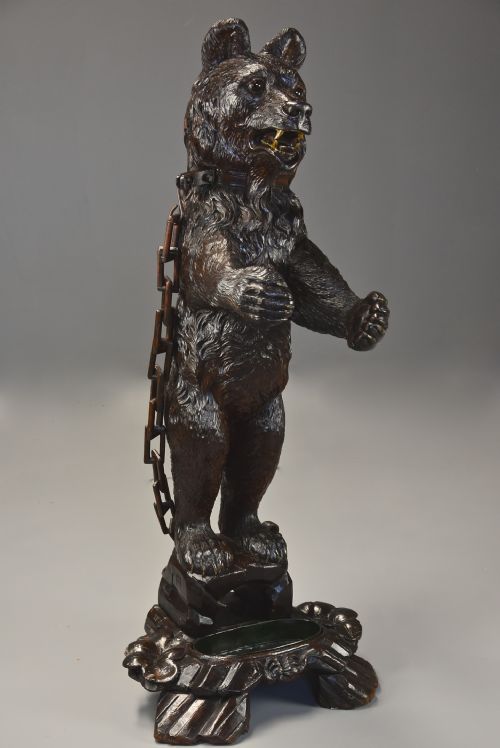
When you search for a dark wood bear sculpture, you are looking at tactile folk art figures depicting bears in various postures, often carrying fish or rendered in lifelike stances. These works span the nineteenth century and around nineteen hundred, uniting traditional carving traditions with striking naturalistic forms.
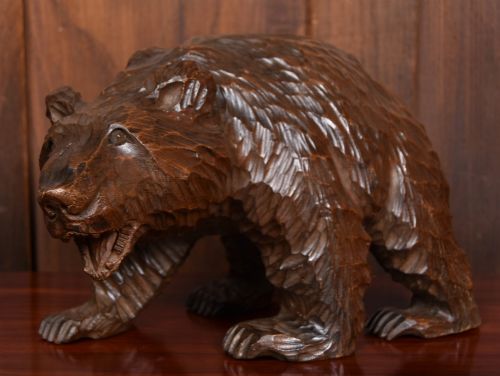
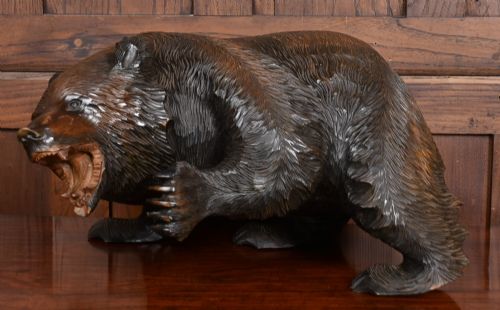
The versions you are most likely to meet on this page originate from Japanese traditions, specifically identified as Kibori Kuma. These pieces range from large Edwardian examples down to hand-carved nineteenth century statuettes, capturing the distinct personality of each animal.
Makers focused on realistic anatomy combined with expressive textures, utilising the natural dark tones of the timber to accentuate muscle and fur. Each sculpture functions as both a decorative centrepiece and a tangible link to historical carving craft.
How they were made
Artisans carved these sculptures from linden wood and other hardwoods using chisels and gouges to shape the dense material. The choice of timber provided a stable medium capable of holding fine details while retaining strength across the limbs and head.
Surfaces were finished with stain and wax to enrich the natural grain and protect the wood over time. This treatment deepens the dark colouration and adds a subtle sheen that highlights the hand-carved textures of the fur.
Retail Price Guide 2026
Typical UK retail prices for dark wood bear sculpture, calculated from the Sellingantiques database of over a million retail prices indexed since 2003. This retail price guide relies exclusively on Sellingantiques data; no external sources or auction records are used, so the figures do not describe the wider market.
What varies in quality
The distinction between ordinary and exceptional pieces lies in the precision of the carving and the vitality of the pose. Superior sculptures exhibit a careful attention to anatomical detail, where the fur texture and facial expression feel convincing rather than mechanical.
Proportion and scale also dictate the character of the piece, with larger works demanding greater technical skill from the carver to maintain structural balance. The depth of the finish, achieved through quality wax and stain application, further separates standard items from those with a richer visual presence.
The Dark Wood Bear Sculpture Glossary
- Kibori Kuma
- A traditional style of Japanese wood-carved bear originating from Hokkaido. These figures are celebrated for their expressive detailing and folk art charm.
- Linden Wood
- A pale timber frequently utilised for intricate carving due to its fine, even grain. It takes dark stains and wax finishes particularly well.
- Folk Art
- Objects created by self-taught or traditional artisans for everyday use or display. These pieces emphasise functional beauty and cultural narrative over academic academicism.
- Stain
- A liquid colourant applied to wood to alter or enhance its natural hue. It penetrates the fibres to deepen the tone before finishing.
Frequently Asked Questions
How should I clean my wooden bear?
Dust the sculpture gently with a soft, dry cloth to remove surface particles. Avoid using water or modern chemical polishes which can damage the historic wax finish.
Applying a modest amount of natural beeswax occasionally will help nourish the timber and maintain its subtle sheen.
Are these sculptures solid wood?
Yes, these figures are carved from solid blocks of timber such as linden wood or hardwood. The solid construction gives them a satisfying weight and durability.
Working from a single piece of wood allowed carvers to shape the entire form without relying on glued joints.
How do I date an antique bear?
Dating relies on examining the tool marks left by the carver, the wear of the wood, and the composition of the wax or stain finish. Nineteenth-century examples often display distinct hand-chiselled textures.
Comparing the styling and proportions to documented folk art traditions also helps establish the approximate period.