




Dark Wood Asian Cabinet
A dark wood asian cabinet brings substantial storage and distinct regional character to a room, spanning Chinese apothecary chests and Japanese tansu forms.
Dark Wood Asian Cabinet
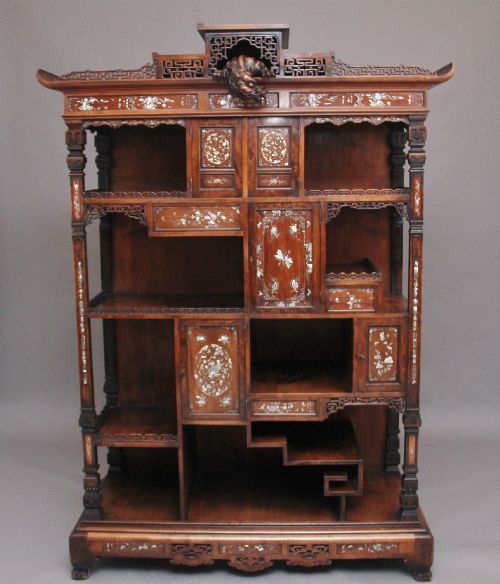
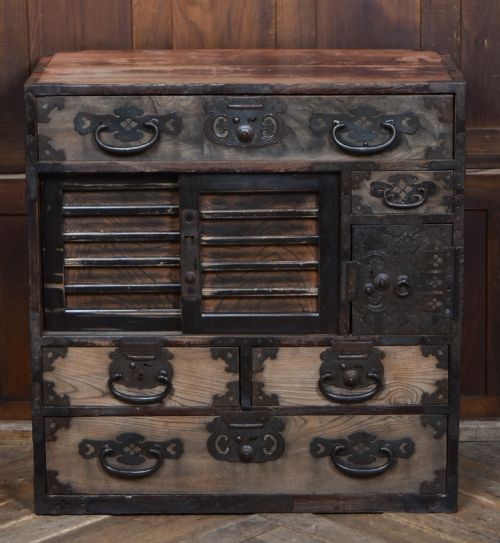
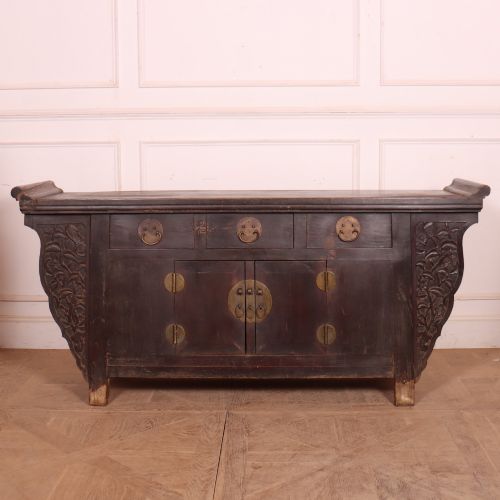
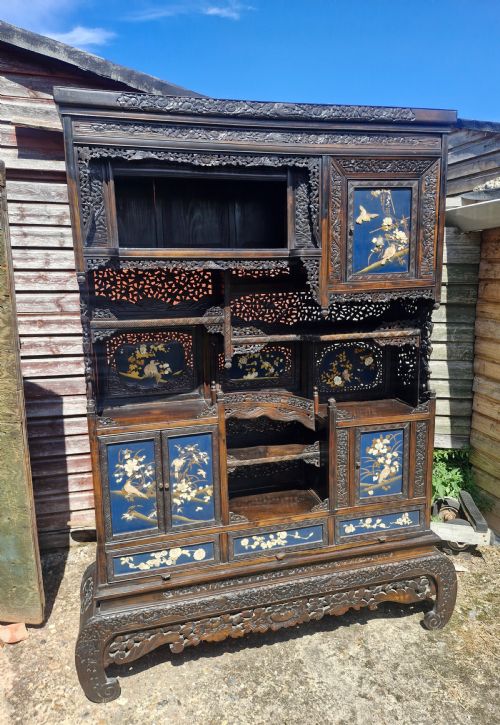
When you search for a dark wood asian cabinet, you encounter a diverse range of forms originating from China, Japan and Korea across the eighteenth, nineteenth and early twentieth centuries. These pieces encompass utilitarian storage vessels such as multi-drawer apothecary chests and merchant tansu boxes, alongside formal display cabinets and glazed bookcases.
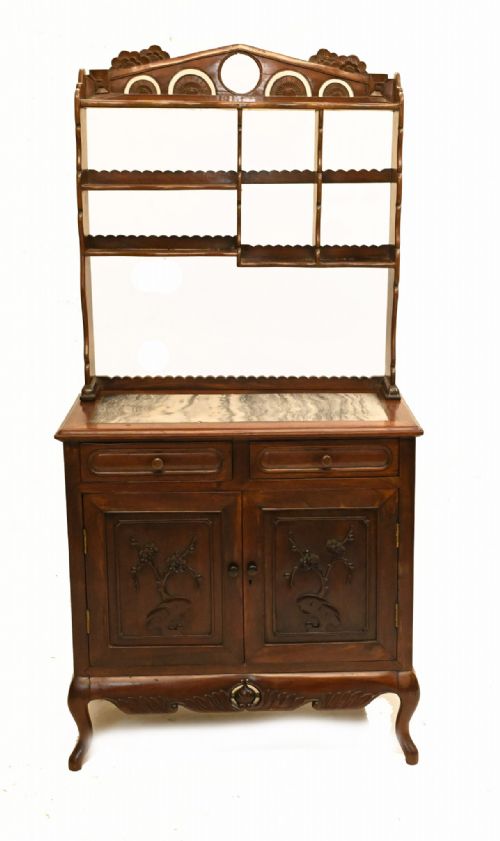
The selection on this page relies heavily on nineteenth-century examples, supplemented by pieces from the Meiji period, Qing dynasty, and early twentieth-century Republic and Taisho eras. You will frequently find functional items adapted for modern interiors, including sideboards, cupboards, and paired floor cabinets.
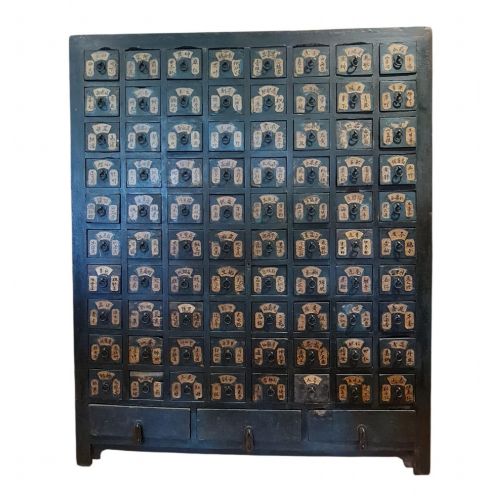
Regional variations define the construction and aesthetic, from Shanxi elm apothecary chests with numerous small drawers to Japanese keyaki and cedar tansu chests designed for travel and domestic organisation. Each object reflects the specific craft traditions and material availability of its particular geographic origin.
Materials and construction methods
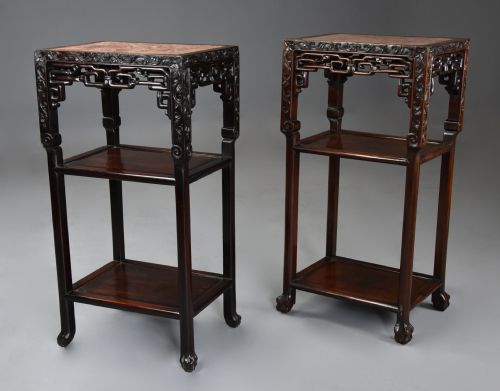
Construction relies on traditional dense timbers such as Chinese elm, hongmu, zitan, and rosewood, paired with lighter Japanese keyaki, cedar, and elm veneer. Cabinetmakers utilised precise joinery techniques to accommodate seasonal wood movement without relying on modern metal fasteners.
Surface finishes range from clear applications that highlight the natural grain of hardwood to dark lacquer and ebonised treatments. Metal hardware, particularly forged iron and brass hinges, lock plates, and corner brackets, provides structural reinforcement while serving a decorative function.
Listings feature woods spanning elm, hardwood, cedar, lacquer, marble, and iron across the nineteenth and early twentieth centuries.
Distinguishing quality in these cabinets
Superior examples demonstrate crisp hand-carving and meticulous attention to detail in the joinery, particularly where panels meet and drawers operate smoothly within their housings. The choice of primary timber heavily influences the grade, with dense hardwoods like zitan and hongmu representing a higher tier of craftsmanship than softer utility woods.
Original hardware and fittings preserved in good condition elevate a piece significantly, as replacement hinges or modern handles diminish historical integrity. The complexity of the internal layout, such as eighty-drawer apothecary configurations or intricate shodana shelving tiers, marks the distinction between standard utilitarian production and master workshops.
The Dark Wood Asian Cabinet Glossary
- Tansu
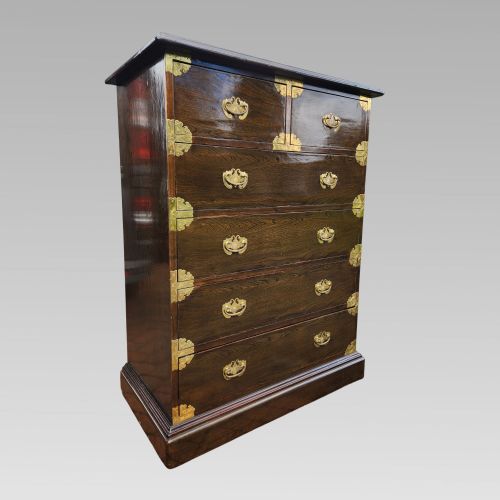
- A traditional Japanese mobile chest of drawers utilised for domestic storage, featuring iron or brass mounts. These pieces were built in sections for ease of transport.
- Shodana
- A Japanese display cabinet or shelving unit designed for ornamental objects, often featuring staggered compartments and sliding doors. They frequently date to the Meiji and Taisho periods.
- Apothecary cabinet
- A partitioned chest containing numerous small drawers originally intended for medicinal herbs and dried ingredients. Shanxi province examples in elm are well represented.
- Hongmu
- A translation meaning red wood, referring to a category of dense, dark tropical hardwoods used in fine Chinese furniture production. It holds a high polish and resists wear.
- Keyaki
- Japanese zelkova wood, valued for its prominent grain pattern and durability. Cabinetmakers utilised it extensively for the fronts and structural elements of tansu chests.
Dark Wood Asian Cabinet: Frequently Asked Questions
What is a tansu chest used for?
A tansu chest served as a portable storage unit for clothing, documents, and household goods in traditional Japanese homes. The inclusion of heavy iron handles facilitated movement between rooms or during fires.
Today, these chests function effectively as bedside tables, hallway storage, or accent pieces in living spaces, providing compartmentalised organisation.
How do I identify a Chinese apothecary cabinet?
Chinese apothecary cabinets are characterised by banks of numerous small drawers, each traditionally labelled to identify specific medicinal ingredients. They often feature elm construction and regional iron pull handles.
These cabinets offer unique vertical or horizontal storage solutions well-suited for contemporary kitchens, studies, or living rooms.
What is the difference between a shodana and a display cabinet?
A shodana is a specific Japanese term for a display cabinet featuring asymmetrical shelving tiers, sliding doors, and small compartments. Western display cabinets typically feature symmetrical glazed doors and fixed vertical shelving.
Both forms were designed to showcase ceramics, bronzes, and scholarly objects within the home.
Which woods were commonly used for these cabinets?
Cabinetmakers utilised a variety of regional timbers, including dense Chinese hardwoods like hongmu, zitan, and rosewood, alongside more accessible woods like elm and camphor. Japanese makers favoured keyaki zelkova and cedar for tansu construction.
Each wood dictates the weight, grain pattern, and overall finish of the finished cabinet.
How do I date a nineteenth century cabinet?
Dating relies on examining construction methods, tool marks, wood shrinkage, and the style of decorative brass or iron hardware. Nineteenth century pieces often show hand-cut joinery and period-specific Qing dynasty or Meiji decorative motifs.
Comparing the timber patina and internal lining helps confirm the era of manufacture.