

Dark Wood Art
These pieces under dark wood art span centuries of furniture, paintings and carved woodwork, offering rich tones and tactile craftsmanship that anchor any room.
Dark Wood Art
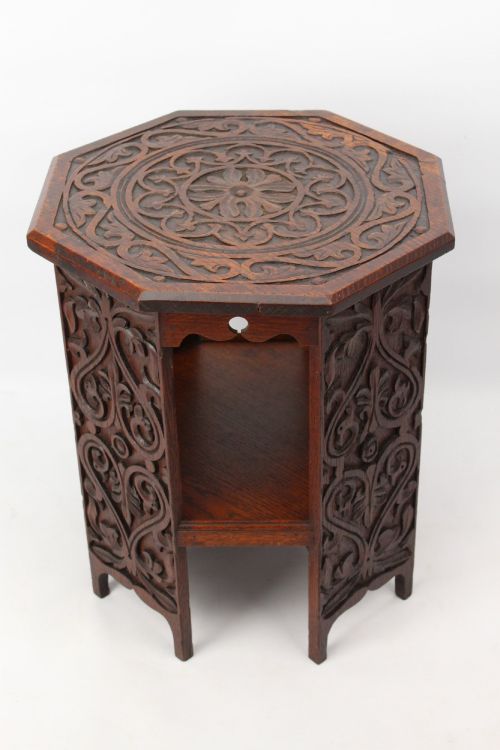
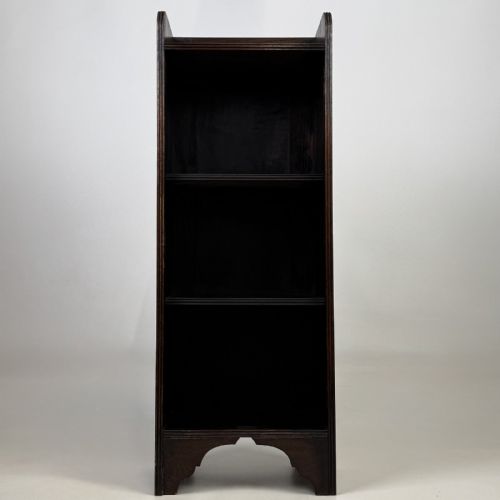
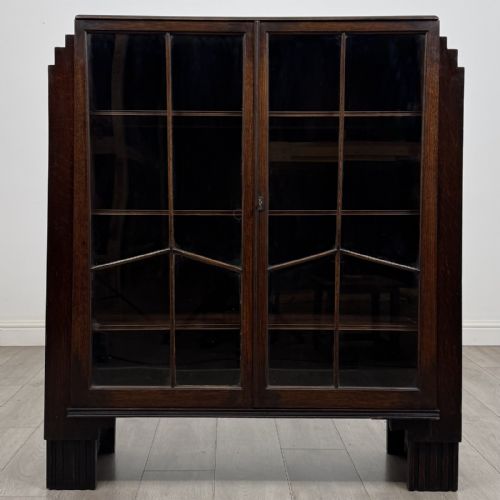
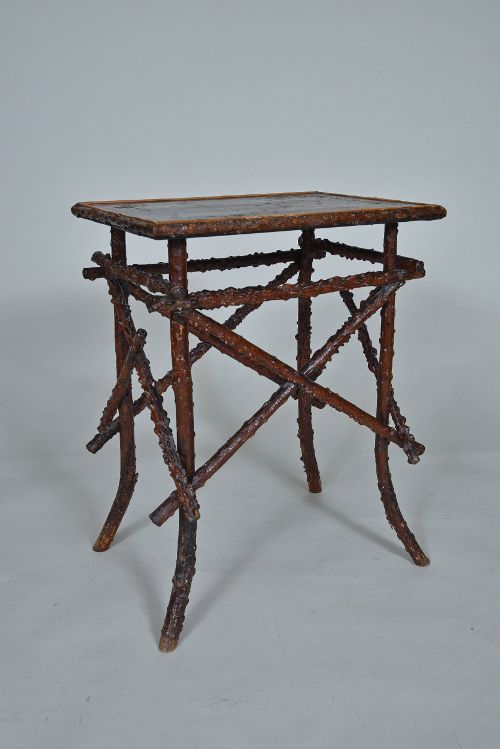
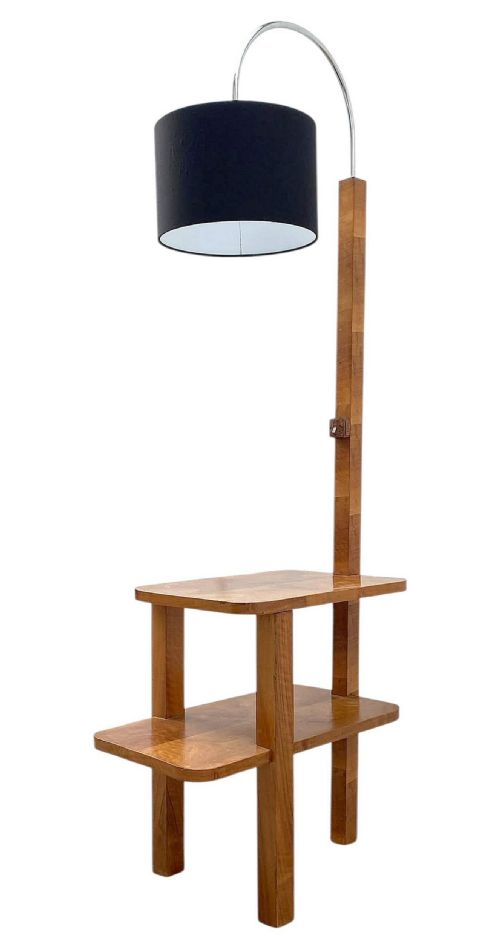
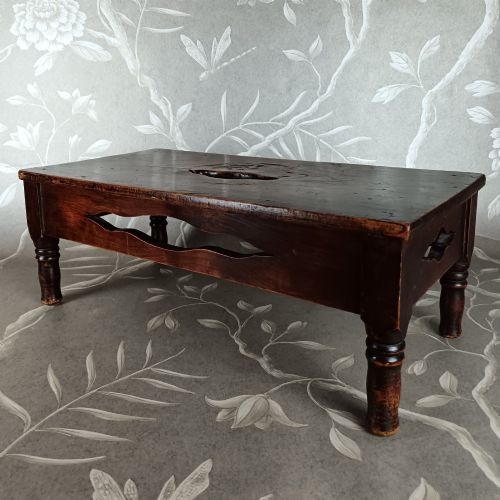
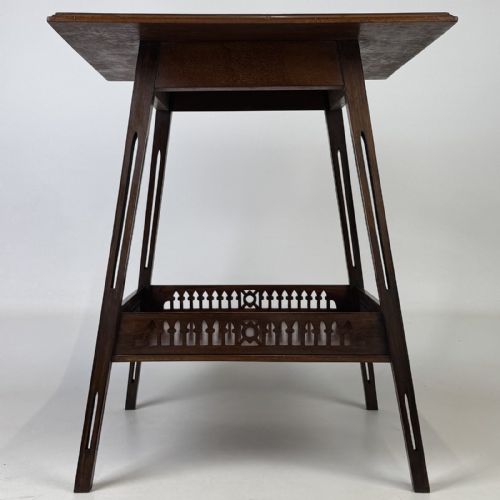
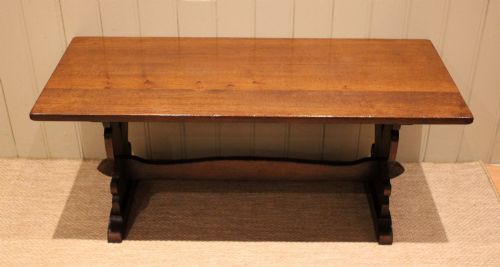
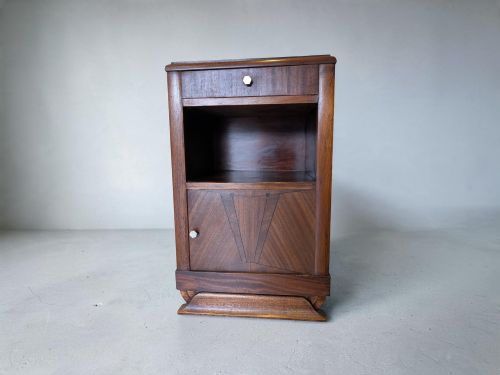
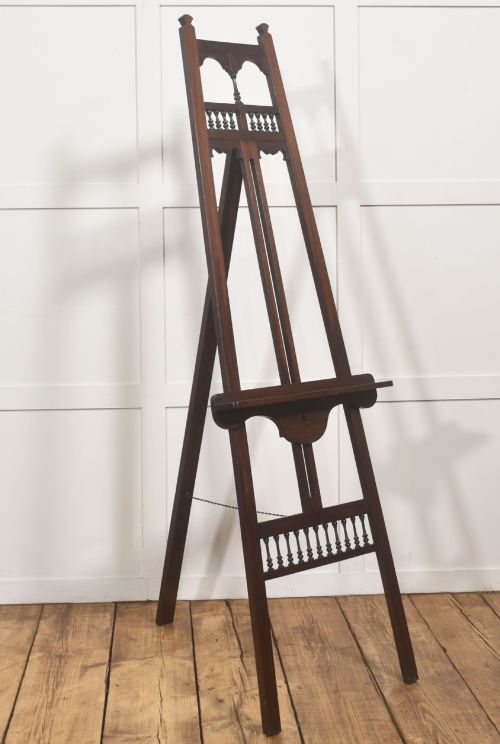
Dark wood art brings together substantial timber furnishings and framed visual works spanning from the Tudor period through the Arts and Crafts movement, Art Nouveau and Art Deco. Buyers seeking this phrase encounter a diverse assortment of sideboards, occasional tables, bookcases, oil paintings, and intricate wall carvings.
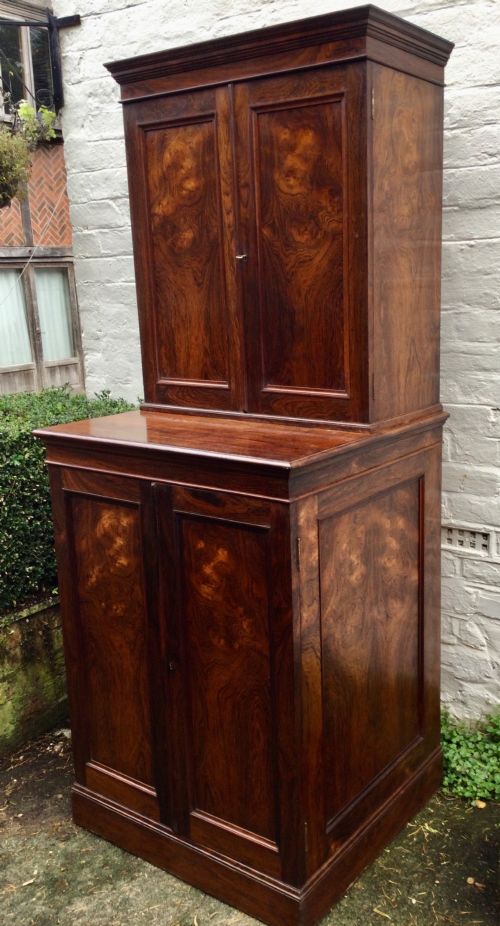
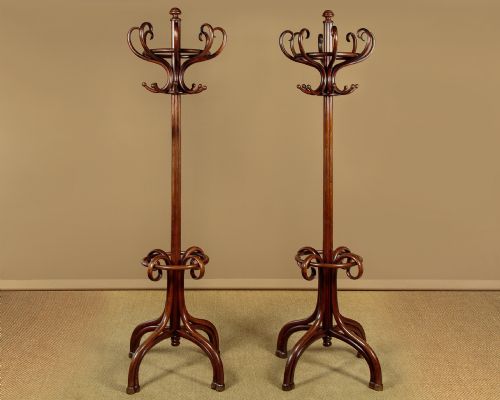
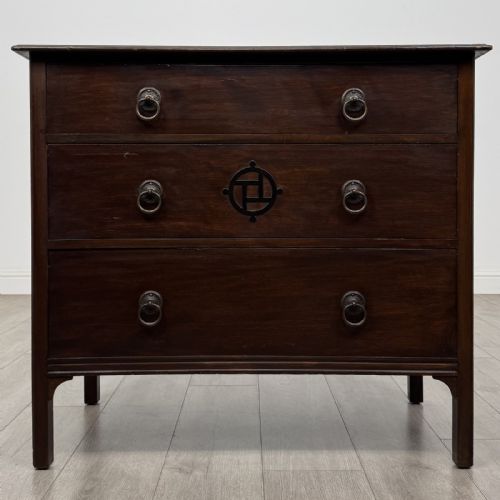
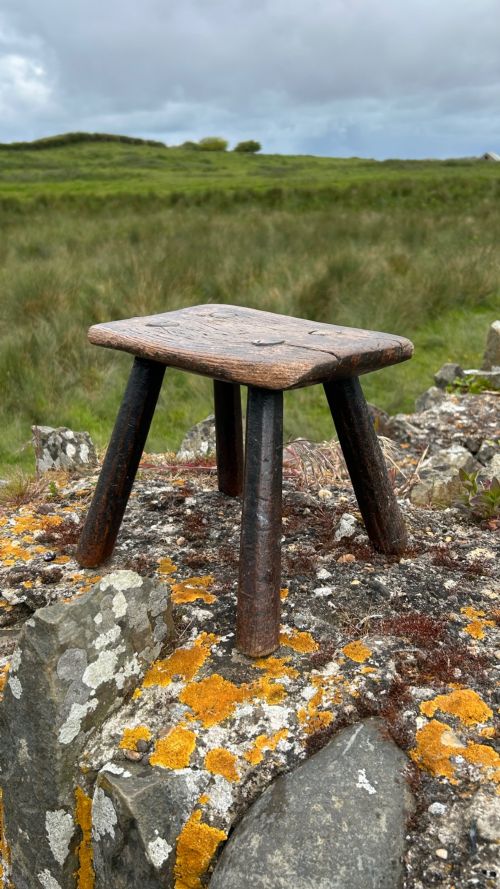
Oak and mahogany dominate the offerings, appearing alongside walnut, beech, elm and rosewood in pieces like hallstands, chests of drawers, display cabinets and stools. Works range from utilitarian country items to sophisticated atelier designs produced by prominent retailers and makers.
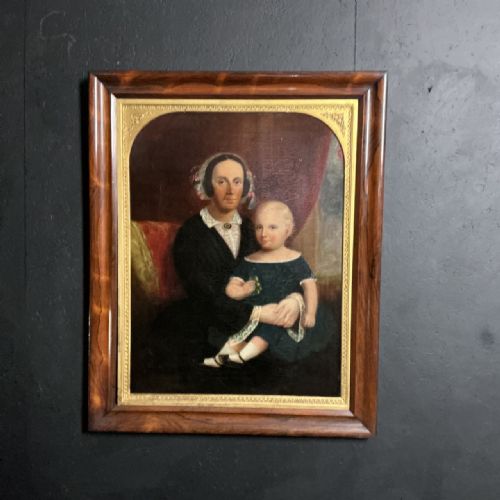
The aesthetic leans heavily toward dark, patinated surfaces, whether in solid timber furniture, carved panels or oil on canvas portraits. Pieces frequently showcase historical revivals such as Gothic, Jacobean and Renaissance styles executed with regional character.
How they were made
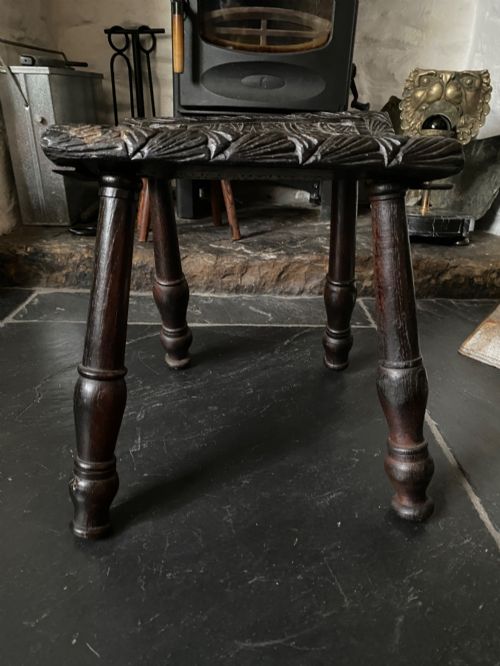
Cabinetmakers and joiners utilised dense timbers like oak, mahogany and walnut, shaping them through traditional joinery, steam bending for bentwood items, and extensive hand carving. Surfaces display varied techniques including pyrography, turning, and applied mouldings.
Fine art components rely on oil on canvas painting, ink drawing, and printed broadsides on paper, often paired with heavy wooden frames, gilt bronze mounts or glass elements. Carved panels and decorative elements employ relief work to accentuate the grain and depth of the timber.
Dark Wood Art Retail Price Guide 2026
Typical asking prices for dark wood art among the pieces listed under this phrase on Sellingantiques today, from the lower quarter to the upper quarter. They describe what is for sale here now, not the wider market.
Listings feature items spanning from the sixteenth century through the mid-twentieth century, including oak, mahogany, glass, brass, canvas, beech, and paper.
What varies in quality
Quality rests upon the integrity of the timber selection, the depth and precision of hand carving, and the fidelity of period stylistic execution. Pieces designed by documented makers or retailers exhibit superior proportion and refined detailing compared to generic workshop output.
The depth of natural patina and the preservation of original surfaces distinguish superior examples. Subtleties in joint construction, the crispness of decorative motifs like floral carving or green man imagery, and the quality of associated brass or bronze mounts separate standard items from finer works.
Thonet·Cornelius Johnson·Liberty & Co·Leonard Wyburd·John Moyr Smith·Bulstrode Cambridge·Bernardino Luini·Hans Holbein
The Dark Wood Art Glossary
- Arts & Crafts
- A design movement prioritising traditional craftsmanship, simple forms and vernacular materials. It emerged in the late nineteenth century as a reaction against mass production.
- Bentwood
- Wood that has been heated, often with steam, and bent into curved shapes. This technique defines notable hallstands and seating.
- Pyrography
- The art of decorating wood or other materials with burn marks using a heated tool. It appears on decorative occasional tables from the nineteenth century.
- Purdonium
- A specialised piece of furniture designed to store coal near a fireplace, typically featuring a hinged front and a shovel compartment.
- Sgabello
- A light, wooden, three-legged chair with a high back and a tapered panel for legs, originating in the Italian Renaissance.
- Apotropaic mark
- A sign carved into wood or stone to ward off evil spirits and protect the inhabitants from misfortune.
Dark Wood Art: Frequently Asked Questions
What defines dark wood art?
Dark wood art encompasses furniture, decorative carvings, and paintings united by deep timber tones and historical craftsmanship. These items range from utility pieces like bookcases and sideboards to fine oil paintings and detailed wood panels.
Items span multiple centuries, reflecting evolving tastes from Tudor folk art and Jacobean portraiture to Arts and Crafts simplicity and Art Nouveau elegance. The unifying element is the rich, patinated medium of dark timber and traditional visual arts.
How do I care for dark timber furniture?
Protect antique dark wood pieces by keeping them away from direct sunlight and sudden temperature shifts, which can dry out the timber and cause splitting. Dust regularly with a soft, dry cloth and avoid modern silicone polishes.
Apply high quality beeswax sparingly to nourish the grain and maintain the natural patina built up over decades or centuries. Gentle care preserves both the structural integrity and the surface depth of the wood.
Where were these pieces originally used?
Furniture such as sideboards, occasional tables and settles served functional roles in domestic interiors, hallways and libraries across Britain and continental Europe. Wall art and oil portraits hung in formal rooms, country houses and institutional spaces.
Items like hallstands and purdoniums fulfilled specific daily tasks in entrance halls and hearthside settings. Their placement reflected the social habits and domestic organisation of their respective periods.
How can I tell different periods apart?
Distinguishing periods relies on observing shifts in decorative motifs, construction methods, and stylistic influences. Pieces from the sixteenth and seventeenth centuries display heavy oak construction and folk art carvings, while nineteenth century works often incorporate Gothic Revival or Aesthetic Movement details.
Later Victorian and Edwardian items frequently show the hand of specific retailers or designers influenced by the Arts and Crafts ethos. Examining joinery techniques and hardware alongside stylistic traits clarifies the era of production.