


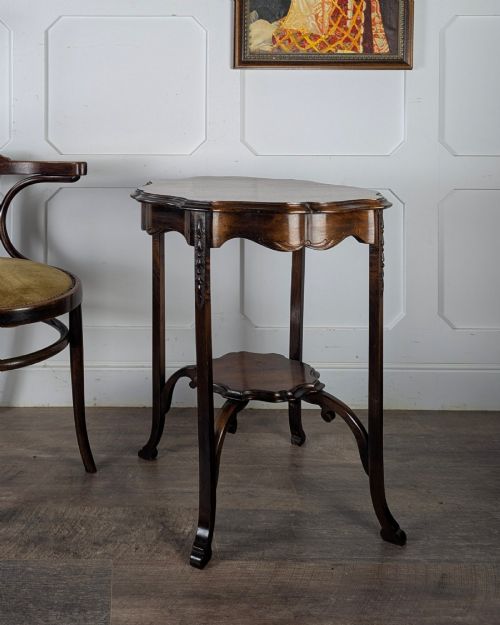
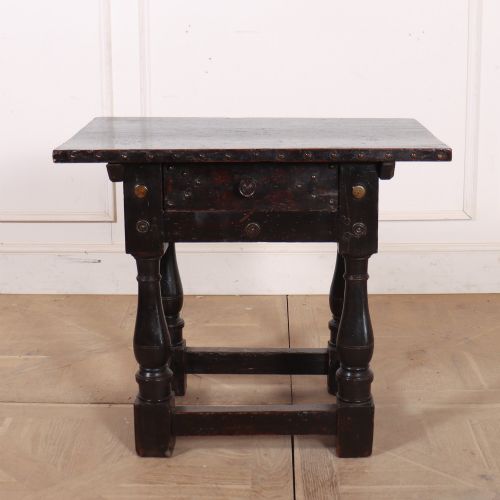
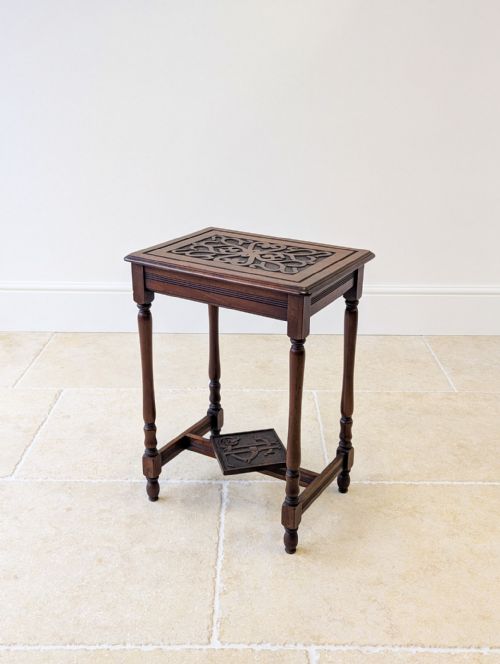
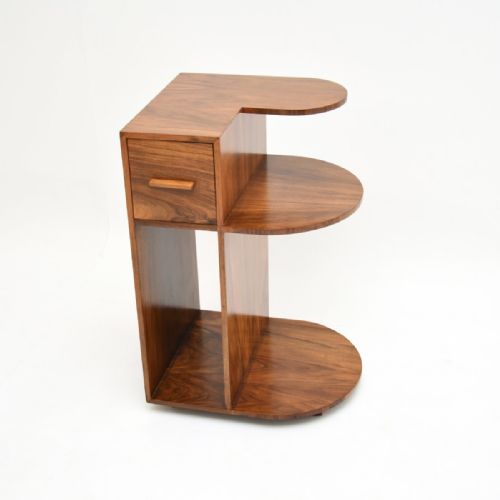

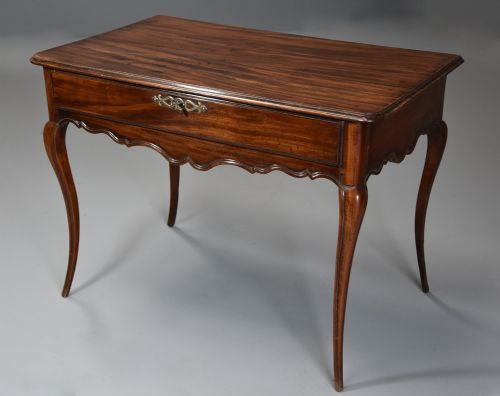
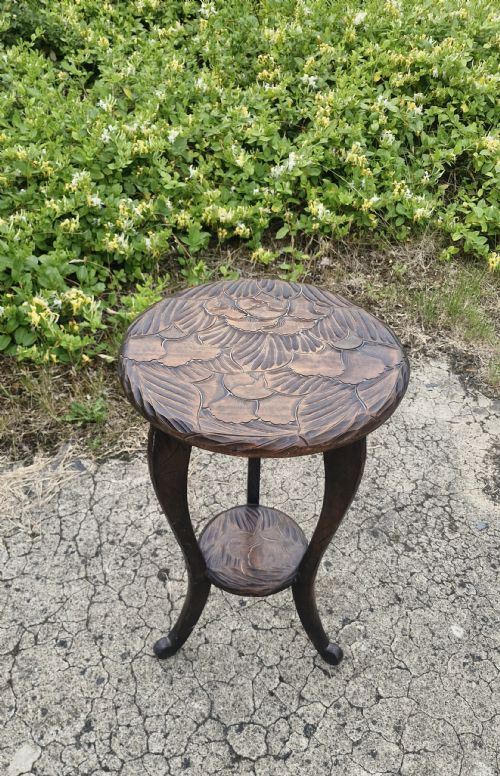
Dark Walnut Lamp Table
A dark walnut lamp table brings rich timber grain and steady utility to a corner, serving as a steadfast surface for lighting.
Dark Walnut Lamp Table
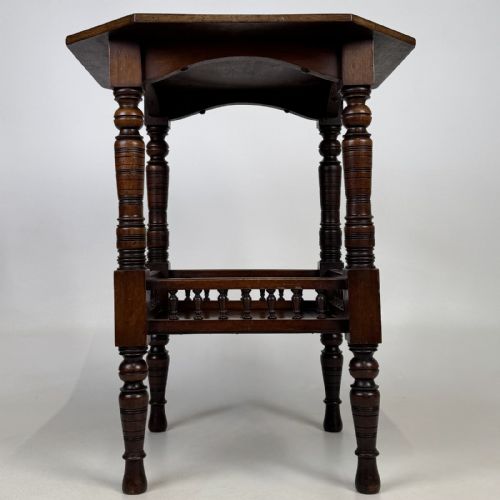
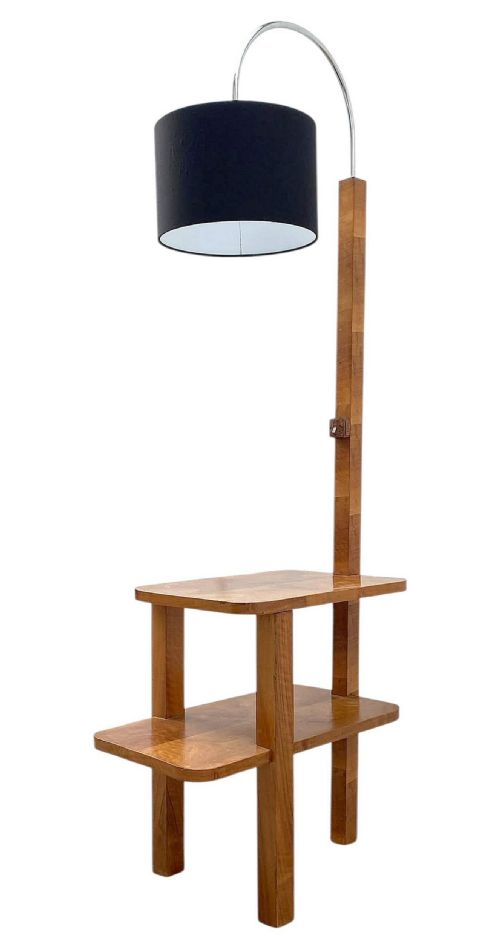
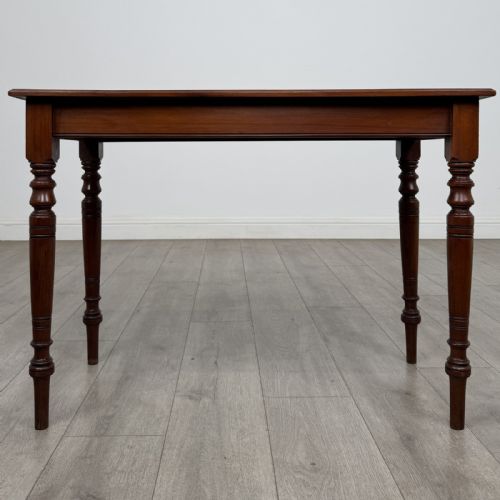
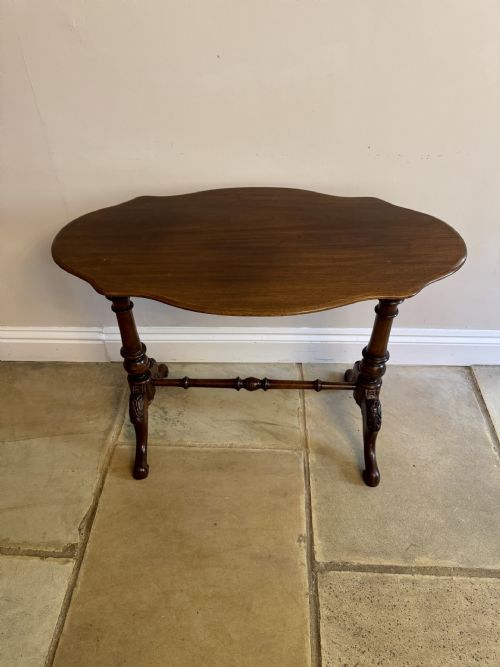
A dark walnut lamp table is a compact surface designed to hold lighting or display decorative items within a room. These pieces appear frequently in Victorian and later formats, functioning as side tables, occasional tables, or bedside stands.
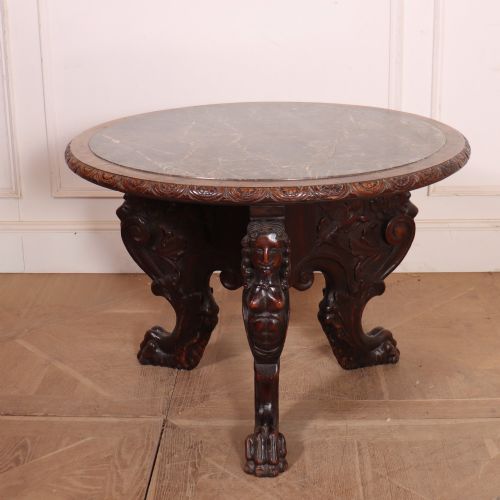
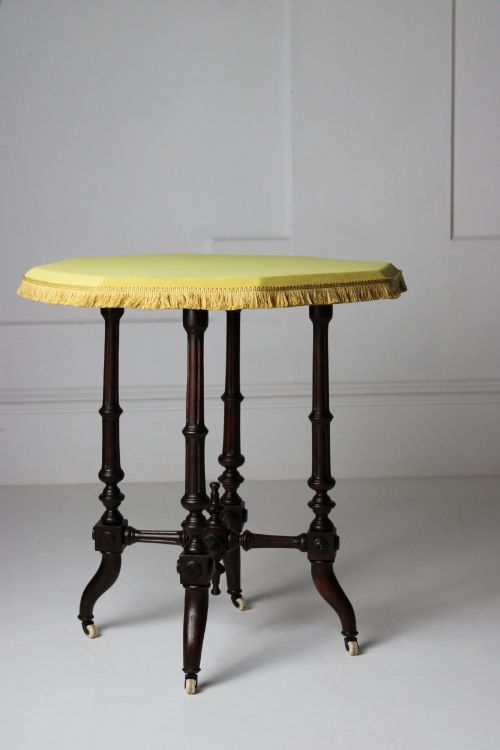
The selections span centuries, from eighteenth-century examples to twentieth-century Art Deco and Arts and Crafts pieces. Buyers encounter various forms, including circular pedestal tables, octagonal shapes, and tiered occasional stands.
Origins vary across English, French, and Italian workshops, bringing distinct regional interpretations to the dark walnut material. Such tables integrate easily beside seating or in hallways, offering practical surface area without dominating the floor space.
Judging the quality of the work
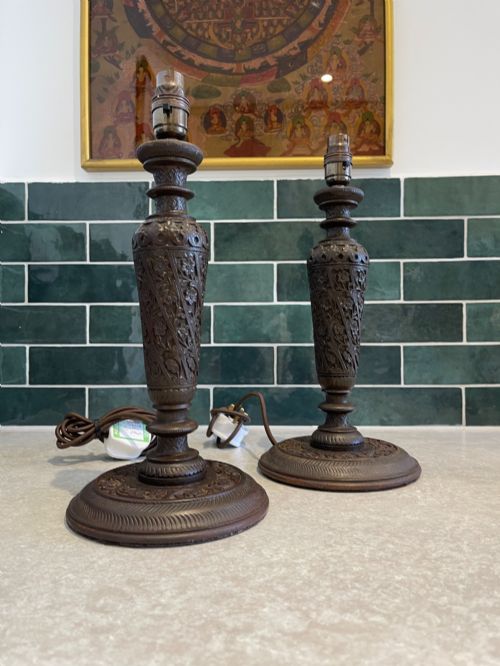
Quality rests in the selection of the timber, particularly where figured burr walnut veneer shows careful book-matching across the top. Superior examples display crisp, hand-carved details and stable joints rather than relying on heavy surface stains.
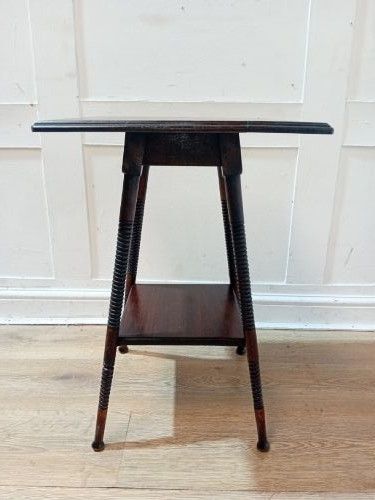
The integrity of the original polish and the crispness of turned components, such as barley twist legs, distinguish finer pieces. Hardware like brass mounts and hinges should match the period and remain securely fitted.
Dark Walnut Lamp Table Retail Price Guide 2026
Typical asking prices for dark walnut lamp table among the pieces listed under this phrase on Sellingantiques today, from the lower quarter to the upper quarter. They describe what is for sale here now, not the wider market.
Listings feature periods spanning from the eighteenth century through the Victorian era, Edwardian period, and Art Deco twentieth century.
LIBERTY of LONDON·WILLIAM BIRCH·Holland & Son
The Dark Walnut Lamp Table Glossary
- Barley twist
- A type of turning shaped like a spiral rope, popular in furniture design during the Victorian era. This technique adds vertical movement to table legs and pedestals.
- Occasional table
- A small, movable table designed for specific, intermittent use rather than central placement in a room. These versatile pieces serve as lamp stands or side supports.
- Aesthetic Movement
- A late nineteenth-century design style focusing on art for art's sake, often drawing inspiration from Japanese motifs. Tables from this movement reject heavy Victorian ornamentation for cleaner lines.
- Lowboy
- A small eighteenth-century dressing or side table featuring drawers beneath the surface. These low tables occasionally function as compact lamp stands in modern settings.
Dark Walnut Lamp Table: Frequently Asked Questions
What is a dark walnut lamp table used for?
These tables provide a stable surface for holding lamps, books, or decorative objects beside seating or beds.
Their compact footprints allow them to fit into corners and narrow hallways where larger furniture will not go.
How do I identify a Victorian walnut table?
Victorian examples often feature rich walnut veneers, turned pedestal bases, or hand-carved details typical of the nineteenth century.
Construction methods, such as traditional joinery and the use of secondary timbers like oak, help confirm the age.
Are these tables sturdy enough for daily use?
Solid walnut and well-constructed frames make these tables durable for everyday placement in living spaces.
Regular care and avoiding placement near extreme heat sources keep the timber stable over time.
What is the difference between side and lamp tables?
Lamp tables are specifically scaled to hold lighting fixtures, often featuring compact circular or square tops.
Side tables encompass a broader range of rectangular or occasional formats designed for general placement beside furniture.
How should I care for a walnut surface?
Dust the timber regularly with a soft cloth and maintain a consistent indoor humidity level to protect the polish.
Avoid chemical sprays and use coasters to prevent moisture rings on the polished walnut surface.