





Dark Walnut Display Stand
These dark walnut display stand pieces span multiple centuries of tiered shelving, cabinets, and pedestals designed to showcase precious objects.
Dark Walnut Display Stand
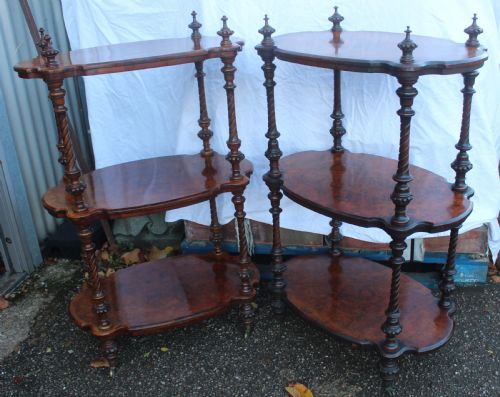
A dark walnut display stand encompasses a variety of multi-tiered structures designed to hold and exhibit ornaments, books, and curiosities. Buyers hunting for a dark walnut display stand will frequently encounter Victorian whatnots, etageres, and corner cabinets fashioned from rich timber.
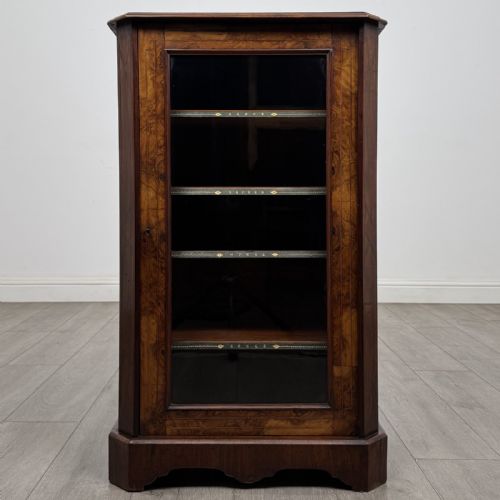
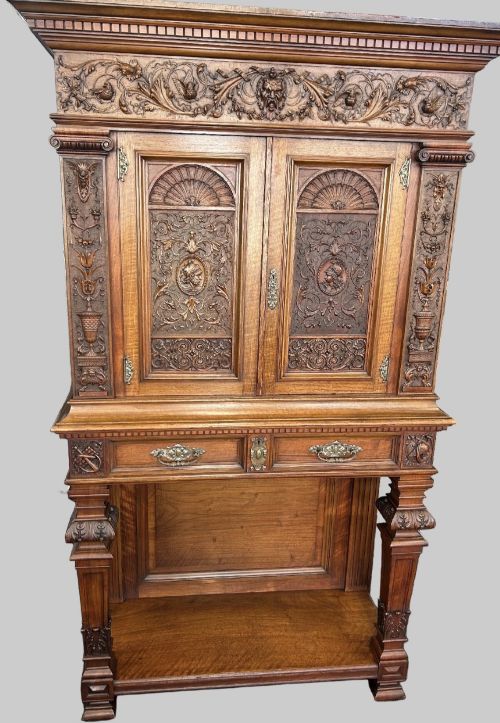
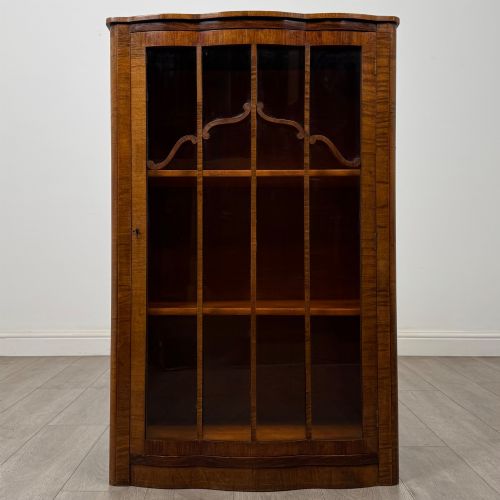
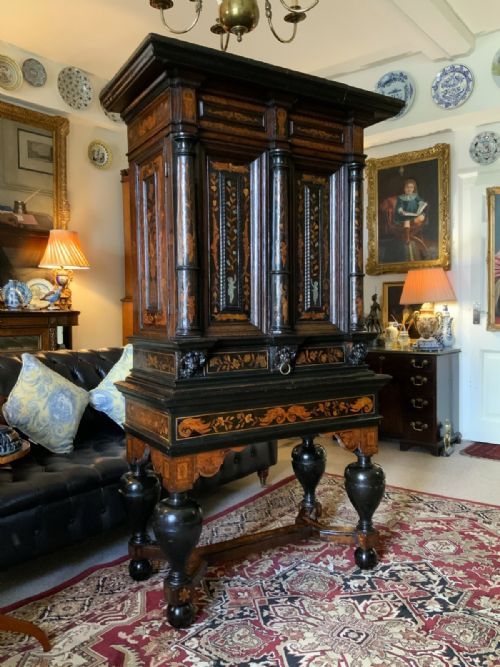
The selection extends from 17th-century Dutch Baroque cabinets on stands to Edwardian display pieces and 19th-century music cabinets. Corner whatnots and multi-tiered shelving units dominate the selection, offering practical vertical display options for domestic interiors.
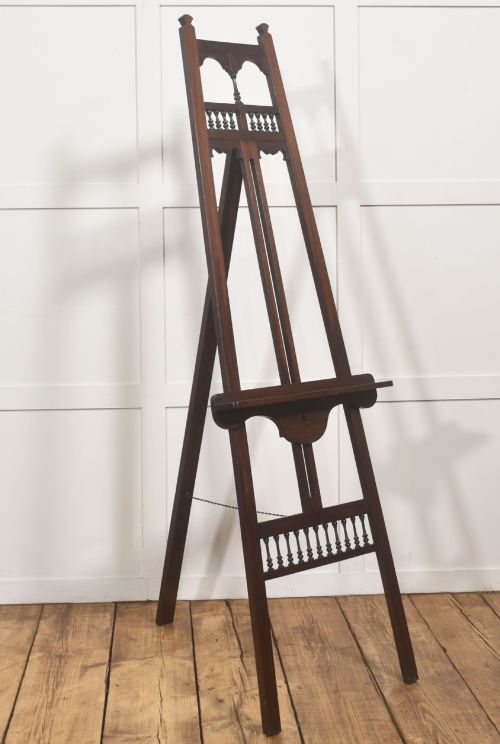
Makers and workshops ranging from Gillows to Gabriel Viardot contributed to this tradition, alongside pieces featuring marquetry, brass fittings, and intricate fretwork. Whether selecting an Arts and Crafts bookcase or an adjustable lectern, each item serves to elevate decorative objects.
What varies in quality
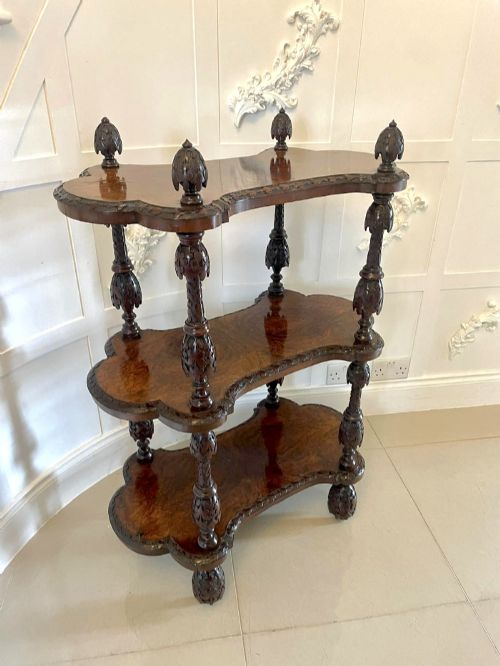
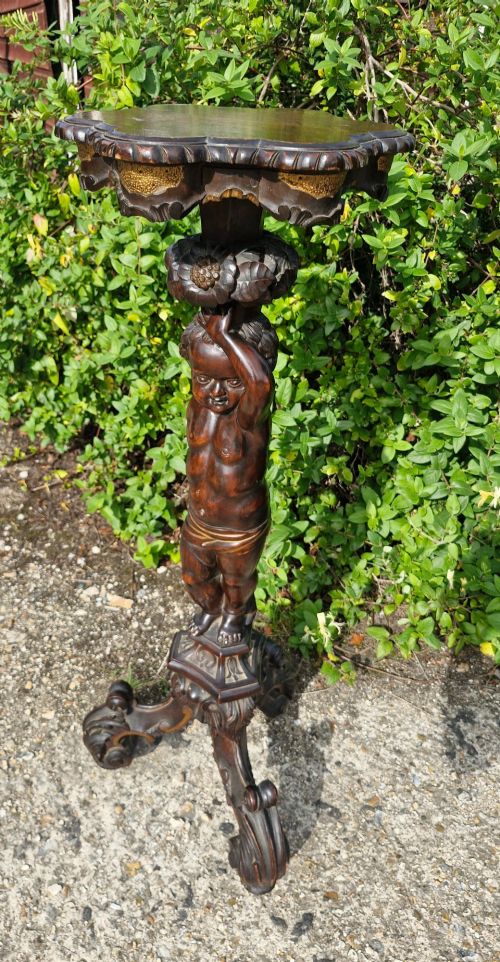
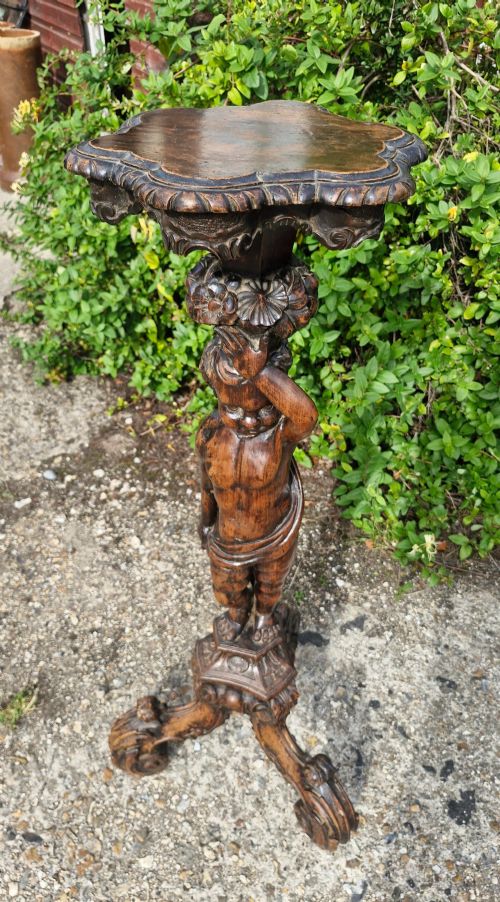
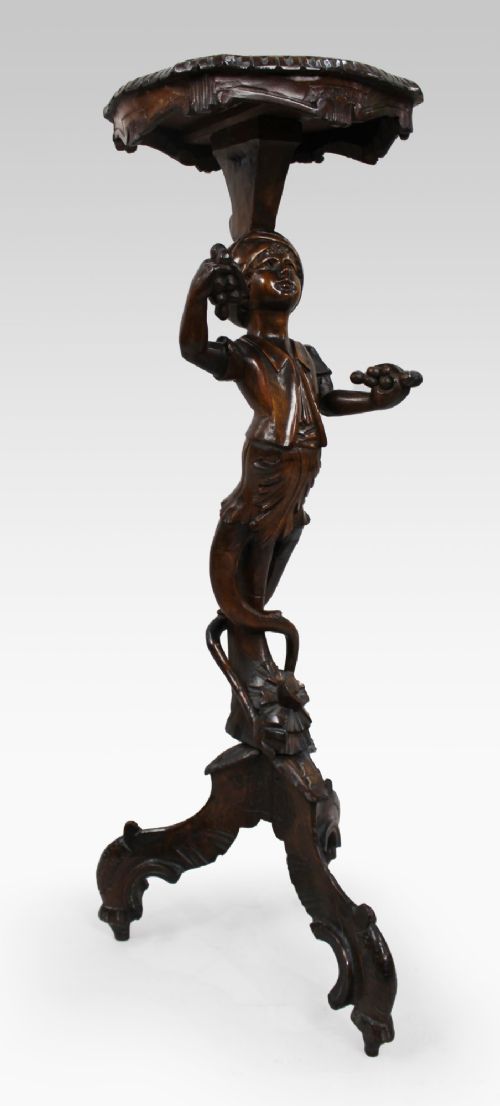
The refinement of the carving separates standard production items from exhibition pieces, where figures and foliage receive meticulous hand-detailing. Finely pierced fretwork and precise marquetry inlay demand exceptional joinery skill.
Timber selection dictates overall visual appeal, with burr walnut veneers requiring superior matching across panels. The inclusion of signed maker attribution, specialised brass hardware, or integrated adjustable mechanisms elevates certain examples.
Dark Walnut Display Stand Retail Price Guide 2026
Typical asking prices for dark walnut display stand among the pieces listed under this phrase on Sellingantiques today, from the lower quarter to the upper quarter. They describe what is for sale here now, not the wider market.
Several stands feature occasional musical storage compartments, proving that Victorian sheet music demanded its own dedicated walnut real estate.
Gillows·Gabriel Viardot·Shoolbred
The Dark Walnut Display Stand Glossary
- Whatnot
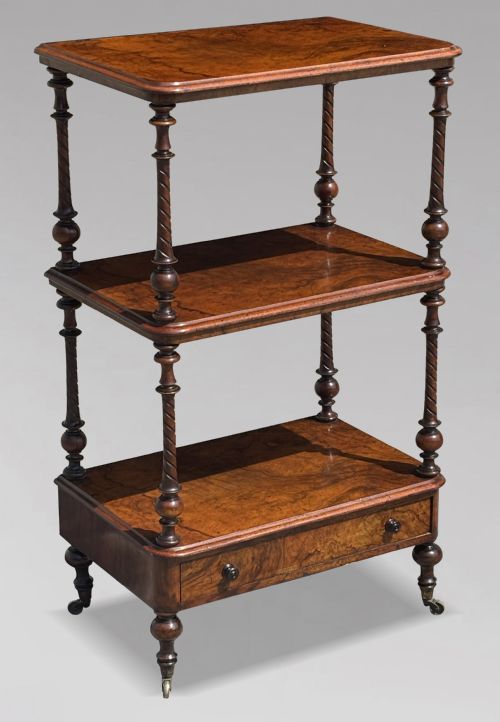
- A piece of furniture consisting of open shelves for displaying small objects. These tiers are supported by slender columns or uprights.
- Etagere
- A piece of furniture with a set of open shelves for displaying ornaments. Originating in France, it functions similarly to a whatnot.
- Torchere
- A tall, slender stand designed to hold a candle, lamp, or decorative bust. They frequently feature carved pedestals and circular tops.
- Marquetry
- Decorative veneer work forming geometric or pictorial patterns using various woods and metals. Pewter inlay is one notable variant found on Baroque pieces.
- Fretwork
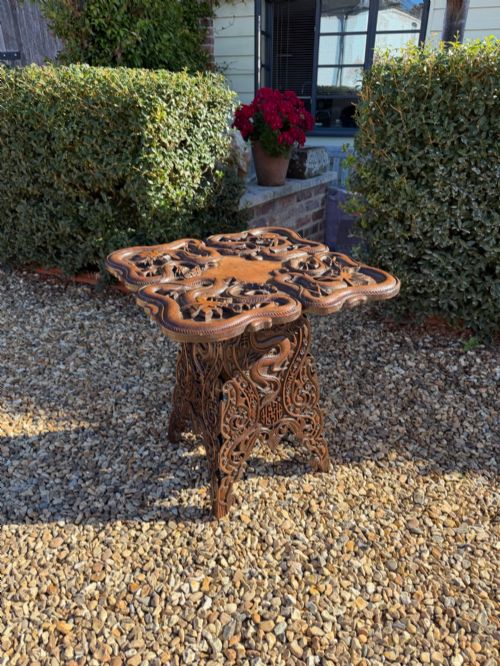
- Ornamental design created by cutting patterns through thin wood panels. This technique often appears on the galleries of Victorian corner whatnots.
Dark Walnut Display Stand: Frequently Asked Questions
What is a whatnot stand?
A whatnot is a multi-tiered open shelving unit designed specifically for displaying small ornaments and decorative items. These pieces became particularly popular during the Victorian period for domestic display.
They appear in freestanding rectangular formats as well as triangular corner configurations to maximise interior space. The open shelves allowed homeowners to exhibit porcelain, silver, and curiosities.
How do I date a walnut cabinet?
Dating walnut furniture involves examining the construction methods, hardware, and prevailing stylistic influences. Pieces from the 17th century often feature heavy baroque carving and marquetry inlay, whilst Victorian examples frequently employ pierced fretwork and burr walnut veneers.
Later pieces from the Edwardian era adopt cleaner geometric lines or incorporate art deco sensibilities. Cabinet joinery and secondary woods like oak or mahogany also provide clear indicators of period origin.
Where should I place a corner shelf?
Corner shelves and whatnots fit neatly into unused room junctions to utilise vertical space effectively. They provide stable platforms for displaying ceramics, books, or small sculptures without obstructing pathways.
Placing them in studies, drawing rooms, or hallways allows the dark walnut timber to anchor the room's decorative scheme. Their compact footprints make them versatile additions to both period and contemporary interiors.
What is an etagere used for?
An etagere serves as an open display structure for holding decorative objects, china, and collectibles. The tiered shelves offer varying heights for arranging items of different scales.
Unlike enclosed cabinets, etageres keep collections visible from multiple angles within a room. They function as both decorative furniture and functional storage for treasured possessions.