



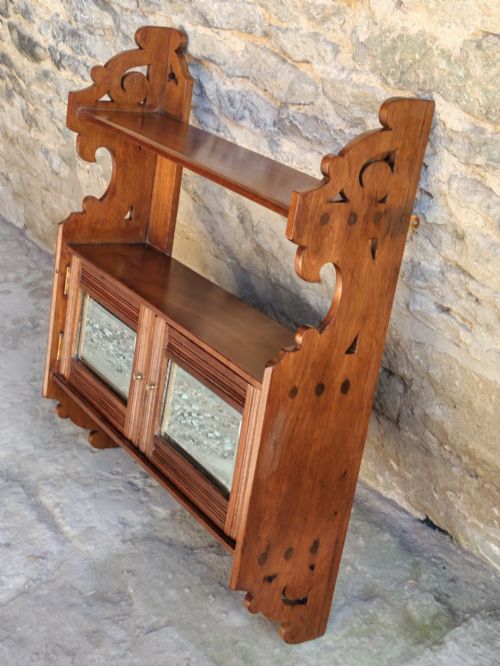
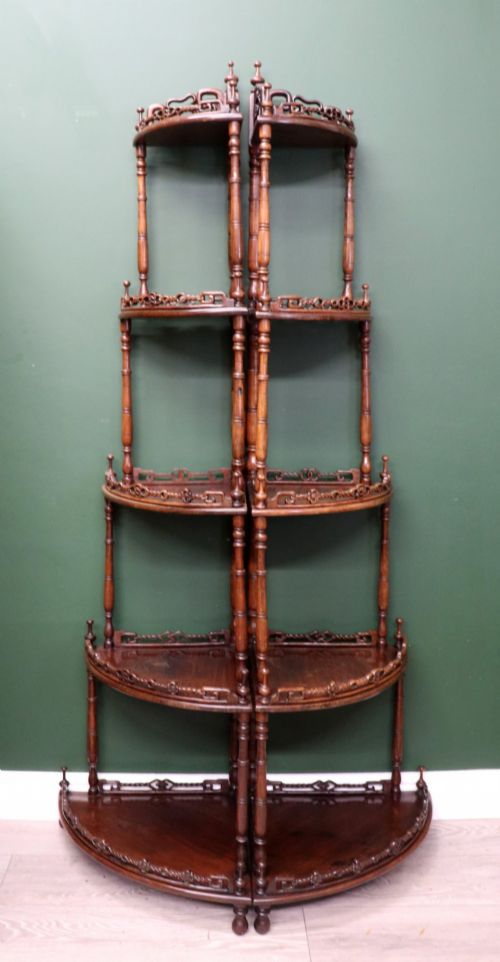
Carved Walnut Shelving
Carved walnut shelving brings warmth and display space to a room, appearing in forms from Victorian whatnots to open bookcases.
Carved Walnut Shelving
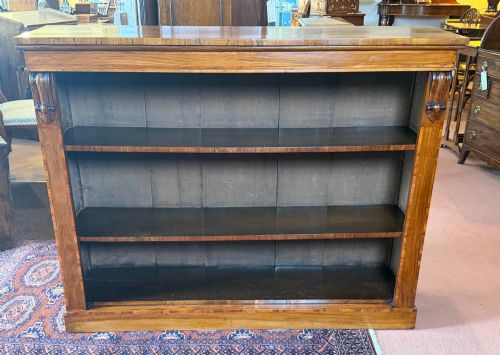
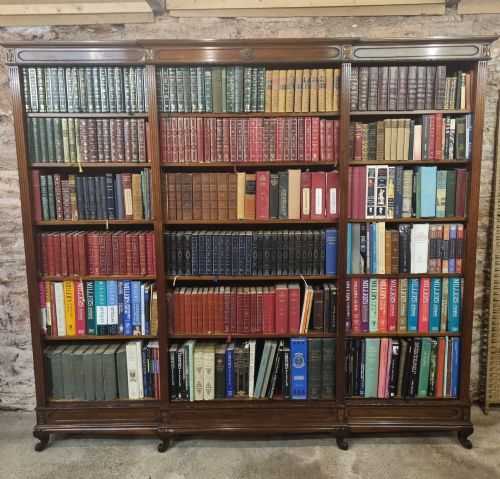
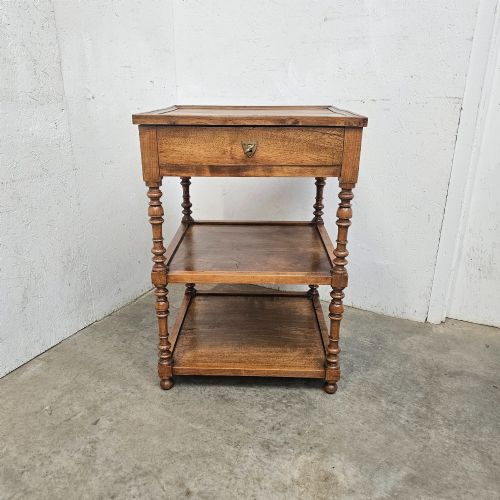
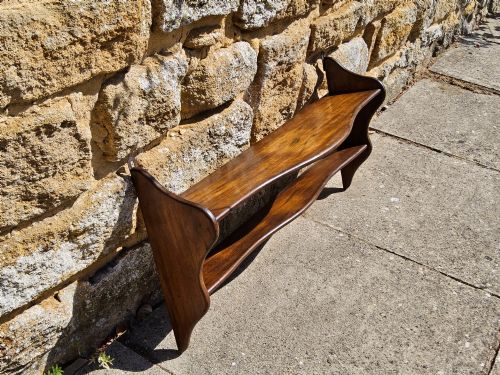
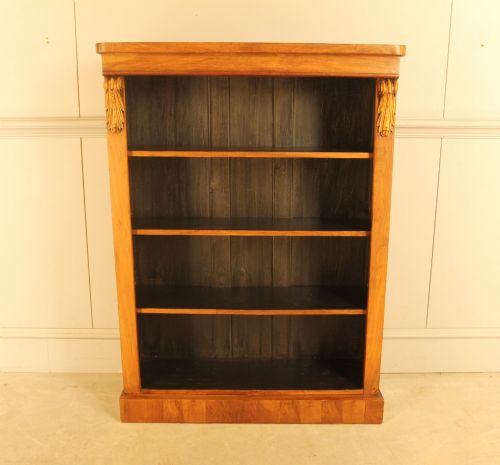
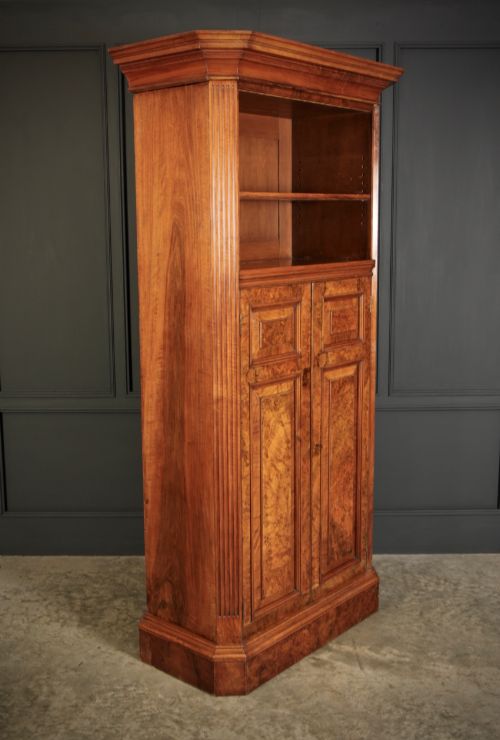
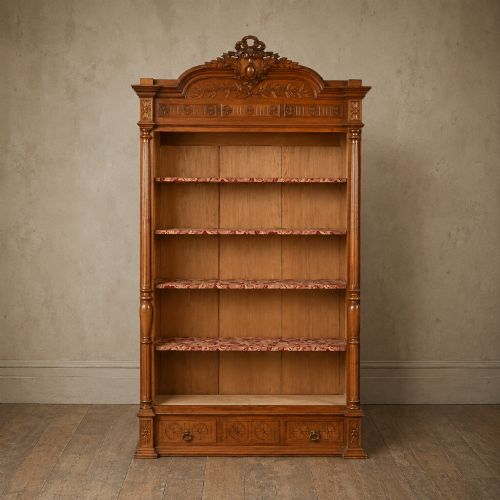
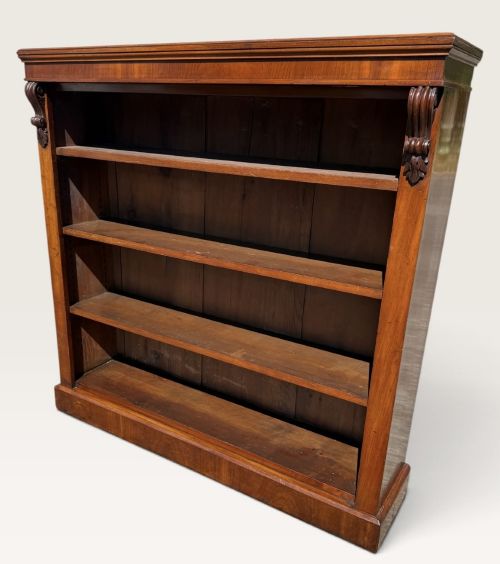
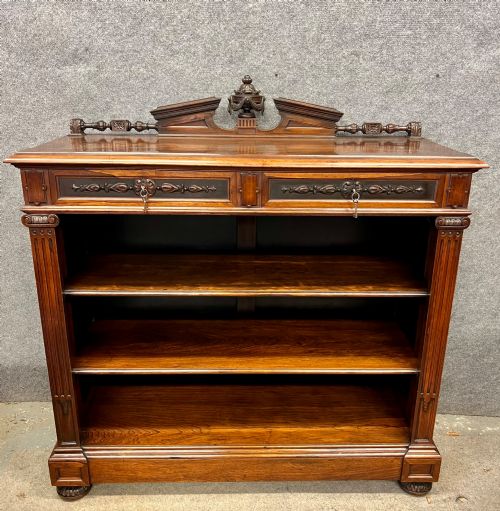
When you search for carved walnut shelving, you encounter a variety of storage and display furniture originating mainly from the nineteenth century. These pieces include open bookcases, tiered whatnots, corner shelves, and wall cabinets spanning periods from William IV through the Edwardian era.
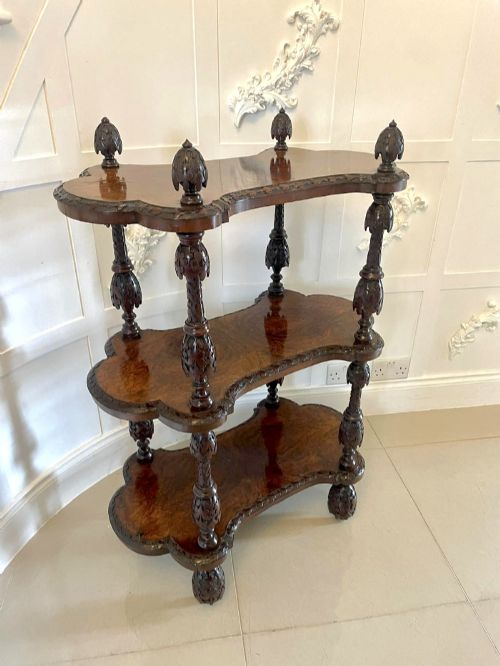
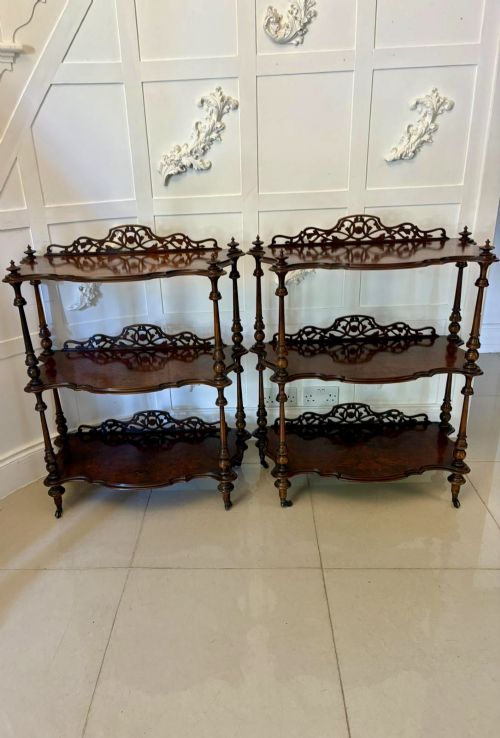
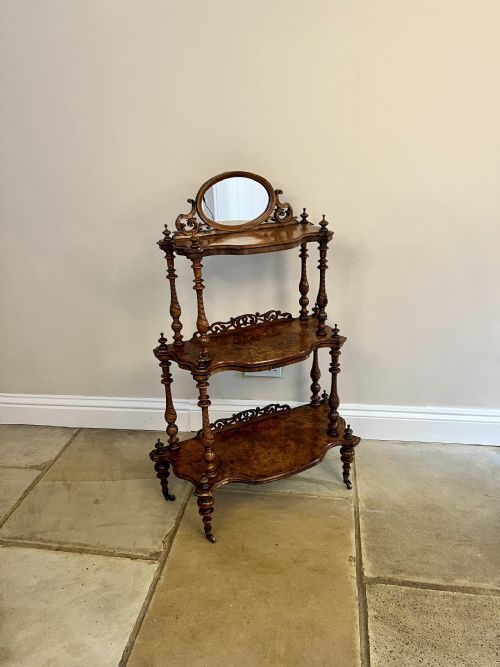
The most common formats on this page are Victorian whatnots and open bookcases made from solid walnut or burr walnut. Many pieces incorporate decorative touches such as carved friezes, barley twist columns, or marquetry inlay to enhance their utility as display furniture.
Distinctions in quality
Quality rests upon the selection of the timber, particularly the figuring and grain definition found within burr walnut surfaces. Superior examples demonstrate careful matching of veneers and meticulous carving on friezes and supports.
Construction methods also separate standard items from finer works, visible in the stability of stepped shelves, the execution of turned legs or barley twist columns, and the integration of brass or ormolu mounts.
Carved Walnut Shelving Retail Price Guide 2026
Typical asking prices for carved walnut shelving among the pieces listed under this phrase on Sellingantiques today, from the lower quarter to the upper quarter. They describe what is for sale here now, not the wider market.
Even diminutive corner whatnots demand sturdy wall fixings to bear heavy volumes safely.
Gillows
The Carved Walnut Shelving Glossary
- Whatnot
- An open piece of furniture with multiple tiers used for displaying small objects and books. They frequently appear in corner or freestanding formats.
- Burr walnut
- A prized timber veneer showing swirling growth patterns caused by tree deformities. It adds distinctive visual texture to cabinet doors and shelf tiers.
- Etagere
- A set of open shelves for displaying ornaments or books. This French-derived term often intersects with the definition of a whatnot.
- Frieze
- A decorative horizontal band along the upper section of a bookcase or cabinet. Carved details frequently occupy this space.
- Marquetry inlay
- Decorative patterns formed by fitting contrasting pieces of wood veneer into a background. It adorns select panels and surfaces.
Carved Walnut Shelving: Frequently Asked Questions
What is a walnut whatnot?
A whatnot is a tiered set of open shelves designed for displaying ornaments, small ceramics, and books.
These pieces typically stand in corners or against walls, utilising multiple levels supported by turned columns or uprights.
How do I date a bookcase?
Dating relies on stylistic clues such as columnar supports, carved friezes, and the choice between solid timber and burr veneer.
Victorian and Edwardian examples often reveal their period through specific revival styles and hardware choices like brass or ormolu mounts.
Where should I place wall shelves?
Wall shelves and hanging cabinets require secure mounting into structural wall studs due to the weight of hardwood timber.
They suit living areas or studies where floor space is limited but display capacity is desired.
Are shelves adjustable?
Some nineteenth-century and Edwardian bookcases feature adjustable shelf heights to accommodate volumes of varying sizes.
Earlier whatnots and fixed shelving units maintain permanent tier distances set during their original construction.