

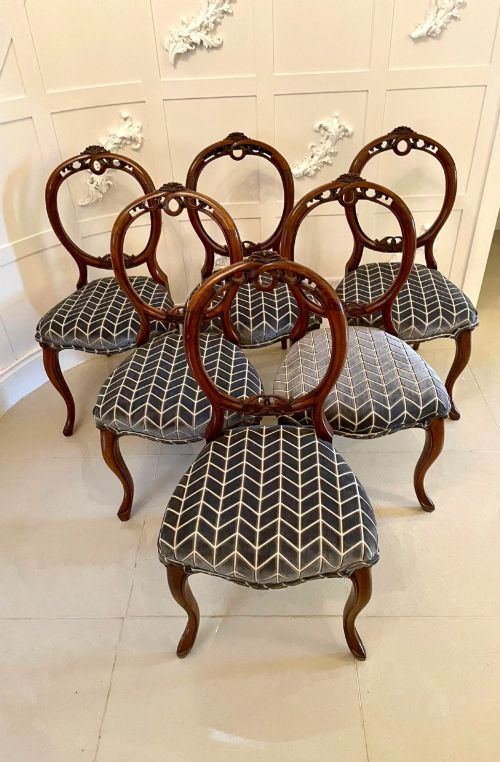
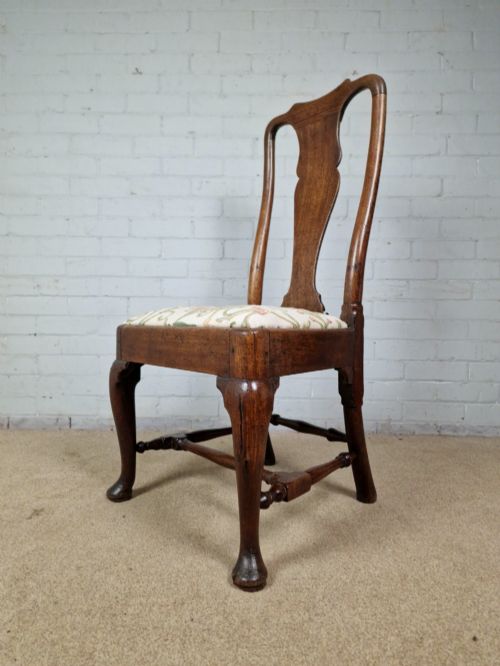
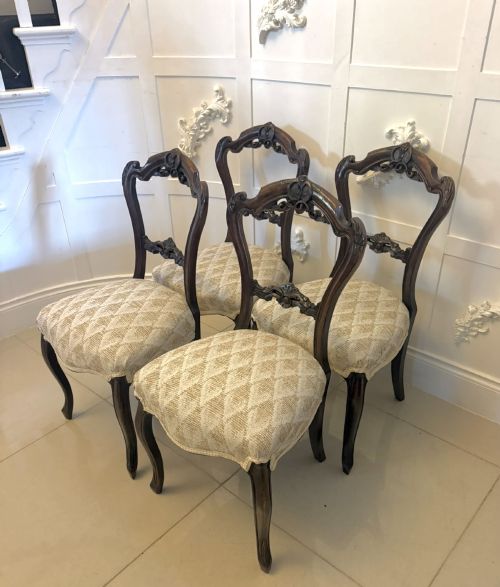
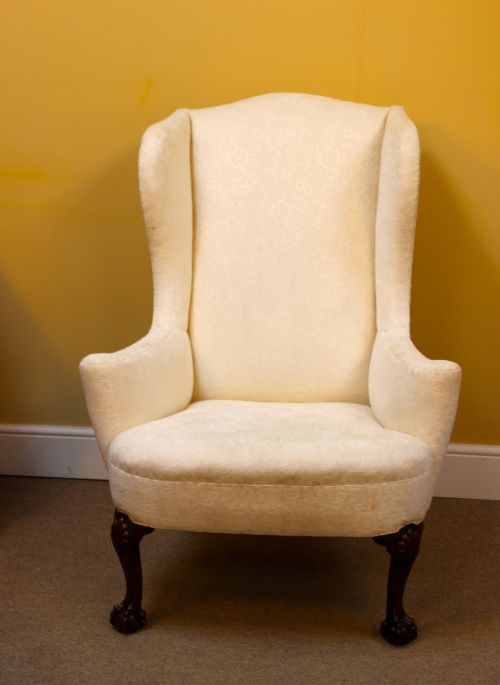
Dark Walnut Chairs
Dark walnut chairs bring deep colour and rich grain to a room, spanning periods from the seventeenth century through to the Edwardian era.
Dark Walnut Chairs
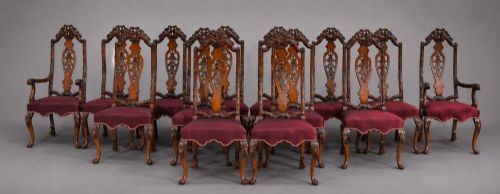
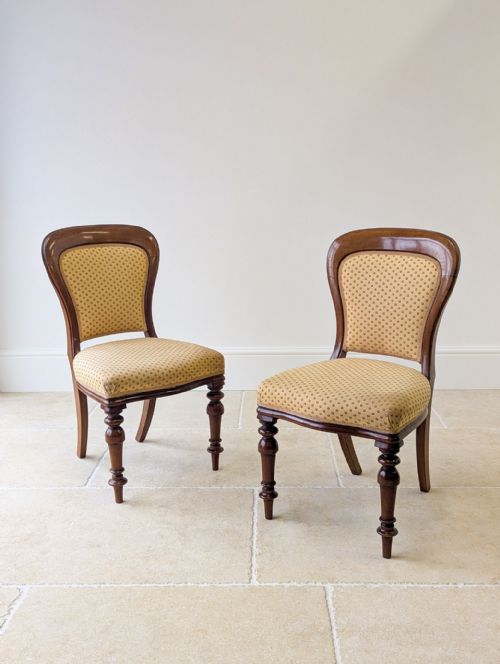
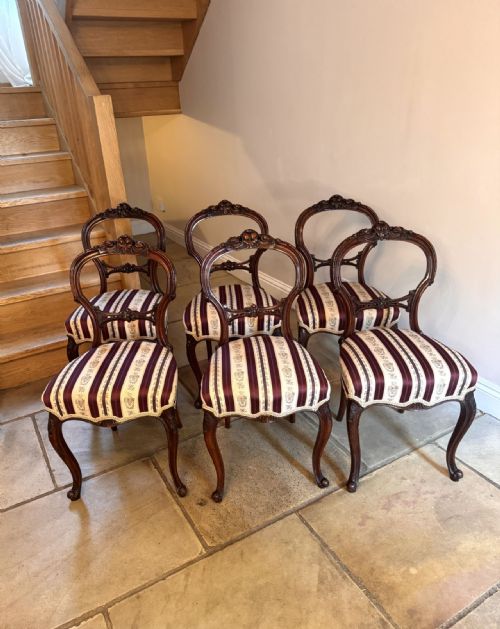
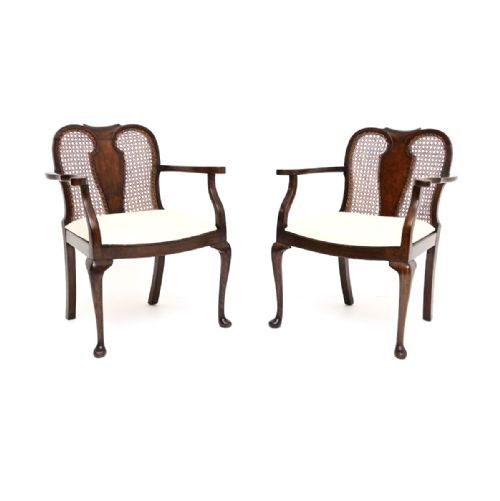
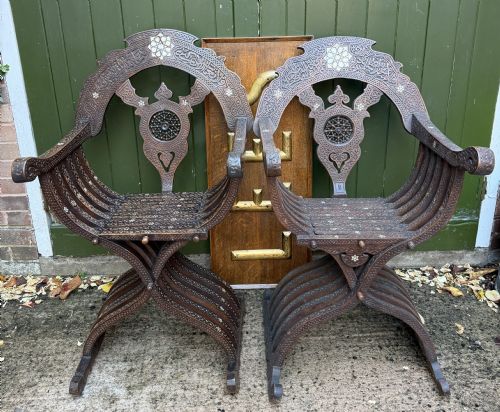
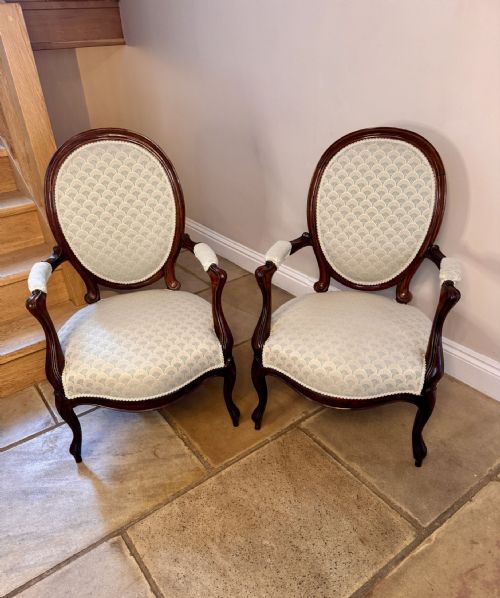
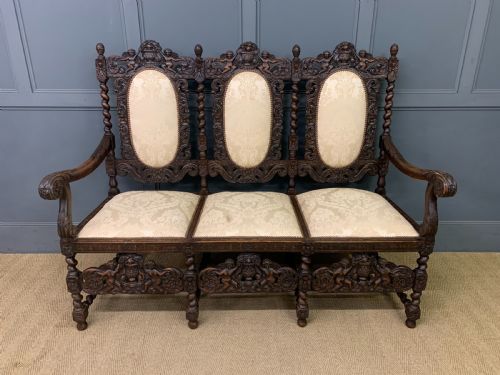
Dark walnut chairs encompass dining sets, armchairs, side chairs, and hall chairs spanning the seventeenth, eighteenth, and nineteenth centuries. Buyers searching for dark walnut chairs encounter robust seating options shaped by Victorian, Carolean, and Renaissance Revival influences.
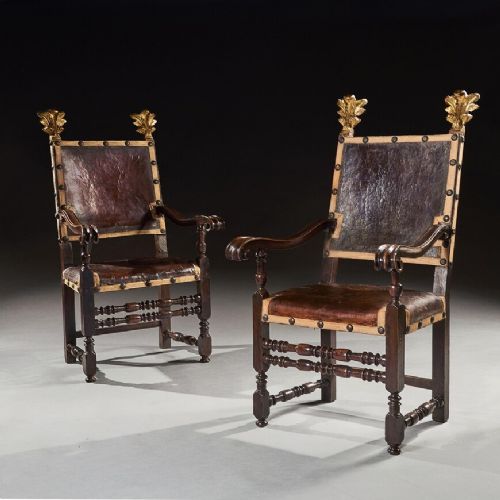
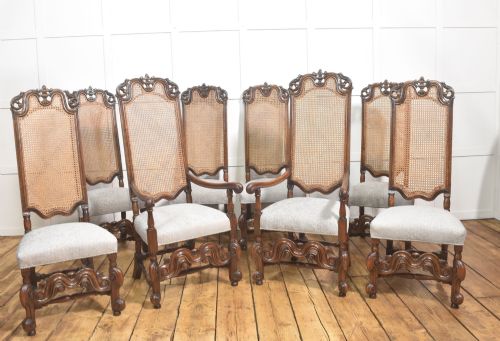
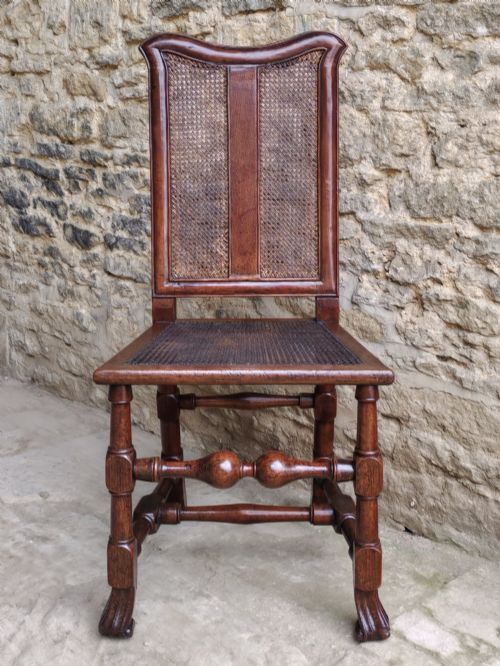
The selection ranges from early high-back cane dining chairs and seventeenth-century Italian baroque leather armchairs to later Victorian parlour seating and Edwardian designs. Pieces appear in singles, pairs, sets of four, six, or eight, reflecting their original domestic or institutional use.
Materials and Construction
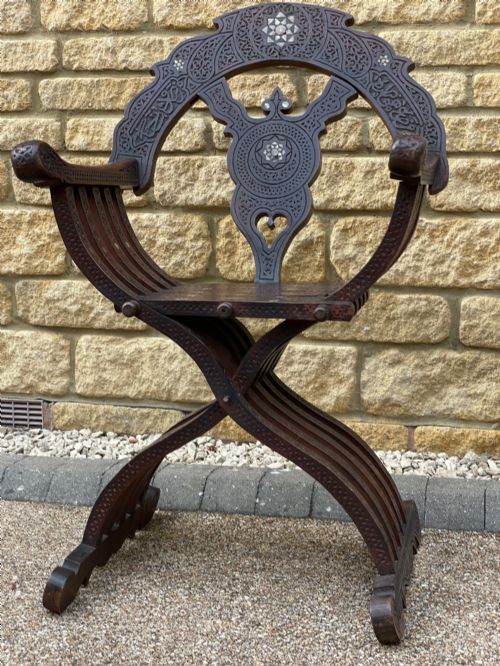
Makers utilised solid walnut timber, often enriched with carved details, parcel-gilt highlights, or marquetry inlay. Structural elements frequently incorporate secondary timbers such as oak, alongside mother-of-pearl embellishments.
Upholstery and support materials feature prominently across the inventory, including leather, cane panels, brass tacks, and textile coverings such as velvet, needlepoint tapestry, and fabric.
Dark Walnut Chairs Retail Price Guide 2026
Typical asking prices for dark walnut chairs among the pieces listed under this phrase on Sellingantiques today, from the lower quarter to the upper quarter. They describe what is for sale here now, not the wider market.
The inventory includes seating designed for various settings, from music stools and hall chairs to large dining sets.
Craftsmanship and Proportion
Quality rests in the crispness of the carving, the integration of stylistic details such as lion monopodia or high backs, and the handling of joinery. Pieces associated with named makers or specific design repertoires demonstrate superior execution in proportion and ornament.
The integrity of the walnut surface, the condition of applied leather or cane work, and the fidelity of revival styles dictate the standing of individual examples within the broader range.
Andrea Brustolon·Thomas Hope·Hindley & Sons·Lamb of Manchester
The Dark Walnut Chairs Glossary
- Carolean
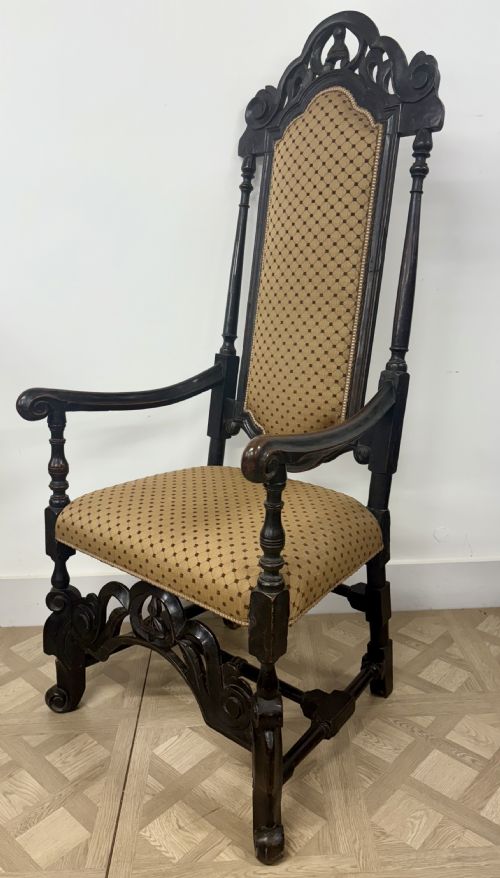
- A style associated with the reign of Charles the Second, characterised by rich carving, scrolling foliage, and high cane backs.
- Monopodia
- A single-animal-foot support or leg configuration often seen on classical revival furniture.
- Marquetry
- The art of forming decorative patterns with thin veneers of wood applied to a structure.
- Fauteuil
- An open-armed upholstered armchair with exposed wooden framing, originating in France.
Dark Walnut Chairs: Frequently Asked Questions
Where were these chairs used?
These chairs served diverse functions in historic interiors, ranging from formal dining rooms and parlours to libraries and halls. Armchairs and side chairs filled reception rooms, while specialised forms like music stools and commode chairs fulfilled specific domestic tasks.
Larger matching sets furnished substantial dining spaces, whereas single hall chairs or music risers occupied transitional spaces within period homes and institutions.
How do I care for antique walnut?
Maintenance involves keeping walnut furniture away from direct sunlight and extreme fluctuations in temperature or humidity. Applying appropriate wax feeds the timber grain and protects the polished surface without building up excessive residue.
Upholstered components like leather, cane, and textile panels require gentle dusting and careful handling to preserve their structural integrity over time.
What distinguishes Carolean style chairs?
Carolean chairs display vigorous carving, typically featuring scrolling scrolls, putti, and crown motifs executed in walnut. Their high backs often integrate cane panels flanked by turned upright posts.
This aesthetic emerged during the late seventeenth century and experienced later revivals, reflecting the opulent tastes of the Restoration period.