
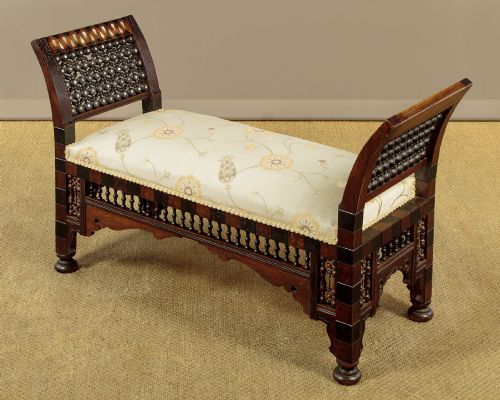


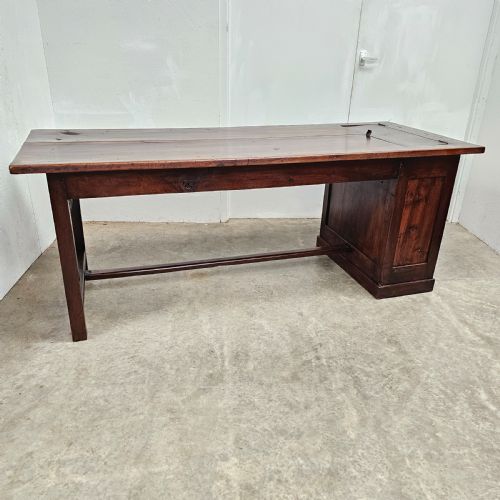


Dark Walnut Bench
These dark walnut bench examples span seventeenth-century revival forms to twentieth-century seating, offering rich timber and traditional joinery for your interior.
Dark Walnut Bench
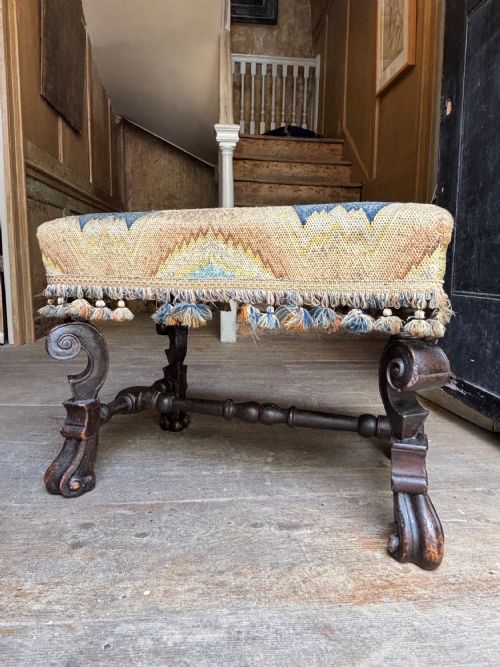
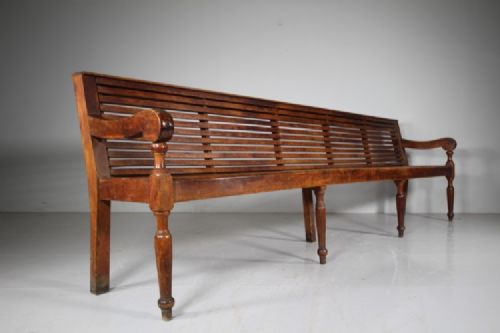
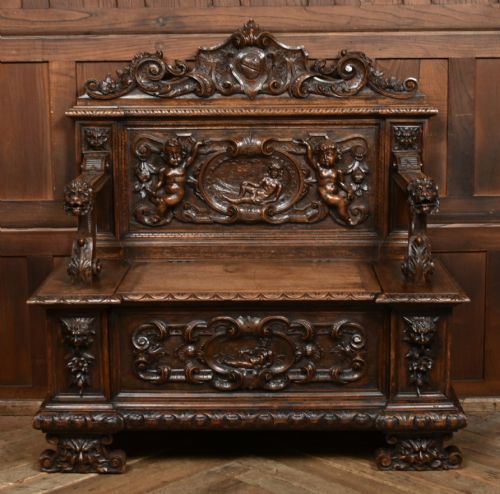
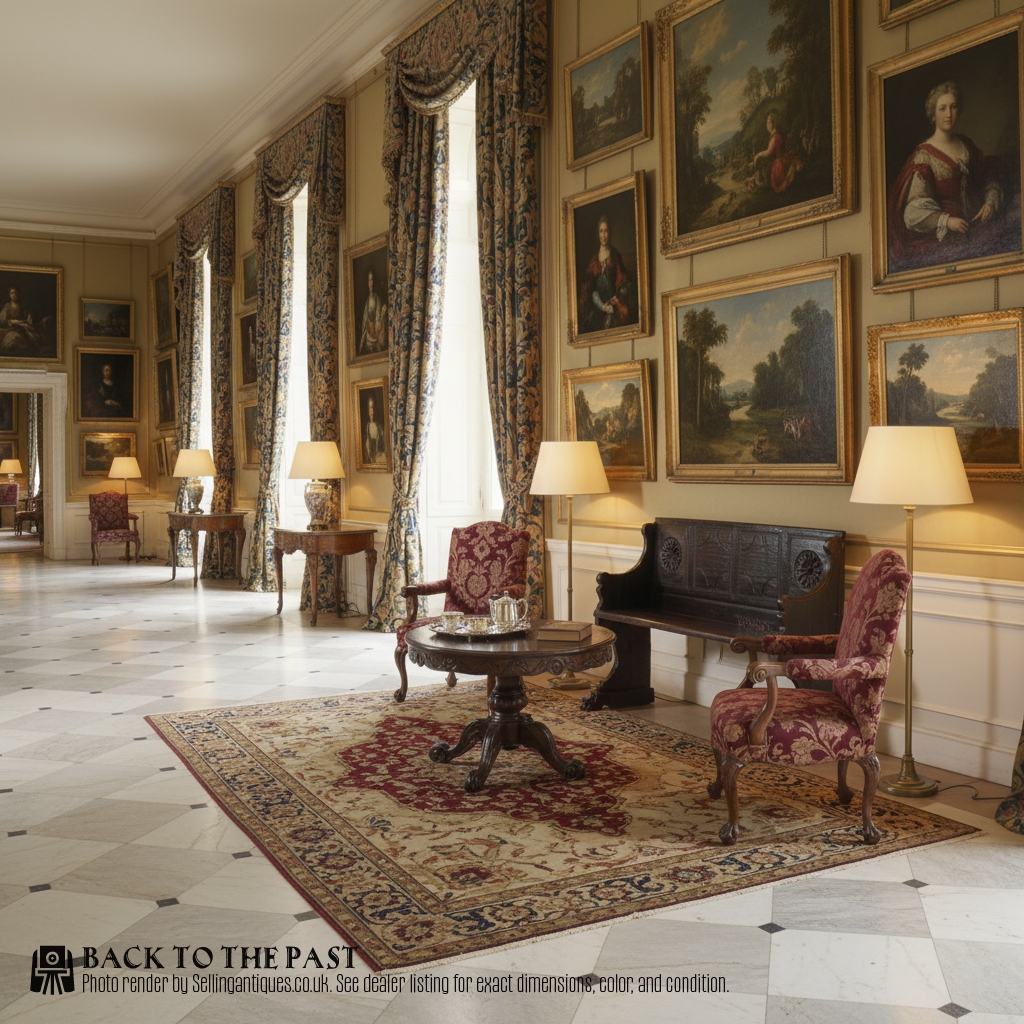
A dark walnut bench encompasses an array of historical seating forms, from grand Italian Renaissance Revival hall seats to sturdy nineteenth-century waiting room slats and intricately carved Carolean stools. These pieces serve functional purposes in hallways and living spaces while displaying deep, figured timber tones.
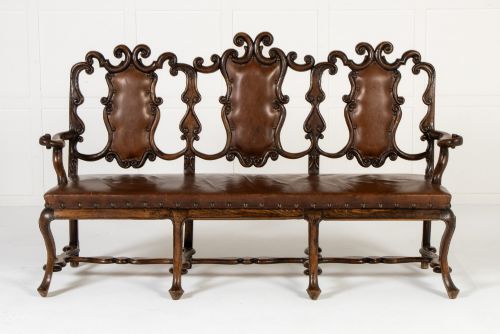
The most common interpretations on this page draw heavily on European revival styles, featuring high panelled backs, upholstered seats in leather or tapestry, and elaborate woodwork. Makers across Italy, Britain, and France utilised the dense grain of walnut to create durable furniture intended for prominent domestic placement.
Pieces range from compact window seats and footstools to expansive settees and storage benches fitted with shoe compartments. Each iteration reflects the aesthetic priorities of its period, balancing structural utility with decorative carving.
Quality factors in walnut seating
The depth and crispness of the hand carving separate standard production from master craftsmanship, particularly in revival pieces where relief work defines the silhouette. Fine examples display sharp undercutting and fluid symmetry in scrolls and figural motifs.
The choice and preservation of timber dictate the piece's longevity and visual impact, with tightly grained, unwarped walnut panels commanding higher regard. Original upholstery foundations, intact inlay work, and retained hardware contribute significantly to an item's integrity.
Structural proportion and the harmony of the design elements indicate superior workshop origin, distinguishing well-proportioned seating from later or heavier pastiches.
Dark Walnut Bench Retail Price Guide 2026
Typical asking prices for dark walnut bench among the pieces listed under this phrase on Sellingantiques today, from the lower quarter to the upper quarter. They describe what is for sale here now, not the wider market.
Some nineteenth-century walnut benches thoughtfully incorporate hidden shoe storage beneath the seat, anticipating modern hallway clutter by generations.
The Dark Walnut Bench Glossary
- Cassapanca
- An Italian wooden chest with a back and arms, functioning as both a storage box and a bench. These pieces often feature extensive Renaissance or Baroque carving.
- Boulle Inlay
- A decorative technique using tortoiseshell and brass inlaid into wooden surfaces. It creates a contrasting metallic pattern across the furniture frame.
- Marquetry
- The art of applying veneer pieces to a structure to form decorative patterns. Craftsmen use various woods and tinted materials to build pictorial scenes.
- Renaissance Revival
- A nineteenth-century architectural and decorative movement drawing inspiration from fifteenth and sixteenth-century Italy. Characteristics include robust symmetry, heavy mouldings, and classical figures.
Dark Walnut Bench: Frequently Asked Questions
How do I care for dark walnut wood?
Maintain the timber by keeping it away from direct heat sources and strong sunlight, which can dry and fade the dark finish over time. Apply a microcrystalline wax periodically to nourish the wood and preserve its subtle sheen.
Avoid using silicone-based polishes or excessive water when cleaning. A soft, dry cloth is sufficient for regular dust removal.
Where should I place a hall bench?
Position a hall bench in an entranceway, corridor, or large landing where its architectural presence can be appreciated. Many historical examples were designed specifically for entryways to provide seating while removing footwear.
Ensure adequate clearance around the piece so that carved arms, protruding backs, or integrated storage compartments remain accessible and unobstructed.
How can I tell a revival piece from an older original?
Examine the construction methods, tool marks, and wood ageing patterns visible on the underside and interior frames. Nineteenth-century revival pieces often employ machine-sawn timber elements alongside hand finishing, unlike seventeenth-century joinery.
Check for consistency in the wear patterns and patina across the entire structure. Mismatched ageing between the decorative carving and the primary frame usually points to later alterations.