

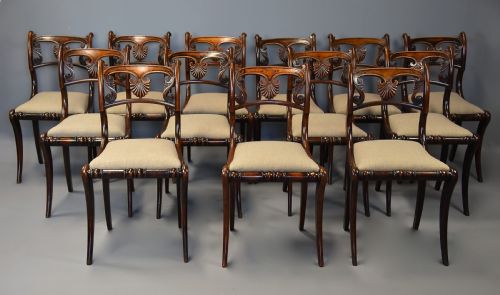
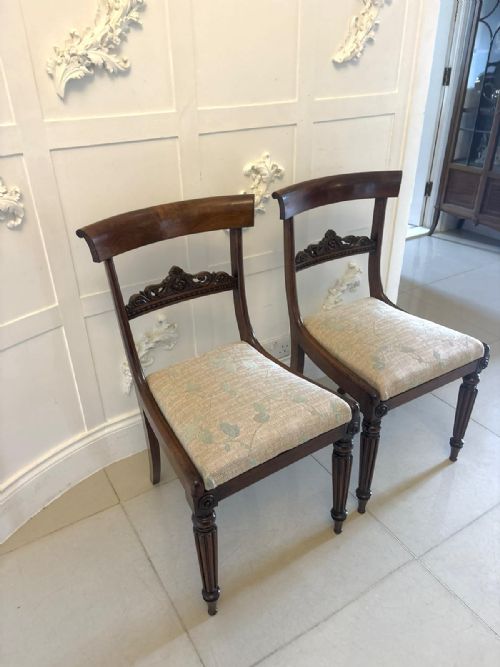
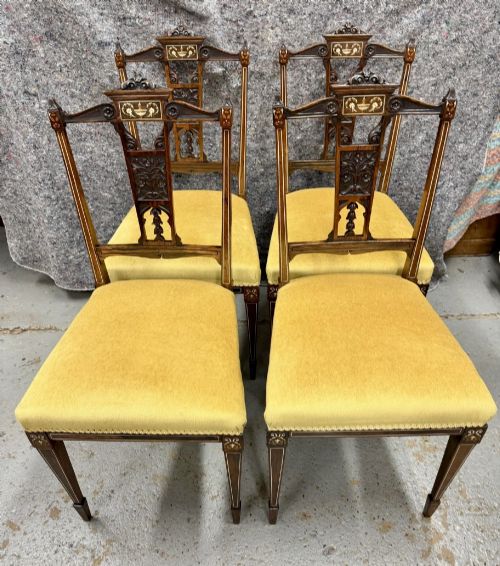
Dark Rosewood Side Chairs
Dark rosewood side chairs bring deep grain and formal dignity to a room, uniting nineteenth-century craftsmanship with lasting structural elegance.
Dark Rosewood Side Chairs
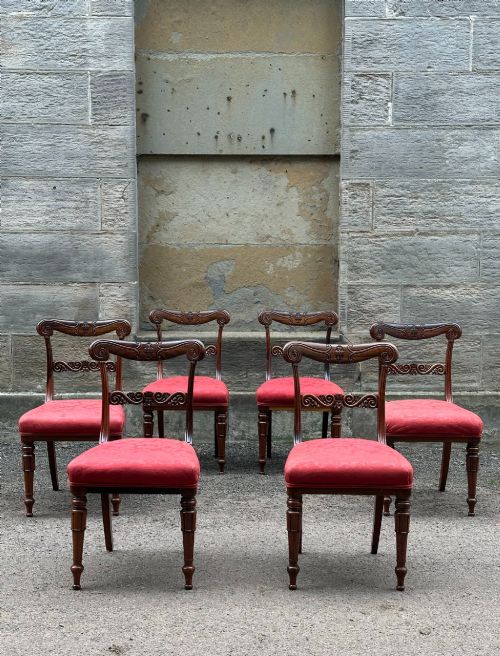
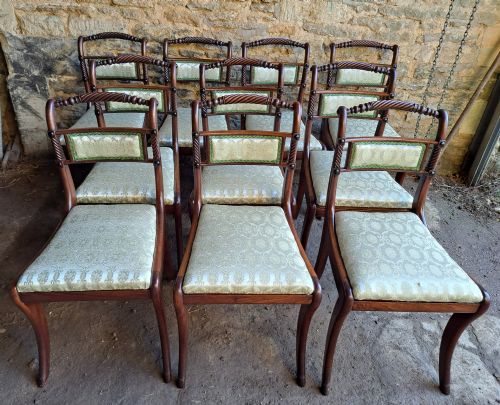
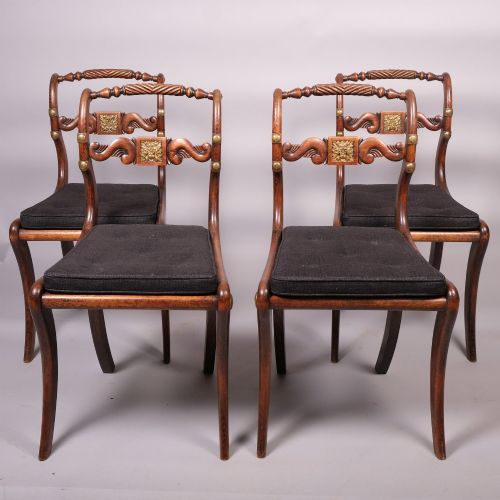
When searching for dark rosewood side chairs, a buyer encounters formal seating predominantly originating from the nineteenth century. The inventory spans the Regency, William IV, and Victorian periods, reflecting shifting domestic tastes across those decades.
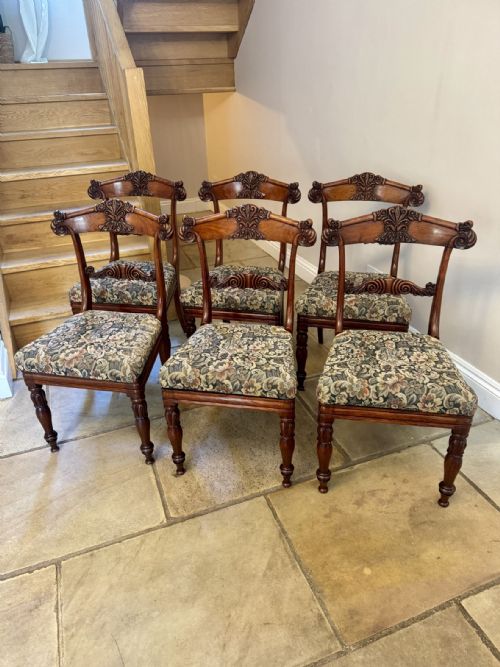
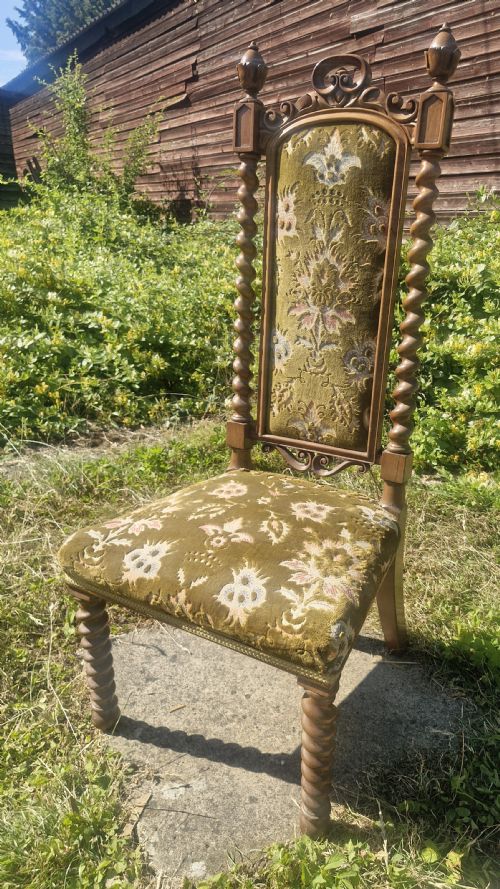
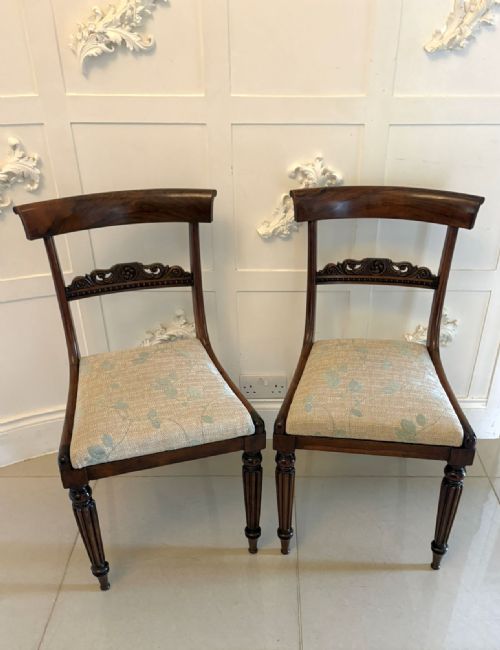
While single chairs and pairs appear frequently, larger matched sets also surface for dining rooms. The forms encompass standard dining chairs alongside occasional, hall, and high-back variants constructed from dense timber.
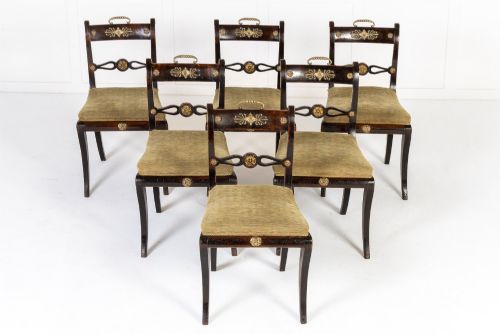
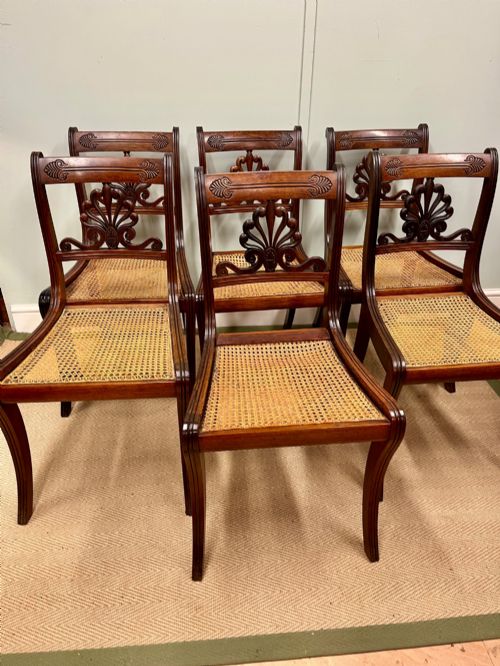
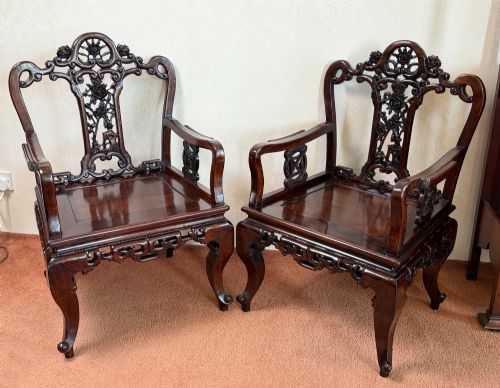
The dominant aesthetic draws heavily upon Regency and Victorian design vocabularies. Pieces range from plain solid timber frames to elaborately carved or brass-inlaid examples carrying historical stylistic influences.
Materials and Construction Techniques
Makers utilised dense tropical rosewood, sometimes employing simulated rosewood finishes on alternative woods to achieve the desired dark colouration. Solid timber components provide the primary structural integrity for these frames.
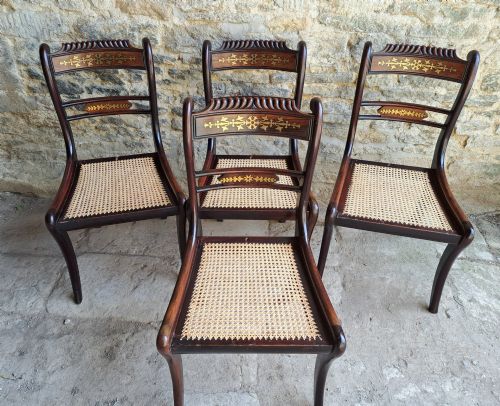
Decorative embellishments often incorporate brass inlay, intricate wood carving, and marquetry details. These methods require precise hand-fitting by period artisans.
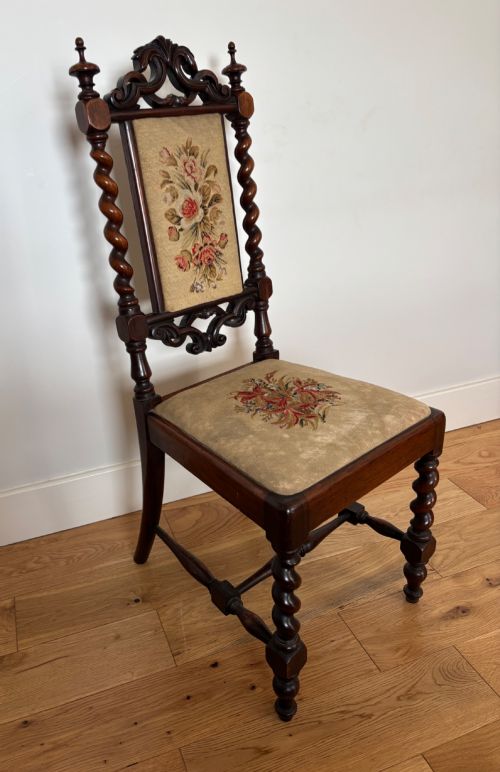
Seating portions utilise traditional upholstery materials, including fabric, velvet, and needlepoint over webbing or horsehair stuffing. Alternatively, certain variations incorporate woven cane inserts.
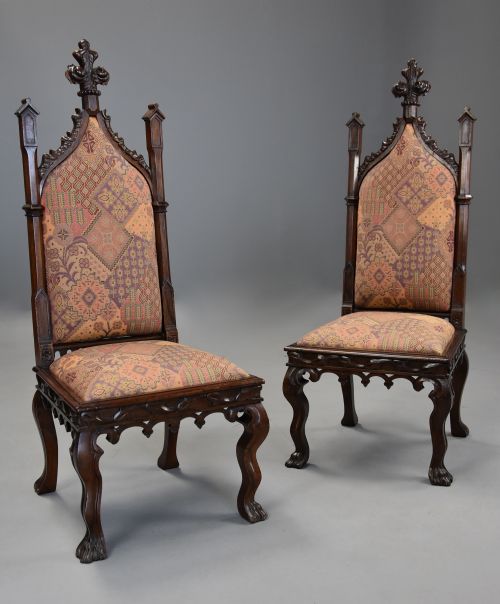
Even island workshops on Guernsey produced fine Gothic revival hall chairs, proving that stylish nineteenth-century dining trends reached far beyond London.
Distinguishing Craftsmanship and Condition
The distinction between standard domestic seating and superior examples rests on the crispness of carved details and the depth of the timber grain. Finer pieces display meticulous hand-carving and careful selection of figured rosewood veneers or solid stock.
Structural rigidity and the retention of original components dictate the standing of a piece. Chairs retaining their period upholstery methods or authentic brass work hold greater integrity than altered or heavily restored equivalents.
Gillows·W.A. Willcocks
The Dark Rosewood Side Chairs Glossary
- Rosewood
- A heavy, dense hardwood prized for its dark colour and rich, contrasting grain patterns. It forms the primary structural and visual medium for these chairs.
- Regency
- An early nineteenth-century design period characterised by classical restraint, inspired by ancient Greek, Roman, and Egyptian motifs. Pieces from this era often feature clean lines and subtle brass ornamentation.
- Balloon Back
- A rounded, scroll-topped chair back shaped like a balloon, highly popular during the Victorian era. This contour provides both ergonomic support and a graceful silhouette.
- Marquetry
- The art of applying decorative pieces of veneer to a structure to form intricate pictorial designs. This technique elevates plain surfaces into ornamental focal points.
- Simulated Rosewood
- A painted or stained finish applied to a less expensive wood to imitate the appearance of genuine rosewood. This method offered buyers a fashionable look at a lower cost.
Dark Rosewood Side Chairs: Frequently Asked Questions
What periods do these chairs represent?
The selection spans the Georgian, Regency, William IV, and Victorian eras, stretching from the early nineteenth century toward nineteen hundred. Each period introduces distinct stylistic flourishes.
Early pieces lean toward classical Regency restraint, while later Victorian examples frequently showcase elaborate carving and balloon backs.
How were these chairs originally used?
They served primarily as formal dining seating or occasional chairs in nineteenth-century parlours and halls. Their sturdy construction accommodated daily domestic life in wealthy households.
Different room types dictated specific forms, from narrow hall chairs to comfortable upholstered dining variations.
How do I care for dark rosewood?
Keep the timber away from direct sunlight and extreme temperature fluctuations to prevent the wood from drying out or splitting. Gentle dusting with a dry cloth maintains the surface.
Avoid harsh modern chemical polishes that can degrade the traditional finish over time.
Are these chairs suitable for daily dining?
Many of these chairs remain structurally sound enough for regular daily use around a dining table. Checking the joints ensures they withstand modern sitting habits.
Some delicate or highly carved examples function better as accent or occasional pieces to preserve their condition.