


Carved Timber Dining Chairs
Carved timber dining chairs bring solidity and traditional craftsmanship to the table, offering a durable foundation for daily meals.
Carved Timber Dining Chairs
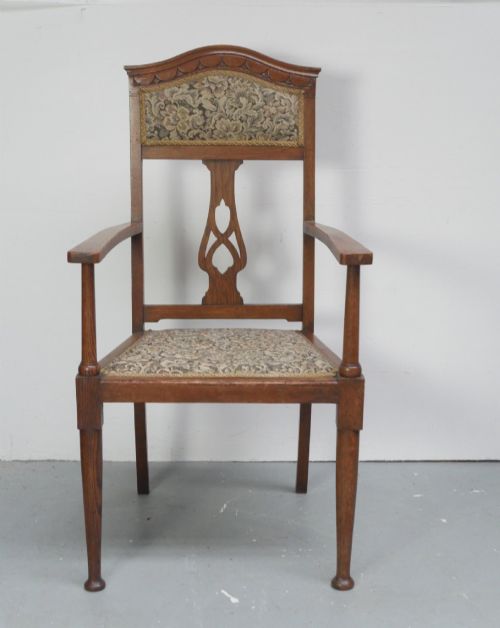
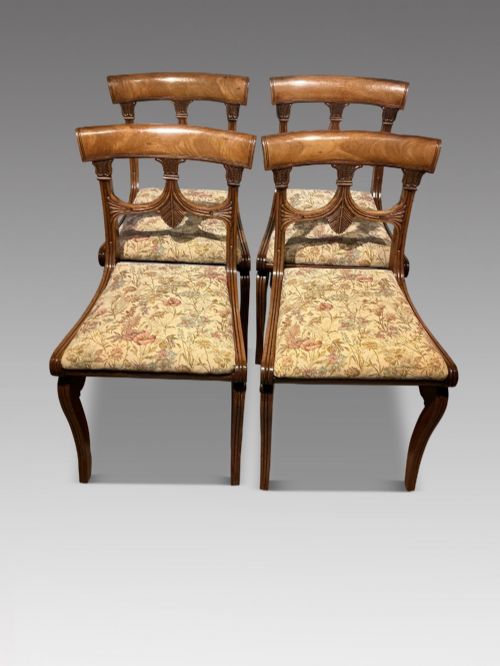
Carved timber dining chairs encompass a variety of seating forms designed for the dining table, ranging from single side chairs to extensive sets. The selection draws primarily from nineteenth-century pieces, including Victorian, Regency, and Edwardian examples.
Buyers frequently encounter robust mahogany and oak constructions alongside rosewood framed dining chairs and walnut sets. Alongside formal dining seats, related forms such as hall chairs, armchairs, and salon chairs appear across the listings.
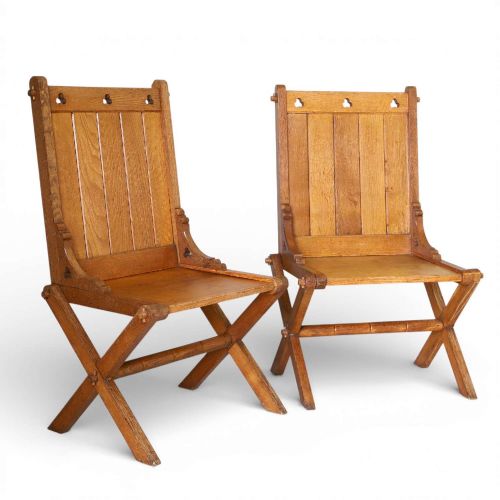
Origins and styling span from early nineteenth-century Regency and William IV iterations to later revival movements like Jacobean and Gothic Revival. These seating options reflect changing domestic fashions across the seventeenth, eighteenth, nineteenth, and early twentieth centuries.
Qualities of Distinction
The distinction between standard examples and top-tier pieces rests on the crispness of the hand-carving and the selection of figured timbers. Superior sets display uniform grain matching across multiple chairs, indicating deliberate selection by the maker.
The integrity of the structural joinery and the survival of original surfaces heavily influence desirability. Complete sets matching in wood tone and decorative detail hold greater standing than assembled or matched pairs.
Carved Timber Dining Chairs Retail Price Guide 2026
Typical asking prices for carved timber dining chairs among the pieces listed under this phrase on Sellingantiques today, from the lower quarter to the upper quarter. They describe what is for sale here now, not the wider market.
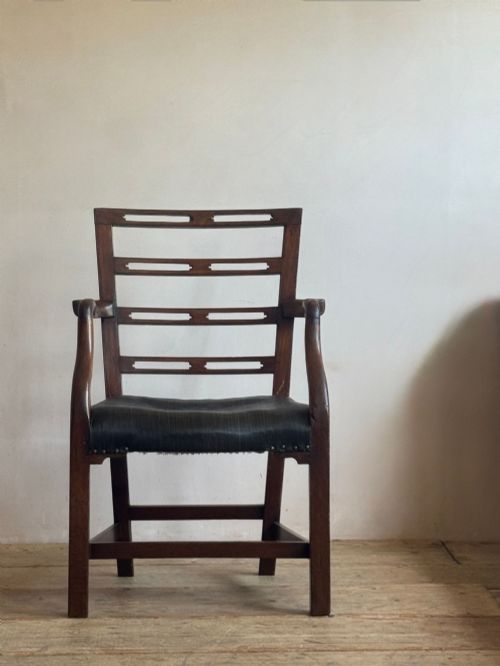
One listed armchair began life as an apprentice piece, where a hopeful woodworker proved their skill on a miniature scale.
Gillows·Marsh, Jones and Cribb·Wheeler
The Carved Timber Dining Chairs Glossary
- Balloon back
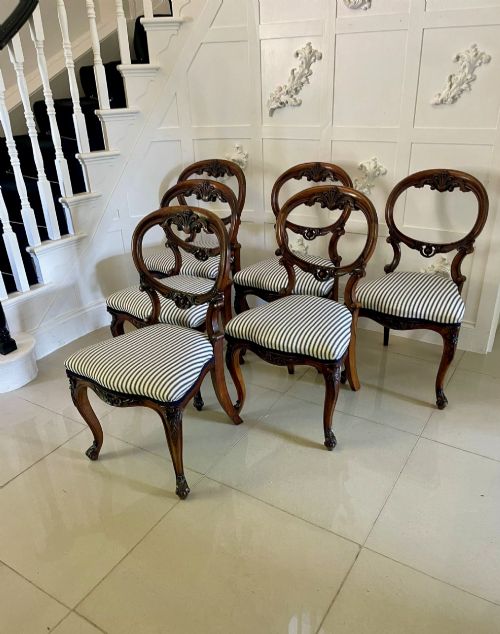
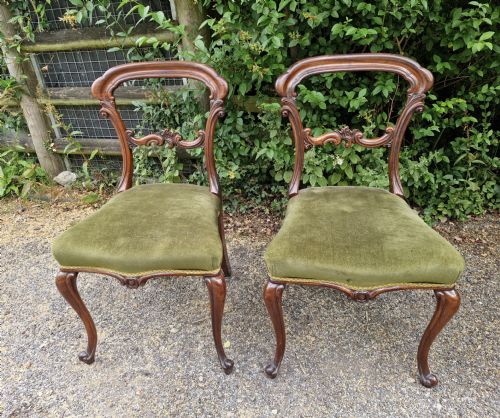
- A rounded, oval-shaped chair back popular during the Victorian period. This profile offers ergonomic support while showcasing the grain of rosewood or mahogany frames.
- Hall chair
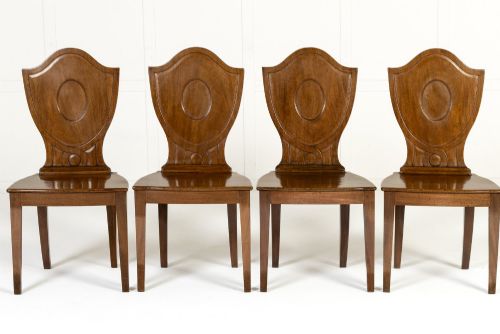
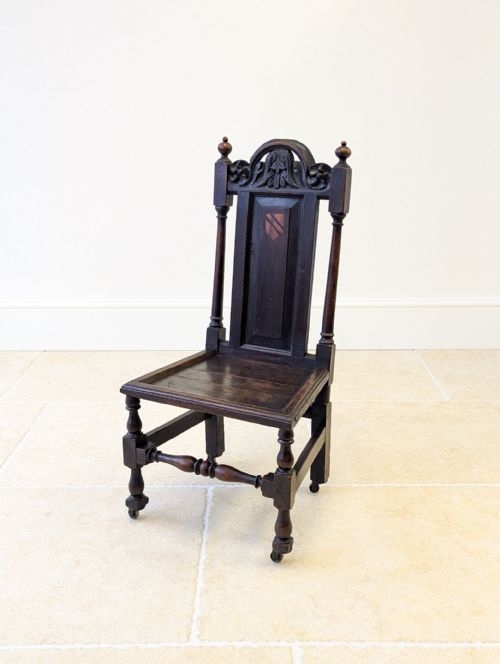
- A rigid wooden seat typically placed in an entrance hallway rather than around a dining table. These pieces often feature solid timber seats and carved heraldic or shell motifs.
- Gossip chair
- A low-backed seating form designed for seated conversation, appearing in Edwardian furniture production. These chairs combine compact proportions with timber framing.
- Padouk
- A dense tropical hardwood known for its deep reddish hue and durability. Artisans utilised this timber for detailed carving on nineteenth-century pieces.
- Trefoil
- A three-lobed decorative ornament often pierced through Gothic Revival chair backs. This architectural motif references medieval stone window tracery.
Carved Timber Dining Chairs: Frequently Asked Questions
How do I care for antique timber chairs?
Maintain timber surfaces by applying appropriate furniture wax periodically to nourish the wood and prevent drying out. Keep chairs away from direct heat sources and strong sunlight to protect the finish.
Inspect joints regularly for stability rather than applying harsh chemical cleaners to the carved sections. Gentle dusting with a dry cloth preserves both exposed wood and any upholstered elements.
Can I mix different chair styles around one table?
Combining different chair styles creates an eclectic dining arrangement, provided the wood tones or scale share some common ground. Pairing side chairs with armchairs at the table ends offers a traditional layout.
Matching timber species often unifies diverse historical periods within the same dining space. Ensure seat heights remain consistent so diners sit at a comfortable level relative to the tabletop.
What is the difference between a side chair and a hall chair?
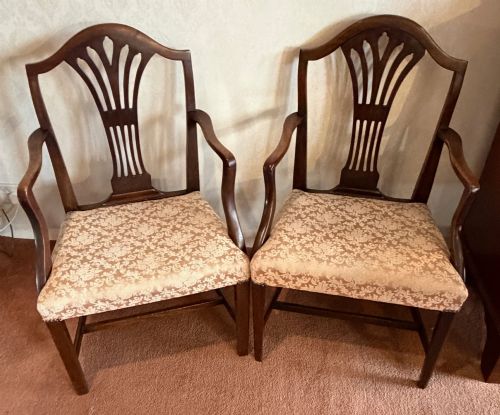
Side chairs are built for comfortable seating around a dining table, frequently featuring padded or upholstered seats. They prioritise ergonomics and extended sitting during meals.
Hall chairs feature rigid, un-upholstered wooden seats and upright backs intended for brief use in corridors or entryways. Their decoration focuses on carved wooden panels and bold silhouettes rather than comfort.
How do I identify a Victorian dining chair?
Victorian dining chairs often feature dark hardwoods like mahogany or rosewood, frequently shaped into curved balloon-back profiles. Carved ornamentation draws on earlier historical revivals.
Construction from this era commonly utilises robust turned legs and heavier proportions than eighteenth-century models. Many retain nineteenth-century upholstery styles or later recovered seat pads.