

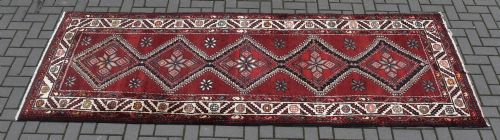

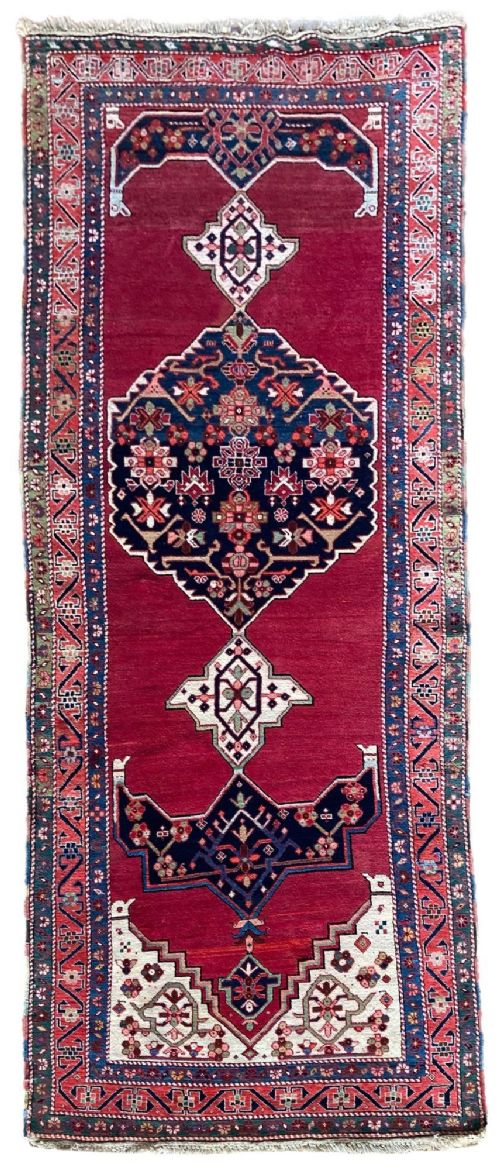
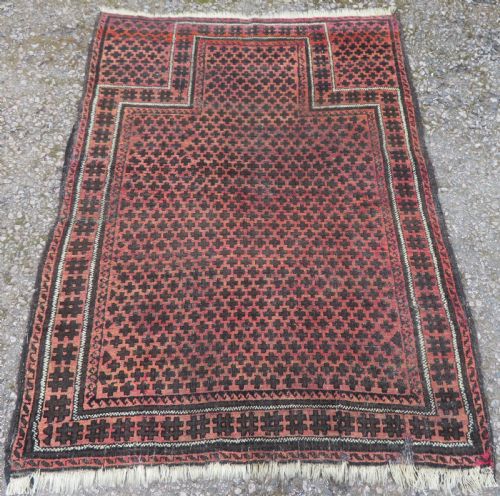


Dark Red Wool Carpet
A dark red wool carpet brings warmth and deep tribal character to a room through rich natural dyes and enduring handwoven structures.
Dark Red Wool Carpet
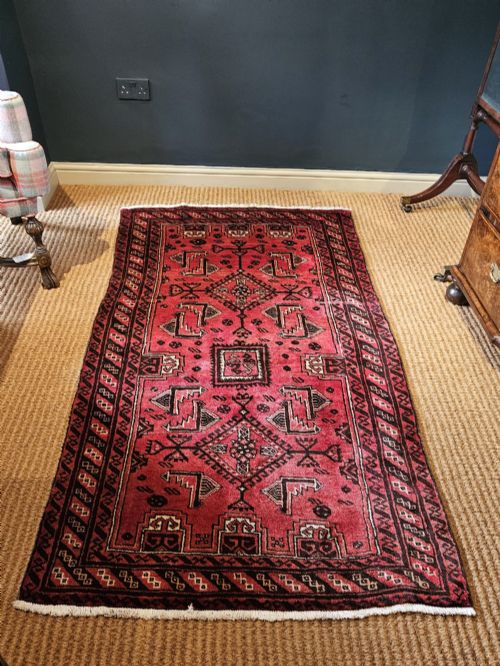
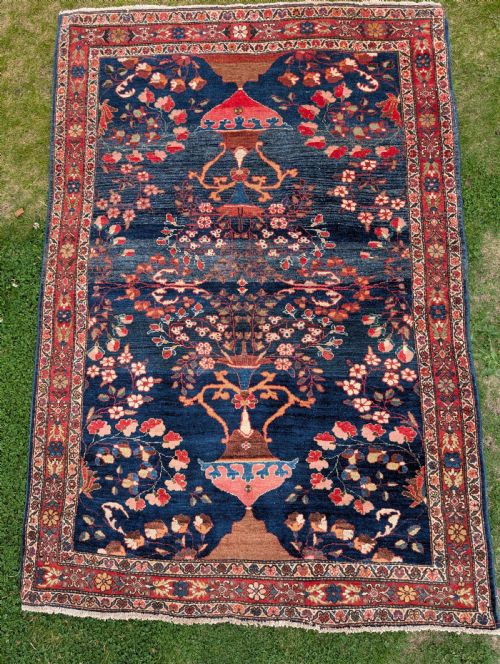
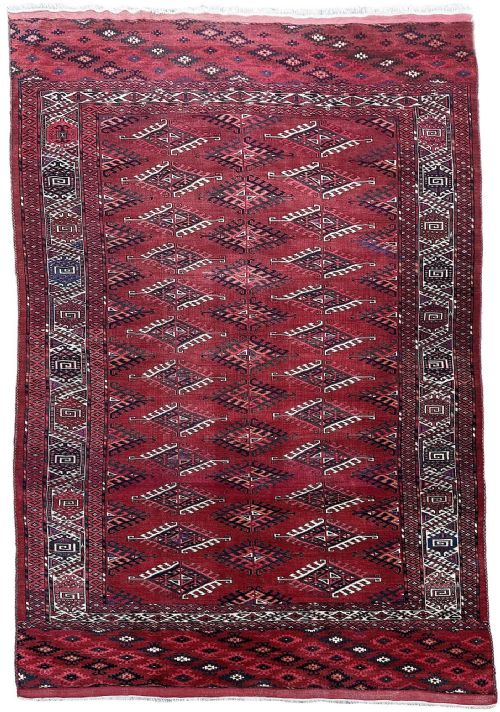
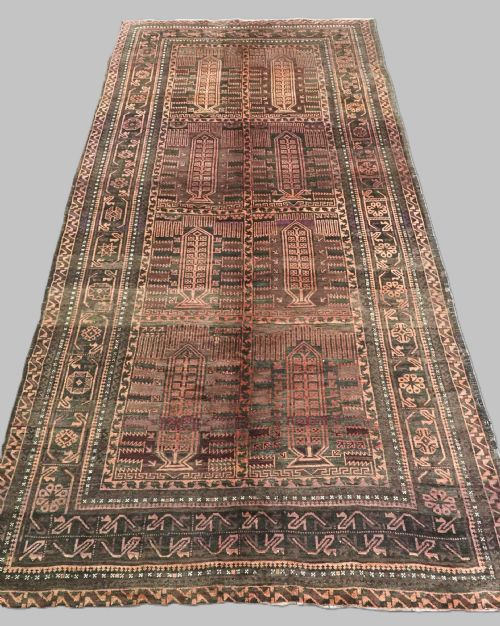
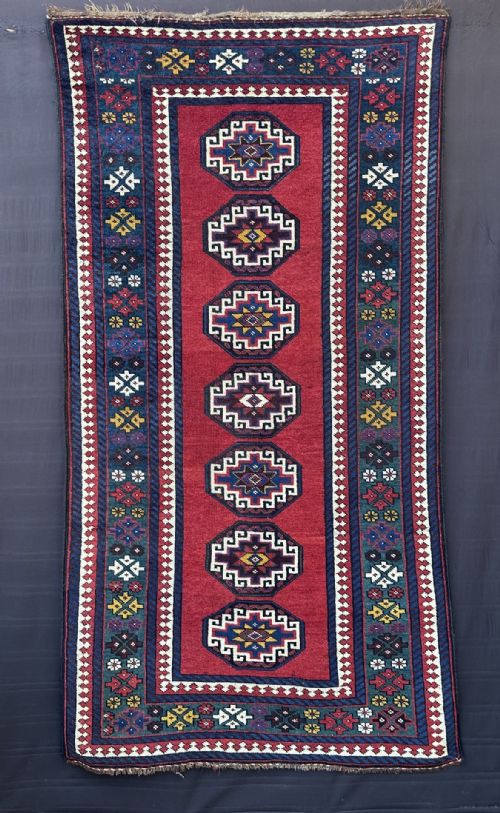
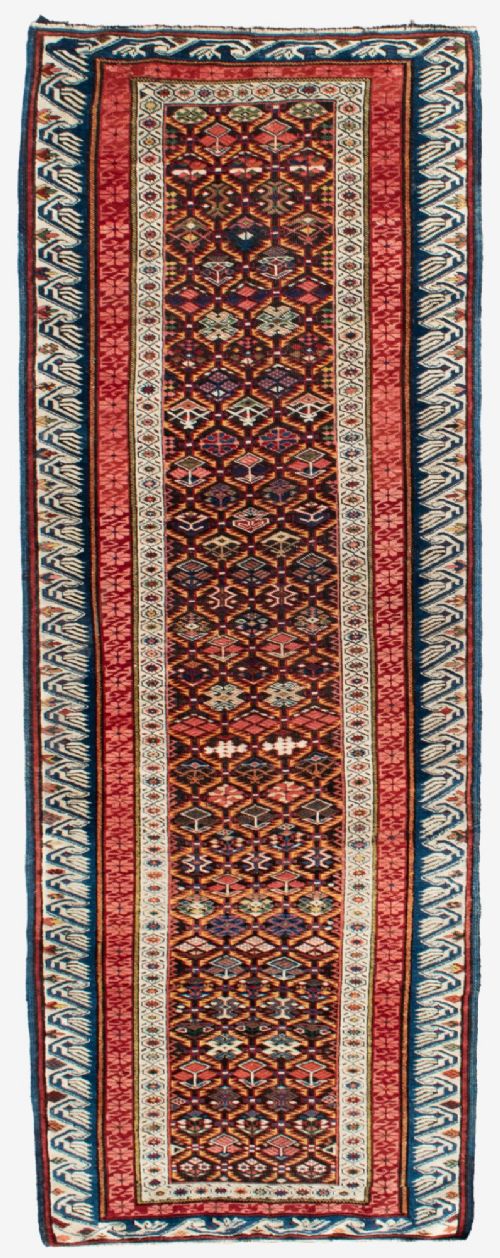
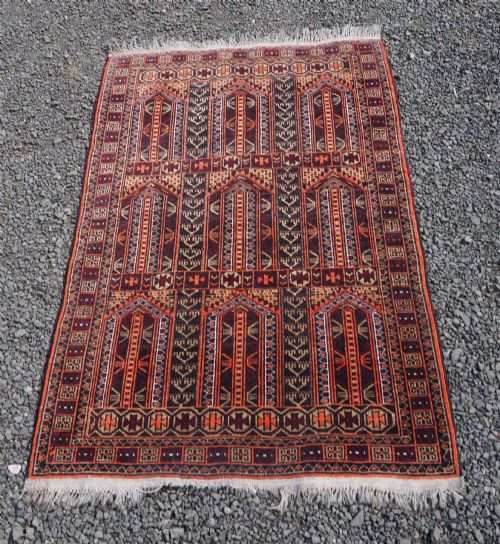
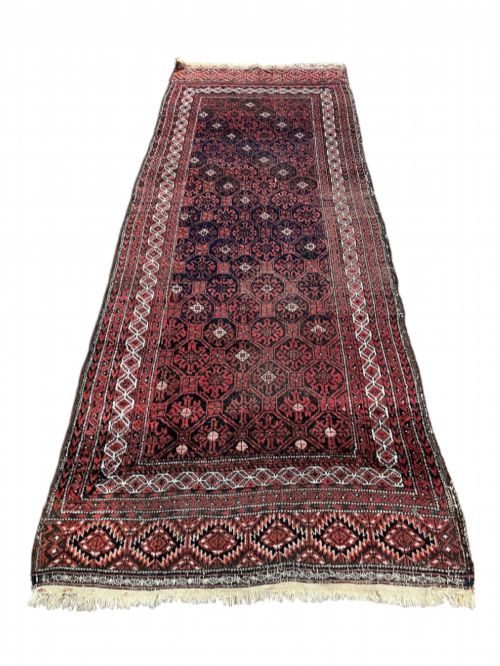
A dark red wool carpet encompasses antique tribal and village weaving traditions originating from Persia, Afghanistan, Caucasus, and Central Asia. These textiles arrive in various formats including area rugs, long runners, prayer rugs, and small torba faces dating primarily from the late nineteenth century into the early decades of the twentieth century. Buyers seeking this phrase encounter rich madder-dyed foundations featuring traditional motifs such as guls, mihrabs, and geometric field patterns.
The pieces appearing on this page reflect diverse nomadic and workshop origins, including Baluch, Turkmen, Kurdish, and Qashqai groups. Each region imparts distinct design characteristics, from the intricate pencil box motifs of Baluch weavers to the bold repeated guls of Yomut and Tekke Turkmen carpets. This selection prioritises authentic handmade floor coverings and smaller tribal trappings woven with traditional wool foundations.
Materials and Construction
These carpets rely heavily on wool and hand-spun wool for their pile and foundation, often supplemented by cotton or goat hair in the warp and weft structures. Artisans utilised natural dyes, particularly rich madder roots, to achieve the deep crimson and dark red hues characteristic of these regional textiles. The resulting fabrics combine sturdy knotting with supple handling, built to withstand daily use over generations.
Weaving techniques vary from the fine, precise knotting seen in Persian workshop carpets to the robust, dense structures typical of tribal rug runners and torbas. Hand-spun yarns produce subtle tonal variations across the field, as the irregular absorption of natural dyes creates a living surface that shifts in different lights. Goat hair and wool foundations provide the structural stability required for centuries of floor use.
Dark Red Wool Carpet Retail Price Guide 2026
Typical asking prices for dark red wool carpet among the pieces listed under this phrase on Sellingantiques today, from the lower quarter to the upper quarter. They describe what is for sale here now, not the wider market.
Listings feature wool, cotton, goat hair, and natural dyes across periods spanning the late nineteenth century through the 1930s.
Assessing Quality and Execution
Quality in these carpets rests on the handle of the wool, the depth and clarity of the natural dyes, and the integrity of the weave. Finer knots and tightly packed foundations denote greater time investment by the weaver, resulting in sharper definition within complex geometric and floral designs. The handling of the textile should feel supple yet substantial, indicating sound wool selection and correct tension during production.
The visual balance of the field and the consistency of the hand-spun wool further distinguish finer examples from standard village production. Superior pieces exhibit harmonious colour saturation where dark red tones retain vibrancy and depth rather than appearing flat or muddy. Preserved borders and intact selvedges complete the picture of an exemplary tribal weaving.
The Dark Red Wool Carpet Glossary
- Gul
- A primary octagonal or gabled medallion motif repeated across Turkmen and Central Asian carpets. These emblems often denote specific tribal lineages and family clans.
- Mihrab
- An arched design element derived from Islamic prayer niches, commonly orienting the field of smaller prayer rugs. This feature points the worshipper toward Mecca.
- Torba
- A small utilitarian tribal bag face used for storage within nomadic tents. These pieces frequently display intricate secondary designs and rich piled surfaces.
- Madder
- A natural dye extracted from the roots of the Rubia plant, utilised to produce deep reds and terracotta tones in antique oriental carpets. It provides exceptional lightfastness and ages gracefully.
- Warp
- The vertical foundation threads stretched lengthwise on the loom before knotting begins. Weft threads are passed across these structural elements to secure the pile.
Dark Red Wool Carpet: Frequently Asked Questions
Where were these dark red wool carpets made?
These carpets originate from nomadic and village weaving traditions across Persia, Afghanistan, the Caucasus, and Central Asia. Communities such as the Baluch, Turkmen, and Qashqai produced them for daily domestic use and tribal life.
Production centres included regional hubs like Kashan and Kelardasht, alongside remote tribal encampments where weavers relied on local sheep's wool and plant dyes.
How do I care for an antique wool carpet?
Care requires gentle, regular vacuuming without rotating brush heads to protect the fragile hand-spun wool pile. Professional cleaning suited to antique textiles preserves the natural lanolin and dye stability.
Keep the carpet out of direct, harsh sunlight to prevent fading of the madder reds and use a breathable underlay to prevent sliding and wear against hard floors.
What is the difference between a runner and an area rug?
Runners feature an elongated, narrow format specifically designed for hallways, corridors, and bedside placement. Their proportions accommodate restricted spatial requirements while maintaining traditional border designs.
Area rugs provide broader rectangular dimensions suited to anchoring central spaces in a room, displaying more expansive field patterns and larger central medallions.