




Dark Patinated Bronze Sculpture
These dark patinated bronze sculpture pieces bring classical figures, animalier subjects and historic deities into interiors with deep metallic warmth.
Dark Patinated Bronze Sculpture
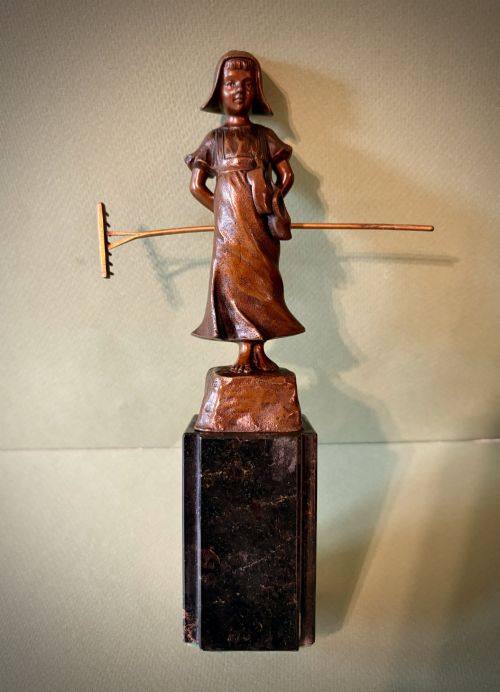
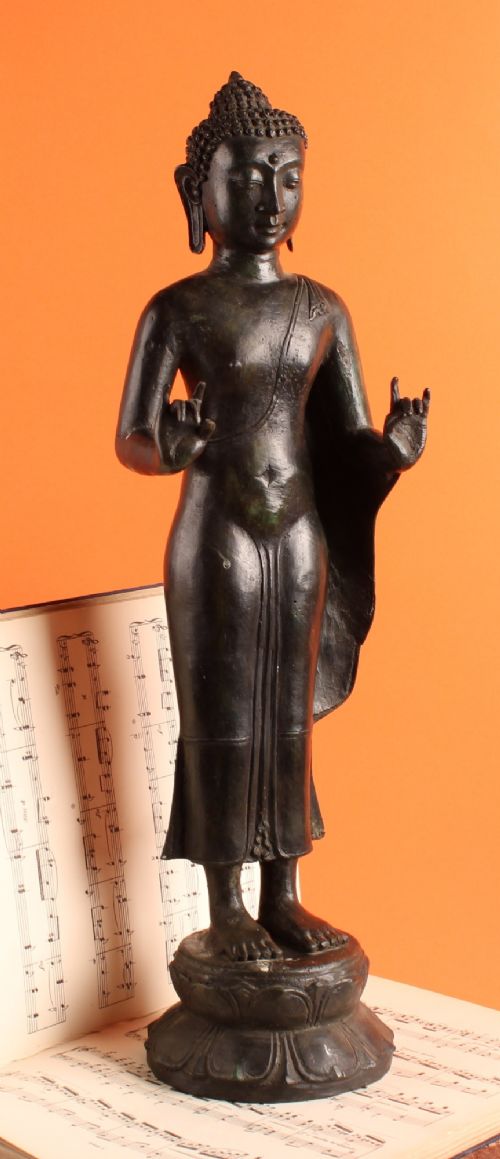
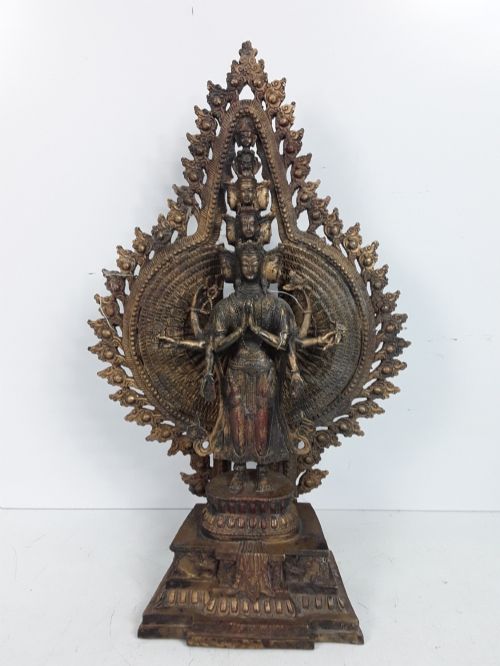
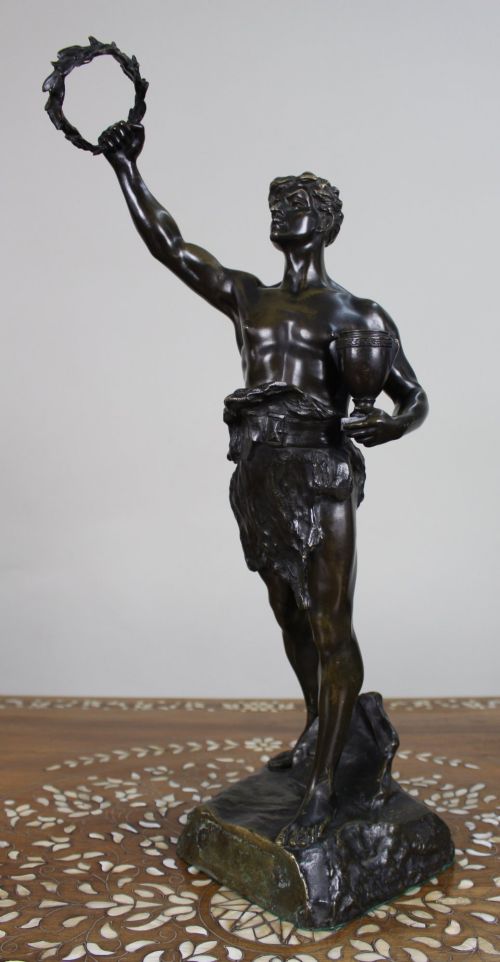
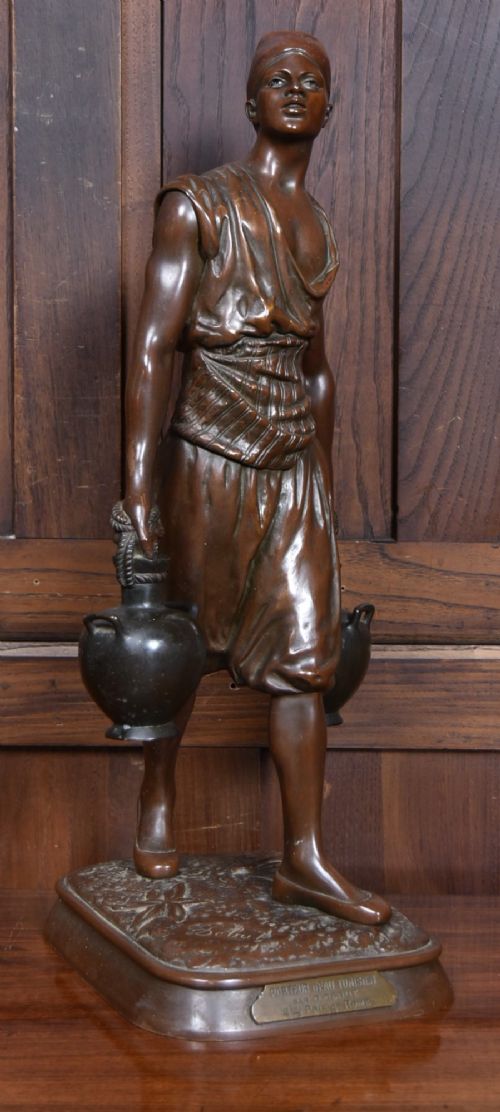
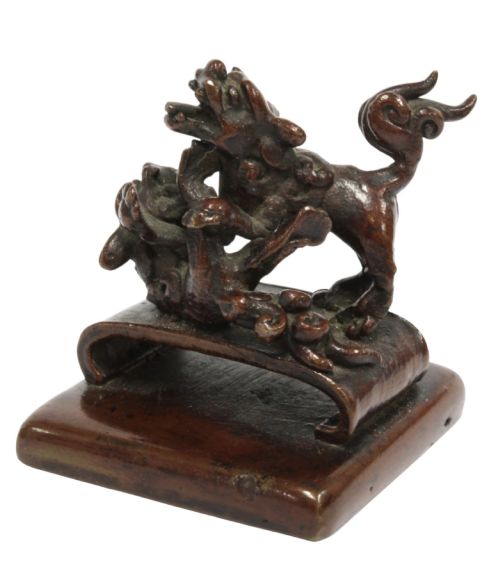
A dark patinated bronze sculpture represents figures, animals and classical subjects cast in metal and finished with a deep chemical or natural coloration. When you search for dark patinated bronze sculpture, you encounter works ranging from 17th century Chinese scholar's seals to 19th century French animalier groups and Japanese Meiji period okimono.
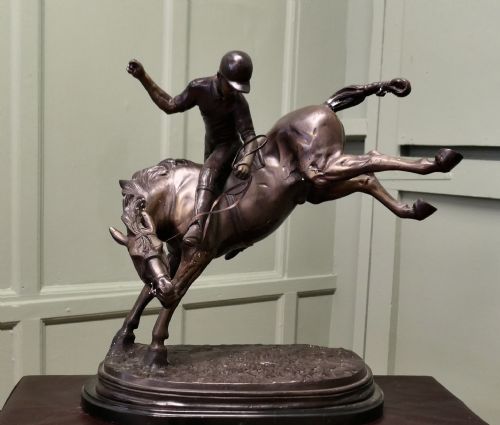
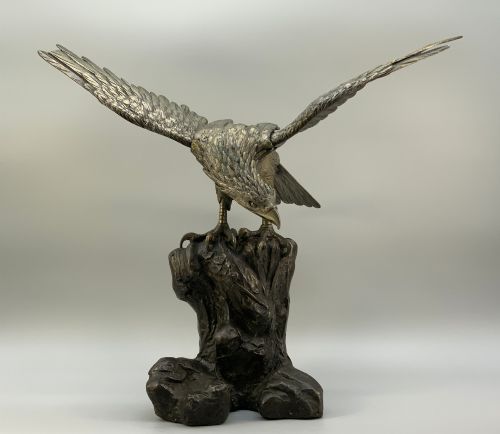
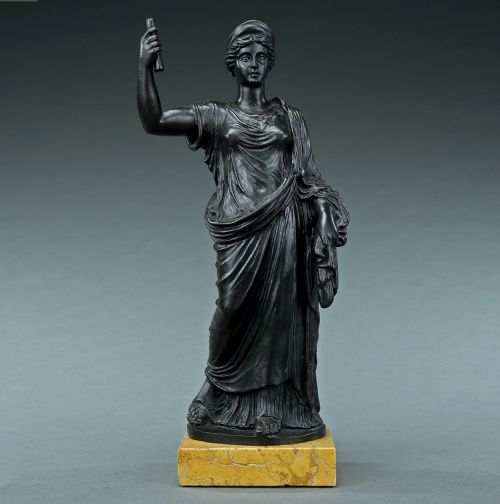
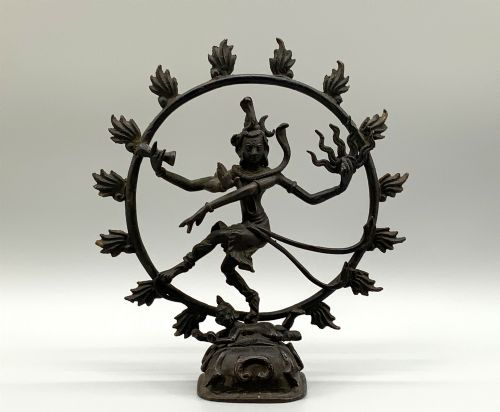
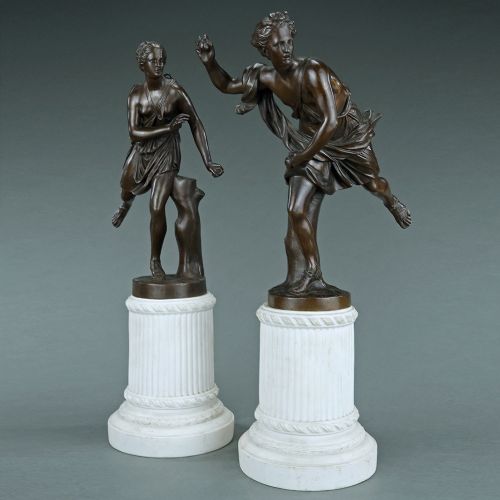
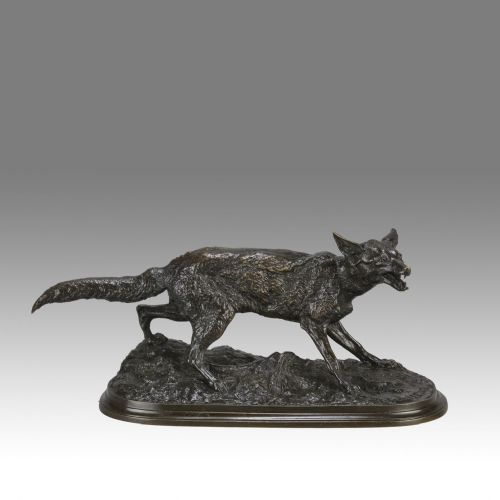
The selections span distinct cultural traditions, including Grand Tour souvenirs of ancient deities, Art Deco panthers mounted on marble bases, and Indian figures of Shiva Nataraja. French animalier bronzes depicting lions, birds and horses appear frequently alongside classical mythological subjects such as Mercury, Venus and dancing fauns.
How they were made
These works utilise copper alloy casting methods, primarily bronze, combined with applied patination treatments to achieve dark brown, near-black or greenish surface tones. Many pieces integrate secondary components such as marble bases, wooden mounts or highlights in gilt bronze and ormolu.
Foundries applied chemical solutions to heated metal surfaces to accelerate oxidation and create the characteristic dark patina. Skilled chiselling and filing refined the raw cast details before final mounting.
Among the fauna are bronze pigs, dancing fauns and wrestling shishi lions sharing space with neoclassical robed ladies.
What varies in quality
Quality rests in the crispness of the chase work and the subtlety of the surface patination rather than the sheer scale of the casting. Superior examples retain fine anatomical definition in animal fur, human musculature and facial expressions without blurring from worn moulds.
The integrity of the foundry signature, the precision of the joinery where separate cast elements meet, and the quality of associated marble or stone plinths distinguish exceptional studio output from standard commercial production.
Ferdinand Barbedienne·P J Mêne·Eugene Canneel·Francois Redmond·G Amodio Naples
The Dark Patinated Bronze Sculpture Glossary
- Patina
- A chemical surface coloration developed naturally over time or applied by a foundry to bronze. It protects the metal and defines the visual depth of the sculpture.
- Animalier
- A 19th century artistic style focusing on realistic depictions of animals. Practitioners specialised in capturing dynamic movement and anatomical accuracy.
- Grand Tour
- A traditional trip through Europe undertaken by young upper-class scholars in the 18th and 19th centuries. Travellers collected small bronzes of classical antiquities as souvenirs.
- Okimono
- A Japanese decorative statuette designed for display in a domestic interior. These carvings and metal sculptures often depict figures, animals or folklore.
Dark Patinated Bronze Sculpture: Frequently Asked Questions
What is a dark patinated bronze sculpture?
It is a cast metal artwork treated with chemical solutions to produce a dark brown or near-black surface finish. These pieces depict figures, animals and classical subjects across multiple centuries.
Such sculptures utilise copper alloys and often incorporate secondary materials like marble or wood bases to anchor the composition.
How do I care for bronze sculpture?
Keep the metal away from direct moisture and clean it periodically with a soft, dry cloth to remove dust. Avoid using abrasive polishes that might strip the original patina.
Maintaining a stable indoor climate prevents environmental degradation of both the bronze surface and any attached stone bases.
What does animalier mean on a sculpture?
Animalier refers to an artistic genre dedicated to portraying animals with strict anatomical realism. Artists in this tradition captured beasts in motion or repose.
Such works frequently depict lions, horses, birds and hounds cast in bronze during the nineteenth century.
What are Grand Tour bronzes?
They are small-scale replicas of classical statues, busts and architectural elements collected by travellers in Europe. Tourists purchased them as mementos of their cultural journeys.
These pieces typically represent ancient Greek and Roman deities, mythological figures and historic ruins.