











Dark Patina Sculpture
A dark patina sculpture brings depth and rich shadow into a room, capturing the tactile weight of cast metal and stone.
Dark Patina Sculpture
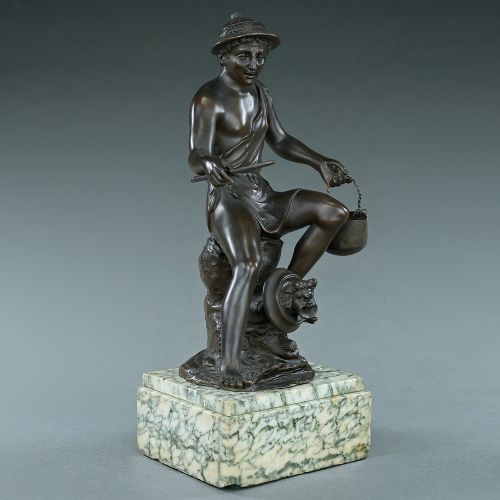
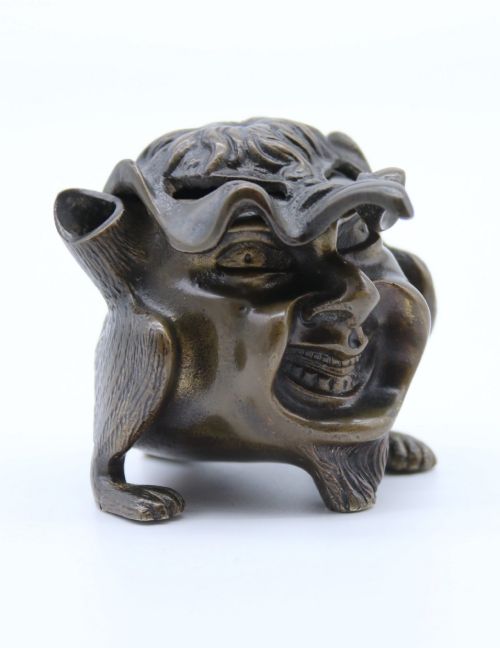
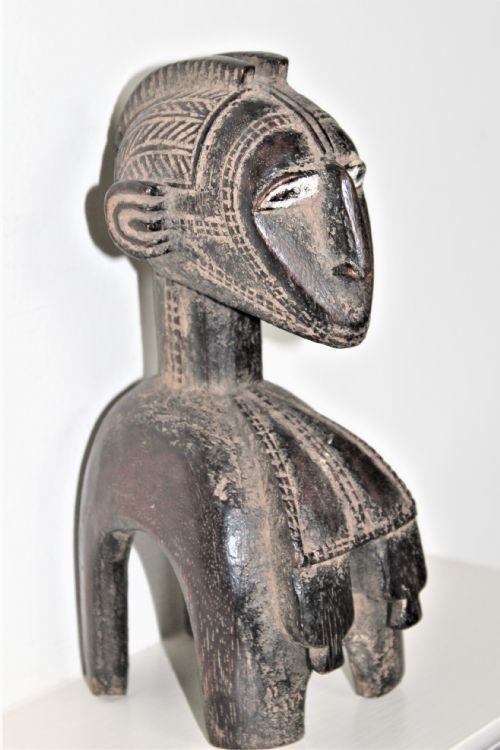
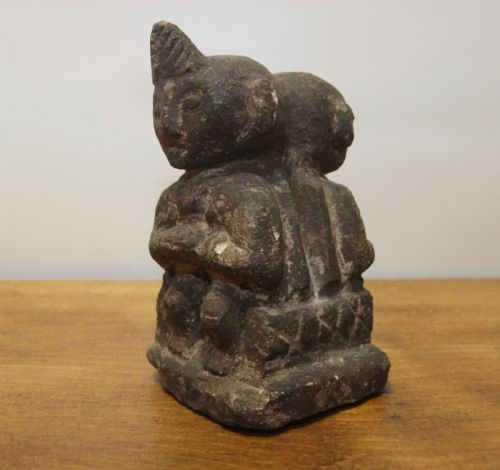
A dark patina sculpture encompasses figurative works, animalier studies, and decorative objects cast in bronze or spelter, alongside carved stone and wood. These pieces emerge primarily from the nineteenth and early twentieth centuries, spanning Victorian, Neoclassical, Art Nouveau, and Art Deco aesthetics.
The version most commonly encountered on this page is the nineteenth-century Grand Tour bronze or animalier study, often mounted upon a marble or fossil marble base. Figures range from mythological subjects and classical deities to naturalistic renderings of hounds, panthers, and horses.
Materials and casting techniques
Foundry work relies heavily on bronze casting, alongside spelter utilised as an accessible alternative for decorative lamps and ornaments. Artisans apply chemical treatments or pigments to bare metal surfaces to accelerate and control oxidation, producing rich brown, black, and deep green tones.
Sculptors combine metal casting with carved supports, mounting figures onto bases of plain marble, fossil marble, or stone. Pigments and applied patination highlight muscular definition and drapery, creating contrast across the contours of the form.
Dark Patina Sculpture Retail Price Guide 2026
Typical asking prices for dark patina sculpture among the pieces listed under this phrase on Sellingantiques today, from the lower quarter to the upper quarter. They describe what is for sale here now, not the wider market.
Listings feature works spanning from the thirteenth century through the Victorian era to post-1960 casts, executed in bronze, spelter, marble, and wood.
Assessing quality in metal and stone
Superior examples demonstrate precision in the foundry chase work, where artisans hand-finish the cooled metal to sharpen feather details, musculature, and facial expressions. The depth and stability of the chemical patination indicate careful preparation of the metal surface prior to oxidation.
The integration between the sculpture and its mount dictates structural integrity, with dense fossil marble or veined marble bases providing appropriate weight. Casts bearing clear artist signatures or foundry marks reflect established workshop standards.
Pierre Jules Mene·Emmanuel Villanis·Anna Vaughn Hyatt Huntington·Isidore Bonheur·A L Barye·Barbedienne
The Dark Patina Sculpture Glossary
- Patina
- The surface coloration and sheen developed through age, handling, or chemical treatment by the foundry. This layer protects the underlying metal and defines the visual character of the piece.
- Animalier
- A nineteenth-century artistic movement dedicated to the realistic portrayal of animals, particularly dogs, big cats, and horses. Practitioners observed anatomy closely in menagerie settings.
- Grand Tour
- Souvenirs purchased by travellers on educational journeys through Europe during the nineteenth century. These reductions of classical sculptures replicate famous antiquities in bronze or marble.
- Spelter
- A zinc alloy utilised as a substitute for bronze in decorative figures and lamps. It is lighter than bronze and typically bears a painted or patinated surface finish.
- Okimono
- A Japanese decorative freestanding sculpture designed for display within a traditional interior setting. These carvings and metalwork pieces exhibit meticulous attention to natural textures.
Dark Patina Sculpture: Frequently Asked Questions
What is a dark patina?
A dark patina is the surface tone formed on metal through oxidation or deliberate chemical application. It ranges from deep chocolate brown to near black and green.
This finish protects the bronze underneath and accentuates the contours and shadows carved by the sculptor.
How do I care for bronze sculptures?
Bronze requires minimal maintenance beyond occasional dusting with a soft, dry cloth. Avoid chemical cleaners or excessive handling that might strip the protective wax.
Applying a microcrystalline wax periodically helps preserve the stability of the patination against atmospheric moisture.
How are bronze and spelter told apart?
Bronze is heavy, sonorous when gently tapped, and holds a cool temperature longer than zinc-based alloys. Spelter is lighter, softer, and often shows silvery grey metal where the surface finish has worn.
Spelter figures frequently appear in domestic lighting and decorative ornaments from the early twentieth century.
What periods do these sculptures date from?
The selection spans from nineteenth-century Neoclassical and Victorian works to twentieth-century Art Deco and mid-century modern castings. Earlier pieces include carved stone antiquities from the thirteenth and fourteenth centuries.
Nineteenth-century Grand Tour and animalier bronzes form the primary concentration within the available selection.