

Dark Oak Wall Carving
Dark oak wall carving brings solid architectural presence to an interior through centuries-old timber moulded into panels, mirrors, and functional wall furniture.
Dark Oak Wall Carving
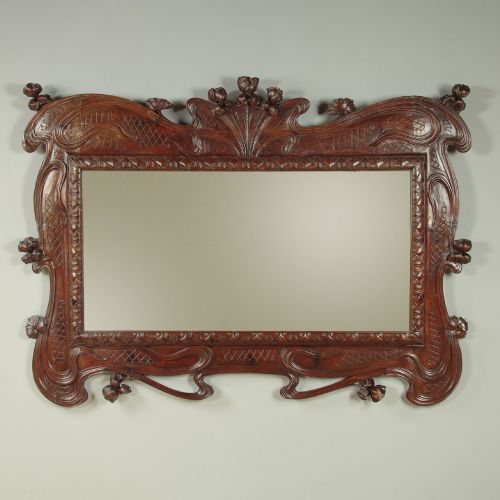
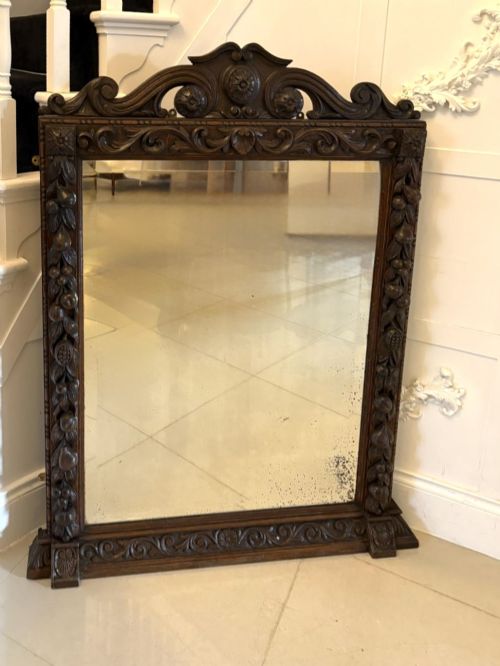
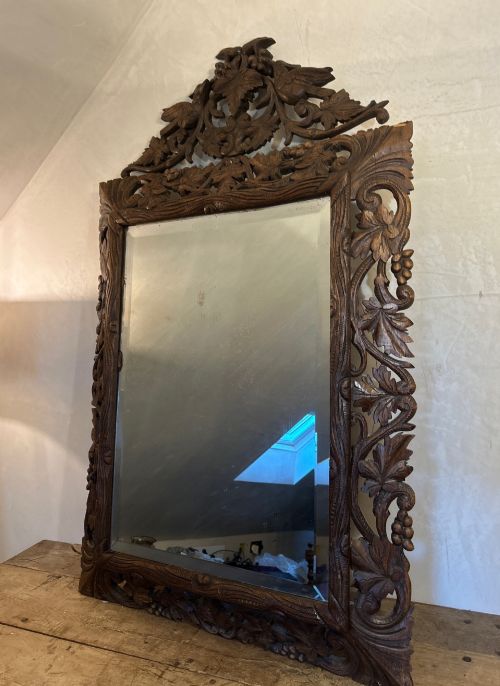
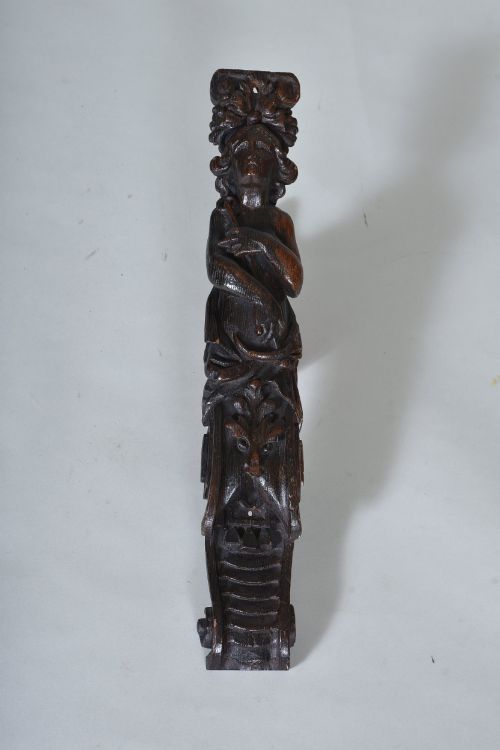
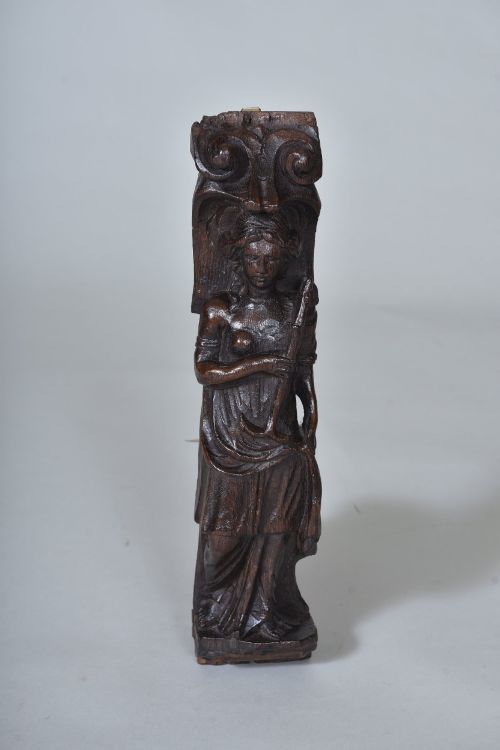
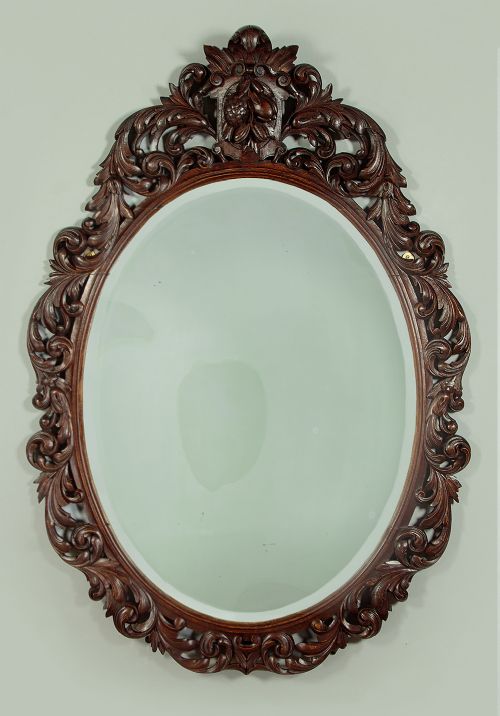
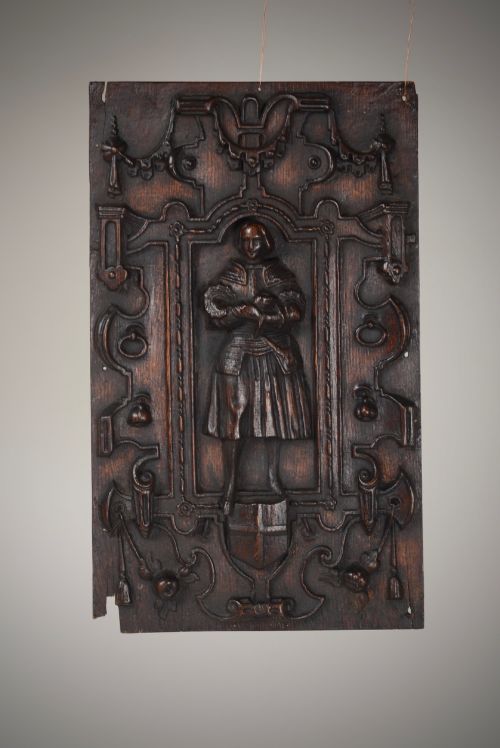
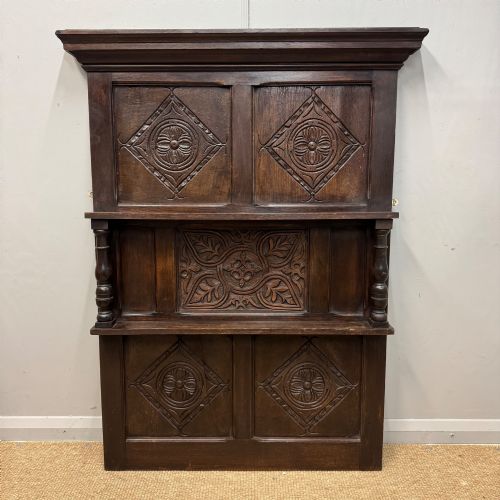
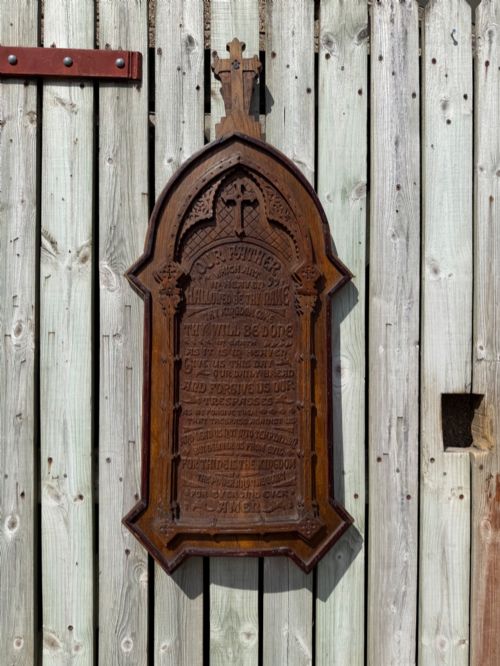
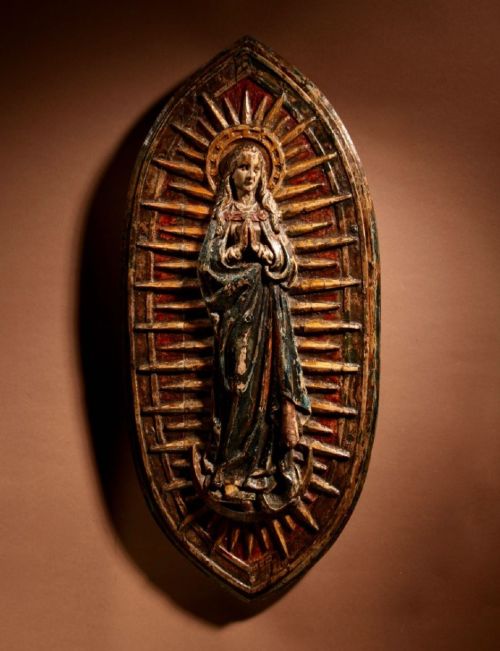
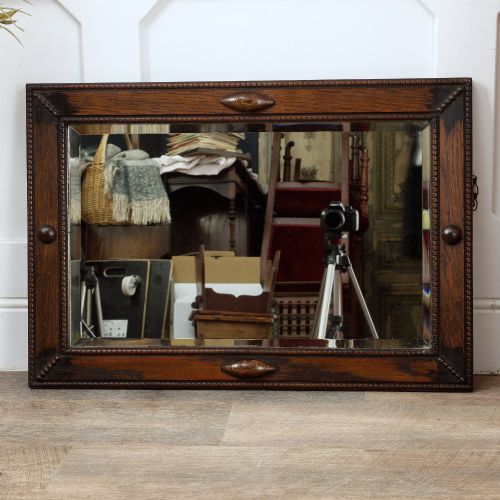
When searching for dark oak wall carving, you encounter a robust range of architectural salvage, wall panels, mirrors, and cabinets shaped from heavy timber. These pieces span from the sixteenth century through the Victorian era, reflecting stylistic shifts from Tudor linenfold to Gothic Revival and Black Forest ornament.
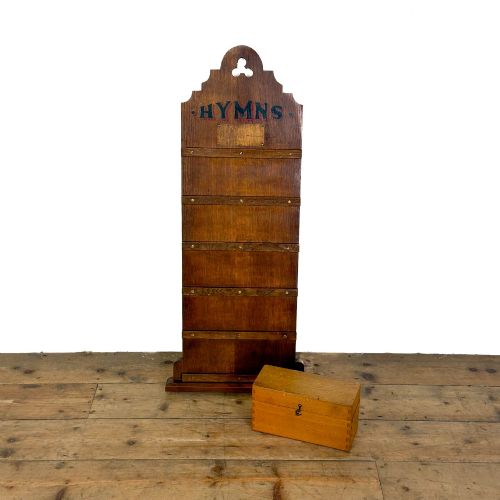
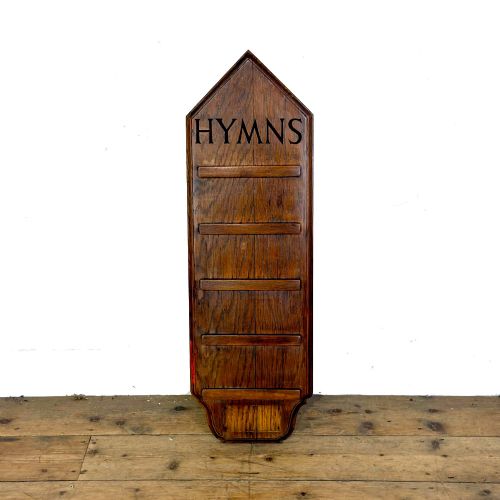
The most frequent examples on this page are nineteenth-century interpretations of earlier motifs alongside genuine seventeenth-century panels and wall-mounted cupboards. Domestic items such as coat racks, barometers, and candle boxes also appear, each incorporating carved woodwork intended for interior display.
Materials and technique
Makers relied primarily on solid oak, utilising its dense grain and durability for deep relief carving and structural stability. Secondary materials such as iron hardware, glass, and brass appear on functional pieces like salt boxes, mirrors, and barometers.
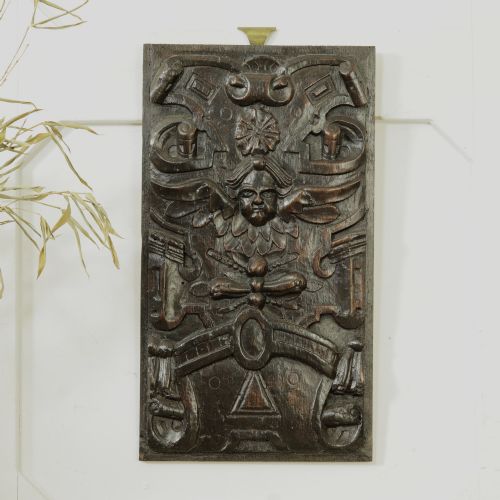
Carvers employed hand chisels and gouges to shape the timber directly, producing crisp linenfold patterns, figurative panels, and high-relief mythological or religious scenes. Surfaces were often left untreated or finished with traditional wax to darken naturally over time.
Listings feature items spanning multiple centuries, from sixteenth-century ecclesiastical linenfold panels to twentieth-century Edwardian coat racks.
Assessing quality and execution
Quality in dark oak wall carving rests upon the depth and precision of the hand-carved detail, distinguishing fluid, confident toolwork from shallow or mechanical output. The crispness of undercut foliage, facial expressions in figural reliefs, and the integration of the carving into the architectural frame define the upper tier.
The integrity of the timber itself and the retention of original surface patination separate superior survivals from heavily restored examples. Pieces featuring intact period hardware, such as original iron hinges or brackets, hold greater historical coherence.
Hyde & Sons Sleaford
The Dark Oak Wall Carving Glossary
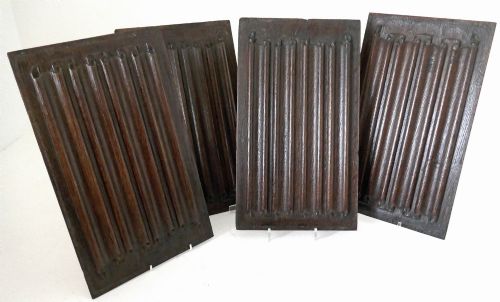
- Linenfold
- A style of wooden panelling carved to resemble folded cloth. It is commonly found on sixteenth-century panels and ecclesiastical furniture.
- High-relief
- A sculptural technique where the figures project significantly from the background plane. This creates strong shadow and three-dimensional depth on wall panels.
- Aneroid barometer
- A weather-measuring instrument that uses an internal sealed metal box rather than liquid. These often housed within carved wooden wall cases during the nineteenth and early twentieth centuries.
- Pediment
- A decorative architectural crowning element placed above a door, shelf, or cabinet. In wall carvings, these often feature detailed foliate or figural work.
- Architectural salvage
- Building elements removed from older structures for reuse or display. This category includes decorative wall panels and overdoor sections.
Dark Oak Wall Carving: Frequently Asked Questions
How do I hang a heavy oak wall panel?
Heavy oak carvings require secure fixings anchored directly into wall studs or masonry using appropriate brackets. Professional framing or mirror plates distributed across the weight-bearing framework ensure safety.
Because sixteenth and seventeenth-century timber is exceptionally dense, temporary supports should be utilised during installation to prevent damage to the historic wood.
How do I clean carved oak woodwork?
Dust accumulated within deep relief carvings is best removed using a soft, dry natural bristle brush or a microfibre cloth. Avoid modern liquid polishes or silicone sprays, which can build up in the recessed grain.
Applying a light coat of traditional beeswax periodically helps nourish the dry timber and maintains the natural lustre of the dark surface.
How do I distinguish sixteenth-century panels from Victorian copies?
Early panels display tool marks left by hand chisels and uneven shrinkage consistent with centuries of age. The grain pattern on older oak often shows distinct medullary rays from quarter-sawing.
Victorian Gothic Revival pieces frequently exhibit uniform machine-assisted cuts and lighter, less patinated timber underneath the dark stain.
Were these carvings originally part of furniture?
Many wall panels and reliefs originated as cupboard doors, overmantels, or altarpieces before being adapted for wall hanging. Dismantled architectural elements were frequently mounted as decorative panels in later centuries.
Examining the edges and reverse of the board often reveals mortise holes or rebate grooves that indicate its previous structural role.