

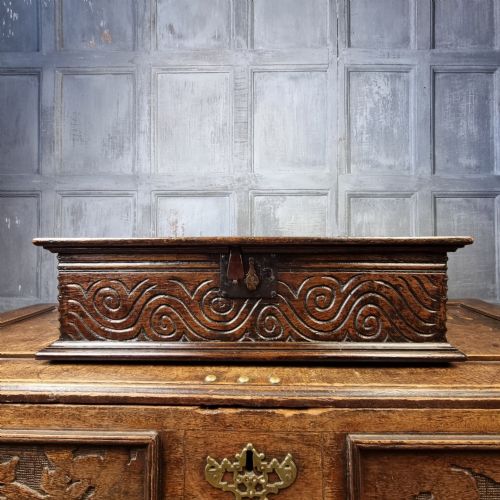


Dark Oak Tabletop Chest
A dark oak tabletop chest is a compact, centuries-old repository for spices, documents, and valuables that brings warmth and tangible history to any surface.
Dark Oak Tabletop Chest
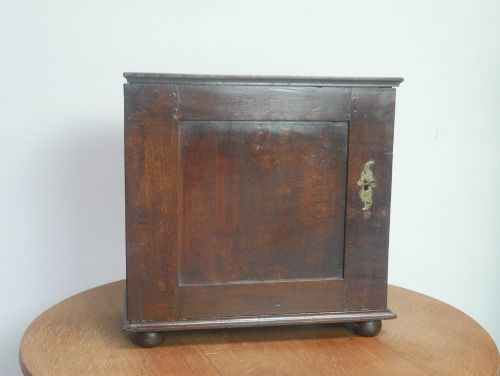
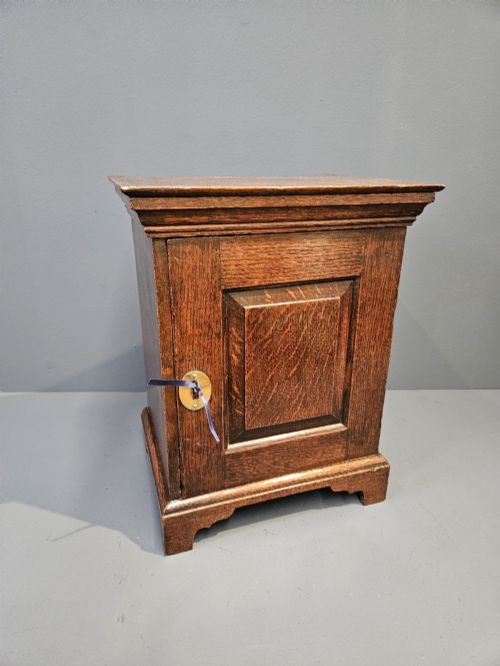
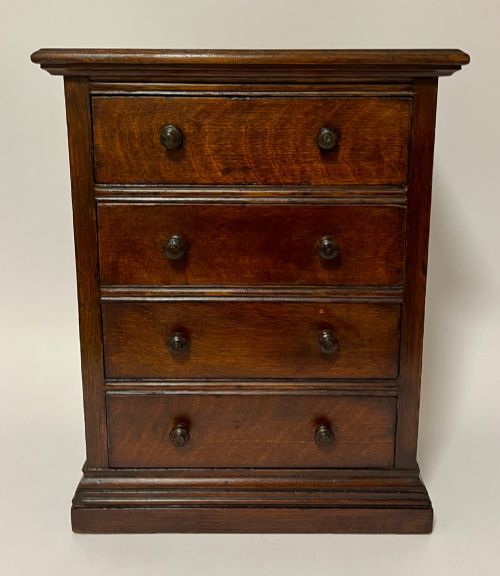
A dark oak tabletop chest encompasses a variety of miniature furniture forms, including spice cupboards, desk boxes, and small drawer units designed to sit upon furniture rather than the floor. You will encounter pieces spanning from the seventeenth century through the Georgian and Victorian eras, with eighteenth-century examples appearing frequently.
Materials and construction methods
Cabinet makers utilised dense oak timber, often finished with patinated dark tones that highlight the natural grain and medullary rays. Construction frequently involved hand-cut dovetail joints and pegged framing to ensure stability in miniature proportions.
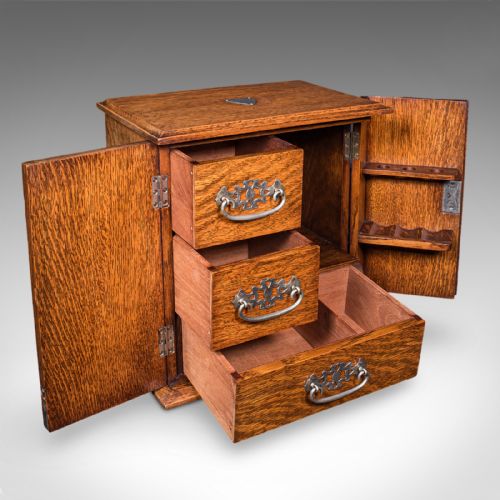
Hardware played an essential functional and decorative role, with brass drop handles, keyplates, and iron hinges fixed securely to the timber. Interior layouts often revealed small drawers, hidden compartments, or spice pigeonholes constructed with equal attention to detail.
Certain miniature chests include tiny secret drawers hidden behind false panel partitions, designed to outsmart curious houseguests.
Distinctions in craftsmanship and condition
Quality separates pieces through the crispness of the original joinery, the retention of matching period hardware, and the depth of the timber's aged patina. Finer examples maintain untouched interior layouts, original backboards, and structurally sound framing without extensive timber replacement.
The sophistication of the miniature form dictates the upper tier of the range, where complex configurations like kneehole desks or inlaid collectors cabinets demonstrate superior joinery skills. Lesser examples show mismatched repairs, replaced drawer linings, or heavily stripped surfaces that obscure the age of the wood.
The Dark Oak Tabletop Chest Glossary
- Coffor bach
- A small Welsh coffer or chest, traditionally constructed in oak as a marriage or keepsake gift. These miniature chests often feature hinged lids and single or double base drawers.
- Spice cupboard
- A small wall or tabletop cabinet fitted with numerous internal drawers designed for storing valuable culinary spices and herbs. They typically feature panelled single doors with brass H-hinges.
- Bible box
- A sloping-lidded desktop box utilised historically for storing household ledgers, Bibles, and writing materials. These early pieces frequently rest on bracket feet or directly upon a surface.
Dark Oak Tabletop Chest: Frequently Asked Questions
What were dark oak tabletop chests used for?
These small chests served domestic and professional purposes for storing precious commodities, writing supplies, and important documents. Households utilised spice cabinets in kitchens, while desk boxes and stationery chests kept personal correspondence secure in studies.
Merchants and professionals also employed countertop drawer units for organising small instruments, apothecary items, or daily receipts. Their portable nature allowed valuable items to be moved easily between rooms.
How do I date a dark oak tabletop chest?
Dating relies heavily on examining construction techniques, joinery marks, and the style of the hardware. Seventeenth-century and early eighteenth-century pieces often display pegged frames, hand-carved details, and simpler iron or brass fittings.
Later Georgian and Victorian examples introduce more refined dovetailing, sophisticated drawer configurations, and distinct brass handles. Secondary timbers and the degree of timber shrinkage also provide reliable clues to the age of the piece.
Are these chests heavy to move?
Despite being built from dense oak timber, their miniature proportions make them manageable to lift and reposition. Most tabletop forms are designed specifically to sit firmly on desks or counters without requiring permanent wall fixings.
Larger coffer bach designs or collector cabinets possess more substantial weight due to multiple internal drawers and thick plank construction. However, they remain portable enough to shift between different rooms or surface placements.
How should I clean dark oak furniture?
Maintenance requires gentle dusting with a dry, soft cloth to prevent particulate buildup on the aged surface. Avoiding modern silicone polishes is essential, as traditional beeswax feeds the dry oak and preserves the historic patina.
Keeping the chest away from direct heat sources and strong sunlight protects the timber from warping and excessive drying. Regular application of suitable wax helps maintain the dark lustre developed over centuries.