
Dark Oak Shelves
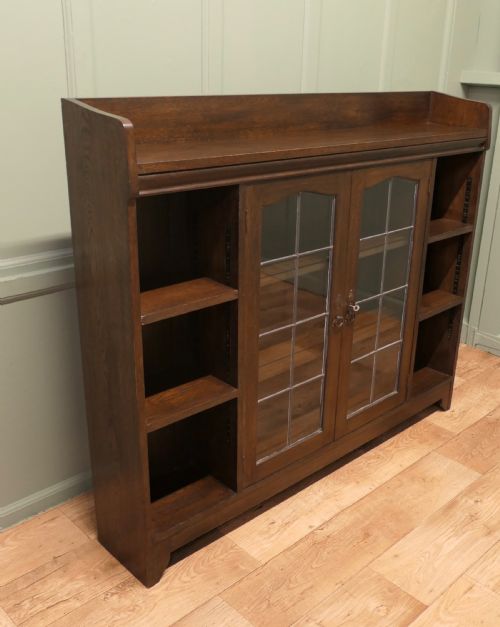
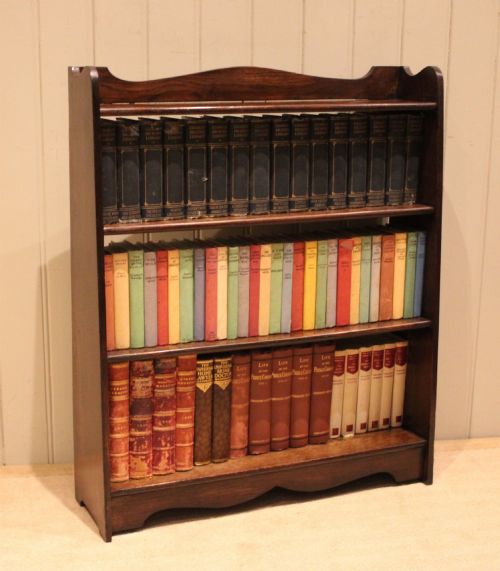
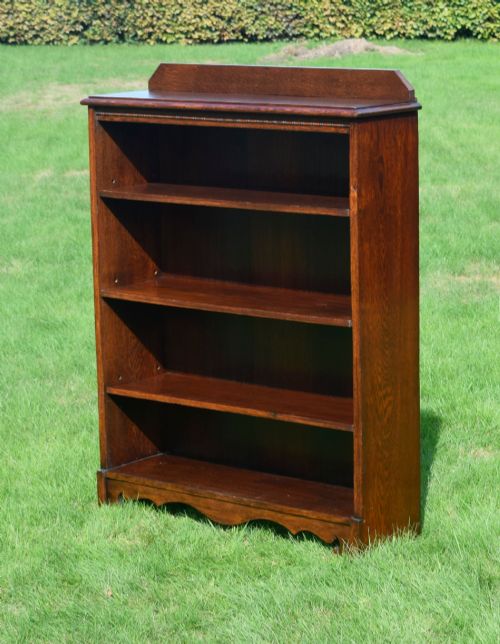
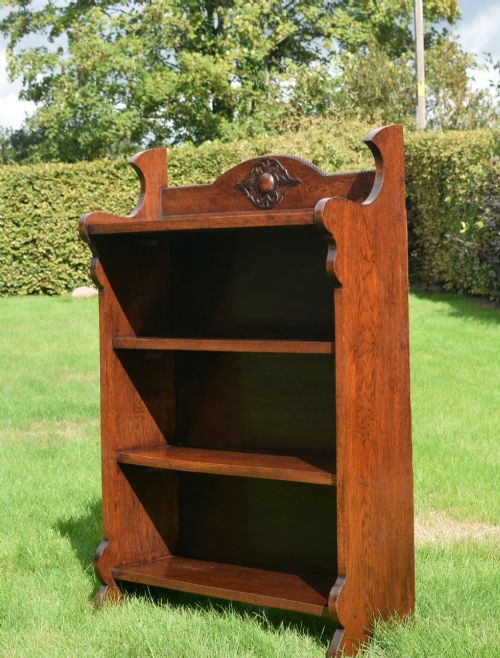
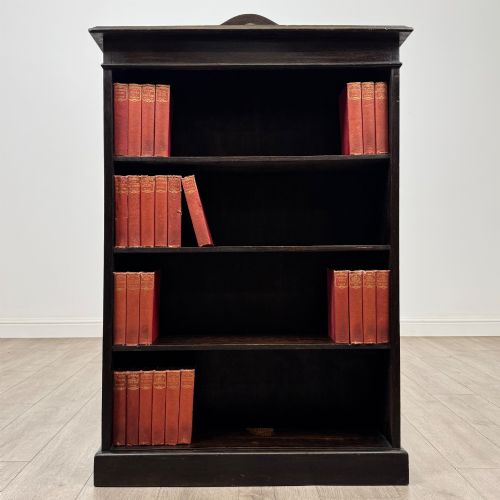
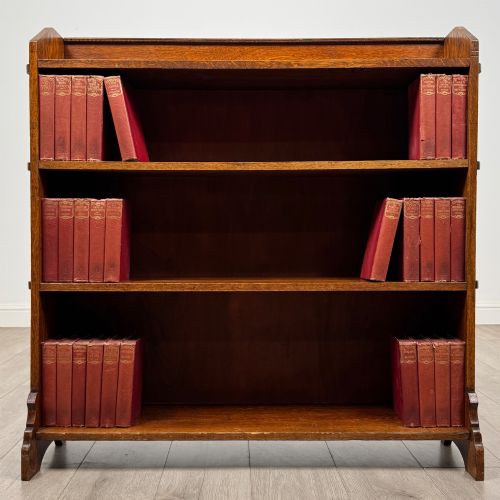
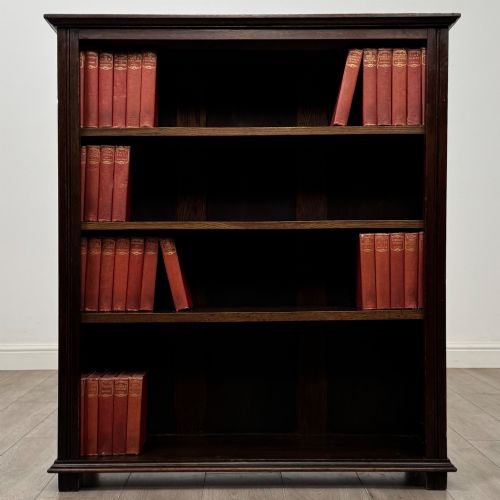
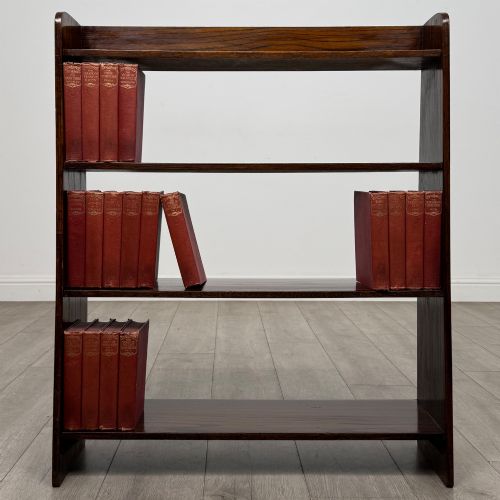
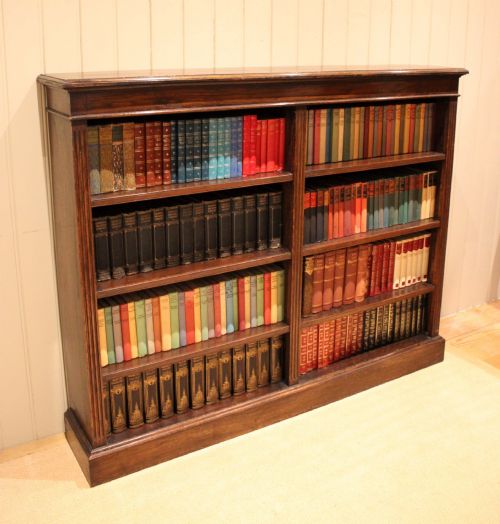
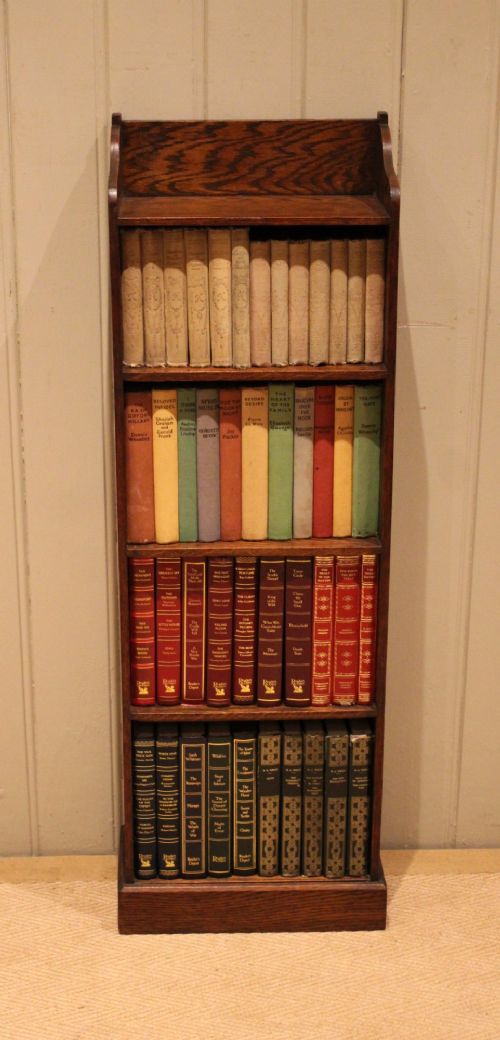
Dark oak shelves bring deep tone and sturdy timber to a room, appearing most often as open bookcases from the Edwardian period and the nineteenth century.
Dark Oak Shelves
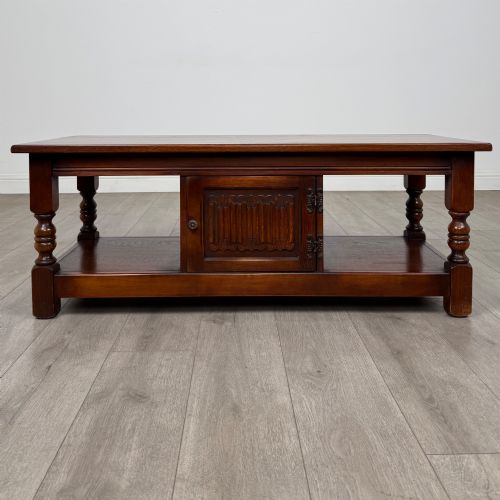
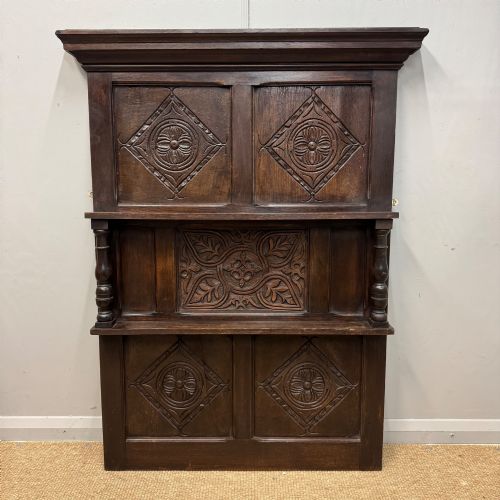
Dark oak shelves encompass open bookcases, plate racks, dressers, and wall-mounted variations spanning the eighteenth century through to the art deco period. Buyers searching this phrase look for functional display furniture constructed from heavy timber with significant depth of colour.
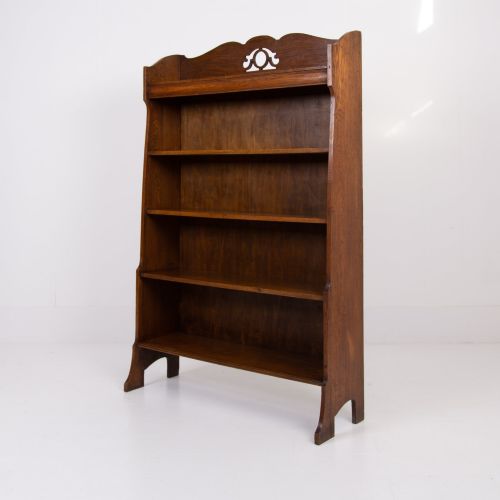
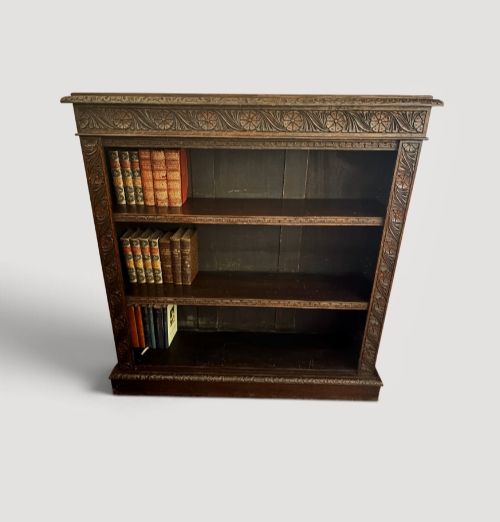
The versions met most frequently on this page date from the Edwardian era and the nineteenth century, taking the form of open bookcases with adjustable or fixed tiers. Alongside these, earlier Georgian and eighteenth-century examples appear as delft racks and dressers.
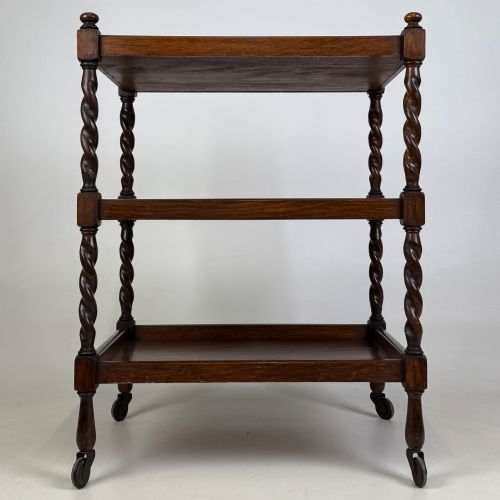
Makers and joiners utilised the natural grain of the wood, often pairing the timber with brass or iron hardware. Pieces range from slim dwarf bookcases to large library furniture and tea trolleys.
Materials and construction
Makers constructed these pieces primarily from solid oak, sometimes accented with walnut, ebonised details, or glass panels. Metal elements such as brass and iron appear in hinges, handles, and structural braces.
Joinery methods relied on traditional techniques suited to heavy hardwoods, visible in pegged joints, carved mouldings, and panelled backs. Surfaces received wax or polish treatments that deepened the natural colour of the oak over decades of use.
Listings feature oak combined with unexpected secondary materials including lead, glass, iron, and walnut across various centuries.
Judging quality in dark oak
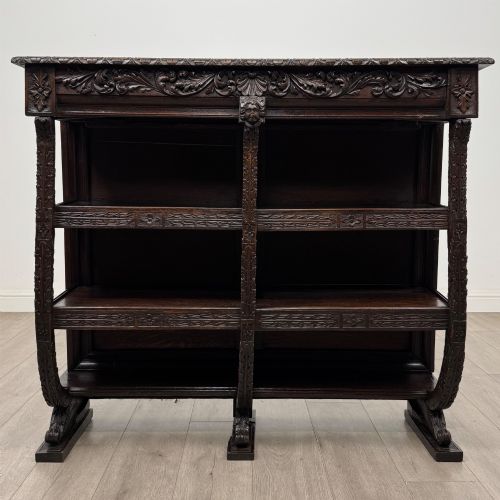
Quality rests upon the selection of the timber and the crispness of any carved decoration, such as the green man motifs or barley twist supports found on nineteenth-century and Edwardian pieces. Dense grain and substantial board thickness distinguish better examples from lighter utility items.
Proportion and structural integrity dictate the standing of a piece, with superior items retaining original backs, shelves, and hardware without excessive timber shrinkage or crude repairs.
The Dark Oak Shelves Glossary
- Dwarf bookcase
- A low open bookcase designed to sit beneath window height, often featuring adjustable shelves for convenience.
- Barley twist
- A turned wooden column resembling a twisted rope, common on supports and legs of Edwardian furniture.
- Delft rack
- A wall-mounted or dresser-integrated set of open shelves specifically designed for displaying ceramic plates.
- Green man
- A sculptural architectural ornament depicting a human face carved with leaves and vines, seen on Victorian carvings.
- Overmantel
- A decorative framework with shelves designed to be hung on the wall above a fireplace.
Dark Oak Shelves: Frequently Asked Questions
How do I date dark oak shelves?
Dating relies on stylistic clues like arts and crafts simplicity, Victorian Gothic carving, or Edwardian proportions. Construction marks and timber ageing also guide the assessment.
Earlier pieces from the eighteenth century show hand-tooling and pegged joinery, whereas twentieth-century examples display more standardised machining.
Are these shelves suitable for heavy books?
Solid oak construction provides natural strength and load-bearing capacity suitable for substantial libraries. Thick timber boards resist sagging under heavy volumes.
Many period bookcases feature adjustable wooden shelves that distribute weight evenly across upright supports.
How should I care for dark oak?
Maintain the timber by applying traditional beeswax periodically to nourish the grain and prevent drying. Avoid placing furniture in direct sunlight or near heat sources.
Dust regularly with a dry cloth and avoid silicone-based polishes that build up sticky residues over time.
What is the difference between an open bookcase and a dresser?
An open bookcase provides tiered shelving primarily for books and display objects without enclosed lower storage. Dressers combine shelving racks with base cupboards or drawers.
Dressers typically originate from earlier centuries, such as the Georgian period, whereas many open bookcases date to the Edwardian era.