




Slim Open Bookcase
A slim open bookcase solves the eternal problem of where to put a growing library when floor space is tight.
Slim Open Bookcase
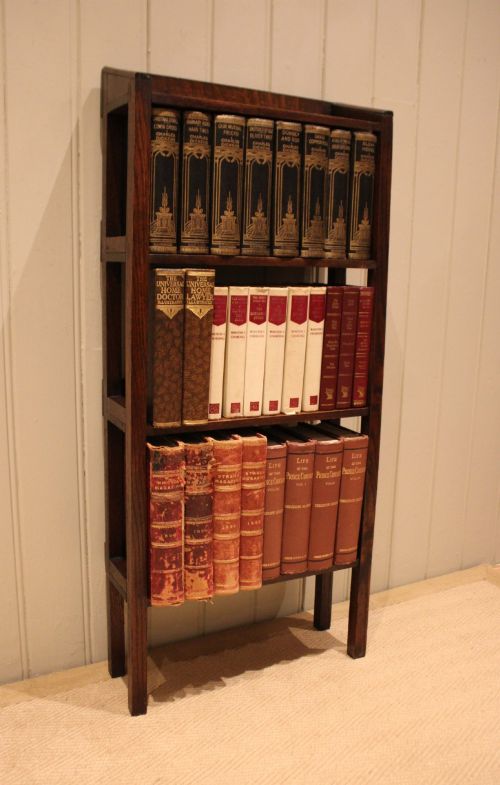
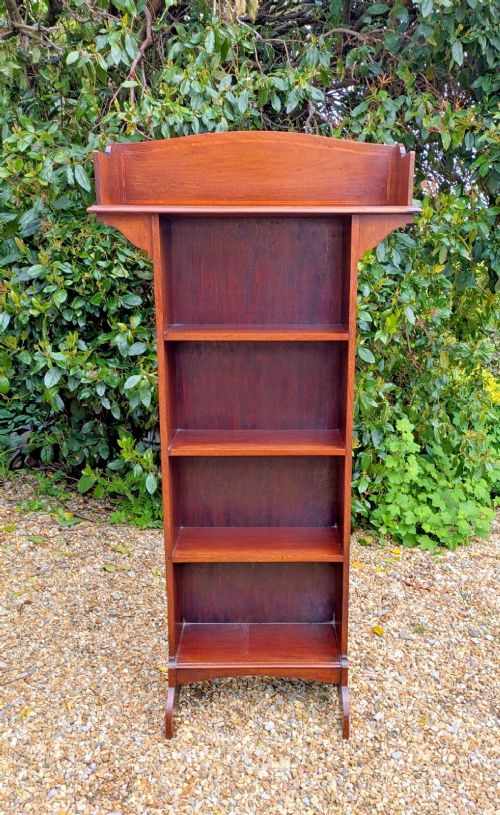
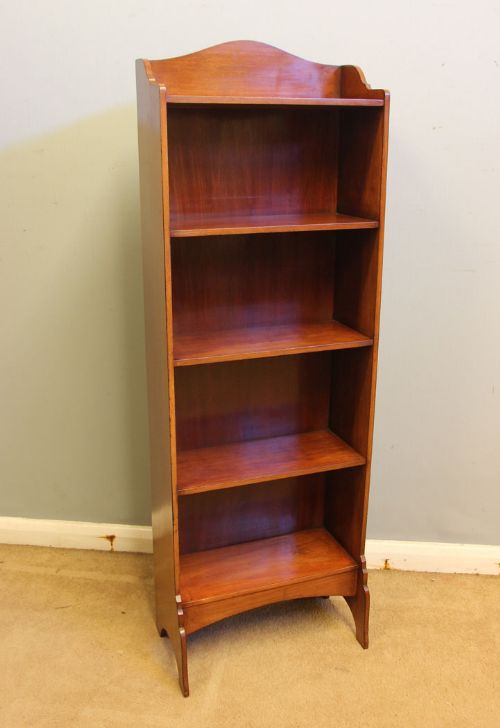
A slim open bookcase is a narrow vertical piece of furniture designed to hold books without enclosing them behind doors. When you search for a slim open bookcase, you find compact formats built to fit tight corners and narrow wall spaces in older homes.
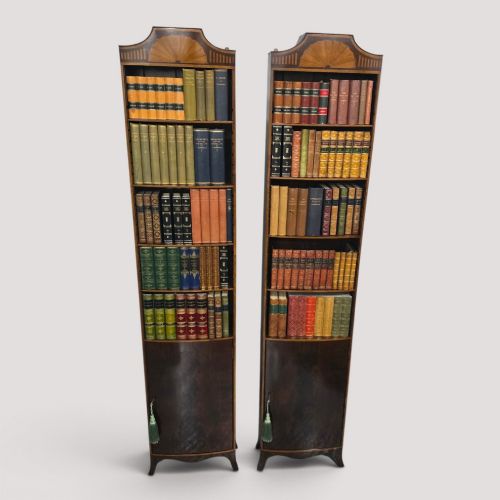
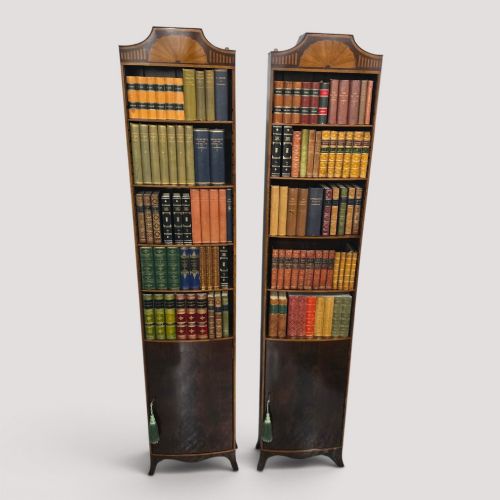
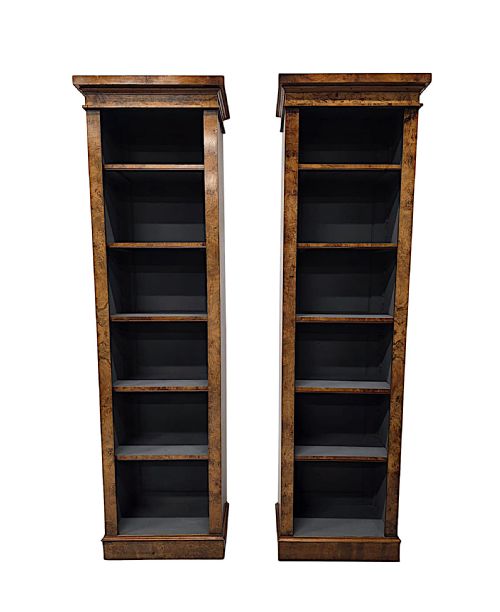
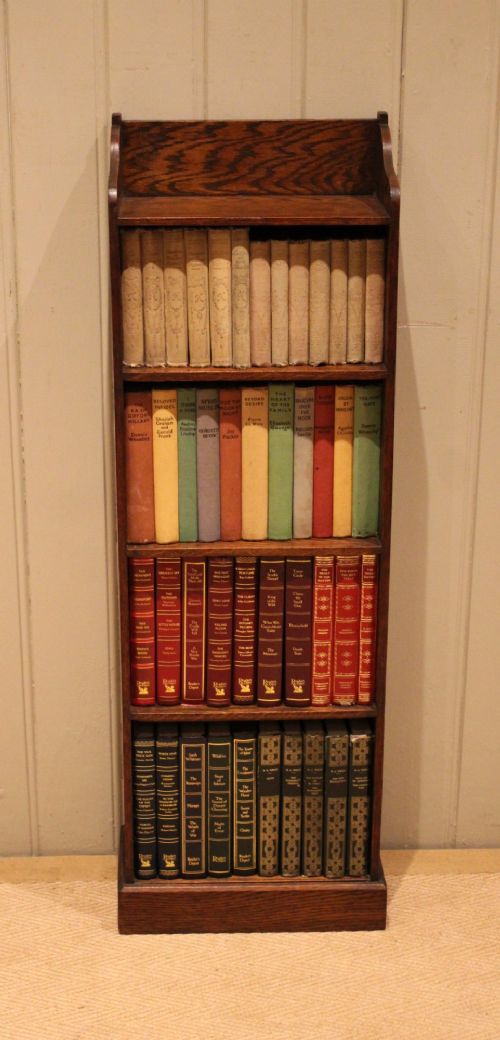
The versions most common on this page date from the Victorian and Edwardian eras through to the early twentieth century. They appear primarily in oak and mahogany, with occasional examples in burr walnut, satinwood and pine.
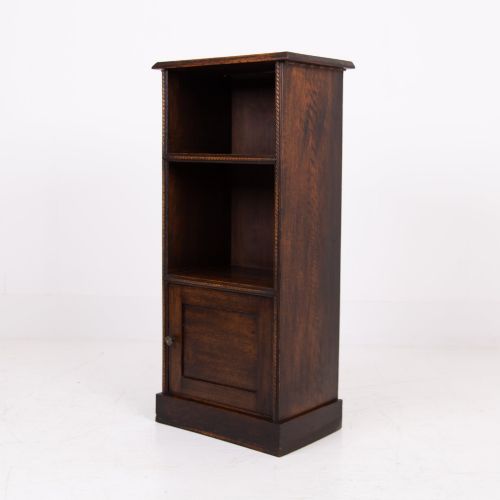
Most pieces offer fixed or adjustable shelving within a modest footprint, sometimes pairing the open tiers with a small cupboard below. Their proportions reflect a period when rooms were often smaller and every inch of wall space mattered.
How they were made
Makers relied on solid timber and choice veneers, constructing carcases in oak, mahogany, walnut and pine. Grain direction and timber selection determined whether a piece displayed a golden honey tone, deep reddish-brown warmth or rich figuring.
Surface enrichment often included delicate wood inlay, satinwood stringing and brass details. Carpenters joined the uprights and shelves using traditional housing joints and dovetails, ensuring structural rigidity without heavy side panels.
Oak remains the dominant material across these listings, appearing alongside mahogany, burr walnut, satinwood and pine from the Victorian and Edwardian eras.
What varies in quality
Quality rests on the choice of timber and the crispness of the carpentry rather than mere age. Better examples use dense, well-figured woods like burr walnut or carefully selected mahogany, with tight joints that remain square over generations.
Proportion and restraint define the upper tier of these pieces. The finest items balance narrow footprints with confident cornices and refined inlay, whereas simpler iterations rely on plain pine or straightforward commercial oak.
Heals of London·Pioneer Store
The Slim Open Bookcase Glossary
- Open bookcase
- A piece of shelving furniture without doors enclosing the book compartments. This design puts the book spines on permanent display.
- Inlay
- Pieces of contrasting timber, brass or satinwood fitted flush into the primary wood surface. This technique creates decorative borders and geometric motifs.
- Waterfall bookcase
- A tiered shelving format where each shelf steps back progressively from the one below. It creates a cascading profile popular in the Edwardian period.
- Aesthetic Movement
- A late nineteenth-century design style emphasising visual beauty over moral narrative. Pieces from this movement often utilise lighter woods and simpler geometric lines.
- Adjustable shelving
- Shelves resting on movable supports rather than fixed housings. This allows the user to alter vertical gaps to accommodate volumes of varying heights.
Slim Open Bookcase: Frequently Asked Questions
Where should I place a slim open bookcase?
These narrow pieces suit hallways, alcoves and tight wall spaces where standard furniture overwhelms the room. Their shallow depth keeps walkways clear while utilising vertical space.
Position them away from direct sunlight and heat sources to protect the timber and keep the book bindings from drying out over time.
How do I care for antique wood?
Dust the timber regularly with a soft, dry cloth to prevent grime buildup. Apply a quality beeswax occasionally to nourish the grain and maintain a natural sheen.
Avoid silicone-based sprays and keep the room humidity stable to prevent the wood from warping or splitting at the joints.
Are these shelves strong enough for heavy books?
Solid oak and mahogany shelves easily support heavy hardbacks and reference books without bowing. Thinner pine or satinwood versions suit lighter paperbacks and decorative volumes.
Check whether the shelves are fixed or adjustable, and distribute weight evenly across each tier to maintain structural balance.
How can I tell Edwardian pieces from Victorian ones?
Victorian examples tend to use darker, heavier mahogany and denser oak with deeper mouldings and more imposing proportions. They reflect a taste for solidity and formal presence.
Edwardian pieces often appear lighter in tone, sometimes featuring satinwood inlay, simpler cornices and a more delicate stance suited to brighter rooms.