


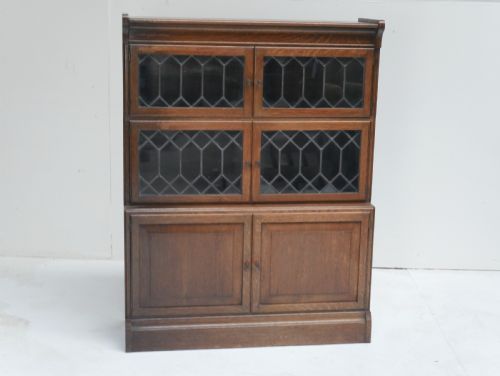


Dark Oak Sectional Bookcase
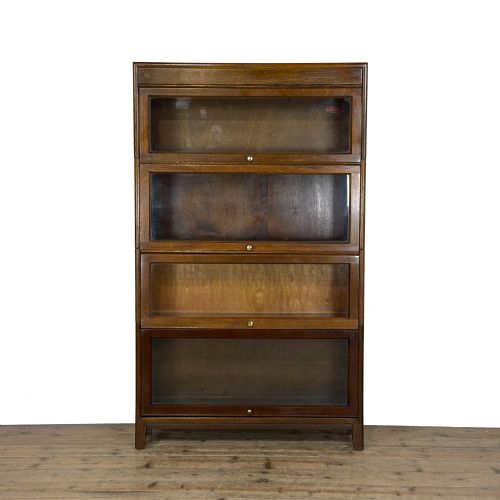
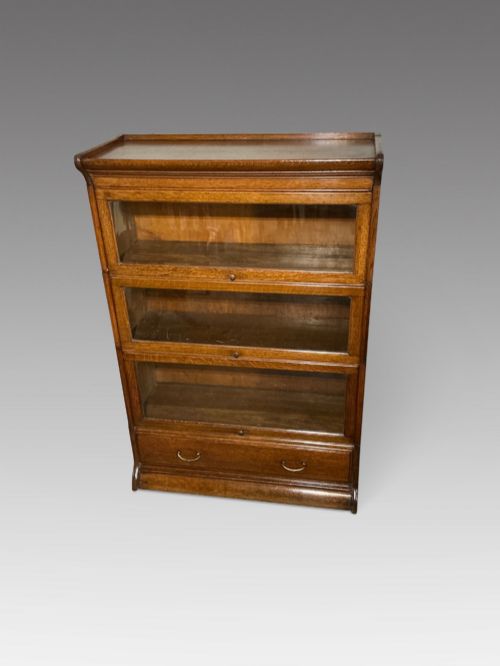
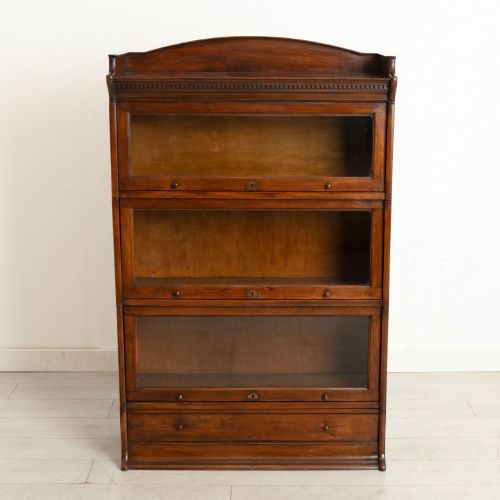
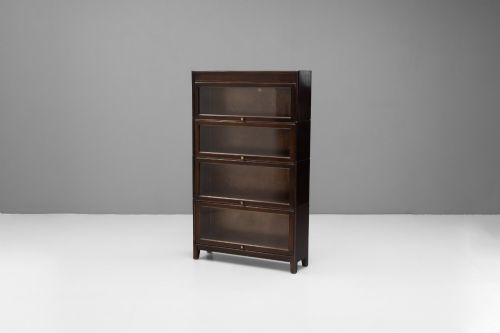
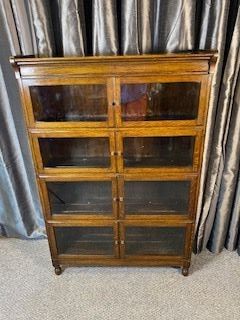
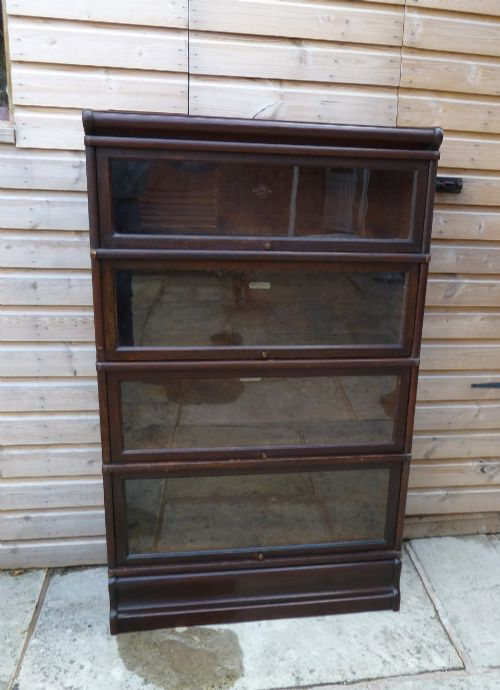
A dark oak sectional bookcase gives you modular storage with sturdy timber and glazed lift-up fronts.
Dark Oak Sectional Bookcase
When you search for a dark oak sectional bookcase, you are looking at modular stacking units designed to house growing libraries while keeping volumes protected behind glass. These adaptable pieces break down into individual tiers or sections, making them surprisingly practical for relocation and reconfiguration.
On this page, the pieces you are most likely to meet date from the Edwardian era through the nineteen-thirties. They appear in robust oak timber, often featuring multiple tiers and glazed doors that lift and slide inward.
How they were made
Cabinet makers built these sectional bookcases using solid oak frameworks combined with glazed panels and brass or metal hardware. The individual tiers sit one upon another using interlocking or stacking mechanisms without permanent fixings.
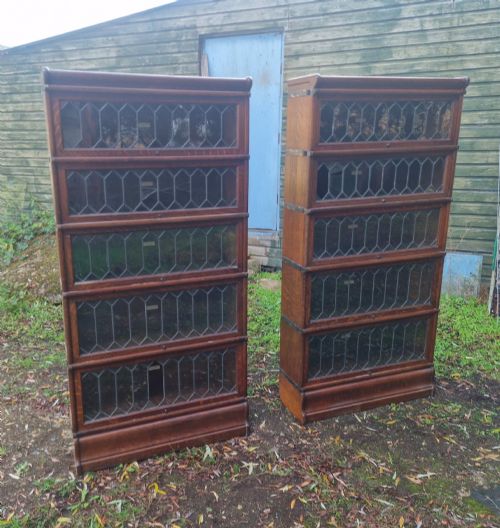
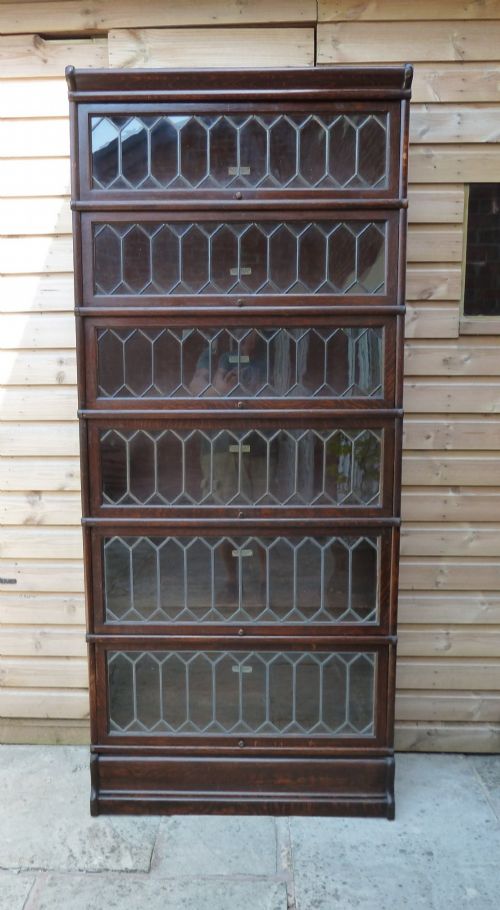
Many examples incorporate leaded glass within the doors to add decorative detail to the functional timber carcase. The sliding mechanism relies on internal metal arms that guide the glass door smoothly upward and into the cabinet.
Dark Oak Sectional Bookcase Retail Price Guide 2026
Typical asking prices for dark oak sectional bookcase among the pieces listed under this phrase on Sellingantiques today, from the lower quarter to the upper quarter. They describe what is for sale here now, not the wider market.
Many of these barrister cases were built so lawyers could move their entire library to court without unpacking a single book.
What varies in quality
Quality in these modular bookcases rests on the weight of the timber and the precision of the stacking mechanism. Finer examples retain their original matching cornices and plinths, ensuring each modular tier aligns squarely without gaps.
Maker attribution also shifts the standing of a piece, with established workshops implementing more robust brass hardware and heavier oak construction. The clarity of the leaded glass and the smooth operation of the lifting doors separate standard utility stacking units from superior cabinet work.
Gunn Furniture·Lebus·Globe Wernicke·Heals·Minty·Warwick
The Dark Oak Sectional Bookcase Glossary
- Sectional bookcase
- A modular piece of furniture built from stacked, interchangeable tiers rather than a single fixed carcase. This design allows owners to add or remove shelf sections as their book collection changes.
- Barrister bookcase
- An alternative name for a stacking bookcase featuring glass doors that lift and slide into the cabinet above the books. The term originates from the use of such portable cases by travelling lawyers.
- Leaded glass
- Small panes of glass held together by strips of lead cames to form geometric or decorative patterns. It provides extra rigidity and visual texture to the cabinet doors.
- Tier
- An individual stackable section of a modular bookcase containing its own shelf and door. Multiple tiers lock together between a base plinth and top cornice.
Dark Oak Sectional Bookcase: Frequently Asked Questions
How do sectional bookcases come apart?
Each tier lifts independently from the section below it once the top cornice and base plinth are removed. The modular design relies on gravity and simple alignment pegs rather than screws.
This construction makes moving heavy wooden bookcases significantly easier because you transport them as lighter individual boxes.
What is a barrister bookcase?
A barrister bookcase is a specific type of stacking cabinet featuring glass doors that lift upward and slide back into the case. Lawyers originally used them to transport law books safely between courts.
The enclosed glass tiers protected valuable volumes from dust and moisture during transit.
Are all stacking bookcases made of oak?
The pieces seen here utilise solid oak as the primary structural timber for both the carcase and the exterior panels. Oak provided the necessary strength and durability to support heavy rows of books.
Matching interiors and backs are typically constructed from oak or secondary matching hardwoods appropriate to the period.
How do I date a stacking bookcase?
Dating relies on the combination of hardware styles, maker stamps, and construction methods characteristic of the early twentieth century. Edwardian and nineteen-twenties examples often feature distinct brass manufacturer plaques and specific leaded glass patterns.
Comparing the timber finish and sectional mechanism against known production periods helps narrow down the decade of manufacture.