


Dark Oak Prep Table
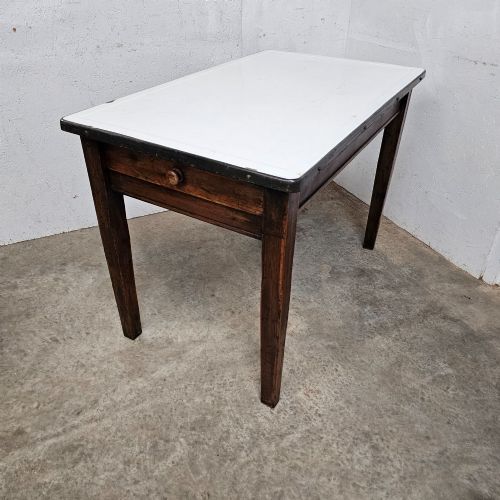
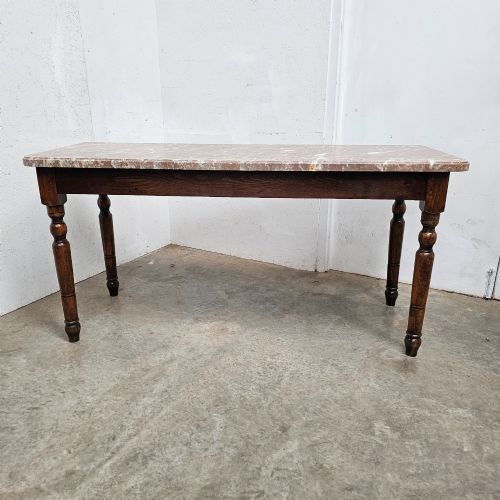
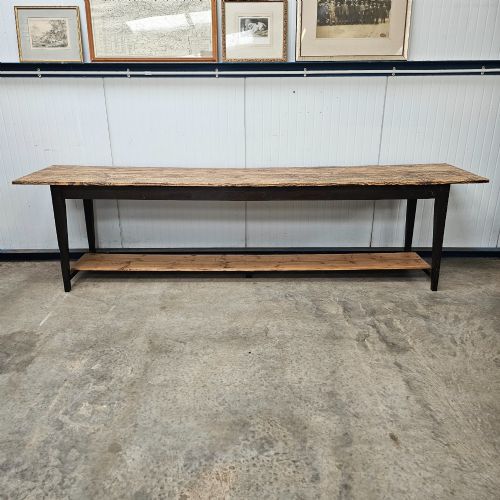
These dark oak prep table pieces offer sturdy working surfaces and heavy timbers, bringing practical utility and enduring character to domestic interiors.
Dark Oak Prep Table
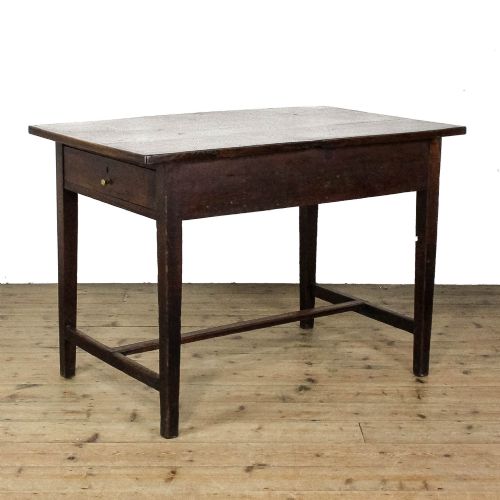
A dark oak prep table serves as a robust surface for kitchen tasks, food preparation, and general utility work. These examples span various regional traditions and utilitarian forms.
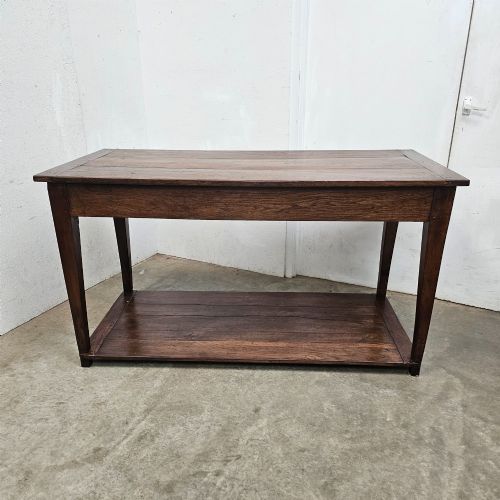
The selections range from nineteenth-century Welsh kitchen tables to French provincial work tables and specialised patisserie display consoles. Heavy oak timbers predominate, often paired with pine, marble, or enamel elements.
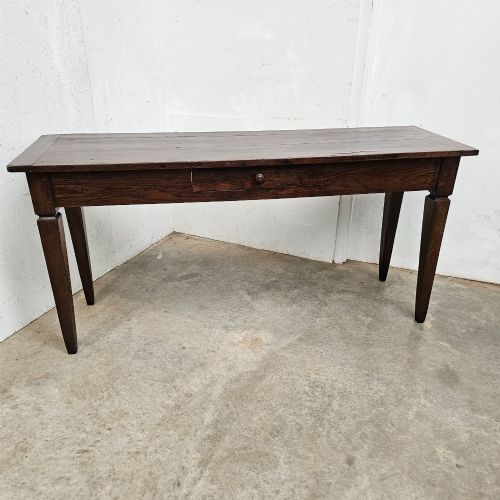
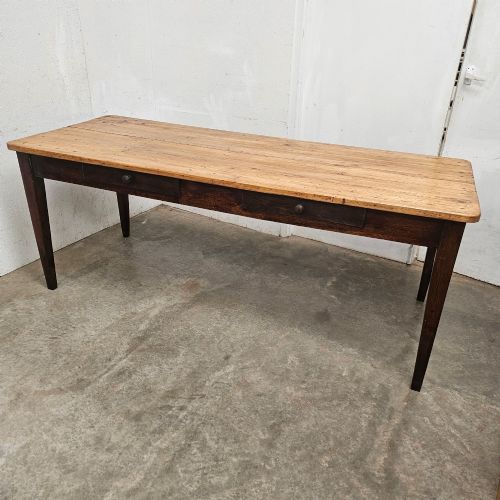
Buyers encounter sturdy dining tables, kitchen tables, console tables, and dedicated butchers blocks designed for heavy daily use. The overall aesthetic leans toward rustic farmhouse, country vernacular, and early twentieth-century utility.
How they were made
Construction relies heavily on dense oak timbers for structural frames and heavy-use tops, occasionally supplemented by pine or mixed hardwoods. Joinery is straightforward and functional, built to withstand constant physical pressure.
Surfaces frequently incorporate contrasting materials such as vitreous enamel, white marble, or brass fittings to suit specific culinary tasks like pastry rolling or butchery. Drawers and two-tier shelving configurations add practical storage capacity to the robust wooden frames.
One listed French butchers block bears the mark of Trussant and Cie, dated eighteen sixty.
What varies in quality
Quality rests in the density of the primary timber, the integrity of the structural joints, and the retention of original functional elements such as drawers or marble slabs. Heavier, more substantial tables reflect commercial or heavy domestic origins.
Surface patination and the honest wear of decades of use separate utilitarian pieces that retain their original character from those with excessive or unsympathetic restoration.
Trussant & Cie
The Dark Oak Prep Table Glossary
- Prep table
- A heavy-duty utilitarian table designed for food preparation, baking, or butchery in domestic and commercial settings. These surfaces are built for endurance.
- Butchers block
- A thick-topped wooden block or table traditionally used for meat carving and preparation. They display deep end-grain patterns from heavy chopping.
- Patisserie display table
- A specialised serving or work table featuring a marble top suited for rolling pastry and displaying baked goods. The stone keeps ingredients cool.
- Harvest table
- An elongated, narrow table traditionally used for communal farm workers' meals during harvest seasons. Their length accommodates many diners.
- Vitrine enamel
- A fused glass coating applied to metal surfaces to create a hygienic, easy-to-clean workspace. It resists staining and moisture.
Dark Oak Prep Table: Frequently Asked Questions
How do I care for an antique prep table?
Maintaining these surfaces involves wiping timber down with a damp cloth and occasionally applying natural beeswax to nourish the dry oak. Avoid harsh chemical cleaners that strip the historic patination.
Marble and enamel inserts require gentle soap and water to prevent staining, while heavy wooden tops benefit from avoiding excessive moisture exposure.
Where were these tables used originally?
These tables served working roles in country farmhouses, Welsh taverns, dairies, and French provincial kitchens. They functioned as central hubs for food preparation and communal work.
Specialised variants like patisserie tables and butchers blocks stood in bakeries and meat shops before entering domestic spaces.
How do I distinguish regional styles?
Regional variations appear in the choice of secondary woods, leg turnings, and the inclusion of specific work surfaces like marble or enamel. French examples often incorporate secondary fruitwoods or marble slabs.
Welsh and English country pieces tend to feature heavy solid oak frameworks, straightforward drawer configurations, and robust stretchers designed for daily rigour.