

Dark Oak Pedestal
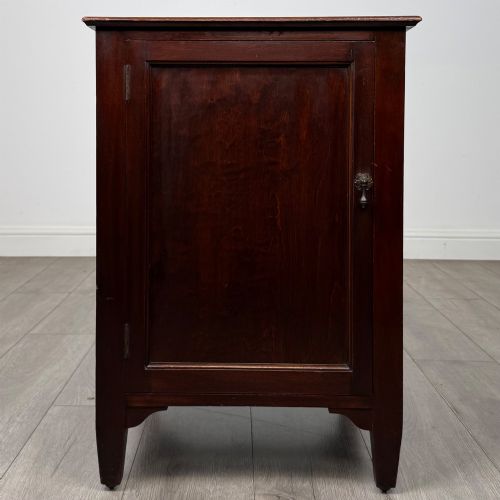
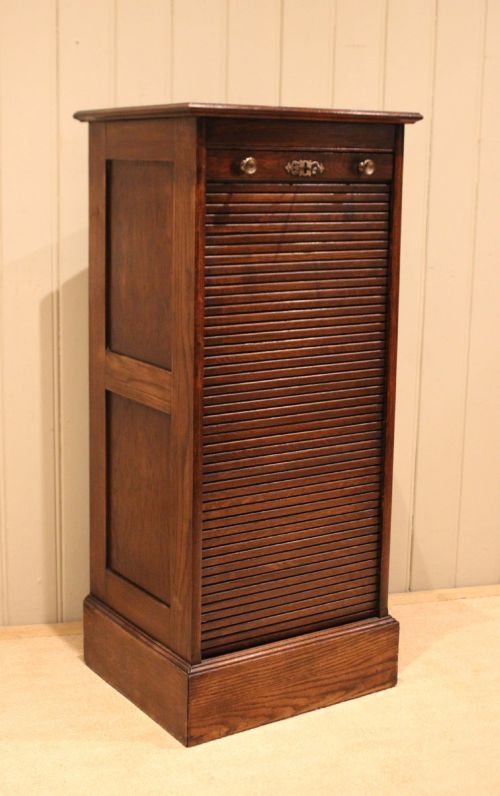
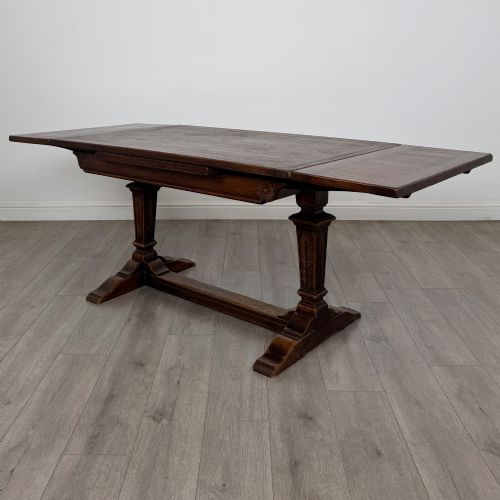
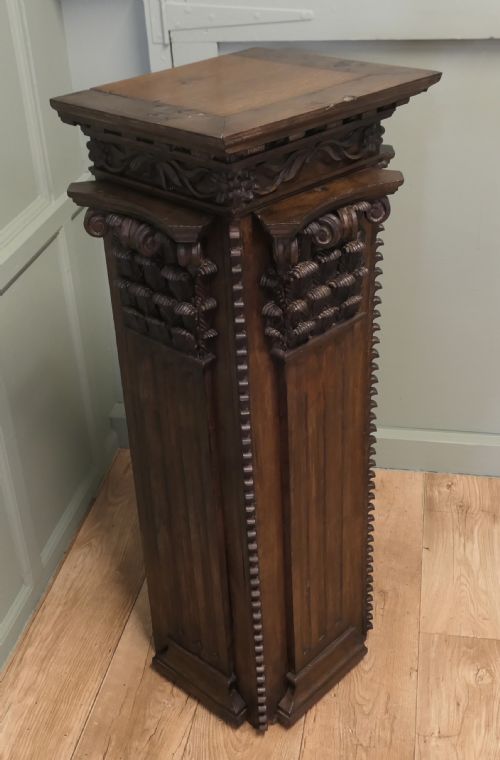
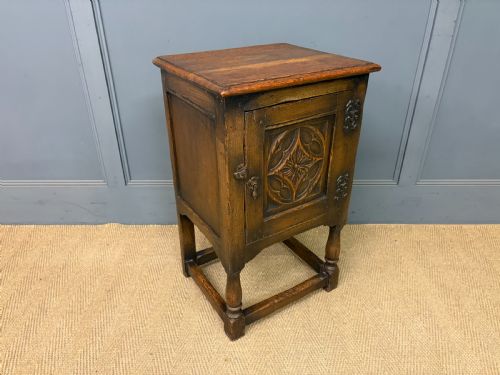
Dark oak pedestal examples bring robust utility and architectural presence into a room, spanning periods from the eighteenth century through to the twentieth.
Dark Oak Pedestal
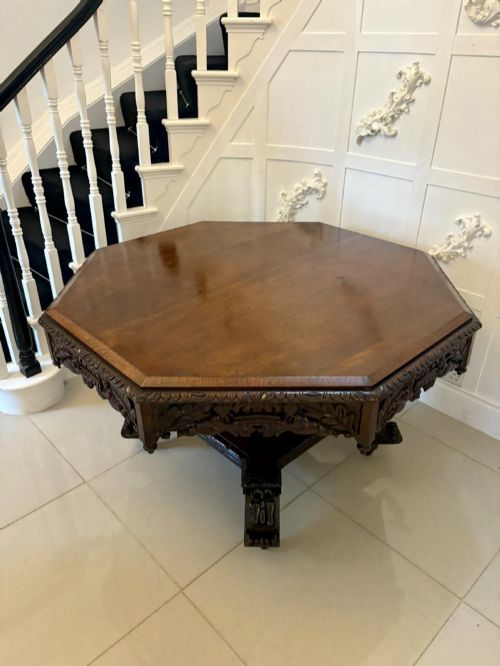
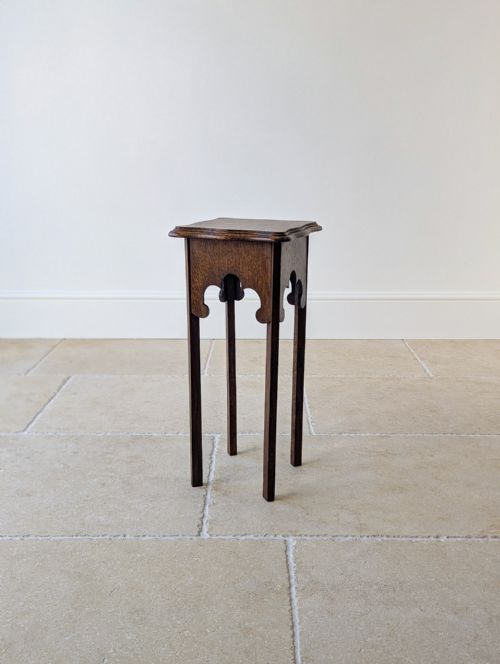
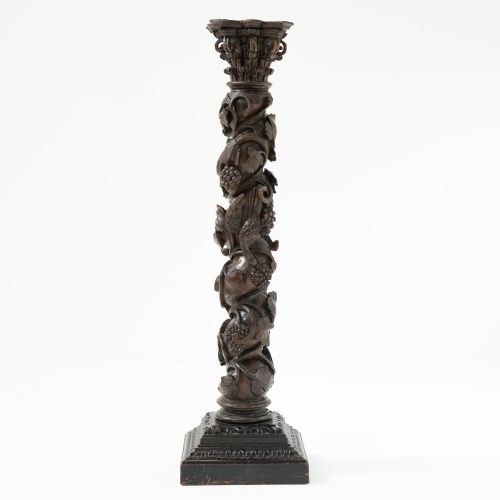
A dark oak pedestal encompasses sturdy column supports, display columns, and writing surfaces built primarily from solid oak timbers. These pieces appear across periods such as the Georgian, Victorian, Edwardian, and later twentieth century, often taking forms related to plant stands, torcheres, and structural columns.
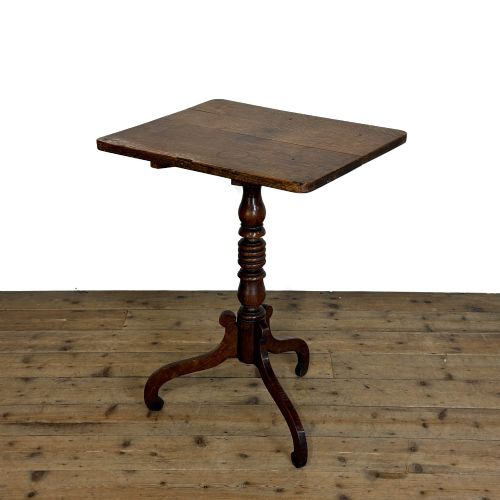
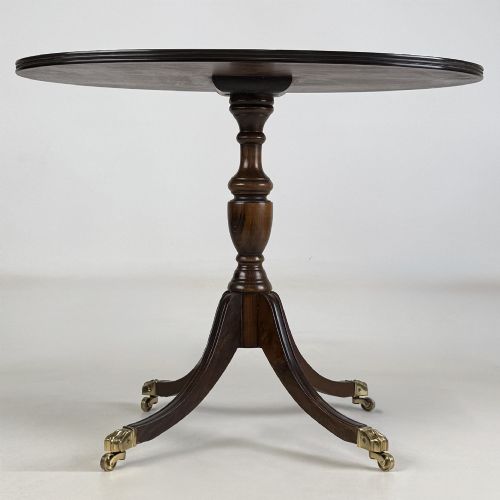
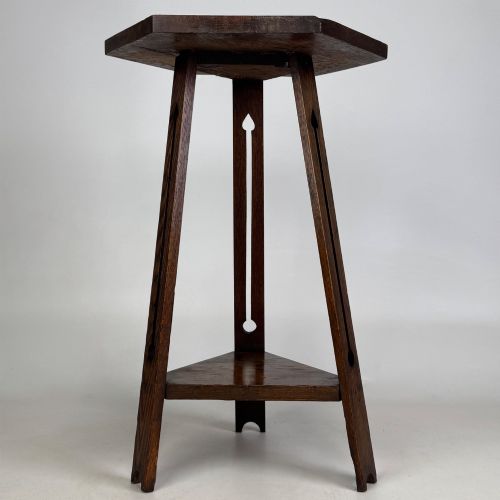
Buyers seeking a dark oak pedestal will frequently encounter Edwardian plant stands and nineteenth-century display columns alongside occasional tripod tables. The timber displays deep, darkened patinas that highlight the natural grain of the wood, combined with structural elements like carved decoration or turned shafts.
How they were made
Carpenters constructed these pieces using solid oak, sometimes incorporating burr oak sections or stained wood surfaces to achieve distinct grain patterns and deep colour tones. Structural reinforcement often involved brass, iron, and metal hardware to secure joints and moving parts.
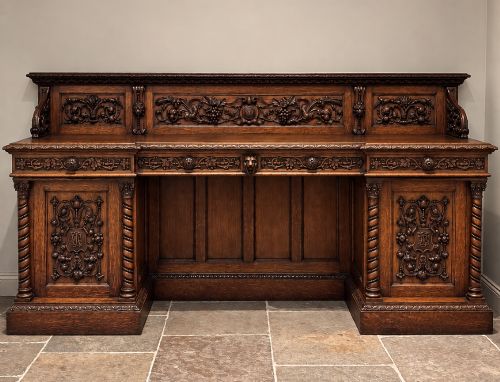
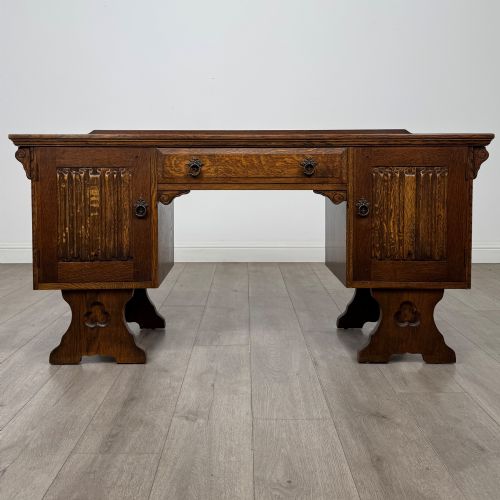
Techniques relied heavily on hand carving, such as linenfold details, Solomonic twisting, and geometric panels typical of Jacobean and Gothic revivals. Joinery methods utilised traditional framing and turning to ensure the tall, narrow profile of a pedestal remained stable under weight.
The listings span from the 18th Century through to the 1930s, featuring oak alongside brass, iron, and leather.
What varies in quality
Quality rests heavily on the depth of the hand carving and the crispness of architectural details like fluting or turned barley twists. Pieces featuring integrated brass mounts or distinct burr oak figuring stand apart from plain utilitarian variants.
The integrity of the timber joints and the stability of the central column dictate structural excellence. Heavier, well-balanced bases demonstrate superior craftsmanship compared to lighter, purely decorative examples.
The Dark Oak Pedestal Glossary
- Pedestal
- A structural support or column designed to elevate a sculpture, plant, or lamp. It provides a vertical architectural element within a room.
- Solomonic
- A helical or spiral column twist resembling a winding screw. This motif appears frequently on seventeenth-century and revival furniture supports.
- Burr oak
- Wood sourced from the growth excrescences on an oak tree, revealing highly decorative, swirling grain patterns. It is typically utilised for prominent tabletops and display surfaces.
- Linenfold
- A style of wood carving that imitates folded parchment or fabric. It is commonly found on panels of cabinets, desks, and pedestals.
Dark Oak Pedestal: Frequently Asked Questions
What is a dark oak pedestal used for?
These pieces serve primarily as elevated stands for decorative objects, urns, or lamps within an interior space. Their sturdy oak construction ensures they can support substantial weight while adding vertical visual interest.
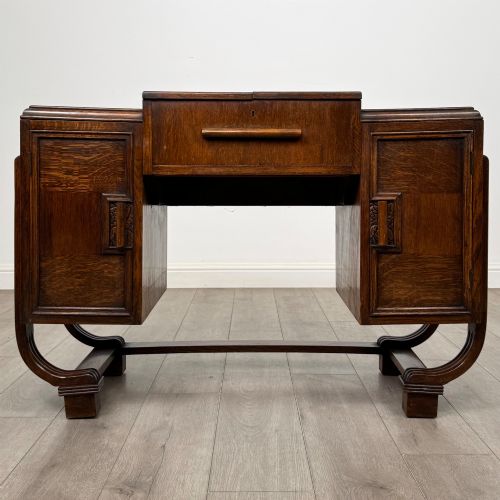
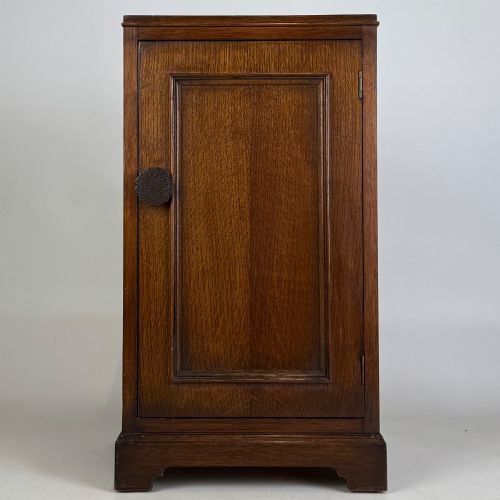
Certain variations incorporate cabinets or writing surfaces, combining display utility with functional storage or workspace. Their compact footprints make them suitable for corners or narrow hallways.
How do I identify the period of an oak pedestal?
Dating relies on observing stylistic motifs such as Gothic trefoils, Jacobean geometric mouldings, or Edwardian Arts and Crafts simplicity. Tool marks and timber ageing also offer clues to the approximate decade of manufacture.
Earlier examples from the eighteenth century often display hand-turned components and vernacular construction methods. Later pieces from the twentieth century may show machine assistance and revivalist tendencies.
Are these pedestals made from solid oak?
Most examples utilise solid oak timbers, occasionally accented with burr oak veneers on specific display surfaces to enhance the visual grain. The heavy wood gives each piece its characteristic durability and substantial weight.
Secondary materials like brass, iron, and metal appear in structural fixings and hinges. Stained wood finishes are also documented on pieces from the Edwardian era onwards.
Where should I place a pedestal in my home?
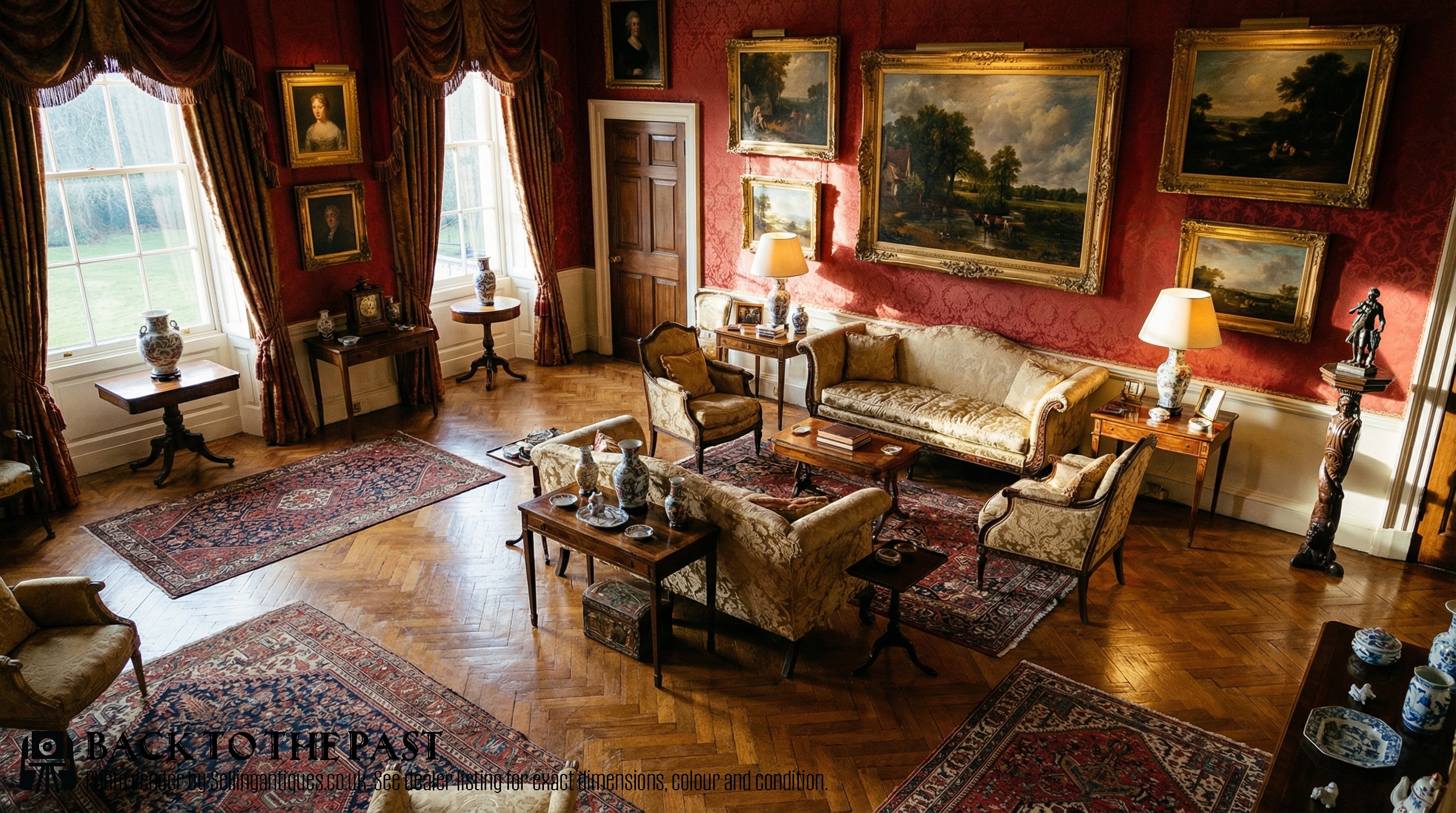
A pedestal performs well in corners, entryways, or flanking larger pieces of furniture to break up horizontal lines. Placing a plant or sculpture on top completes the traditional display function of the stand.
Ensure the floor surface is level, as tall columns require stability to prevent tipping. Rooms with adequate clearance allow the carved details and timber patinas to be fully appreciated.