


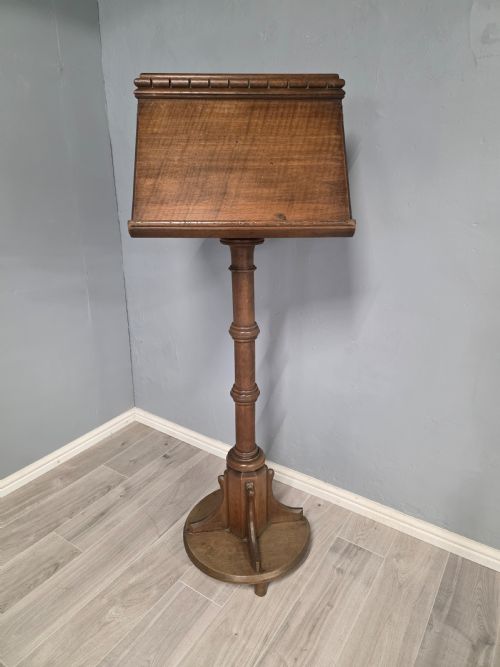


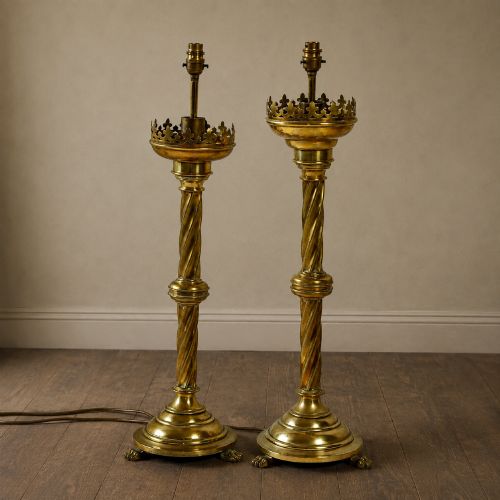

Gothic Revival Column
These gothic revival column pieces bring ecclesiastical and architectural forms into domestic spaces through carved timber, brass, and stone.
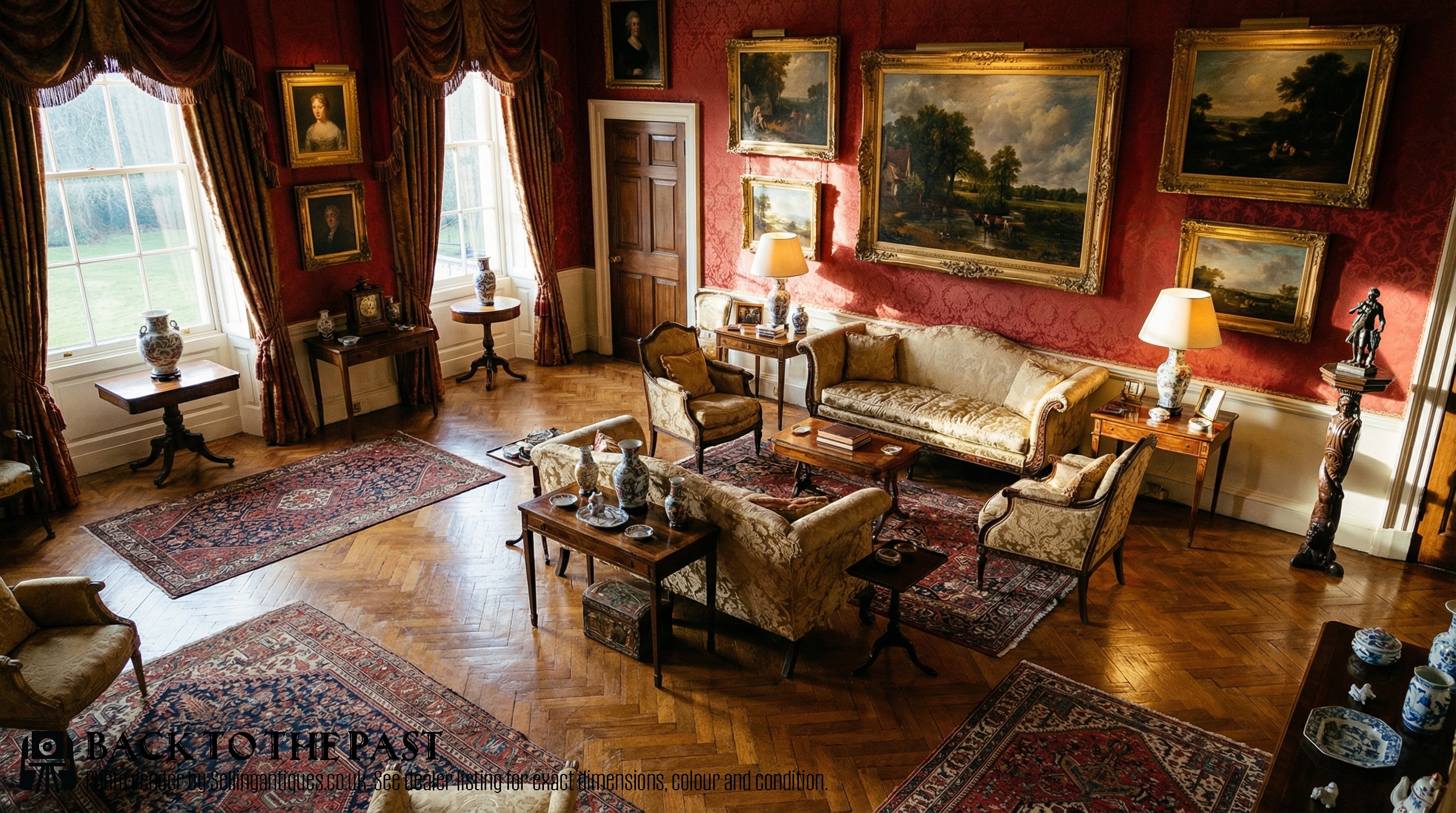
Gothic Revival Column
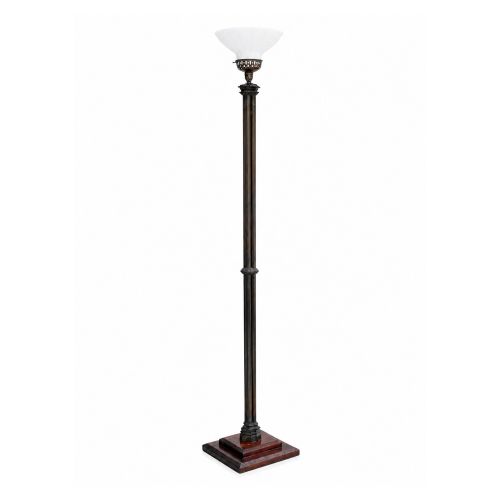
A gothic revival column piece draws directly upon medieval architecture, translating structural stone supports into decorative items for the home. When searching for a gothic revival column, buyers encounter pedestal supports, floor lamps, and table lamps that echo the vertical emphasis of cathedrals.
The selections span the nineteenth century into the early decades of the twentieth, reflecting revivals that ranged from strict Victorian Gothic to Byzantine and Arts and Crafts interpretations. Oak and brass dominate the heavier forms, while lighter domestic lighting pieces utilise turned timber and metal.
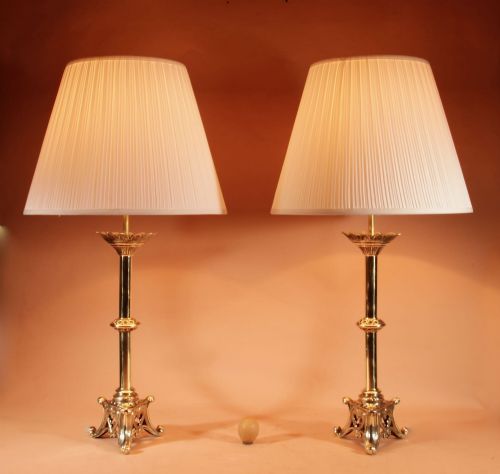
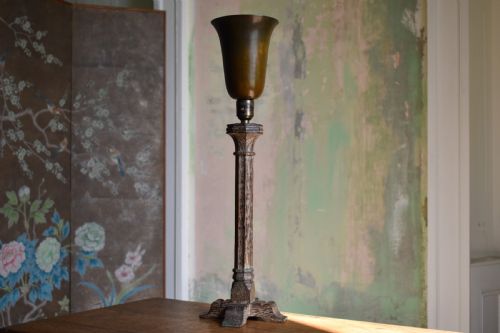
Most examples function as display pedestals or repurposed ecclesiastical candlesticks adapted into table lamps. These items suit rooms designed with period character, providing strong vertical lines and rich surface carving.
Materials and construction methods
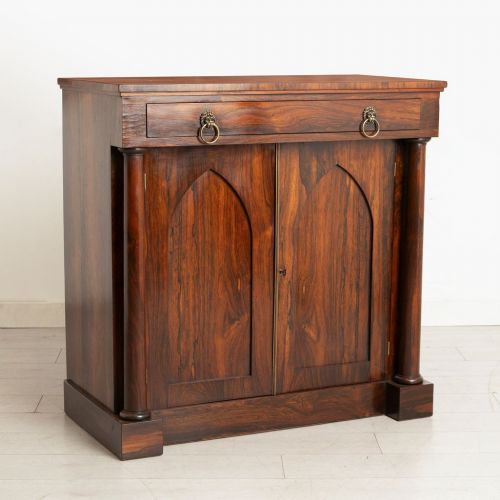
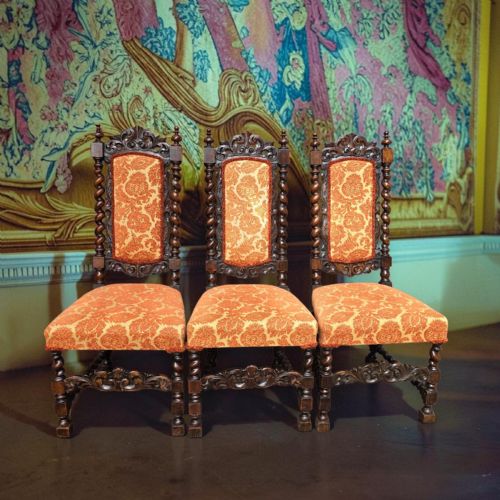
Makers relied heavily on oak, rosewood, and cast brass to achieve the necessary weight and solemnity associated with ecclesiastical design. Timber columns often feature intricate hand carving or spiral barley twist turnings, while metal components employ fine casting techniques.
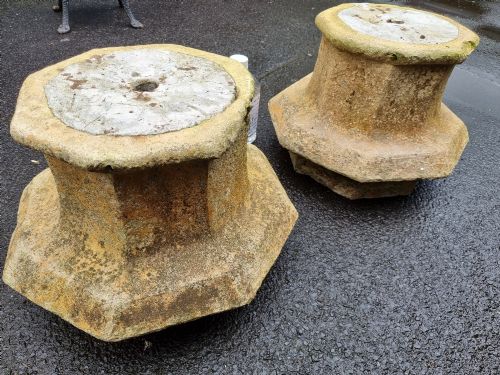
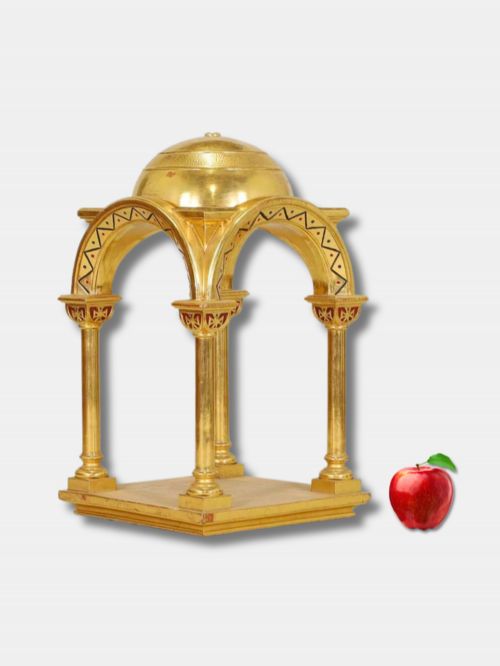
Stone and composite materials appear in garden plinths and sundial bases designed to withstand external elements. Gesso and giltwood surface treatments also occur, adding reflective highlights to tabernacles and decorative architectural fragments.
The selection spans the nineteenth century and reaches into the nineteen-thirties.
Evaluating craftsmanship and proportion
Quality rests primarily in the crispness of the carving and the integrity of the material. Superior examples display deep, deliberate chisel work in oak or finely detailed chasing on brass altar pieces, whereas lesser items rely on shallow moulding or machine finishing.
Proportion dictates the success of a column form, with better pieces maintaining a balanced architectural relationship between the base, shaft, and capital. The treatment of joints and the selection of dense, richly grained hardwoods further distinguish standard production from exceptional workshop output.
T Thomason & Co
The Gothic Revival Column Glossary
- Gothic Revival
- An architectural and decorative style drawing inspiration from medieval forms, pointed arches, and ecclesiastical motifs. This movement resurfaced strongly during the nineteenth century across furniture and interior fittings.
- Caryatid
- A sculpted female figure serving as an architectural support taking the function of a pillar or column. These figures add classical or medieval sculptural depth to pedestals and furniture.
- Torchere
- A tall ornamental stand or candlestick designed to hold a light source. In this context, they often take the form of slender vertical columns.
- Altar Candlestick
- A heavy ecclesiastical candleholder, frequently cast in brass, which is commonly converted into a table lamp. Their robust proportions suit domestic architectural lighting.
- Barley Twist
- A spiral turning resembling a twisted rope, frequently utilised on the shafts of furniture legs, floor lamps, and pedestals. This decorative turning adds dynamic movement to vertical wooden elements.
Gothic Revival Column: Frequently Asked Questions
What periods do these columns date from?
The listings span the nineteenth century through the early twentieth century, capturing the height of the Victorian Gothic Revival and subsequent Edwardian interpretations.
Items range from Regency-era transitional pieces up to items produced around nineteen-thirty, reflecting enduring architectural interest.
How were these columns originally used?
Many items began as ecclesiastical furnishings, such as altar candlesticks or church lecterns, while others served as domestic architectural pedestals for displaying sculpture.
Over time, many surviving ecclesiastical metal pieces found new life as converted table lamps suited for interior illumination.
Are the lamps newly wired?
Conversion work on antique candlesticks often happens at different points in their history, meaning electrical components vary between items.
Buyers should inspect specific listings to determine the current state of wiring and consult a qualified professional for installation.
What woods are most common?
Oak is the predominant timber found in these architectural supports, prized for its strength and traditional association with medieval interiors.
Rosewood and padauk also appear in finer domestic furniture and occasional display columns from the earlier nineteenth century.