



Antique Caryatid Stand
These antique caryatid stand pieces bring architectural human figures into furniture and lighting, offering sculptural presence that elevates any classical interior.
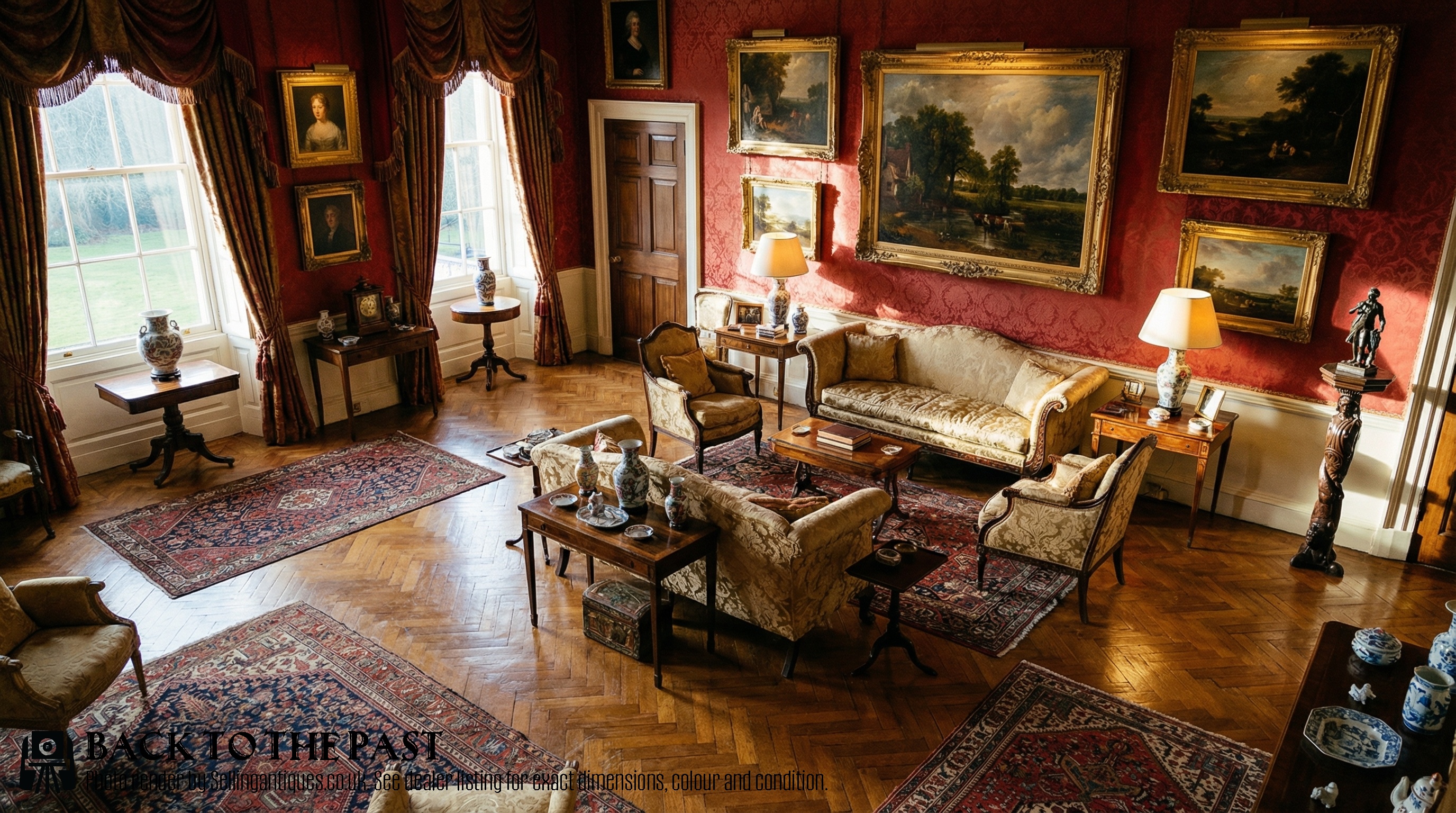
Antique Caryatid Stand
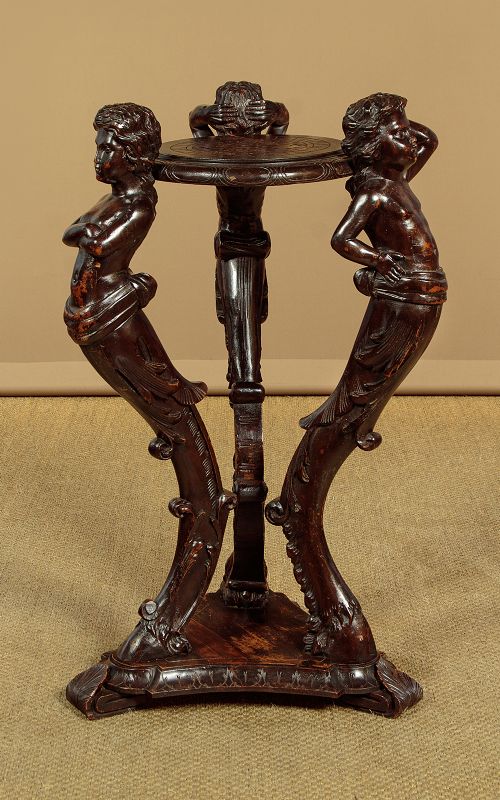
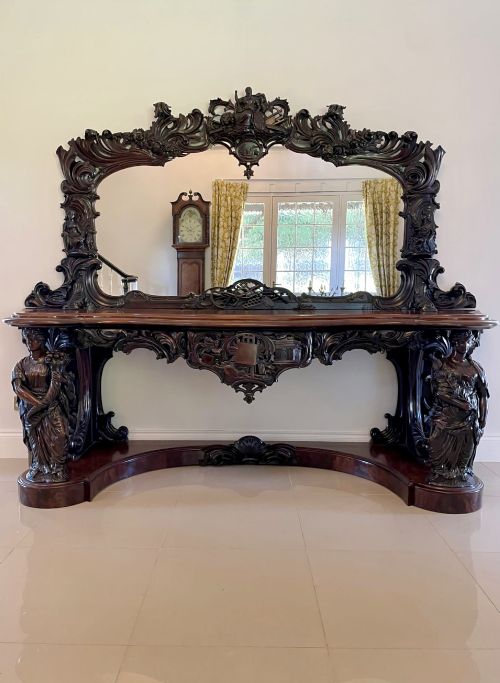
An antique caryatid stand incorporates carved or cast female figures supporting architectural elements, appearing across pedestals, console tables, and lamps. Buyers searching this phrase encounter sculptural supports rooted in classical architecture rather than simple utilitarian furniture.
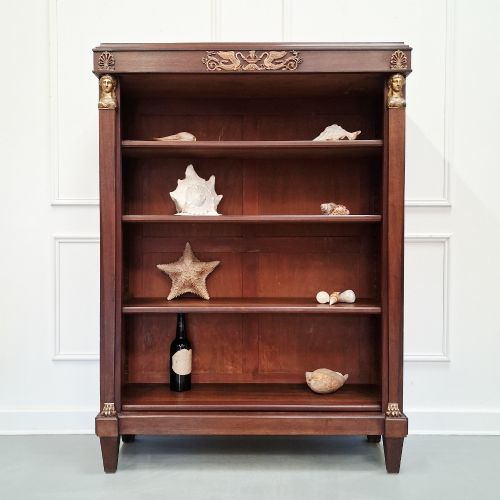
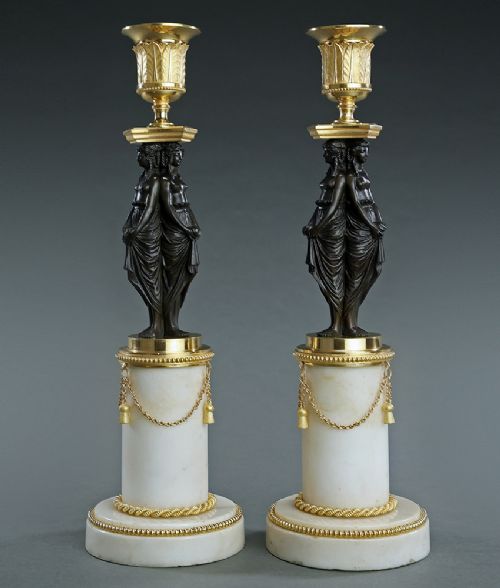
The pieces on this page span from the Georgian and Regency periods through the 19th century into the 1920s, showing styles from French Empire and Louis XVI to Victorian revivals. Candlesticks, pedestals, and console tables dominate the selection, often rendered in bronze, carved wood, or marble.
How they were made
Wooden examples rely on carved mahogany, oak, amboyna, and ebony, shaped by hand to create the supporting figures. Plaster and marble also appear, particularly in heavier pedestals and lamps from later periods.
Antique Caryatid Stand Retail Price Guide 2026
Typical asking prices for caryatid stand among the pieces listed under this phrase on Sellingantiques today, from the lower quarter to the upper quarter. They describe what is for sale here now, not the wider market.
Materials across these listings include bronze, ormolu, marble, mahogany, oak, glass, and plaster.
What varies in quality
Material selection dictates the weight and longevity of the object, from heavily chased gilt bronze mounts to dense hardwoods and solid marble bases. The integration of the figure with the structural load of the table, pedestal, or candlestick reflects the maker's design competence.
The Antique Caryatid Stand Glossary
- Caryatid
- A sculpted female figure serving as an architectural support in place of a column or pilaster. They appear frequently on antique caryatid stand items such as pedestals and console tables.
- Ormolu
- Gilt bronze created by applying a mixture of gold and mercury to a bronze base, then firing to drive off the mercury. This technique produces a durable, rich golden surface.
- Athenienne
- A tripod stand supporting a shallow bowl or burner, styled after ancient Greek furniture. These frequently incorporate figural supports.
- Socle
- A short plinth or pedestal supporting a statue, vase, or candlestick. Many figural candlesticks rest upon a stepped socle base.
- Patinated
- The surface appearance acquired by materials like bronze or wood through age and oxidation. Controlled patination enhances the depth of cast metal details.
Antique Caryatid Stand: Frequently Asked Questions
What is a caryatid stand?
A caryatid stand is a decorative or functional piece of furniture or lighting that uses a sculpted human figure as a structural support.
These items range from wooden pedestals and console tables to bronze candlesticks and floor lamps.
Where were these pieces made?
The pieces originate primarily from British and continental workshops, with strong representation from French periods such as Empire and Restauration.
Maker influences and design styles often follow classical French or English neoclassical patterns from the eighteenth and nineteenth centuries.
How do I style a pedestal?
Pedestals with figural supports serve to elevate urns, sculptures, or table lamps within a room. They work best as focal points in hallways or reception spaces where the carving can be viewed from multiple angles.
How do I date an item?
Dating relies on identifying the prevailing style, such as Regency or Victorian Rococo Revival, alongside the material composition.
Cast bronze methods and timber selection provide additional clues to whether an object belongs to the Georgian era or the later nineteenth century.