




Dark Oak Framed Picture
A dark oak framed picture brings warmth and architectural weight to a wall, combining rich timber grain with traditional wall art.
Dark Oak Framed Picture
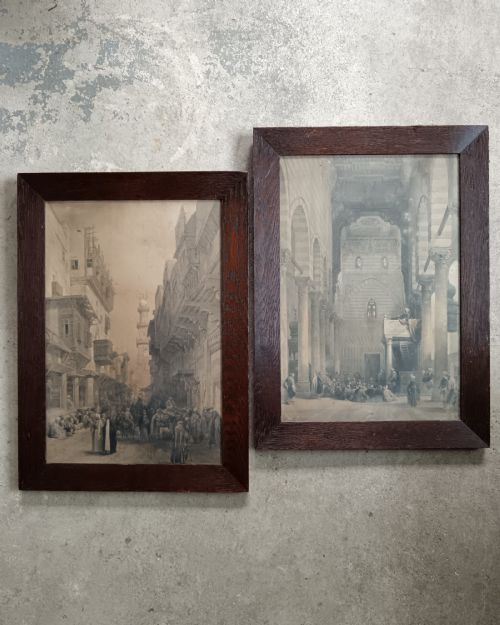
A dark oak framed picture encompasses a variety of framed artworks, prints, photographs, and mirrors housed within sturdy timber mouldings. When exploring dark oak framed picture options, buyers encounter pieces spanning the Victorian and Edwardian eras up through the 1930s.
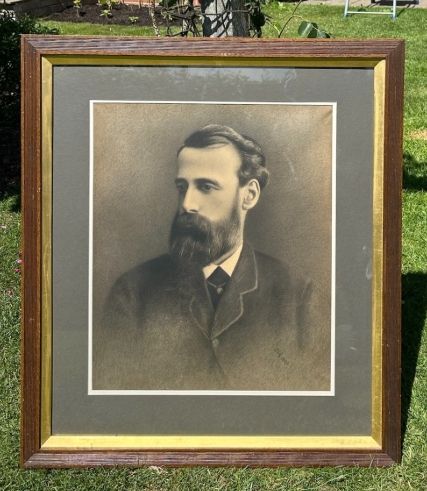
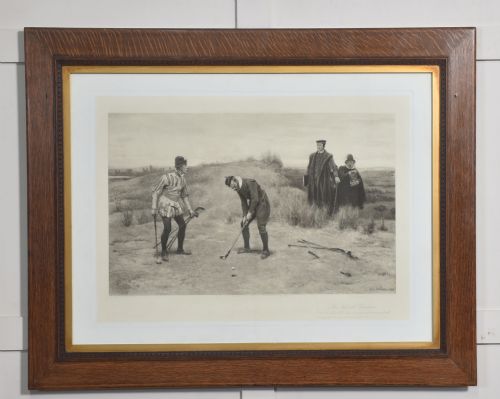
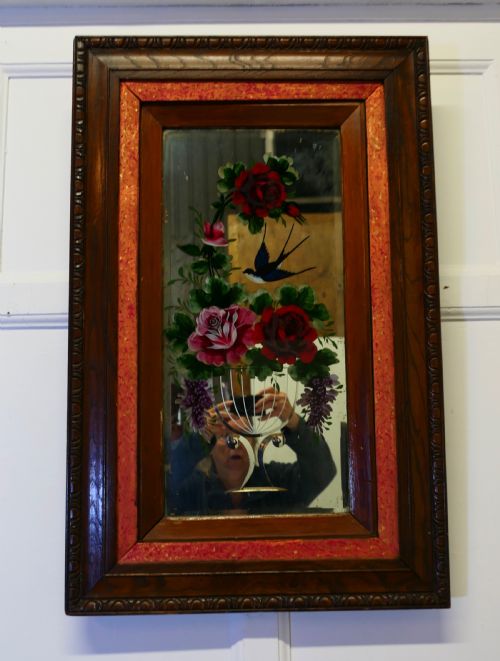
The selection ranges from naive portraits and sporting paintings to engravings, lithographs, and reverse-painted mirrors set inside wood or carved frames. Many of these pieces originate from British and French workshops, utilising the durability and deep tone of oak to anchor the visual composition.
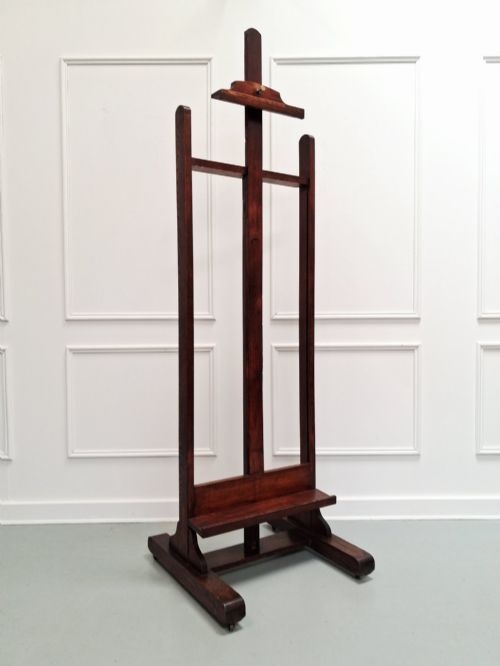
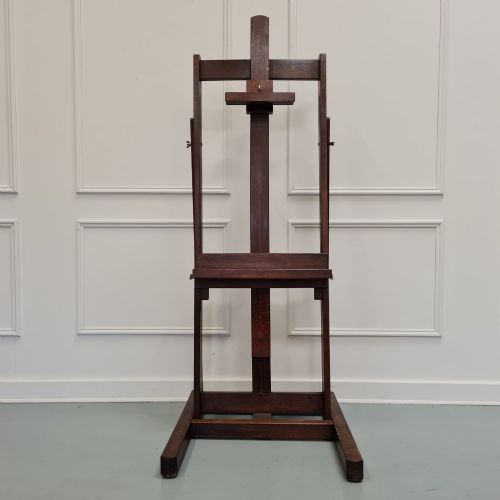
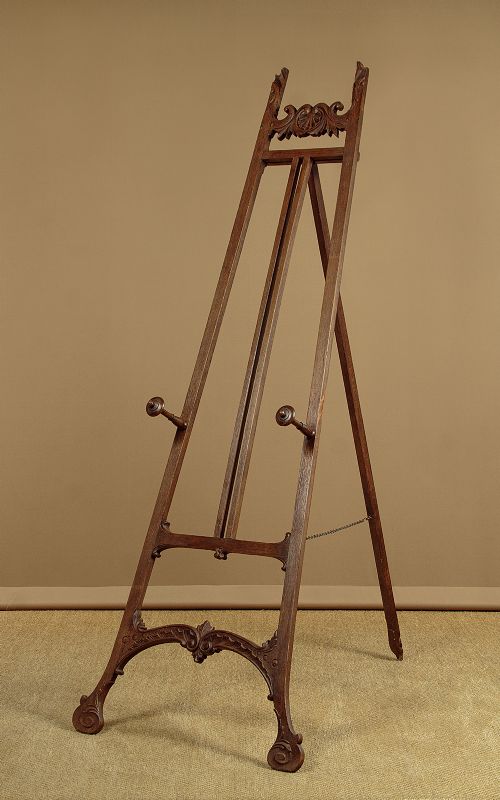
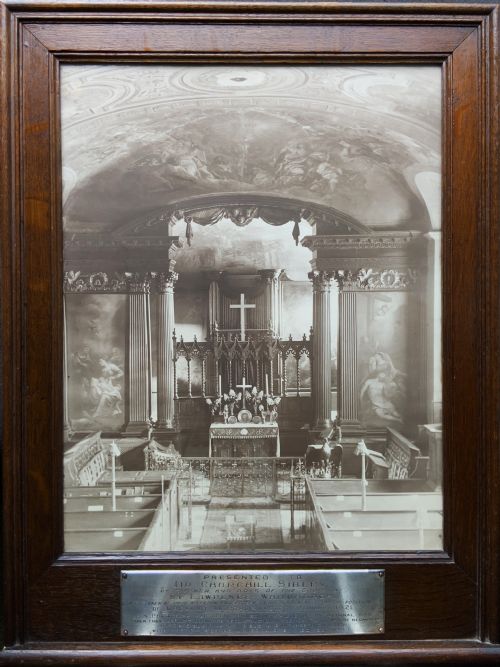
Alongside wall art, the category includes related display items such as carved oak easels and photographs mounted from ecclesiastical settings. These objects share a distinct reliance on dark timber frames and supports to establish their period character.
Assessing Quality
Quality rests upon the crispness of the carving on the oak frame and the integrity of the joinery at the corners. Superior examples display tight mitres, well-figured timber grain, and appropriate mounting materials that complement the age of the artwork.
The artistic merit of the enclosed content - whether an original signed drawing, an oil painting on wood, or a detailed period engraving - strongly influences the overall standing of the piece. Preservation of the original glass, backing, and framing elements further distinguishes higher-grade examples from later assemblies.
Current listings feature pieces spanning the 1850s to the 1930s, utilising oak, glass, paper, charcoal, and gold leaf across various framing styles.
H. Alden & Co.·Louis Haghe
The Dark Oak Framed Picture Glossary
- Lithograph
- A print made from a design drawn on a flat stone or metal plate. This technique allows for faithful reproduction of tonal gradations and fine lines in historical images.
- Engraving
- An image produced by cutting design lines into a metal plate with a sharp tool. The resulting inked grooves transfer onto paper under heavy pressure.
- Naive art
- Artwork created by an artist without formal academic training, often characterised by a direct perspective and charming simplicity. These pieces frequently appear in nineteenth-century portraits.
- Reverse painting
- A technique where the artist paints directly onto the back of a glass sheet so the image is viewed through the front. It is commonly found on decorative mirrors and Victorian wall pieces.
Dark Oak Framed Picture: Frequently Asked Questions
How do I date a dark oak frame?
Dating relies on examining the construction joints, the profile of the oak moulding, and the type of fixings used at the back of the piece. Hand-cut screws, early backing boards, and traditional corner mitres typically indicate nineteenth or early twentieth-century origins.
The style of the artwork or photograph contained within the frame also provides a reliable chronological anchor, as makers usually housed contemporary works in newly fashioned surrounds.
Are the frames original to the art?
Many pieces retain their original frames, particularly when the framing bears maker stamps or matches the specific period aesthetic of the artwork. Evidence such as age-appropriate shrinkage in the oak and historical backing papers helps confirm this pairing.
Over the decades, however, some works have been reframed to suit changing domestic tastes, making close inspection of the rebate and fixings essential.
How should I hang a heavy oak framed picture?
Due to the substantial weight of solid oak timber and protective glass, secure wall fixings attached directly to structural studs or heavy masonry anchors are necessary. Traditional brass D-rings and multi-strand picture wire must be checked for strength before hanging.
Positioning the piece away from direct sunlight and excessive humidity protects both the dark wood and the delicate paper or canvas inside.