


Victorian Dog Engraving
A victorian dog engraving captures canine loyalty through fine lines on paper, bringing the character of past centuries straight into a room.
Victorian Dog Engraving
A victorian dog engraving brings together printed paper images and functional objects decorated with canine subjects. Buyers seeking this phrase encounter framed prints alongside items bearing engraved depictions of dogs, spanning the nineteenth century into the early twentieth century.
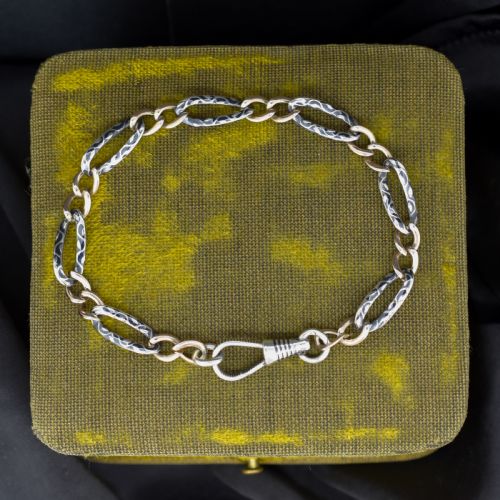
The material record on this page extends beyond simple paper prints to encompass steel fire dogs, brass fireplace sets, niello silver bracelets, and sterling silver card cases. These diverse objects share a common decorative focus on canine themes, rendered through various methods.
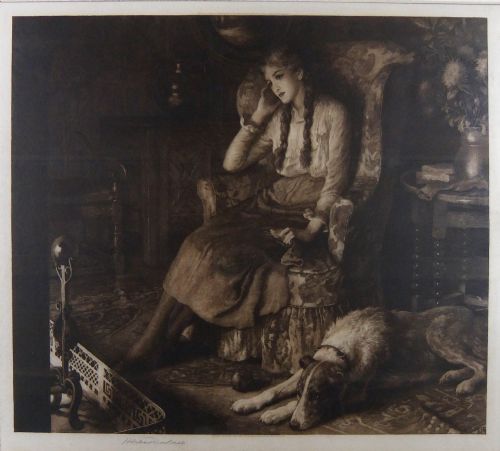
Framed prints and etchings dominate the visual offerings, often capturing individual animals or groups with careful attention to breed characteristics. Alongside these works on paper, domestic metalwork displays utilitarian forms embellished with chased or engraved dog motifs.
Materials and Techniques
Makers utilised paper sheets for prints and etchings, applying ink through drypoint and plate methods to achieve detailed textures in the animals' coats. Metal objects relied on sterling silver, brass, steel, and niello work, where craftsmen incised designs directly into the surface.
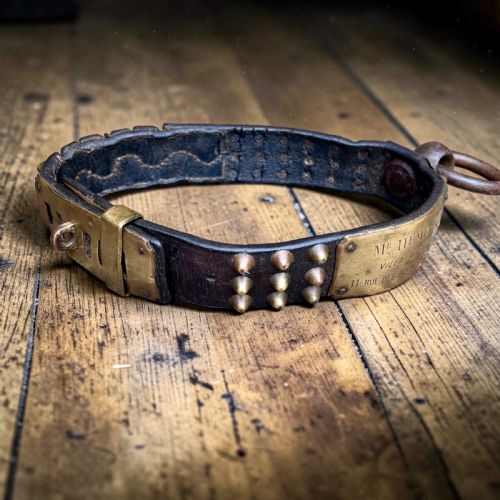
Fireplace accessories combined heavy cast brass and steel with applied decorative elements, while wearable pieces employed silver and gold alloys. Engravers worked by hand to trace fine lines into metal surfaces, mirroring the precision found in printed works on paper.
Several dogs caught on paper and metal continue to watch over hearths and hallways long after their original owners put down the pen.
Assessing Quality
Quality rests upon the clarity of the line and the precision of the engraving, whether executed on metal or printed upon paper. Stronger examples display crisp detail in the rendering of the subject, showing purposeful control over the medium.
The integration of the canine motif within the object dictates the overall success of the piece, as seen in balanced compositions on card cases, bracelets, and framed prints. Superior works maintain proportion and definition, allowing the subject to read clearly against its ground.
Herbert Dicksee·Reid and Summers
The Victorian Dog Engraving Glossary
- Drypoint etching
- A printmaking technique where an artist scratches a design directly onto a metal plate with a sharp needle. This process raises a burr of metal that holds ink and gives the printed lines a soft, velvety appearance.
- Niello
- A black metallic alloy used as an inlay on engraved or etched metal surfaces. The contrasting dark compound highlights the underlying design, often seen on nineteenth-century silver items.
- Fire dogs
- Metal supports placed within a hearth to hold logs above the floor, allowing air to circulate beneath the fire. They frequently feature decorative brass or iron terminals shaped to suit interior styles.
- Card case
- A small portable container designed to hold visiting cards, often decorated with engraved metalwork. These pocket items served polite social functions in the nineteenth century.
- Engraving
- The process of cutting designs into a hard surface using a burin or graver. The resulting troughs receive ink or remain visible as decorative relief patterns.
Victorian Dog Engraving: Frequently Asked Questions
What periods do these pieces date from?
The items gathered here span the nineteenth century into the Edwardian era and the early twentieth century. This timeline covers decades of artistic and domestic production.
Most pieces reflect Victorian and Edwardian manufacturing habits, alongside later print work from the early twentieth century.
How were these items used originally?
Prints and framed engravings hung in domestic interiors as decoration, while items like card cases carried calling cards for social visits. Fireplace accessories served practical hearth duties.
Wearable pieces such as bracelets functioned as personal ornaments, often incorporating canine motifs or clips shaped like dogs.
Are all these items paper prints?
No, paper prints form only part of the selection alongside metalwork and jewellery. The listings include brass fireplace sets, steel fire dogs, and silver card cases.
Each object category incorporates canine imagery through different techniques, extending from ink on paper to metal engraving and niello work.
How do I care for antique paper and metal?
Paper prints require protection from direct sunlight and moisture to prevent fading and staining over time. Proper framing behind glass helps shield the surface from airborne dust.
Metal items such as brass and silver benefit from gentle dusting and minimal cleaning to preserve their existing finish and historical character.