
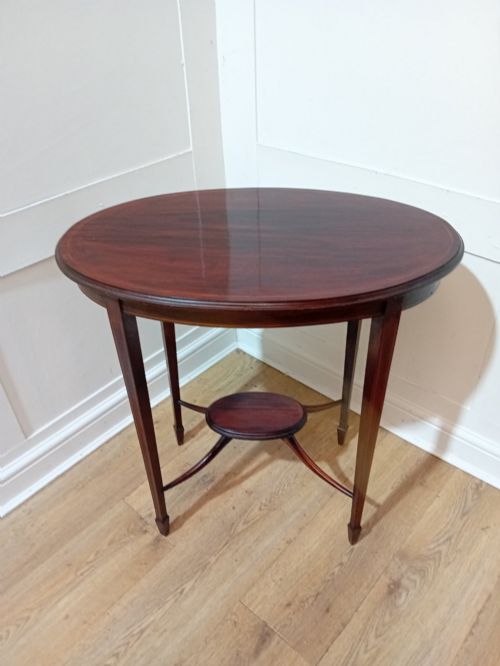
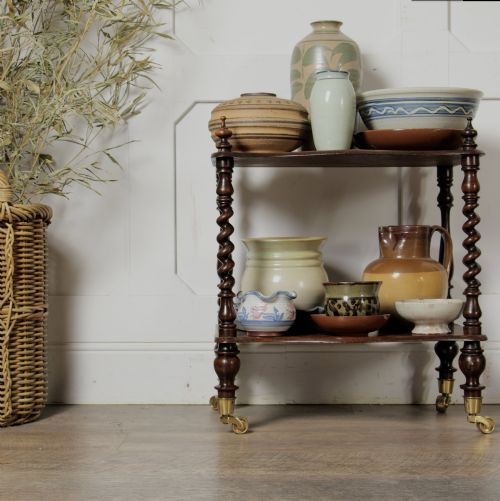


Dark Mahogany Side Tables
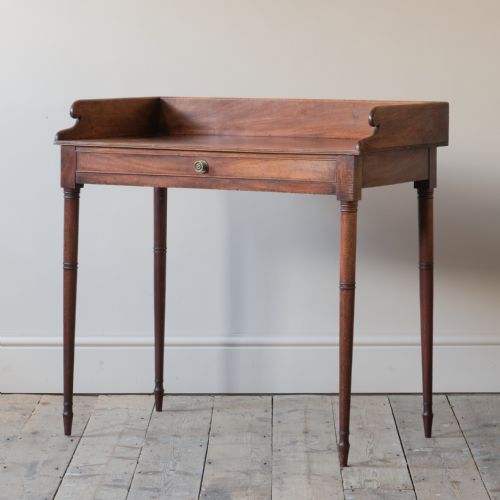
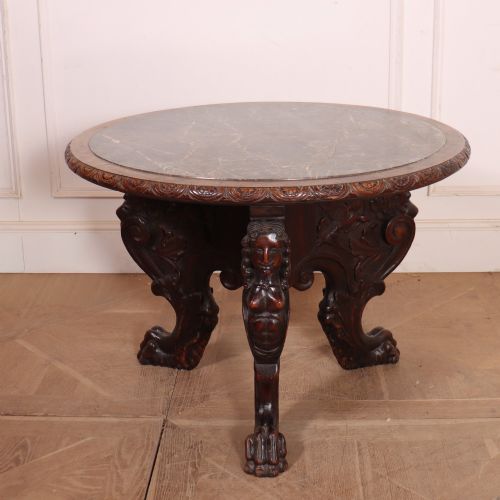
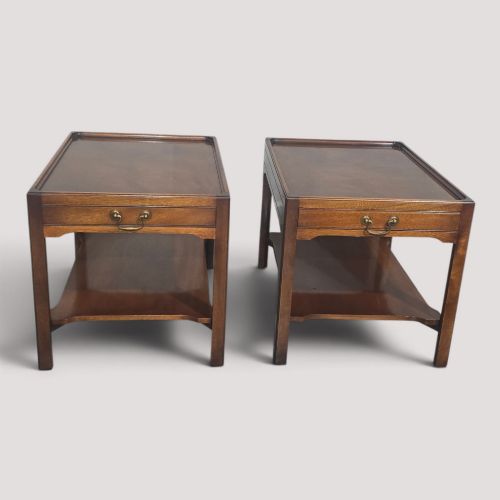
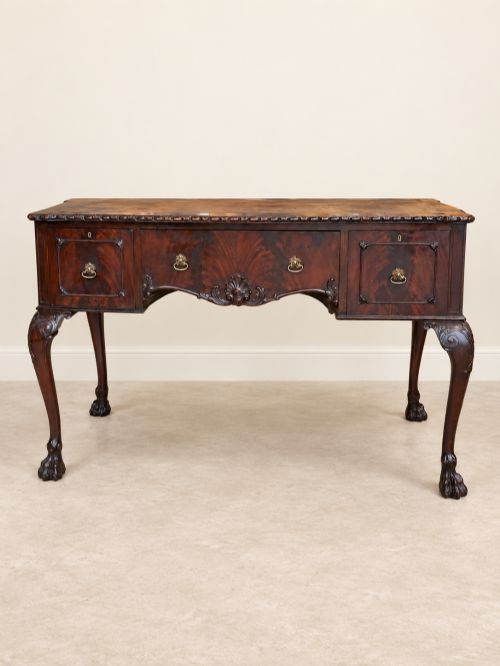
Dark mahogany side tables bring rich grain and deep colour to a room, offering practical surface space through nests and console forms.
Understanding Dark Mahogany Side Tables
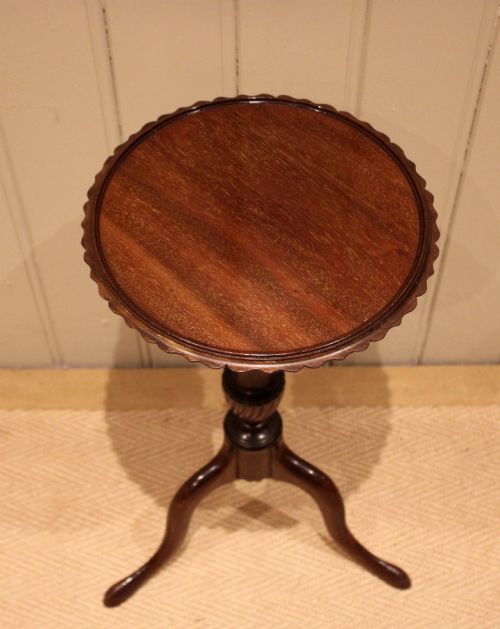
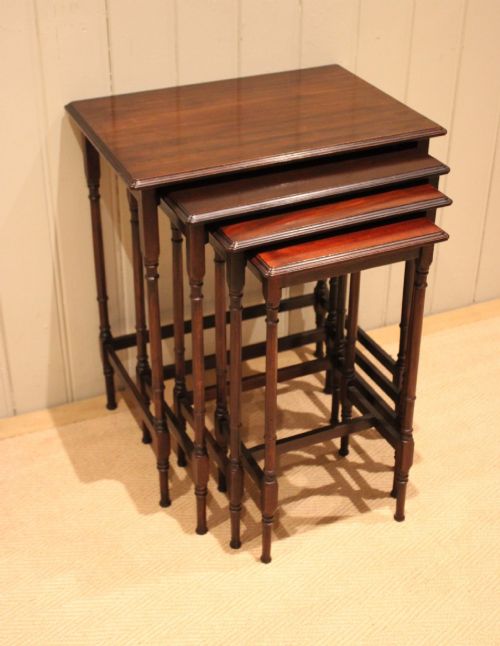
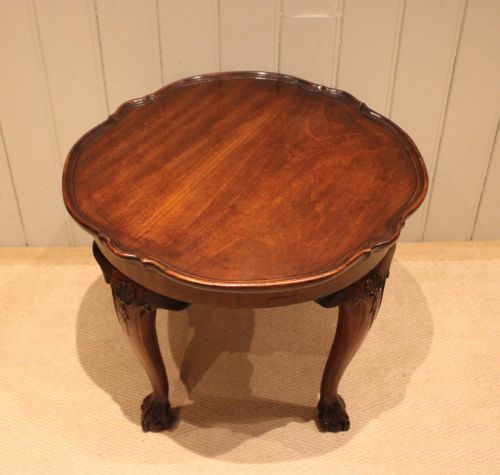
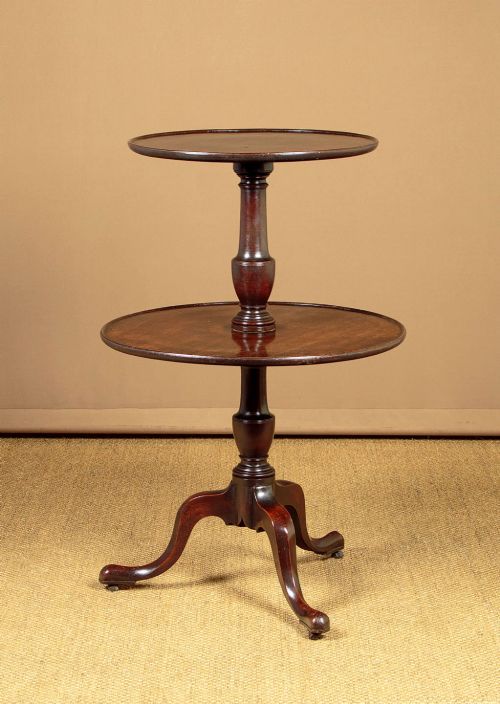
Dark mahogany side tables encompass versatile occasional furniture pieces designed for everyday utility and display. Buyers hunting for dark mahogany side tables encounter various configurations, from nests of four tables to console tables and lamp end tables.
The evidence shows forms ranging from nested quartetto sets to paired console tables and Indian occasional tables. Pieces hail from the Georgian period, the Victorian era, and the Edwardian period, alongside items dated to 1800, 1870, 1900, 1920, and 1930.
Georgian style and Regency designs appear frequently alongside Georgian, Edwardian, and Anglo-Indian origins. Buyers are most likely to meet nests of multiple tables and matched pairs designed for practical placement beside seating.
Materials and Construction
Construction relies upon solid mahogany, hardwood, and applied veneer surfaces that highlight the natural grain of the timber. Subsidiary decorative touches include satinwood inlay and brass fittings.
Workshop methods combined structural hardwoods with thin veneer layers to achieve expansive surfaces and smooth nest formations. Contrasting lighter timbers like satinwood provided decorative inlay details against the dark mahogany body.
Retail Price Guide 2026
Typical UK retail prices for dark mahogany side tables, calculated from the Sellingantiques database of over a million retail prices indexed since 2003. This retail price guide relies exclusively on Sellingantiques data; no external sources or auction records are used, so the figures do not describe the wider market.
Listings span multiple eras from Georgian origins to 1930, uniting solid mahogany, veneer, teak, rosewood, hardwood, and satinwood inlay.
Judging Quality
Quality rests upon the selection of timber figures, the precision of veneer work, and the integration of decorative details like satinwood inlay. Higher grades display thoughtful grain matching and careful execution of structural forms.
The sophistication of the design period, such as Regency or Georgian style proportions, elevates the character of the piece. Subtle variations in brass hardware and the crispness of turned or shaped supports separate standard items from finer examples.
The Dark Mahogany Side Tables Glossary
- Mahogany
- A durable tropical hardwood prized for its deep reddish-brown colour and stable grain. It forms the primary structural and surface material for these tables.
- Veneer
- A thin layer of fine timber applied over a secondary wood base to provide a decorative surface. This technique allows artisans to display rich grain patterns.
- Satinwood inlay
- A contrasting light-coloured wood inserted into the darker mahogany surface to create decorative borders or motifs. It adds visual detail to table tops and edges.
- Quartetto nest
- A set of four graduated tables designed to slide neatly beneath one another to save floor space. This form appears across nineteenth-century and early twentieth-century examples.
- Console table
- A table designed to stand flat against a wall, frequently used in hallways or living spaces. The evidence includes Regency period console tables.
Frequently Asked Questions
What is a nest of tables?
A nest of tables consists of a set of graduated occasional tables that stack beneath the largest table when not in use. They provide flexible surface space in living areas without permanently occupying floor area.
Evidence shows nests containing three or four tables dating from the Georgian period through to 1930.
How do I identify a Regency table?
Regency style furniture reflects classical design influences popular during the early nineteenth century. Pieces from this period often display clean architectural lines and refined proportions.
Console tables listed from 1800 represent this distinct design era.
Where were these tables used?
These tables served as functional occasional furniture in sitting rooms, drawing rooms, and hallways. Paired lamp tables and console tables provided designated spots for lighting and decorative objects.
Nests offered temporary surfaces for tea or writing that cleared away easily.
What is satinwood inlay?
Satinwood inlay involves setting pale, yellow-toned satinwood into recesses cut into the darker mahogany surface. This technique creates contrasting geometric borders or decorative motifs.
It demonstrates skilled cabinetmaking across various periods represented in the listings.