

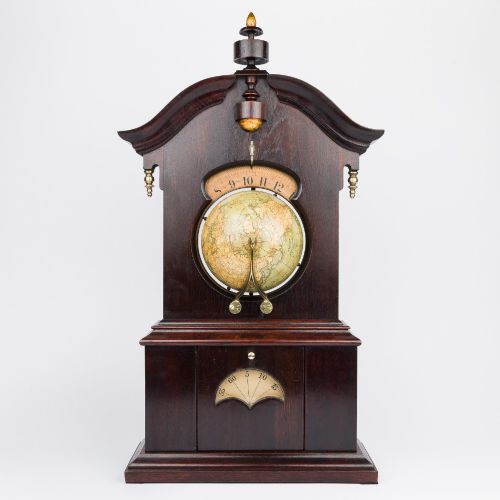
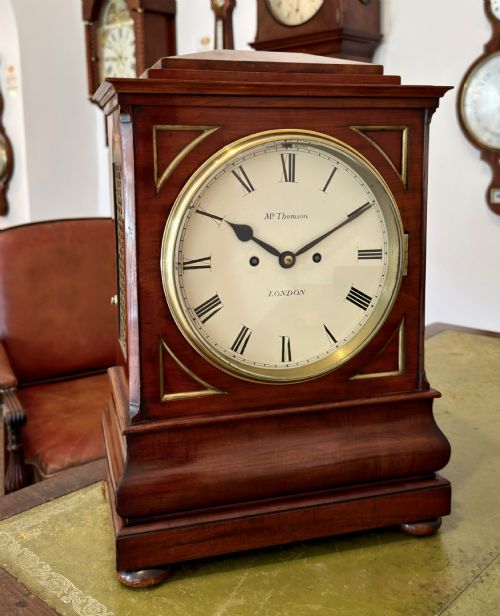
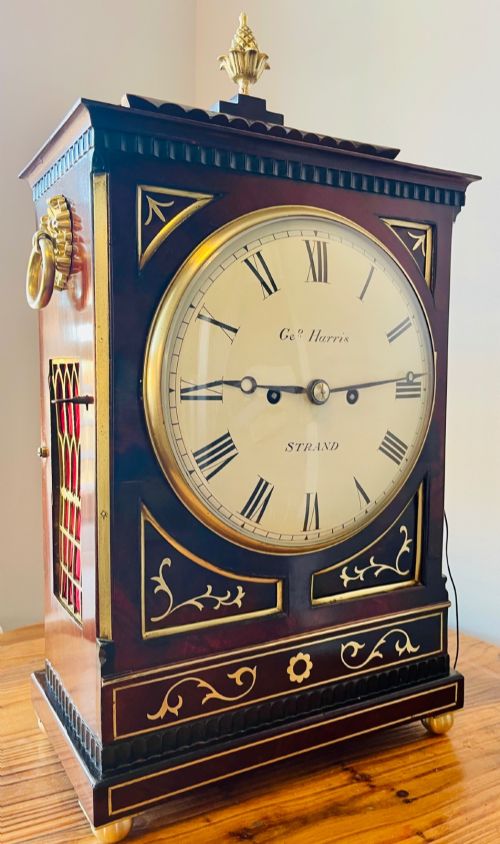
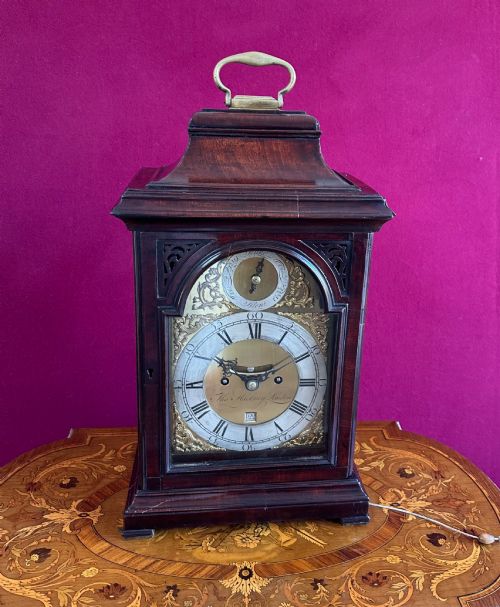
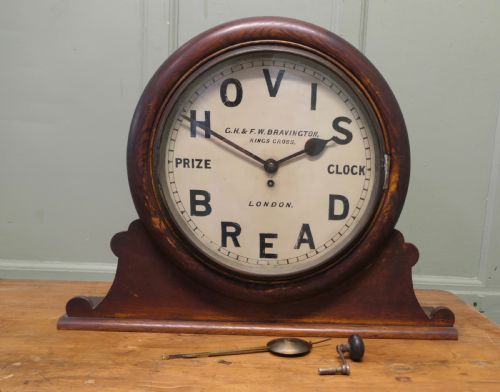
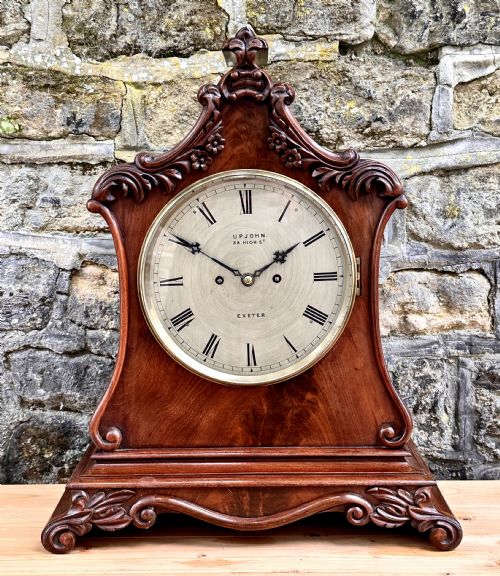
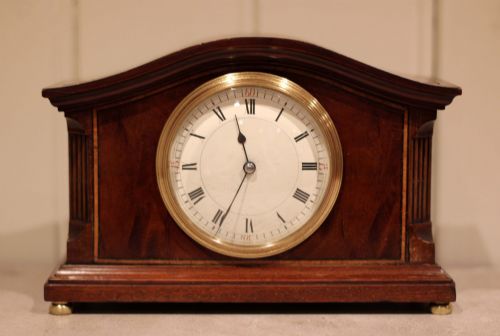


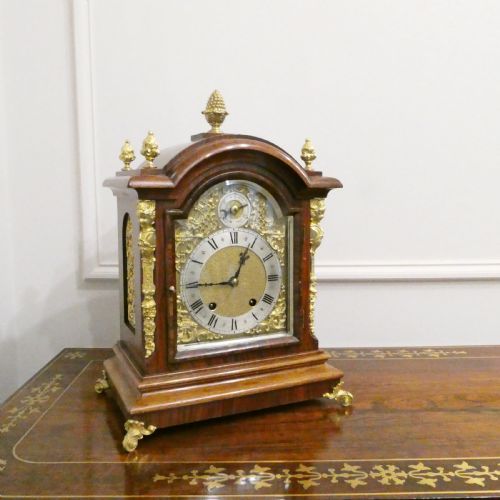

Dark Mahogany Mantel Clock
A dark mahogany mantel clock brings weight and steady time to a room, drawn from Georgian, Regency, and Victorian workshops.

Dark Mahogany Mantel Clock
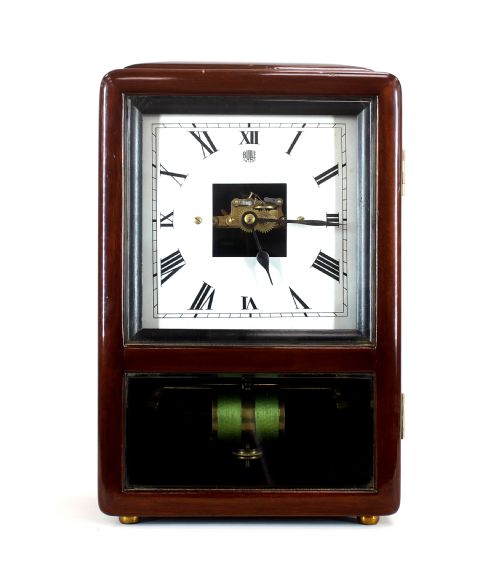
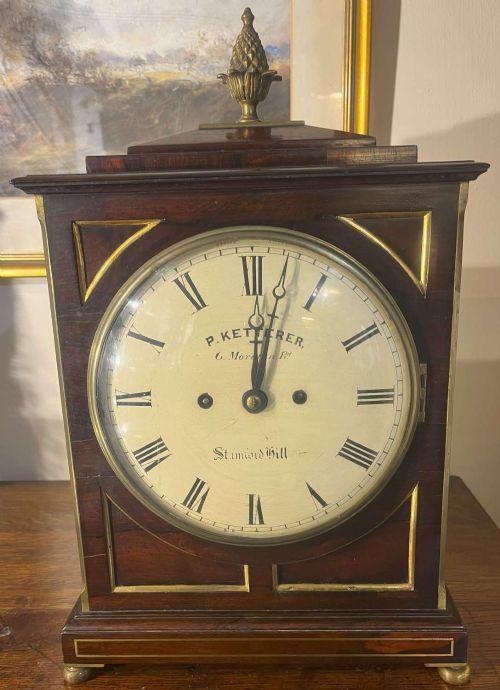
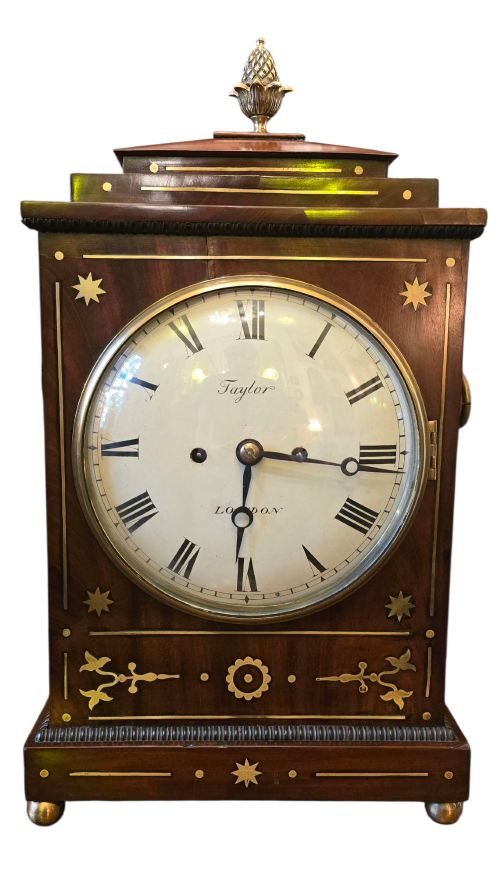
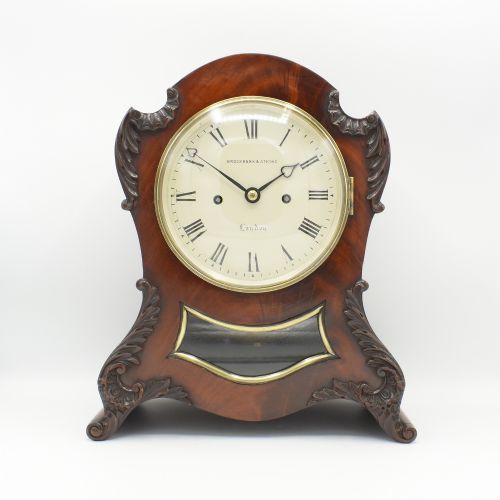
A dark mahogany mantel clock is a sturdy timepiece housed in rich timber, designed to sit upon a shelf or bracket. You will encounter forms ranging from simple library timepieces to elaborate bracket and bell-top clocks originating across the eighteenth, nineteenth, and early twentieth centuries.
The selection includes compact balloon clocks and substantial fusee models spanning Georgian, Regency, and Victorian periods. Many examples originate from British makers in London and regional towns, alongside continental pieces.
Makers utilised dark mahogany for its deep grain and resilience, framing dials of enamel and silvered metal behind glass. These clocks vary from plain library designs to pieces ornamented with brass and ormolu.
Materials and construction
Makers constructed these clock cases from solid mahogany and mahogany veneers, often embellished with boxwood inlay, brass mounts, and silk details. The timber was selected for strength and polished to a deep sheen.
Inner mechanics relied on brass gears, verge and fusee escapements, and intricate striking trains driven by weights or springs. Dials combined white enamel with engraved silvered metal panels, protected by fitted glass doors.
Dark Mahogany Mantel Clock Retail Price Guide 2026
Typical asking prices for dark mahogany mantel clock among the pieces listed under this phrase on Sellingantiques today, from the lower quarter to the upper quarter. They describe what is for sale here now, not the wider market.
Some nineteenth-century makers hid tiny engraved signatures deep within the brass gear trains, rewarding clockmakers who dismantled them later.
Judging the quality
Quality rests in the precision of the movement, the crispness of the brass engraving, and the preservation of the original wooden case. Clocks with signed backplates and twin fusee mechanisms indicate higher workshops.
Heavier timber selection, intact boxwood stringing, and unmarred enamel dials distinguish superior examples from simpler utilitarian timepieces. The integration of complex chimes or alarm mechanisms elevates a piece further.
Thomson of London·Brockbanks & Atkins·G.H. & F.W. Bravington London·Bush of London·Mappin & Webb·Thomas Connold of Alysham·Winterhalder & Hofmeier·Joseph Jump of London·John Taylor
The Dark Mahogany Mantel Clock Glossary
- Fusee
- A conical pulley used in spring-driven clocks to maintain even power as the mainspring unwinds. This mechanism ensures consistent timekeeping.
- Verge escapement
- An early type of escapement mechanism that controls the release of power in the gear train. It is commonly found in older eighteenth-century examples.
- Ting tang
- A striking mechanism that sounds two different notes on two bells to indicate the quarters of the hour. It creates a distinct chime.
- Silvered metal
- A brass or copper dial treated with a silver solution to create a pale, matte metallic finish. Numbers and maker names are typically engraved into this surface.
Dark Mahogany Mantel Clock: Frequently Asked Questions
How do I wind my clock?
Use the appropriate key gently on the winding squares located on the dial face. Turn carefully until resistance is felt, avoiding over-winding.
Ensure you do not force the mechanism past its stopping point to protect the internal springs and fusee gear trains.
What is a bracket clock?
A bracket clock is a portable timepiece traditionally designed to sit on a wall bracket or a table. They are usually housed in wooden cases with carrying handles.
Many feature glazed side panels and locking doors to protect the delicate movement within.
How do I date a mahogany clock?
Examine the style of the case, the signature of the maker, and the type of escapement movement used. Georgian and Regency pieces often feature verge or fusee movements.
Victorian and later Edwardian clocks frequently incorporate newer striking trains and modified dial layouts.
Where should I place my clock?
Position the clock on a stable, level mantelpiece or shelf away from direct sunlight, dampness, and heat sources. Level placement helps the pendulum swing evenly.
Keep the clock away from drafty doorways to protect the polished mahogany case and internal mechanisms.