

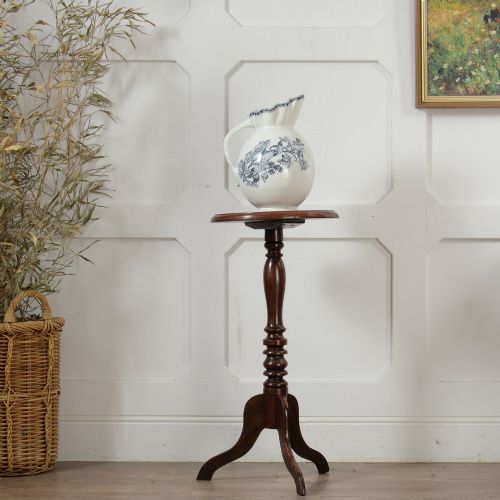
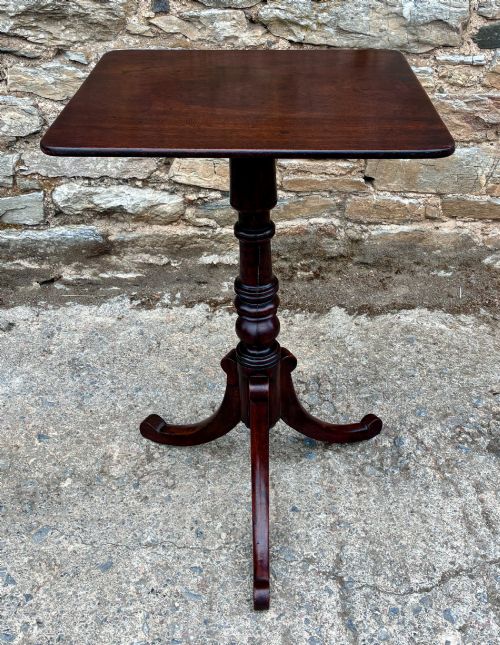
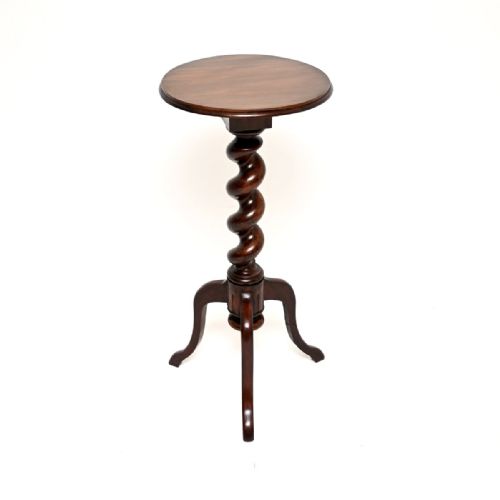
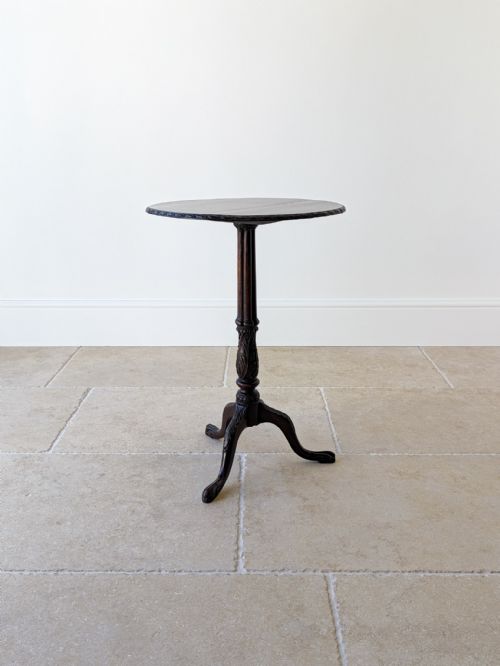
Dark Mahogany Column Pedestal
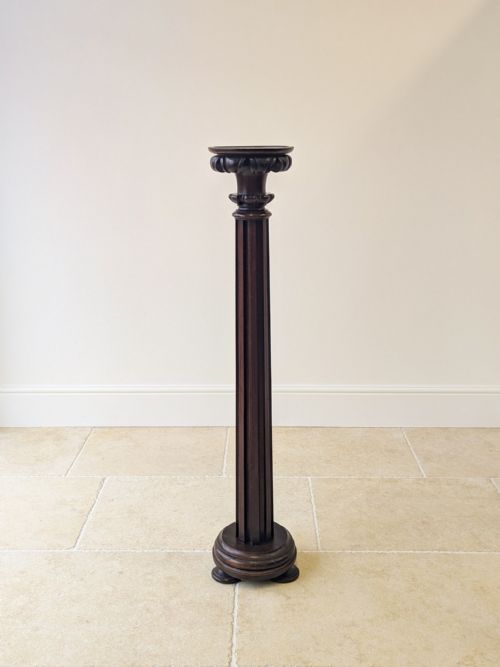
A dark mahogany column pedestal brings architectural presence into a room, serving as a sturdy support for sculpture, plants or lamps.
Dark Mahogany Column Pedestal
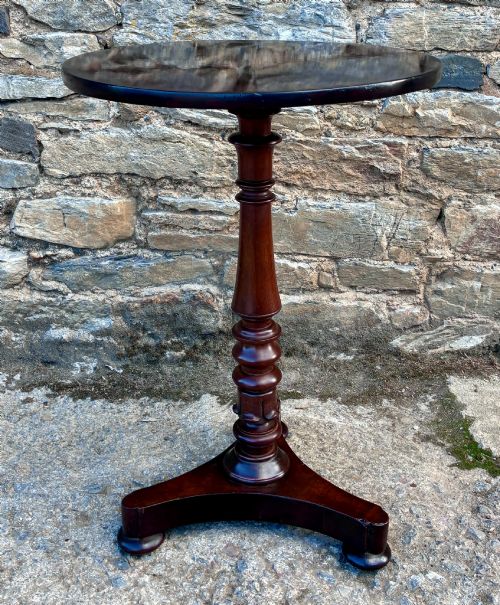
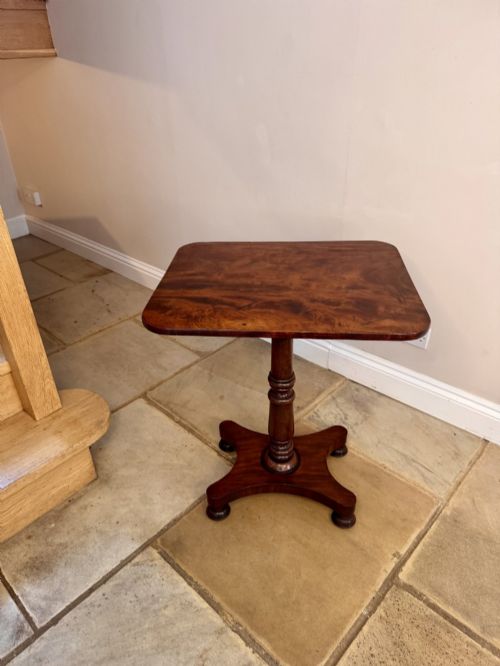
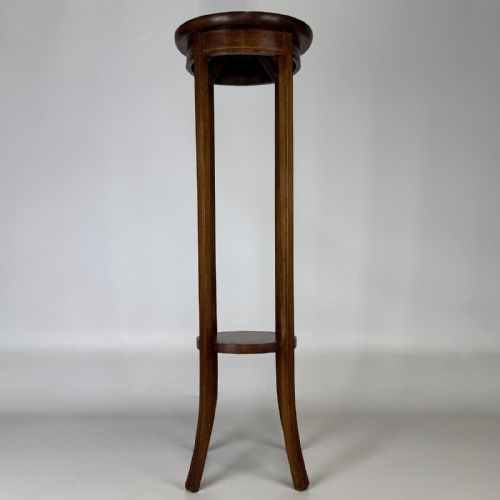
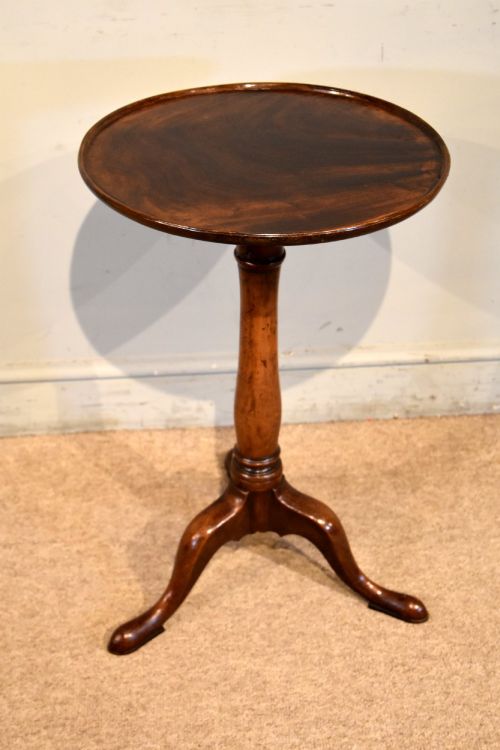
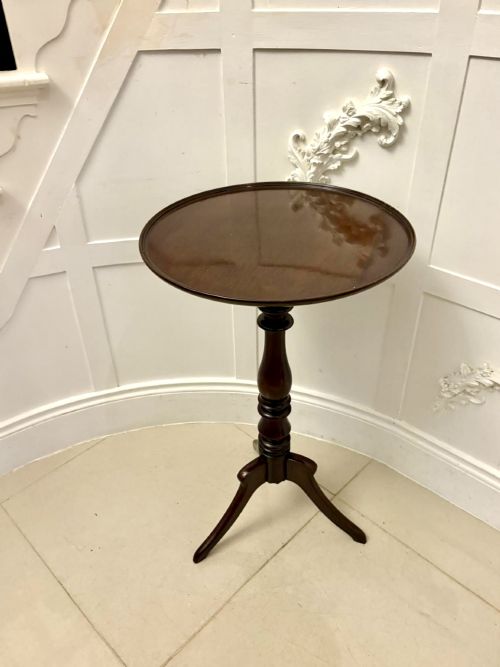
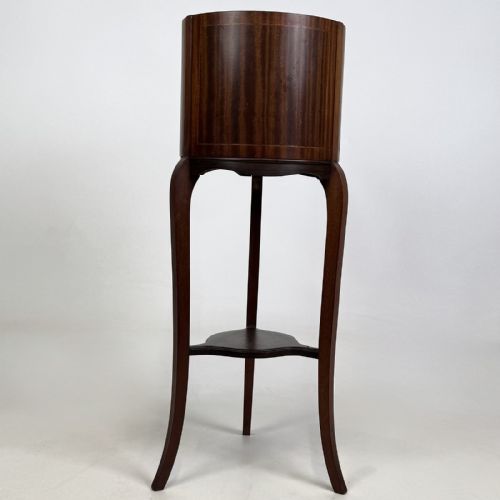
When you search for a dark mahogany column pedestal, you find tall, vertical display supports designed to elevate decorative objects. These pieces span periods from the Georgian era through the Victorian and Edwardian decades, encompassing related forms like torcheres, plant stands and occasional tables.
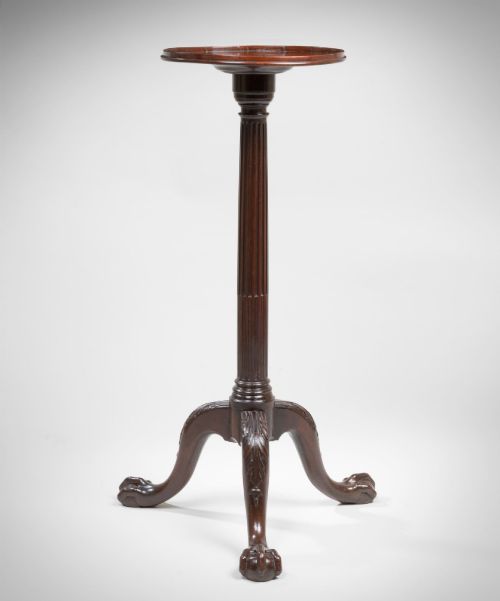
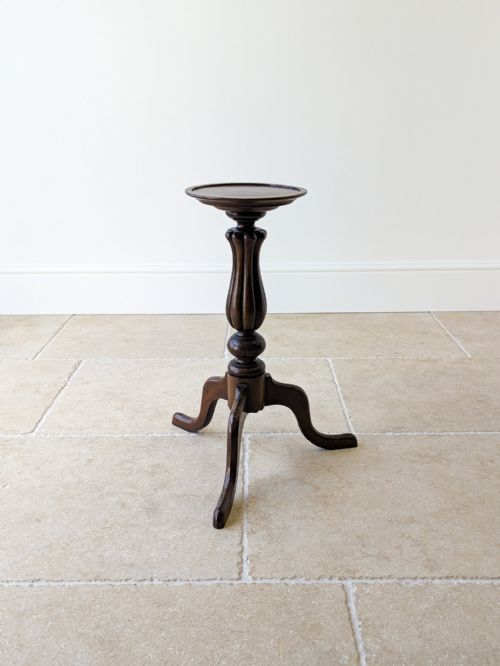
The selections on this page concentrate heavily on nineteenth-century Victorian examples alongside eighteenth-century Georgian origins and later Edwardian pieces. Formats range from slender fluted columns to tripod candle stands and marble-topped variants.
Materials and construction methods
Cabinetmakers utilised rich dark mahogany as the primary timber, occasionally incorporating contrasting satinwood inlay or pairing the wood with grey marble tops. Structural stability required sturdy turned columns, tripod legs and carved bases.
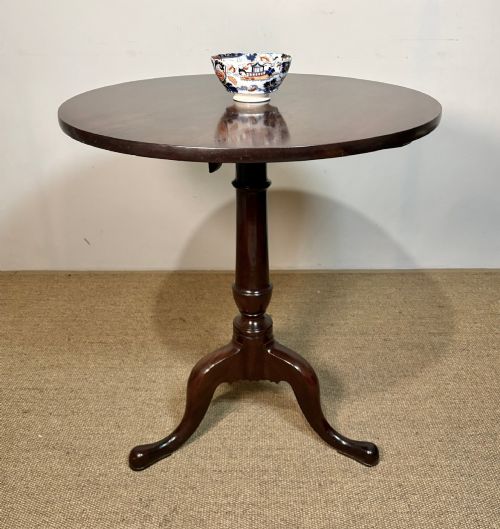
Secondary elements include brass accents, bronze mounts and occasional silver-plated figural components. Joinery techniques relied on traditional turning, carving and fitted tabletop mechanisms such as tilt-top hinges.
Dark Mahogany Column Pedestal Retail Price Guide 2026
Typical asking prices for dark mahogany column pedestal among the pieces listed under this phrase on Sellingantiques today, from the lower quarter to the upper quarter. They describe what is for sale here now, not the wider market.
Some tall stands doubled as sneaky smoking tables where gentlemen hid their pipes beneath a tilting top.
Distinctions in quality
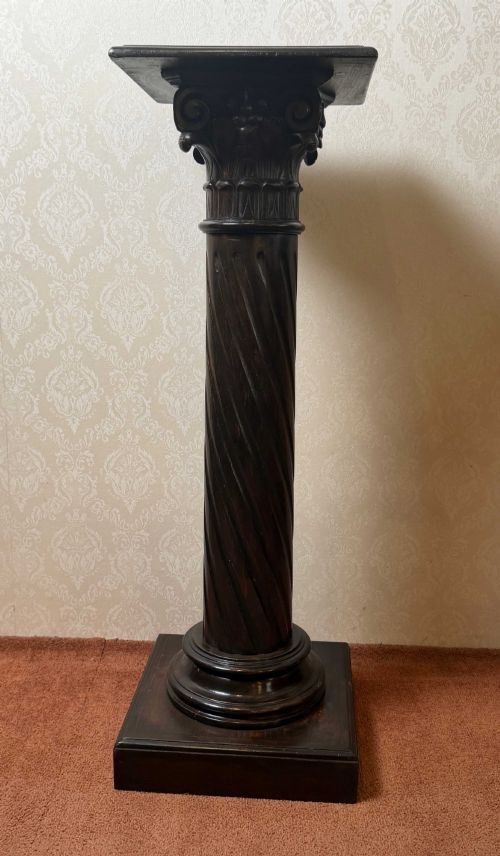
The distinction between standard utility items and superior examples lies in the crispness of the timber carving and the depth of the mahogany grain. Finer pieces display well-proportioned Corinthian capitals, precise fluting and balanced tripod supports.
Material selection also dictates standing value, where integrated marble inserts, bronze mounts or delicate satinwood inlay elevate the piece beyond a simple turned column.
The Dark Mahogany Column Pedestal Glossary
- Torchere
- A tall stand or pedestal originally designed to hold a torch or candle. These slender supports now typically display figures, vases or floral arrangements.
- Tilt-top table
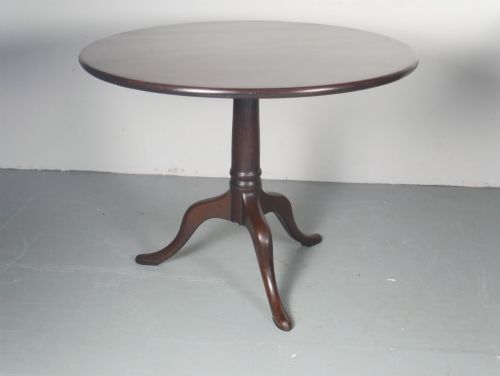
- A small table featuring a mechanism that allows the surface to pivot to a vertical position when not in use. This clever design saved valuable floor space in period drawing rooms.
- Tripod base
- A three-legged support structure commonly found on nineteenth-century lamp and wine tables. This configuration ensures stability on uneven floorboards.
- Gueridon
- A small French-style stand or pedestal table often featuring a circular top supported by a central column. They frequently incorporate marble tops and brass details.
- Corinthian column
- An ornate architectural column order characterised by elaborate capitals decorated with acanthus leaves. Makers translated this classical stone motif into carved mahogany furniture.
Dark Mahogany Column Pedestal: Frequently Asked Questions
What is a dark mahogany column pedestal used for?
These tall supports elevate decorative objects, sculptures, table lamps and potted plants to eye level within a room. They make effective use of vertical space in corners or empty hallways.
Historically, similar stands held candles or oil lamps to illuminate dark corners before electric lighting became widespread. Today, they function primarily as display furniture for art and botanicals.
How do I distinguish Georgian from Victorian pedestals?
Georgian pieces generally exhibit restrained classical proportions, precise cabinetmaking and understated carved details reflecting eighteenth-century design ideals. Timbers often display a deep, warm natural patina.
Victorian and later revival pieces tend to introduce heavier carving, more ornate barley twist turnings or eclectic styling drawn from Chippendale and Regency revivals. They frequently incorporate mixed materials like marble and brass.
Can these stands support heavy items?
Most solid mahogany tripod and column supports possess considerable structural strength capable of holding substantial bronze figures, large ceramic vases or heavy stone planters. The stability depends largely on the spread of the base legs.
Pedestals fitted with delicate inlay or slender tilt-top mechanisms suit lighter decorative items rather than heavy sculptural pieces. Checking the weight distribution at the base ensures safe display.
Where should I place a column pedestal at home?
Freestanding columns suit empty corners, entrance hallways or flanking fireplace hearths where they draw the eye upward and break up flat wall expanses. They also serve effectively behind seating areas as lamp tables.
Matching pairs can frame a doorway or arched opening to create a balanced architectural focal point. Placing them out of high-traffic pathways protects the projecting tripod legs from accidental knocks.