

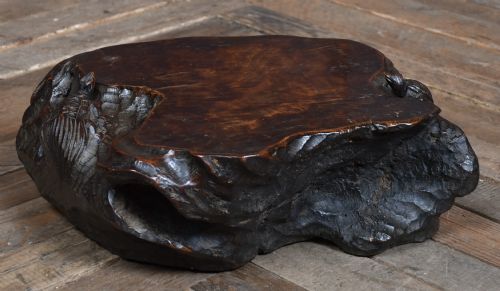


Carved Timber Display Plinth
A carved timber display plinth elevates an object to command the room, and these solid supports bring distinct historical character to your interior.
Carved Timber Display Plinth
A carved timber display plinth functions as a sturdy support structure for sculptures, urns, and decorative objects. When you search for a carved timber display plinth, you encounter architectural columns, pedestals, and plant stands designed to showcase prized possessions.
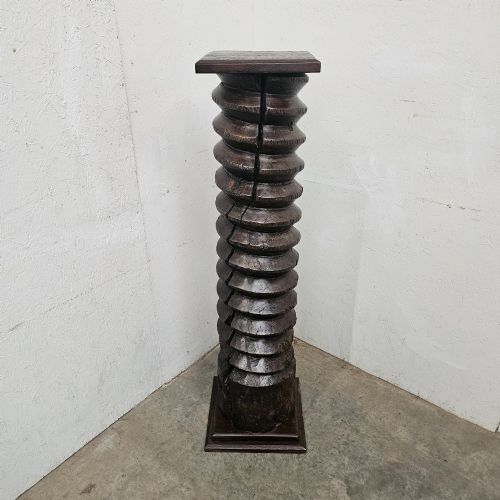
The selections on this page span from the 1800s through the Victorian era to the 1920s. You will find distinct forms ranging from classical column designs to rustic country house stands and specialised bonsai display tables.
Makers utilised various timber types to construct these supports, resulting in substantial pieces with significant visual weight. These items serve both functional and ornamental purposes in domestic and institutional settings.
How they were made
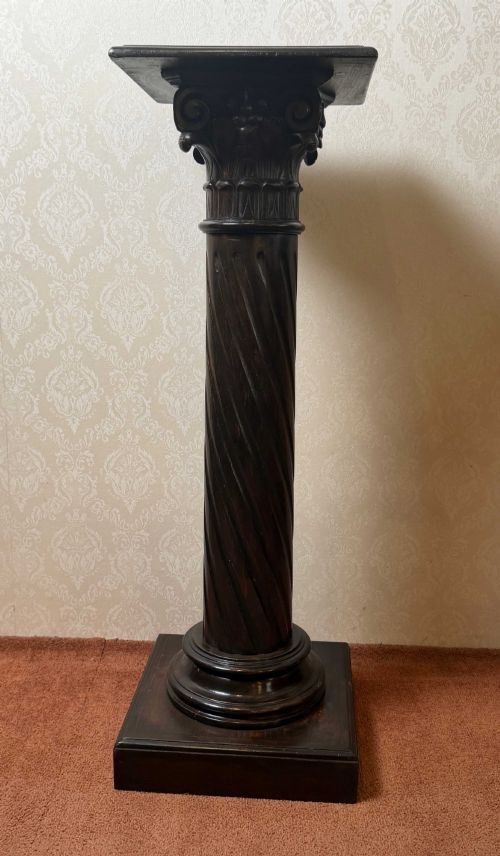
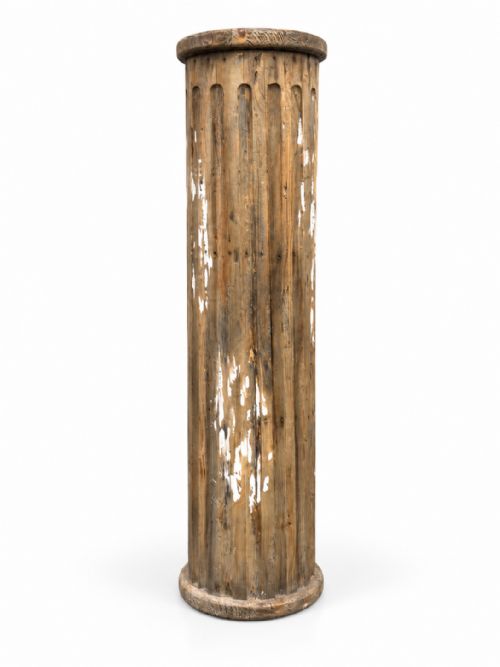
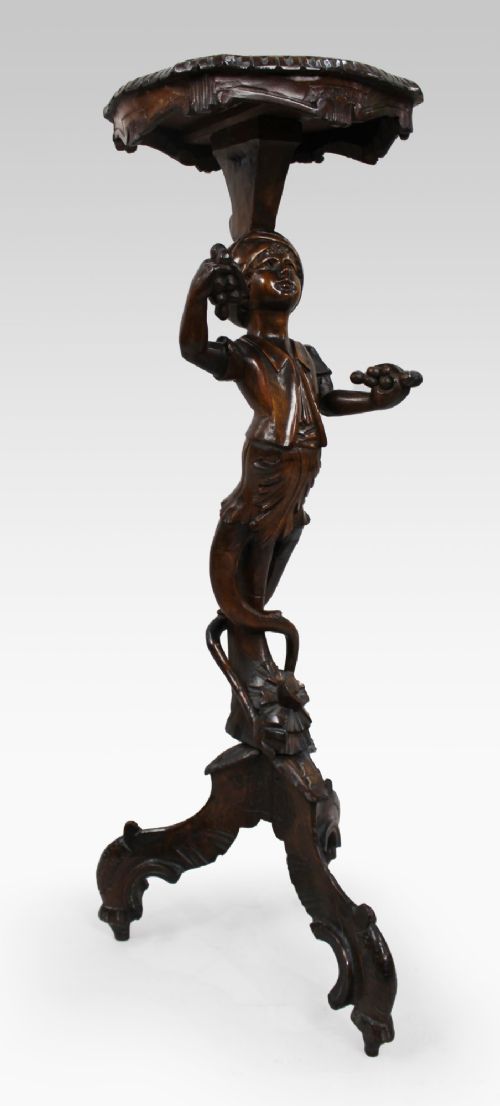
Craftsmen shaped these supports using traditional woodworking techniques on solid materials like mahogany, walnut, hardwood, pine, and dark oak. Hand carving defined the surface decoration, producing fluted columns and detailed figural elements.
Makers incorporated architectural motifs such as Corinthian capitals into wooden structures, sometimes applying stains or decorative finishes to the timber. Construction methods prioritised load-bearing strength alongside intricate surface ornamentation.
Carved Timber Display Plinth Retail Price Guide 2026
Typical asking prices for carved timber display plinth among the pieces listed under this phrase on Sellingantiques today, from the lower quarter to the upper quarter. They describe what is for sale here now, not the wider market.
One unusual historical column conceals a secret compartment beneath its carved timber exterior.
What varies in quality
The distinction between standard and superior examples lies in the depth and precision of the hand carving. Crisp architectural details on a Corinthian column or finely rendered figural work elevate an object above simpler turned or machined supports.
Timber selection and structural integrity also dictate the calibre of the piece. Dense hardwoods and well-preserved historical surfaces command greater attention than utilitarian pine alternatives.
The Carved Timber Display Plinth Glossary
- Pedestal
- A support or base for a statue, urn, or column. These sturdy forms lift decorative objects to eye level.
- Neoclassical
- A style inspired by classical antiquity featuring restrained ornamentation and orderly proportions. This design approach appears frequently on columns and plinths.
- Corinthian
- An architectural order marked by ornate capitals decorated with acanthus leaves. It frequently tops classical wooden display columns.
- Bonsai Stand
- A low display platform traditionally used to present potted miniature trees. These specialised stands often feature intricate woodworking.
Carved Timber Display Plinth: Frequently Asked Questions
What can I put on a display plinth?
These supports accommodate heavy decorative items such as bronze sculptures, large ceramic vessels, or art glass pieces. Placing an object on a column draws the eye and gives the piece prominence within a room.
Ensure the weight distribution matches the surface area of the top platform. Lighter stands suit delicate items like bonsai trees, while robust hardwood columns handle heavier materials.
How do I date an antique wooden pedestal?
Examine the timber species, tool marks, and stylistic clues to determine the era of manufacture. Pieces from the 1800s and Victorian periods often display hand-turned components and specific historical revival motifs.
Look at how joints and fasteners were constructed. Older items frequently show signs of hand-working rather than modern factory production.
Are these pedestals strong enough for heavy statues?
Solid hardwood columns and mahogany stands provide substantial load-bearing capacity for substantial sculptures and heavy planters. The internal structure determines how much weight the piece can safely support.
Inspect the base and top platform for stability before placing valuable or fragile objects on top. Heavier timber designs naturally offer better balance on flat floors.
Where should I place a display column at home?
Display columns work well in corners, entryways, or flanking doorways where they frame a view or hold a focal point. Freestanding pedestals need adequate clearance so they do not obstruct foot traffic.
Consider natural light sources when positioning your plinth to highlight the carved details of the timber. Pairing a column with a matching wall colour creates a cohesive interior scheme.