
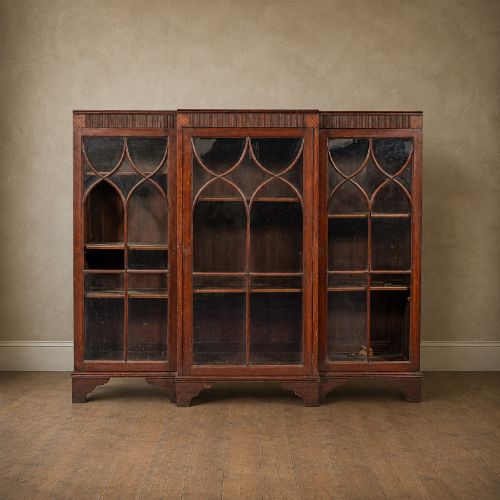
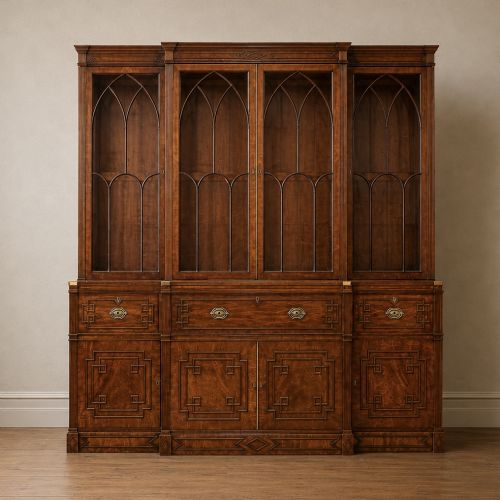
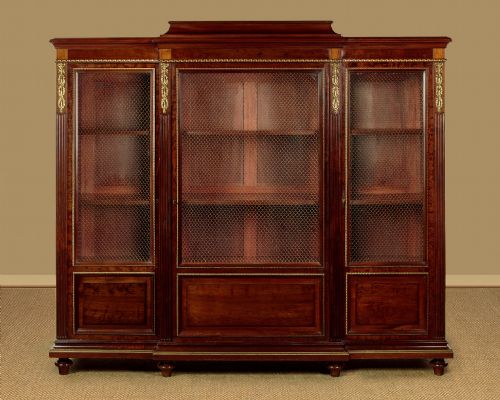
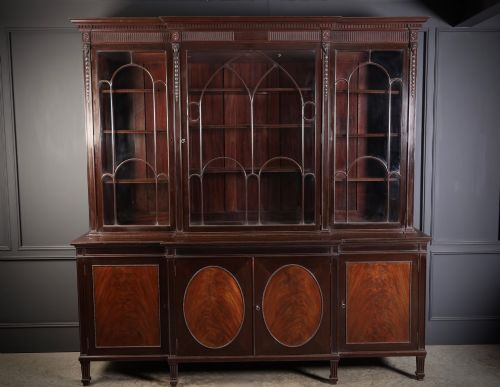
Dark Mahogany Breakfront Cabinet
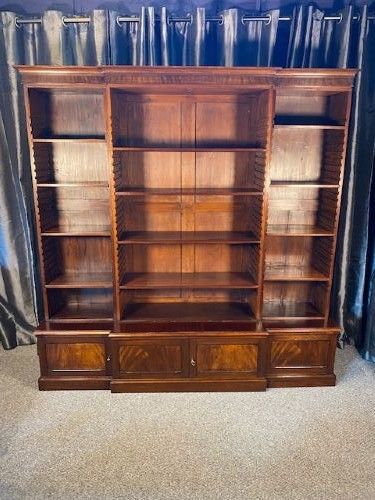
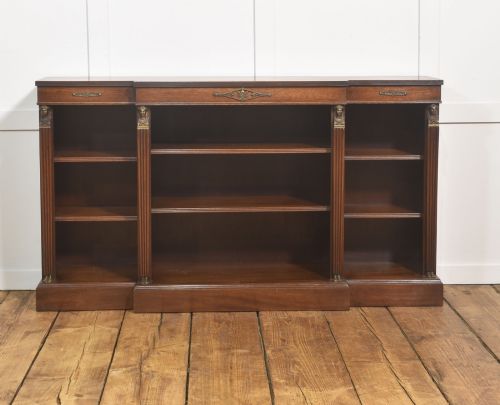
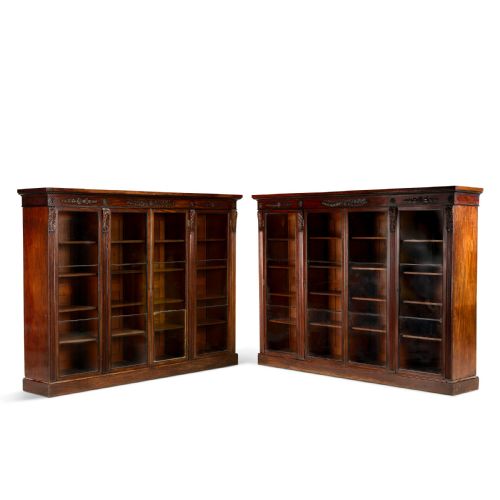
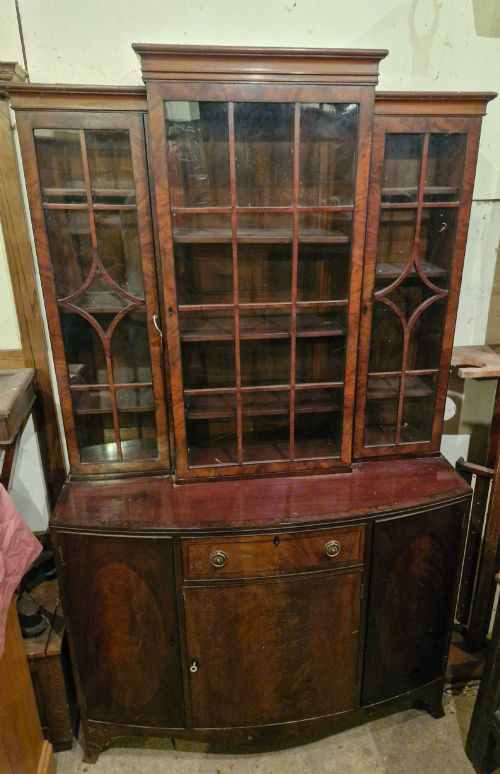
A dark mahogany breakfront cabinet offers commanding architectural presence and generous storage, making it the definitive choice for serious libraries and formal dining rooms.

Dark Mahogany Breakfront Cabinet
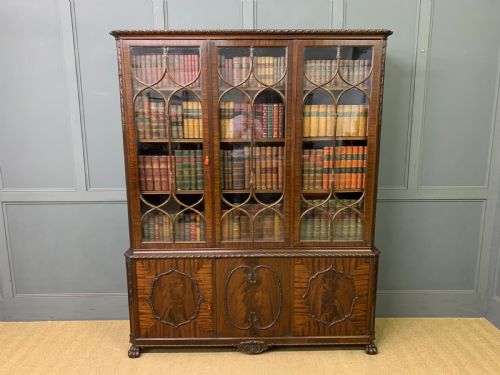
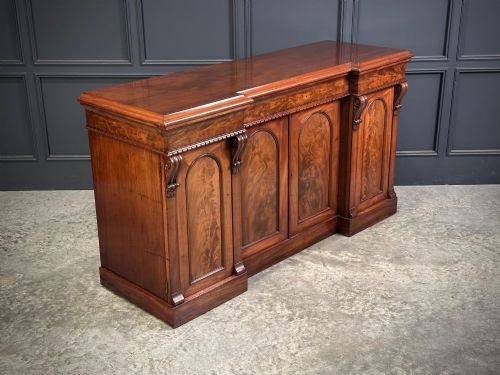
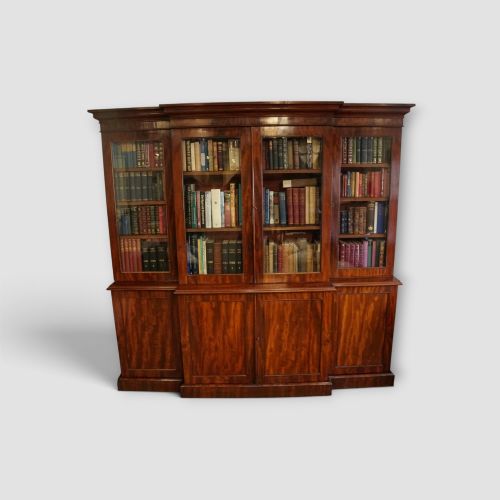
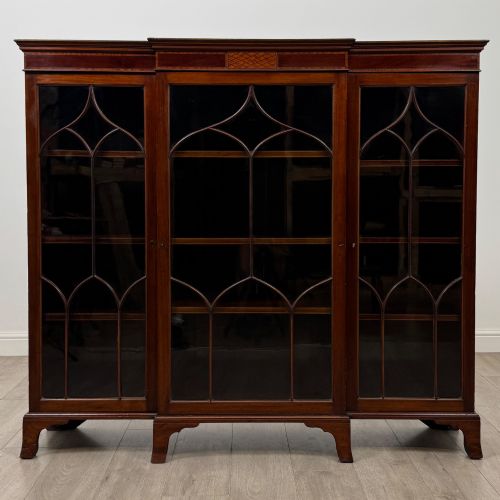
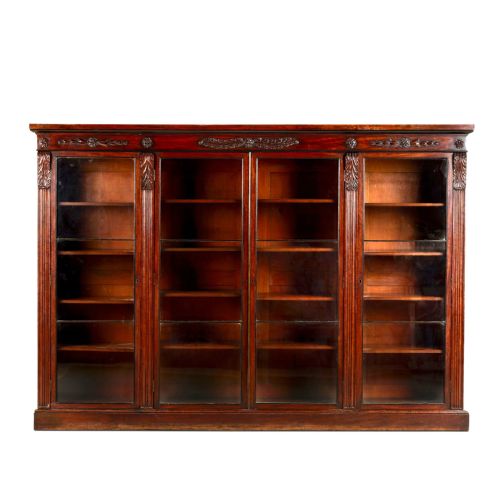
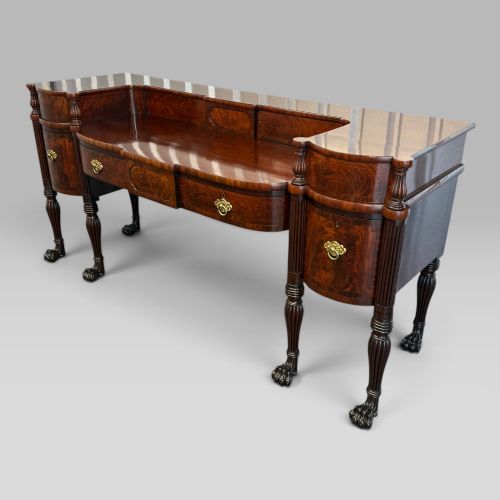
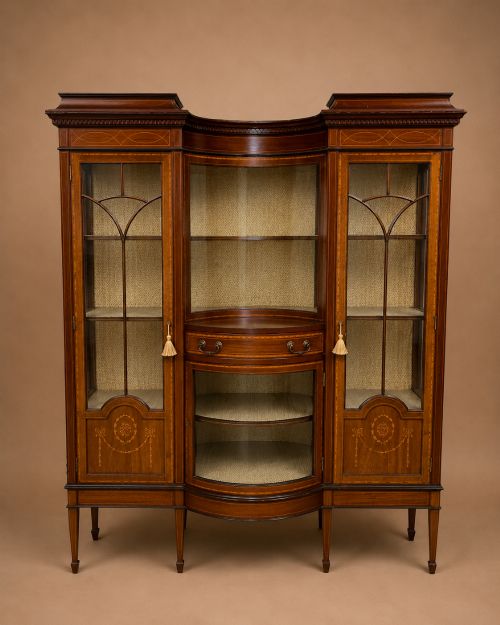
A dark mahogany breakfront cabinet is a substantial piece of furniture defined by its projecting central section, which breaks forward from the flanking wings. When searching for a dark mahogany breakfront cabinet, buyers encounter large library bookcases, display cabinets, and sideboards built to house extensive collections of books or porcelain.
The pieces listed here span the Georgian, Regency, and Victorian periods, alongside later revivals from the Edwardian era. Among these, the nineteenth century Victorian and Regency formats dominate, frequently featuring glazed upper doors and panelled cupboards below.
Makers such as Jas Shoolbred, Gillows, and Robert Strahan occasionally surface, representing the pinnacle of cabinet-making from these periods. The scale ranges from modest side cabinets to imposing library bookcases designed for grand domestic spaces.
How they were made
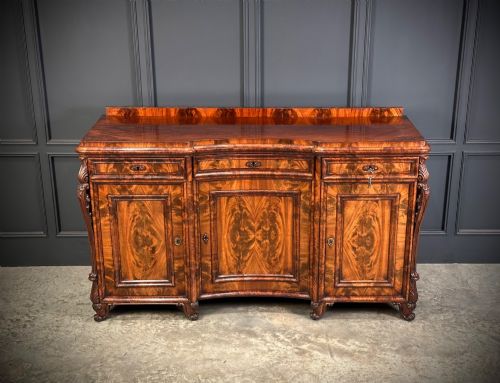
Cabinet-makers constructed these pieces primarily using solid wood and flame mahogany veneer, chosen for rich figuring and deep grain patterns. Brass hardware, including mounts, handles, and hinges, provides structural contrast against the dark timber.
Glass panels are integrated into the upper doors to showcase contents while protecting volumes from dust. Secondary materials such as leather and fabric occasionally line writing surfaces or interior compartments within secretary variants.
Secretaries hide tiny pigeonholes for love letters.
What varies in quality
The distinction between standard production and exceptional quality rests largely in the choice of timber and the complexity of the carving. Selection of highly figured flame mahogany veneer across large unbroken surfaces marks the work of superior workshops.
Proportion and architectural detailing also dictate worth, particularly where cornices, pilasters, and astragal glazing bars reflect sophisticated Georgian or Regency design. Gillows and other named makers achieve higher distinction through precise joinery and refined carving.
Jas Shoolbred·Gillows·Robert Strahan
The Dark Mahogany Breakfront Cabinet Glossary
- Breakfront
- An architectural cabinet design where the central section projects forward from the side sections. This layout creates depth and visual rhythm across large furniture facades.
- Flame mahogany
- A distinctive veneer cut from the branch forks of the mahogany tree. It produces a fiery, undulating pattern highly prized in cabinet-making.
- Astragal
- A small moulded strip used to divide glass panes within cabinet doors. These bars form geometric patterns characteristic of period bookcases.
- Secretaire
- A cabinet incorporating a pull-down writing drawer fitted with small drawers and pigeon holes. It combines the utility of a desk with the storage of a bookcase.
- Cornice
- The ornamental moulding running around the top edge of a tall cabinet. It crowns the architectural composition of breakfront bookcases.
Dark Mahogany Breakfront Cabinet: Frequently Asked Questions
What rooms suit a large breakfront bookcase?
These imposing cabinets require substantial wall space and high ceilings to balance their considerable visual weight. They suit formal libraries, studies, and spacious dining rooms where books or collections demand display.
Placing them away from direct sunlight protects the timber and veneer from fading over time. Adequate clearance allows the doors to open fully without obstruction from other furniture.
How do Georgian and Victorian cabinets differ?
Georgian pieces emphasise restrained classical proportions, delicate astragal glazing bars, and refined bracket or plinth feet. They reflect the influence of Chippendale and neoclassical design principles.
Victorian cabinets generally display heavier proportions, richer figured veneers, and sometimes Gothic Revival influences. Carved details tend to be bolder and more robust than their eighteenth-century predecessors.
What is the function of glazed cabinet doors?
Glazed doors protect valuable books and delicate porcelain from dust and handling while keeping collections visible. They turn functional storage into a display feature for fine libraries and drawing rooms.
Early examples feature individual hand-blown glass panes secured by wooden glazing bars. Later nineteenth-century versions utilise larger sheet glass within the frame.