


Dark Green Framed Art
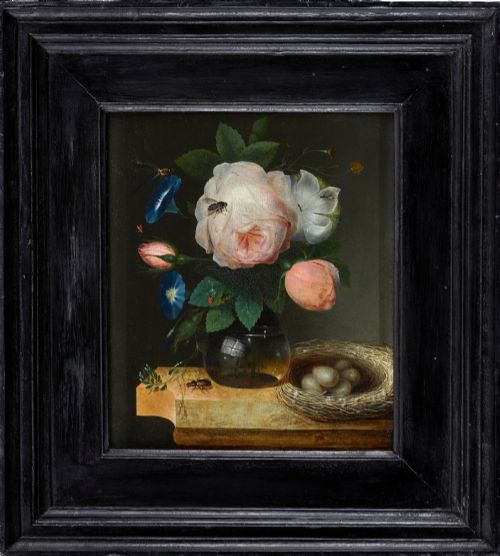
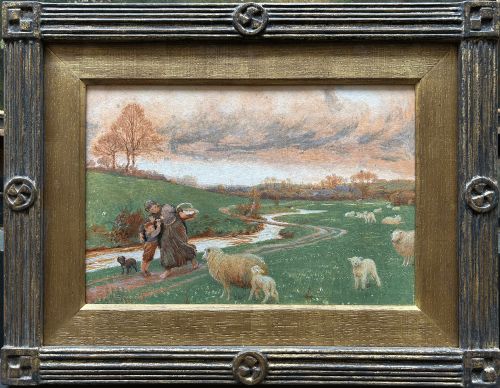
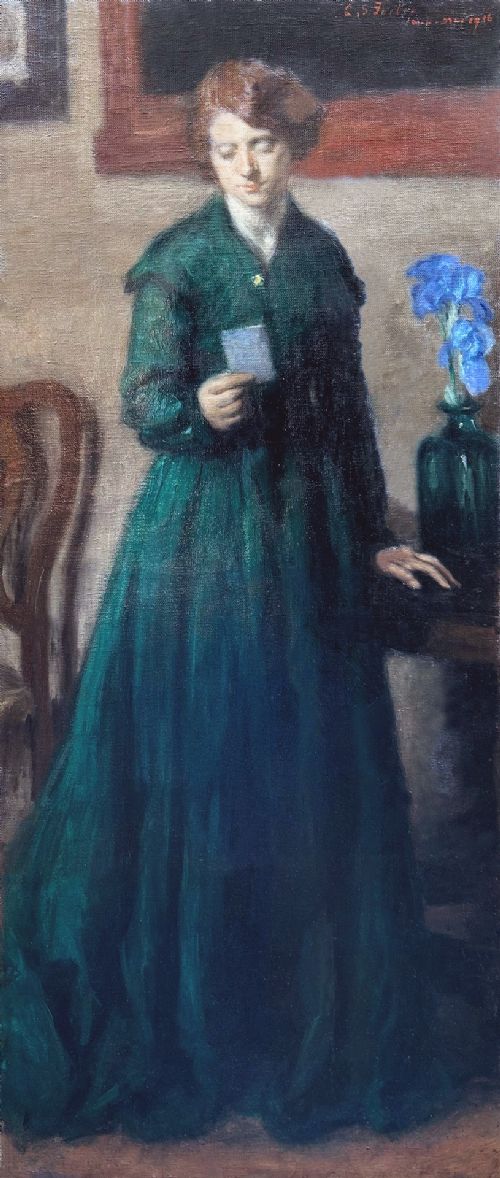
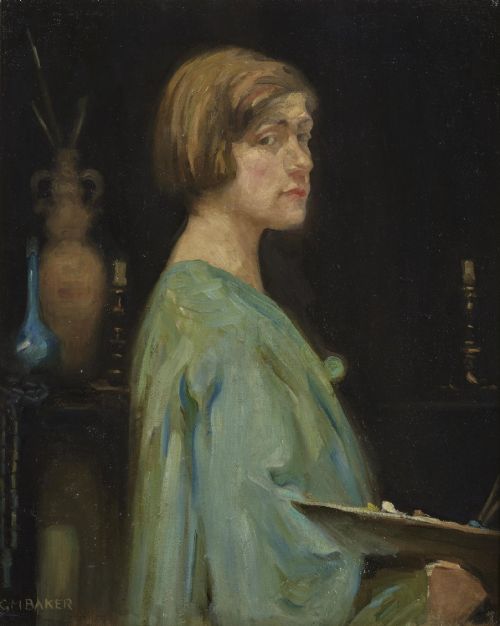
Dark green framed art brings together centuries of painted oil canvases, glass prints and panels held within period surrounds.
Dark Green Framed Art
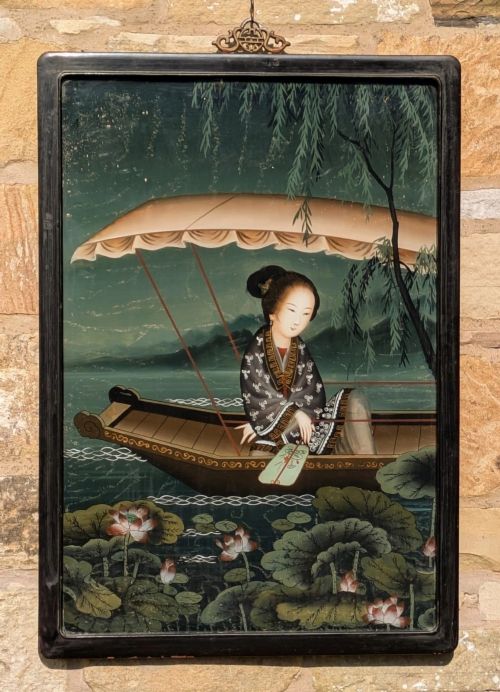
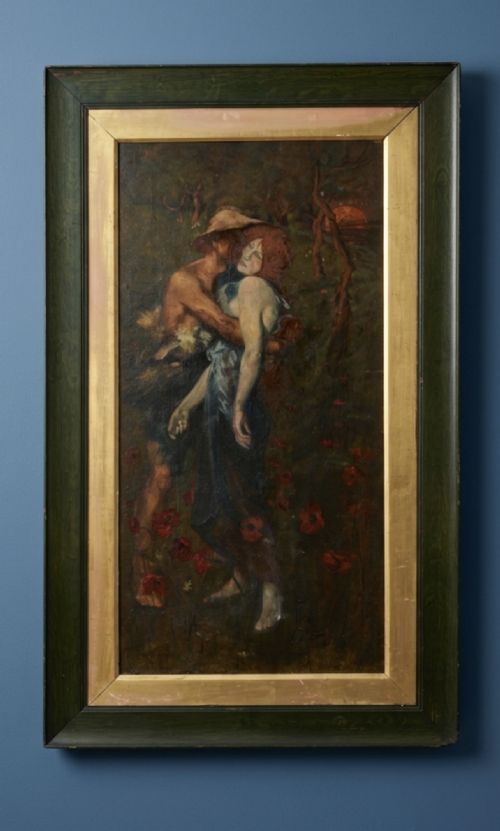
Dark green framed art spans centuries of creative output, connecting traditional oil paintings, reverse glass prints and embroidered samplers to the walls they decorate. The selection here leans heavily towards oil on canvas and wood panel alongside reverse glass works, originating from periods reaching back to the seventeenth century.
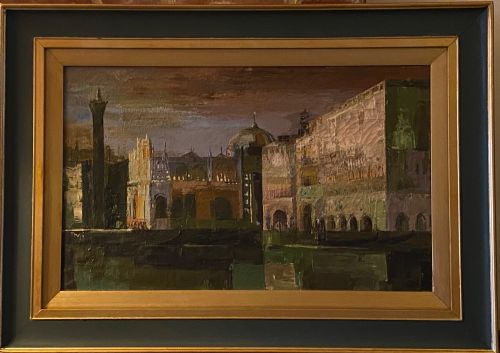
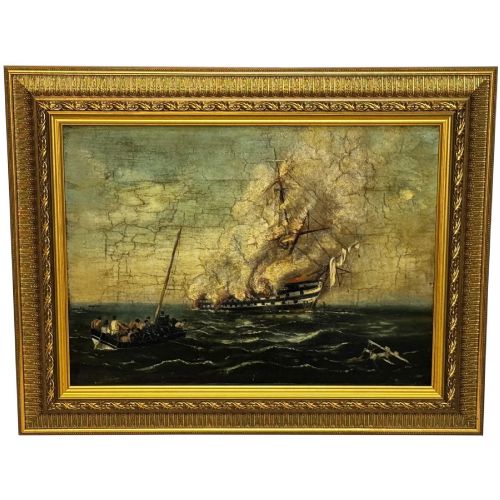
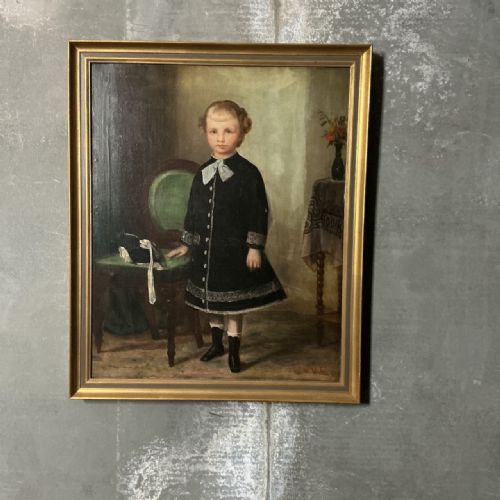
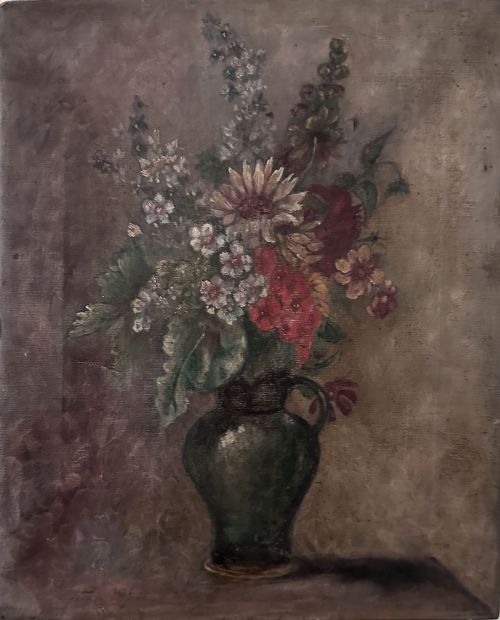
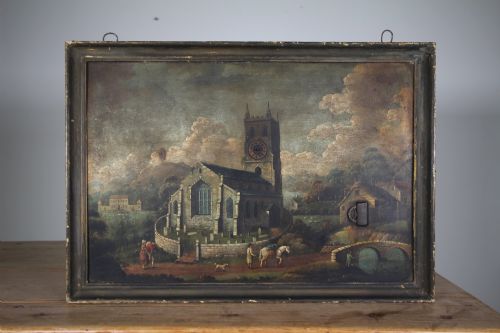
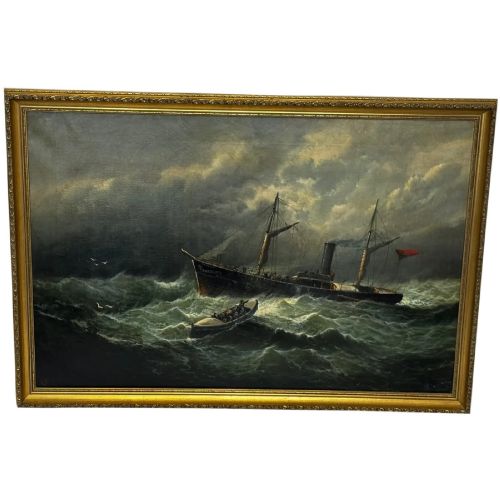
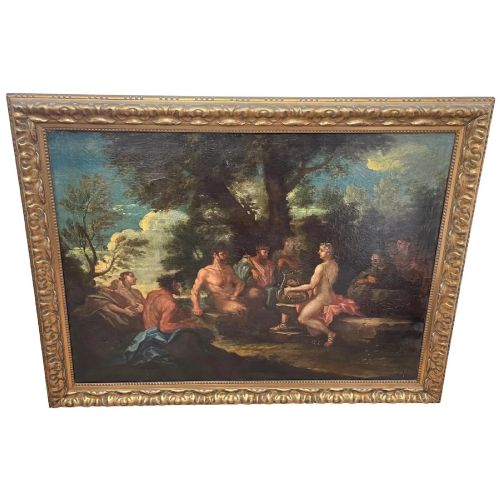
Buyers encounter portraits, maritime scenes, landscapes and still life studies enclosed within period surrounds. These pieces cross British, French, Italian, Dutch and German schools, demonstrating varied regional approaches to fine art over the decades.
Materials and construction
Pigments are applied to canvas, wood panels, paper and glass surfaces using oil paint and gouache techniques. Wood provides the structural support for stretching fabrics and forms the solid frames encasing the artworks.
Gilt highlights and specialised printing methods such as mezzotint appear alongside hand-embroidered textiles. Glass acts as both a protective layer and a direct medium for reverse paintings and prints.
The selection includes both British and continental European schools of painting, encompassing portraiture, landscape and botanical studies.
Distinctions in quality
Quality rests upon the execution of the brushwork and the depth achieved within the composition, whether depicting a landscape or a portrait. Masterful handling of light and shadow elevates certain canvases above standard decorative pieces.
The relationship between the artwork and its surrounding frame determines overall integrity, with period-appropriate wood surrounds contributing significantly to the piece's character. Finer works display meticulous detail in facial expressions, botanical accuracy and textural rendering.
William Broome·Gaspar Peeter Verbruggen·Frederick Walker·Charles Stuart Forbes·Gladys Marguerite Baker·Paolo Veronese·Sydney Yates Johnson·Owen Bowen·Agnes Augusta Talboys·Paul Lelong·George Cole·Thomas Hollingsworth·Herbert Butler·Ernest Higgins Rigg
The Dark Green Framed Art Glossary
- Oil on canvas
- Pigments bound in a drying oil applied to a stretched woven fabric support. This method allows for rich blending and textured surfaces.
- Reverse painting on glass
- Artwork painted directly onto the rear side of a glass panel to be viewed from the front. This technique produces a glossy finish and distinct optical depth.
- Mezzotint
- A printmaking process where the copper plate is roughened to achieve tonal gradations. It creates soft, velvety dark areas.
- Wood panel
- A rigid wooden board utilised as a rigid support for painting instead of fabric. Panels frequently date to earlier historical periods.
- Sampler
- A piece of embroidery showcasing various stitches and patterns. These often include alphabets and decorative motifs.
Dark Green Framed Art: Frequently Asked Questions
What is reverse glass painting?
Reverse glass painting involves applying pigment directly to the back of a glass sheet. The finished image is then viewed through the front side.
This method creates a smooth, reflective surface that preserves the colours beneath the glass.
How do I date an old painting?
Dating relies upon examining the materials, framing techniques and stylistic markers present in the work. Canvas types and stretcher construction offer further chronological clues.
Comparing the artist's known active years also helps narrow down the period of creation.
Where should I hang these pieces?
These works suit traditional living spaces, studies and hallways where wall lighting can highlight the canvas textures. Placing them away from direct sunlight protects the pigments.
Pairing them with period furniture enhances the overall historical aesthetic of the room.
What subjects are most common?
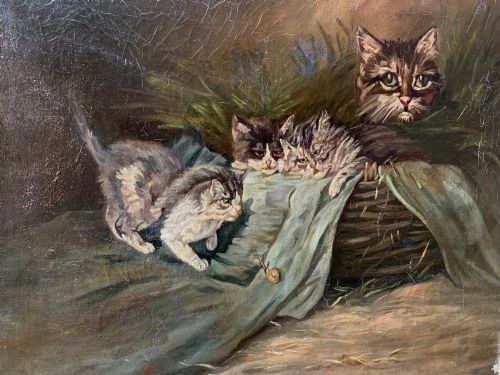
Portraits, pastoral landscapes and still life studies featuring flowers and fruit dominate the available selections. Botanical engravings and maritime scenes also appear frequently.
Each genre reflects the artistic conventions of its specific century of origin.