




Classical Figurative Oil Artwork
Classical figurative oil artwork brings historic portraiture, mythology and narrative genre scenes into domestic spaces through enduring oil pigments.
Classical Figurative Oil Artwork
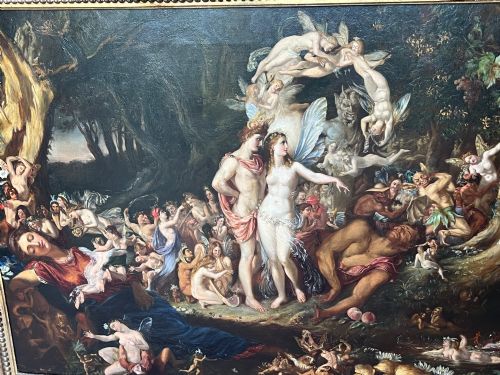
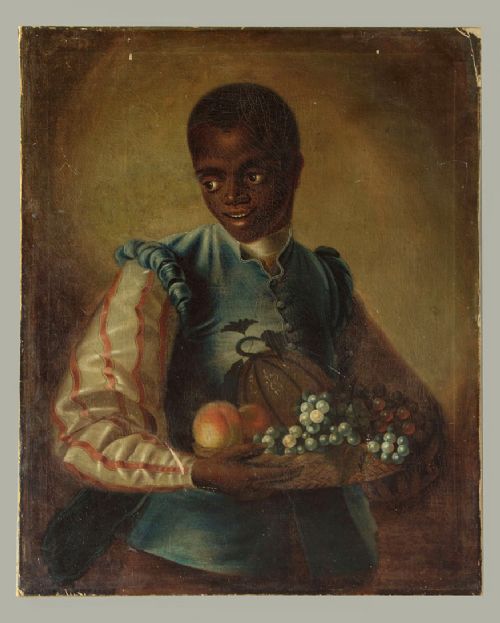
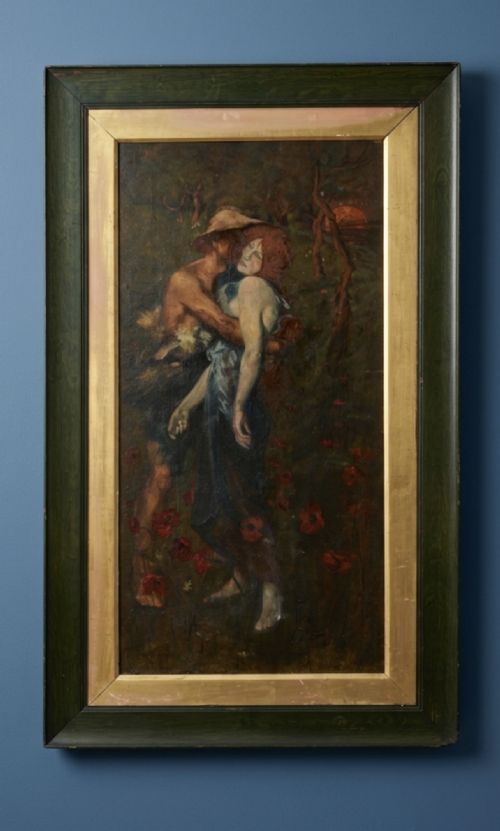
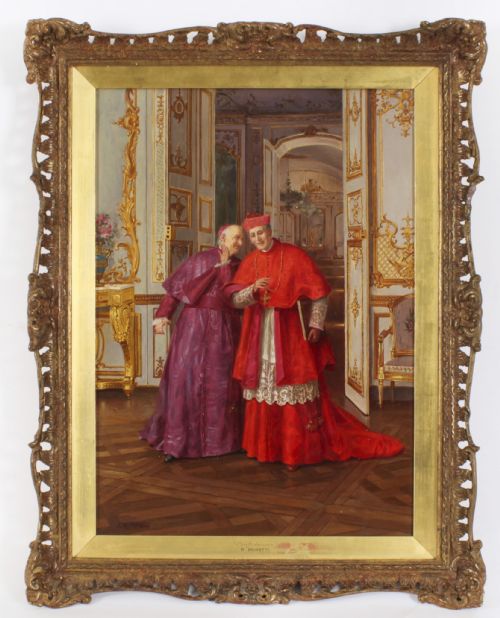
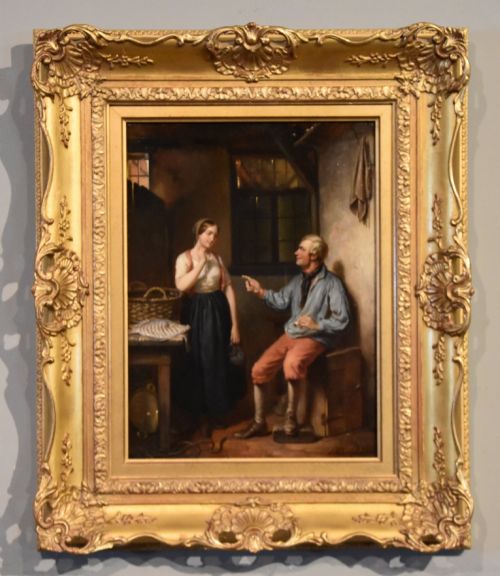
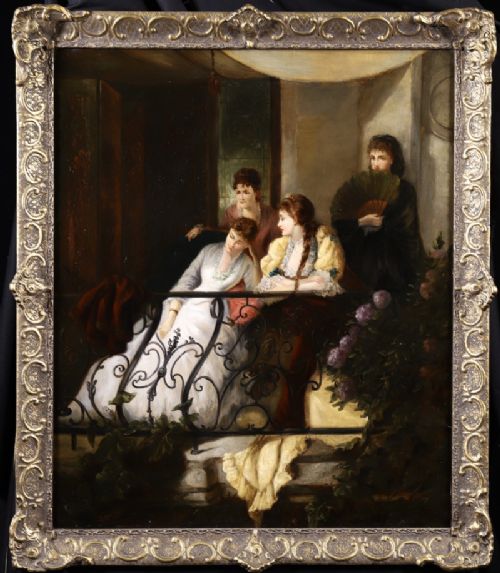
Classical figurative oil artwork encompasses painted portrayals of human figures drawing upon historical, mythological, theatrical and domestic subjects. These pieces derive primarily from the eighteenth and nineteenth centuries, alongside early twentieth-century interpretations rooted in academic traditions.
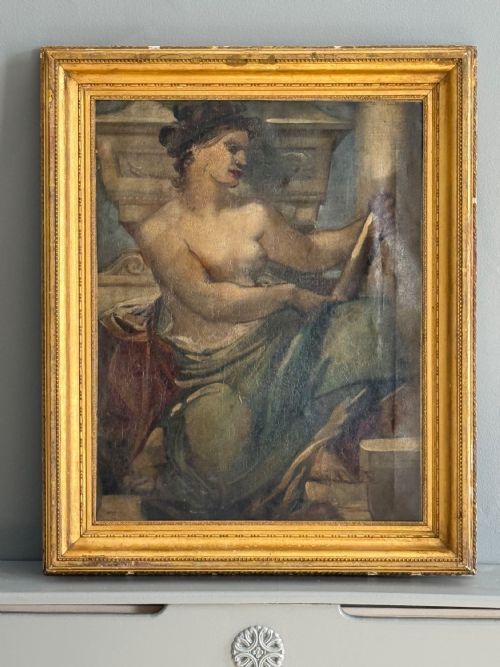
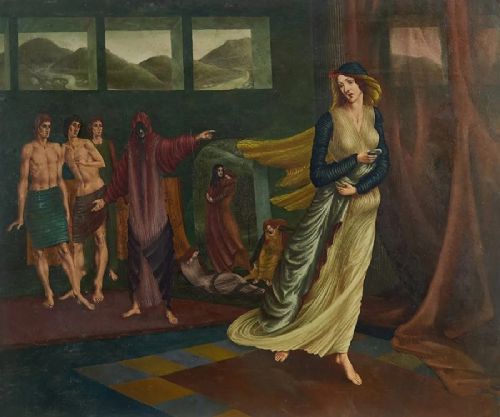
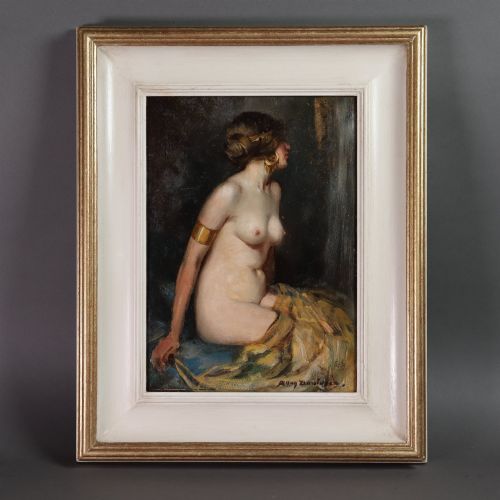
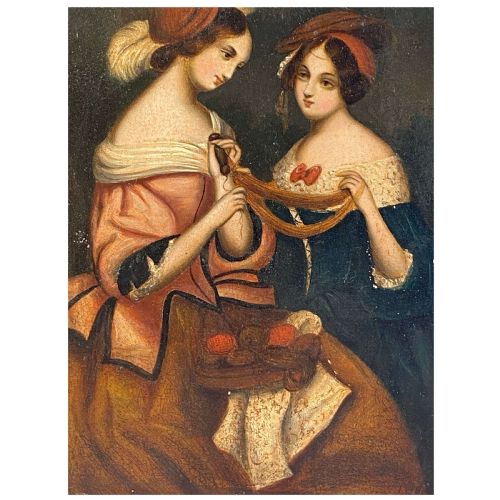
The selections encountered here range from large-scale historical genre scenes and theatrical interiors to intimate portraits and mythological nudes. Artists utilise traditional academic approaches to render the human form within narrative compositions.
Works on this page stretch across Victorian, Rococo Revival and Renaissance Revival movements, reflecting European schools from Britain, France, Italy and the Netherlands. Each piece relies on oil paint applied to canvas, panel, copper or zinc to capture the human subject.
Materials and construction methods
Painters of these works utilised oil paint applied to prepared surfaces such as woven canvas, wooden panels, copper sheets or zinc plates. Canvas supports frequently received a gesso ground to prepare the textile grain for detailed brushwork.
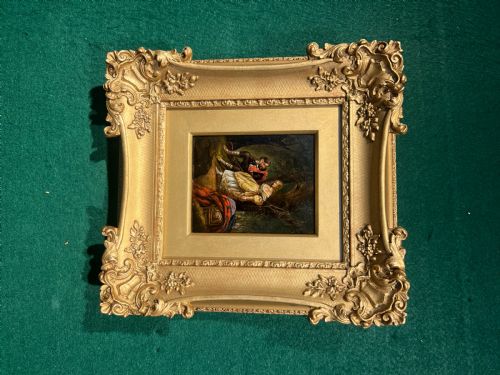
Many of these paintings retain period frames constructed from gilt wood or gesso moulded in styles spanning Rococo and later revival periods. The combination of oil pigment layers allows for subtle tonal gradations and depth within figurative depictions.
Several canvases capture elaborate scenes of courtiers playing chess and taking afternoon tea in Parisian interiors.
Factors influencing quality
The excellence of classical figurative oil artwork rests upon anatomical proportion, handling of light and shadow, and compositional balance. Masterful brushwork achieves convincing textures in textiles, flesh and surrounding interiors.
Provenance and documentation elevate certain works, particularly when associated with Royal Academy exhibitors or recorded continental schools. The preservation of the original paint surface and its period framing contributes significantly to historical integrity.
Sir Joseph Noel Paton·Renato Moretti·Jacob Akkersdijk·Margaret Maitland Howard·Antoine Calbet·Allan Douglas Davidson·James Clark·Fernand Jean Barbier·Bartolome Murillo·Igor Talwinski·Willem Johannes Martens·Karel Frans Philippeau·Robert Alexander Hillingford·Auguste Renoir·Arthur Heinrich Wilhelm Fitger·Jan Steen
The Classical Figurative Oil Artwork Glossary
- Academic
- Pertaining to the formal rules and standards taught by European art academies during the eighteenth and nineteenth centuries. This approach prioritised historical subjects, precise anatomical drawing and polished finishes.
- Genre scene
- A painting depicting aspects of everyday life by portraying ordinary people engaged in common activities. These works frequently capture domestic interiors, market squares or social gatherings.
- Gesso
- A white paint mixture consisting of a binder mixed with chalk, gypsum or pigment. It served as a preparation base for wood panels and canvases before oil application.
- Mythological
- Depicting stories, figures or deities from classical mythology, such as Greek and Roman legends. Artists utilised these narratives to portray heroic acts or allegorical themes through the human figure.
- Panel
- A rigid support for a painting, commonly constructed from wood, copper or metal alloy rather than stretched canvas. Panel paintings from earlier centuries offer distinct surface textures.
Classical Figurative Oil Artwork: Frequently Asked Questions
What defines a classical figurative oil artwork?
These works are oil paintings centred on the human form, drawing inspiration from history, mythology, literature and domestic genre scenes. They rely on traditional techniques developed across European art schools from the eighteenth century into the early twentieth century.
Collectors prize them for their narrative depth, skilled draughtsmanship and the rich patination accumulated over generations. Each piece acts as a window into historical aesthetic values and academic training.
Where were these classical artworks created?
The pieces originate from various European art centres, including British, French, Italian, Dutch and Scottish schools. Many artists trained within academic institutions or exhibited at major venues such as the Royal Academy.
Regional styles often reveal themselves through the chosen palette, subject matter and framing traditions unique to each country. This geographic diversity reflects the widespread adoption of academic painting methods across Europe.
How should I care for a vintage oil painting?
Preserving these works requires hanging them away from direct sunlight and maintaining stable indoor humidity and temperature levels. Environmental extremes can cause canvas slackening or wood panel movement.
Dusting should be performed gently with a dry, soft brush, avoiding any liquid cleaners or chemical agents on the paint surface. Professional conservationists should handle any deeper restoration or cleaning requirements.