
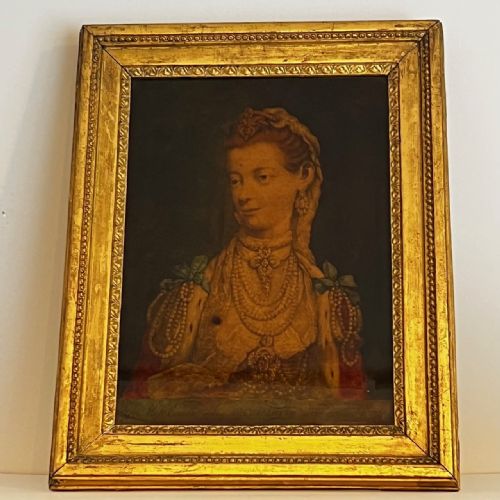


Dark Framed Glass Painting
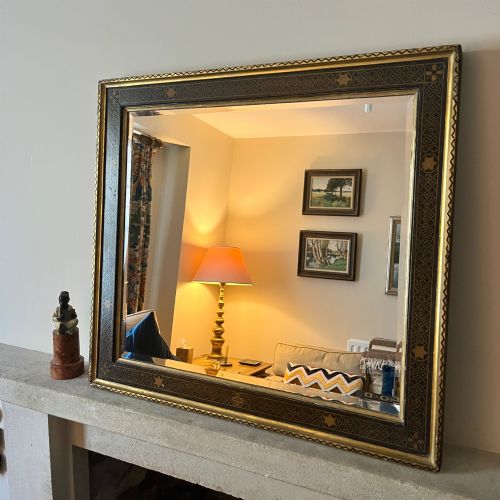
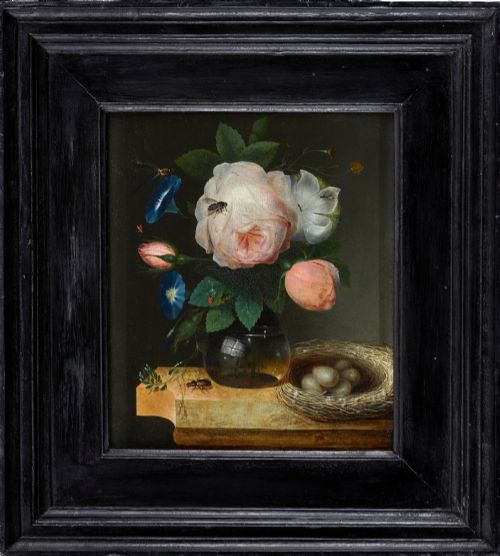
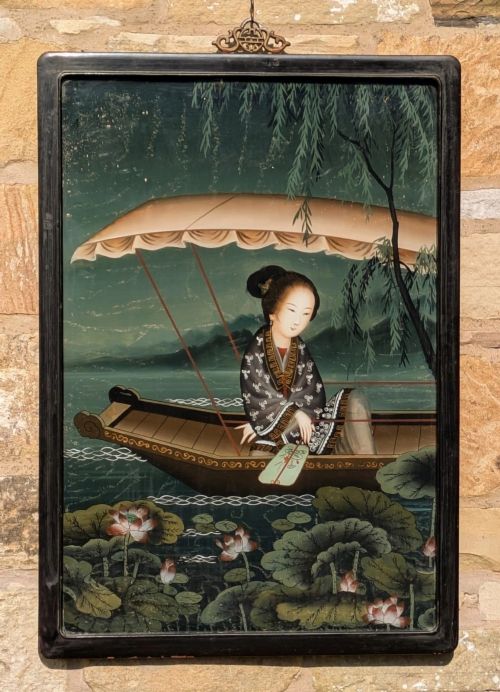
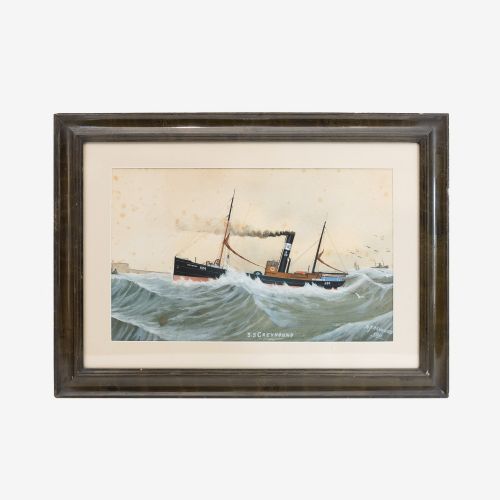
These dark framed glass painting works combine delicate reverse-side application with deep timber borders to create striking wall art.
Dark Framed Glass Painting
A dark framed glass painting presents imagery applied directly to glass panels, often viewed from the unpainted side to reveal a glossy finish. When you search for dark framed glass painting, you encounter pieces spanning from the seventeenth century through the twentieth century, encompassing portraits, still lifes, and maritime scenes.
The selection ranges from Georgian reverse glass prints and Chinese export mirror-glass pictures to Victorian etched mirrors and chrystoleums. You are likely to meet eighteenth and nineteenth-century examples housed within simple wood or gilt-accented dark frames.
Makers and artists utilised varied techniques, producing subjects that include equestrian sporting art, Flemish baroque compositions, and Qing dynasty chinoiserie. Each dark framed glass painting relies on the interplay between the transparent medium and the heavy surrounding border to focus the viewer's attention.
Materials and construction methods
Artisans applied oil paint, pigment, watercolour, and gouache directly onto glass or paper substrates, frequently working in reverse so that fine details settled first. This reverse technique required precise planning, as lettering and foreground elements needed placement before background washes.
Makers enclosed these fragile glass panels within wooden frames, occasionally incorporating gilt highlights or etched borders into the design. The combination of rigid wood and delicate glass protected the pigments from atmospheric dirt while adding structural weight to the wall art.
Evaluating quality and execution
Quality rests in the intricacy of the brushwork and the preservation of the pigment beneath the glass surface. Superior examples demonstrate sharp lines in reverse mezzotints or detailed execution in hand-painted still lifes.
The integrity of the original wood frame and the clarity of the glass ground also influence the standard of the piece. Well-preserved works retain their original mounting without excessive flaking to the underlying paint or paper layers.
Gaspar Peeter Verbruggen·Alexander Harwood·Takabatake Kasho·W Bishop·Owen Bowen·Terence Loudon
The Dark Framed Glass Painting Glossary
- Reverse glass painting
- A technique where the artist paints directly on the back of a glass sheet, creating a finished image viewed through the front. This method imparts a distinctive glossy sheen to the surface.
- Chrystoleum
- A process popular in the nineteenth century where a coloured photograph or print was applied to glass, made transparent, and hand-painted from behind. It produces a layered, luminous effect resembling an oil painting.
- Mezzotint on glass
- A print transferred onto glass and subsequently worked over with pigments or inks to deepen tonal gradations. The dark frame provides a stark boundary that emphasises the moody contrasts within the print.
- Eglomise
- A process involving the application of gold or silver leaf to the reverse of glass, combined with etching and painting. It creates a reflective, metallic background often used in decorative mirrors and portraits.
- Chinese export mirror-glass picture
- An artwork produced in China specifically for Western markets, combining traditional reverse painting techniques with European subject matter. These pieces frequently feature elaborate mirror grounds.
Dark Framed Glass Painting: Frequently Asked Questions
How do I clean a glass painting?
Dust the wood frame gently with a dry cloth and avoid spraying liquids near the edges where moisture might seep behind the glass.
Use a soft, dry microfibre cloth on the glass surface itself, as harsh cleaning agents can damage the underlying pigments applied to the reverse.
Are these paintings fragile?
The glass panels require careful handling because impact can crack the substrate and dislodge the adhered paint layers.
Secure hanging wire and appropriate wall anchors help support the combined weight of the heavy wood frame and glass.
How can I date a piece?
Examine the construction of the wooden frame, the type of glass used, and the pigments or printing techniques visible from the back.
Stylistic cues such as Georgian dress or Victorian ornamentation also offer reliable clues to the period of origin.
Where should I hang them?
Display these works away from direct sunlight to prevent fading in the delicate pigments and watercolours trapped beneath the glass.
Interior walls with stable humidity levels protect both the timber framing and the fragile reverse-painted surfaces from warping.