


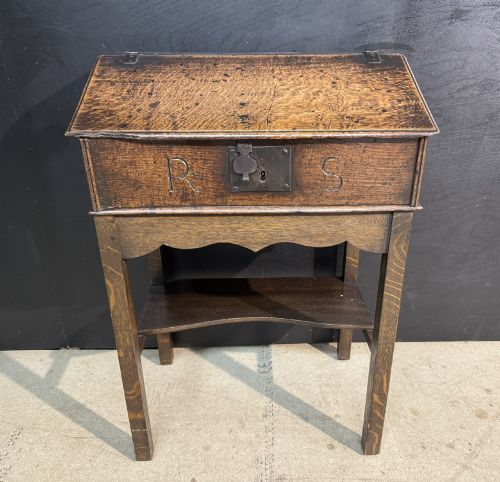
Dark Brown Writing Desk
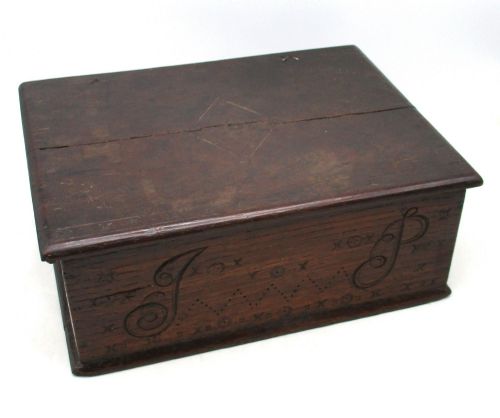
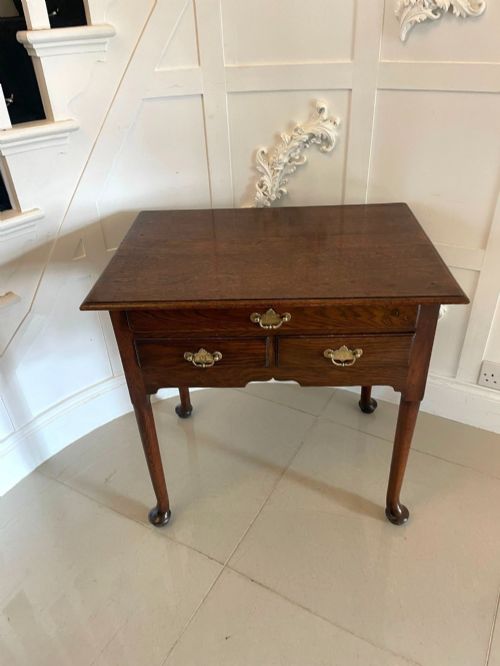
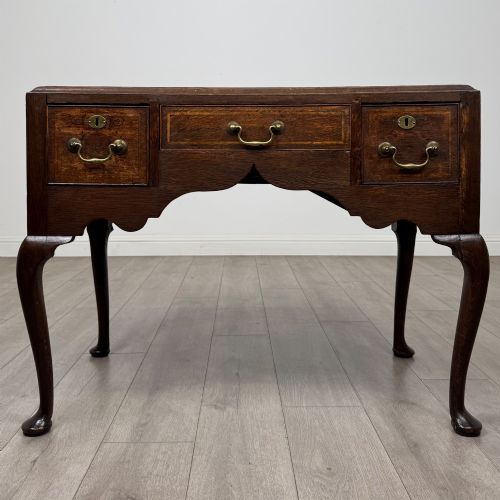
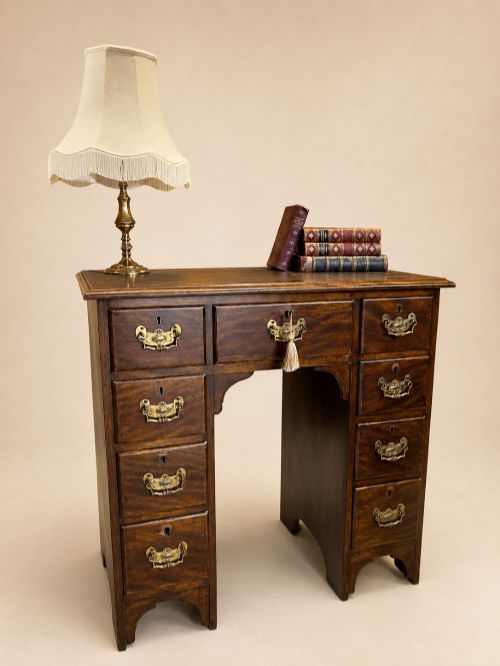
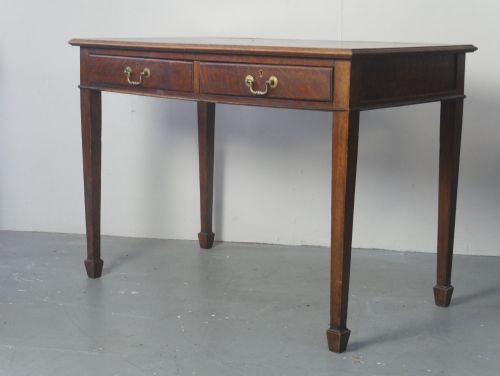
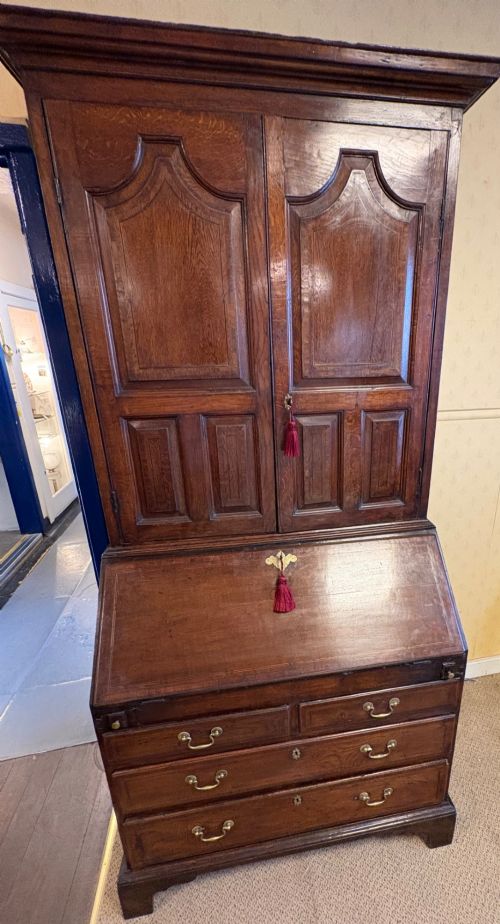
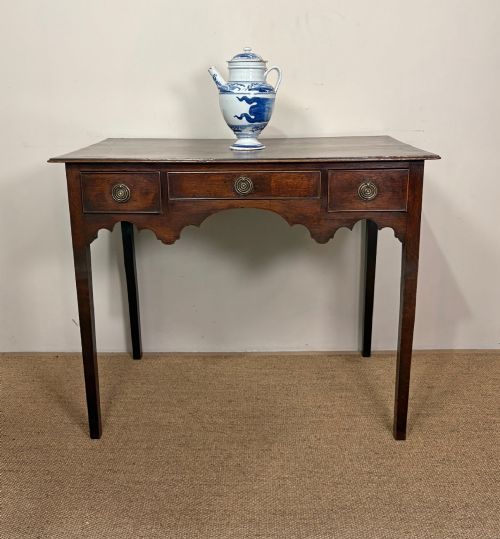
These dark brown writing desk pieces bring rich timber tones and practical workspaces into a room.
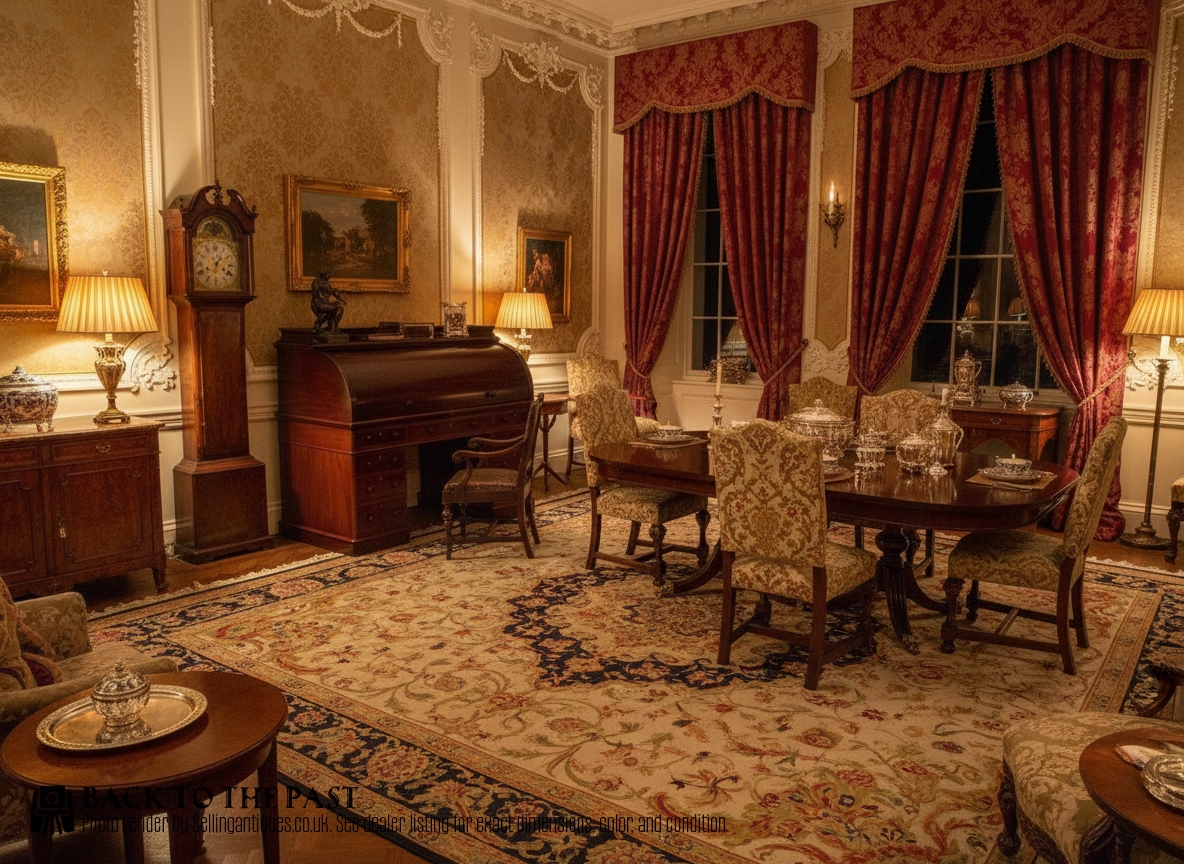
Identifying your dark brown writing desk
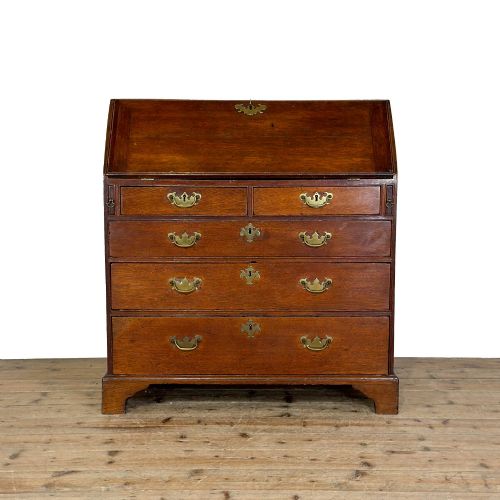
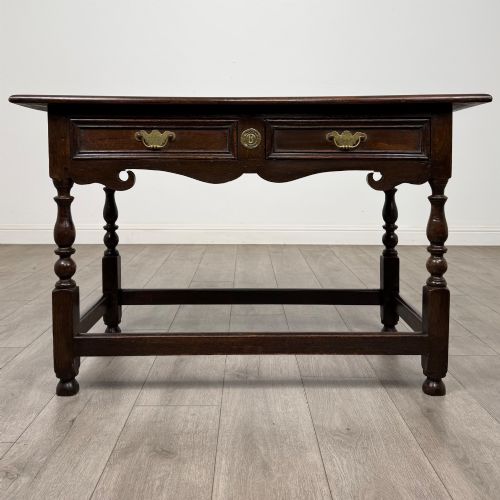
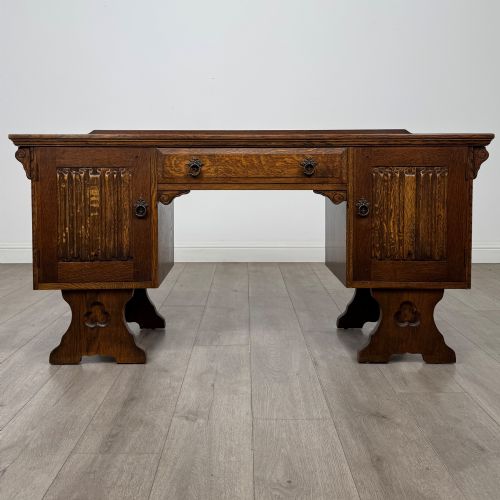
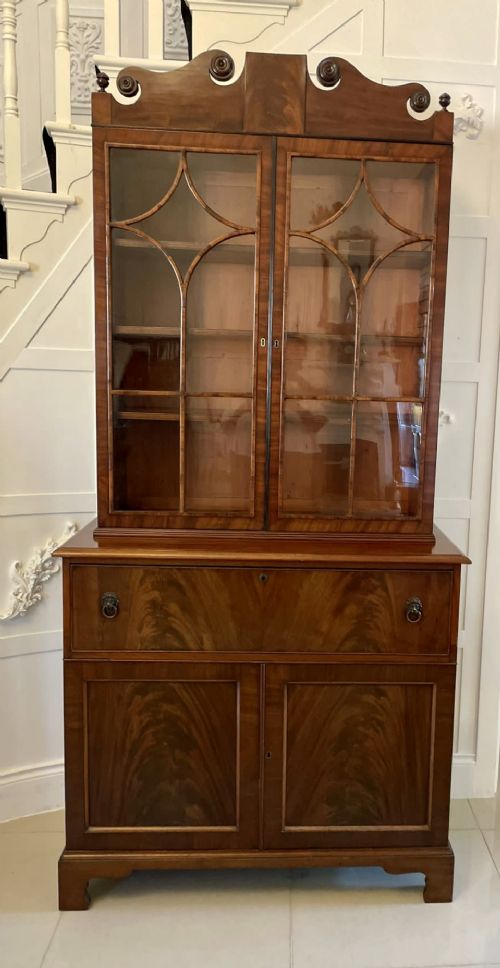
A dark brown writing desk encompasses various forms from the Regency, Victorian, and William IV eras, along with the 1920s French Art Deco period. These pieces function primarily as desks, writing tables, pedestal desks, cylinder desks, and sofa tables.
The most substantial examples include pedestal desks and large cylinder desks, alongside more versatile pieces like writing and dining tables or reading and work tables. Each item presents a distinct combination of period style and functional workspace.
Makers and workshops of the nineteenth century produced several of these forms, utilising rich dark timbers and sophisticated surface decoration to create practical furniture for writing and study.
Materials and construction
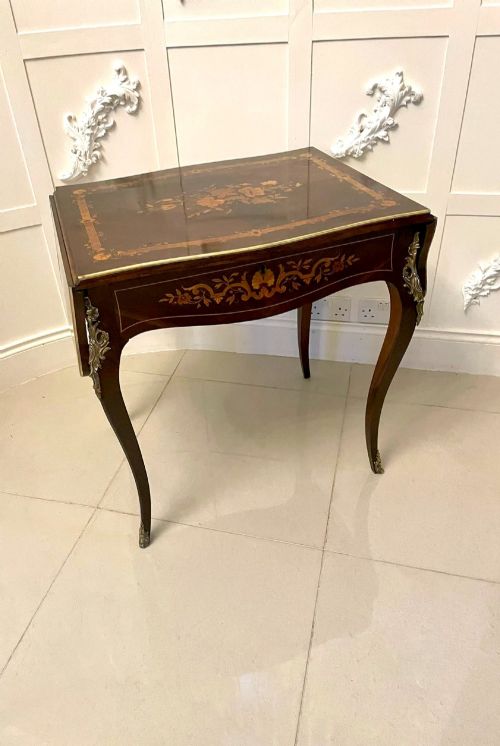
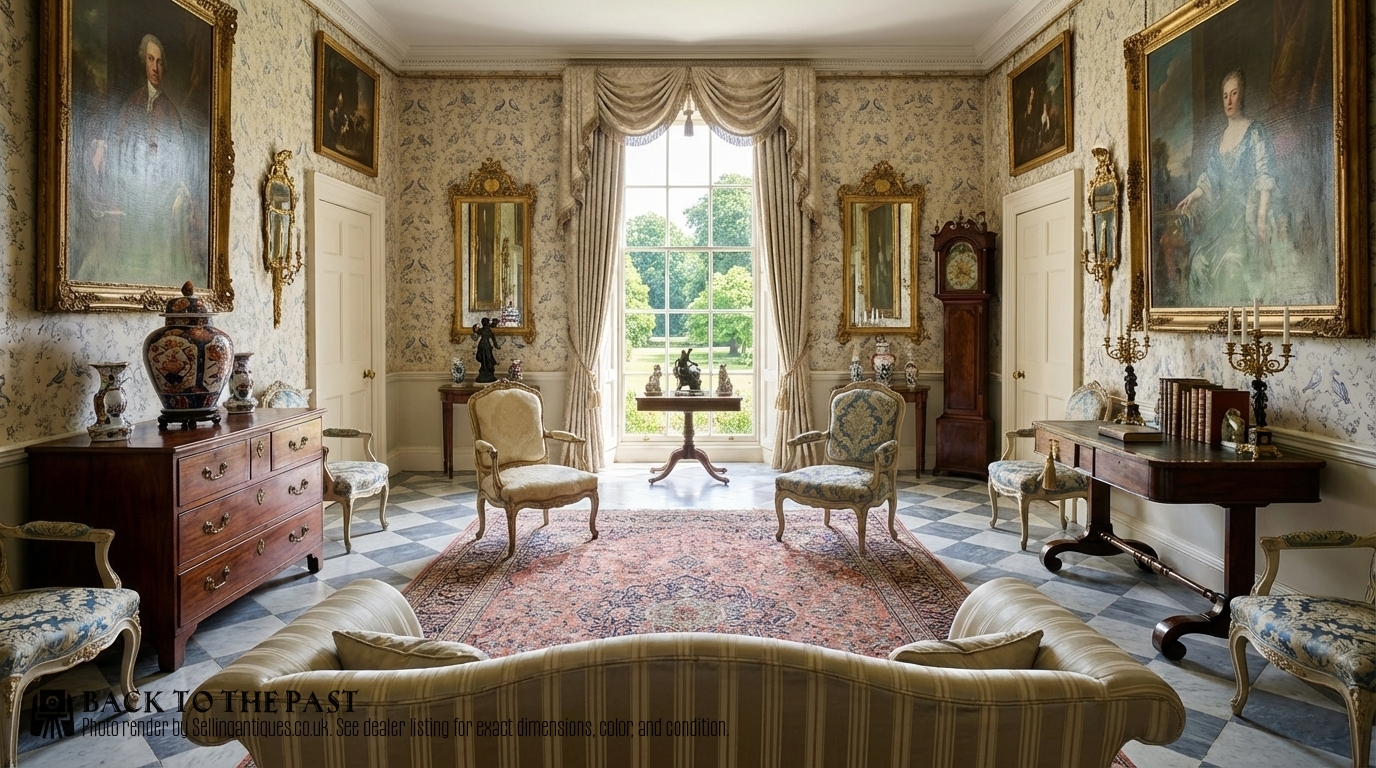
Craftsmen built these pieces using dense and decorative hardwoods such as rosewood, mahogany, and satinwood, often enhanced with marquetry inlay. These dark timbers provide the characteristic deep colour and robust structure found across the selection.
Additional elements incorporate leather surfaces for writing areas, alongside metal and brass mounts, handles, or extending mechanisms. These hardware details complement the timber construction and support the mechanical functions of tables and desks.
Retail Price Guide 2026
Typical UK retail prices for dark brown writing desk, calculated from the Sellingantiques database of over a million retail prices indexed since 2003. This retail price guide relies exclusively on Sellingantiques data; no external sources or auction records are used, so the figures do not describe the wider market.
Current listings feature pieces from the Victorian, Regency, and 1920s periods, incorporating rosewood, mahogany, satinwood, and leather.
Judging quality and execution
The distinction between standard examples and the finest pieces lies in the choice of timber and the precision of marquetry decoration. Superior items display carefully selected grain patterns and intricate inlay work across the surfaces.
Mechanical complexity and hardware quality also separate standard items from superior works, particularly in extending dining tables, cylinder mechanisms, and multi-functional reading or work tables where every transition operates smoothly.
GILLOWS of LANCASTER
The Dark Brown Writing Desk Glossary
- Pedestal desk
- A heavy freestanding desk comprising two pedestals of drawers supporting a top with a central recess. This form provides substantial storage and a formal writing surface.
- Cylinder desk
- A desk featuring a quarter-cylinder rolling shutter that encloses the writing surface and interior pigeonholes. When closed, it conceals correspondence and writing materials.
- Marquetry
- The art of applying pieces of veneer to a structure to form decorative patterns and pictures. Craftsmen use contrasting woods to create detailed ornamentation on table tops and desk fronts.
- Sofa table
- A rectangular occasional table designed to stand in front of a sofa, typically featuring drop leaves on either side and drawers beneath the top. Regency examples often serve multiple functions including writing.
Frequently Asked Questions
What periods do these desks cover?
The available pieces span the Regency, William IV, and Victorian eras, alongside 1920s French Art Deco examples. Each period introduces specific decorative details and proportions to the writing furniture.
Buyers will find that Victorian pieces often feature mahogany or rosewood, while earlier Regency and William IV items display distinctive classical influences and fine timber selection.
How were cylinder desks used?
A cylinder desk provided a secure place to store correspondence and writing equipment out of sight. The curved wooden shutter rolled back to reveal the desk interior.
Owners could leave their work in progress undisturbed inside the desk and pull the cylinder down to present a tidy appearance in the room.
What materials are most common?
Rosewood and mahogany form the primary timber structure for the majority of these pieces. Satinwood and marquetry veneers frequently appear as decorative elements.
Additional components include leather writing surfaces and brass or metal hardware, which provide both functional utility and visual contrast against the dark wood.
Are multi-functional tables available?
Several pieces combine writing functions with dining, reading, or work capabilities. These versatile designs reflect nineteenth-century preferences for multi-purpose furniture.
Examples include extending dining tables equipped for writing and specialised reading tables fitted with drawers and compartments for daily tasks.