

Dark Brown Wooden Armchair
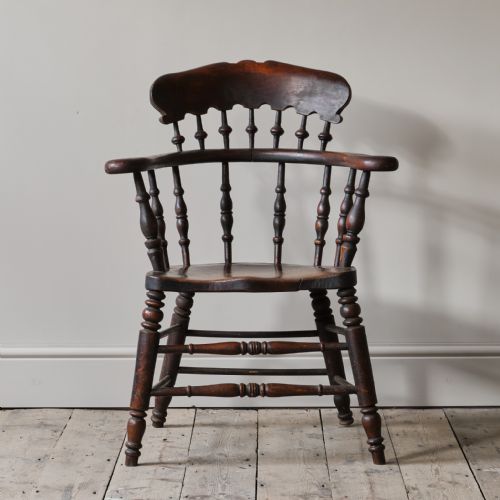
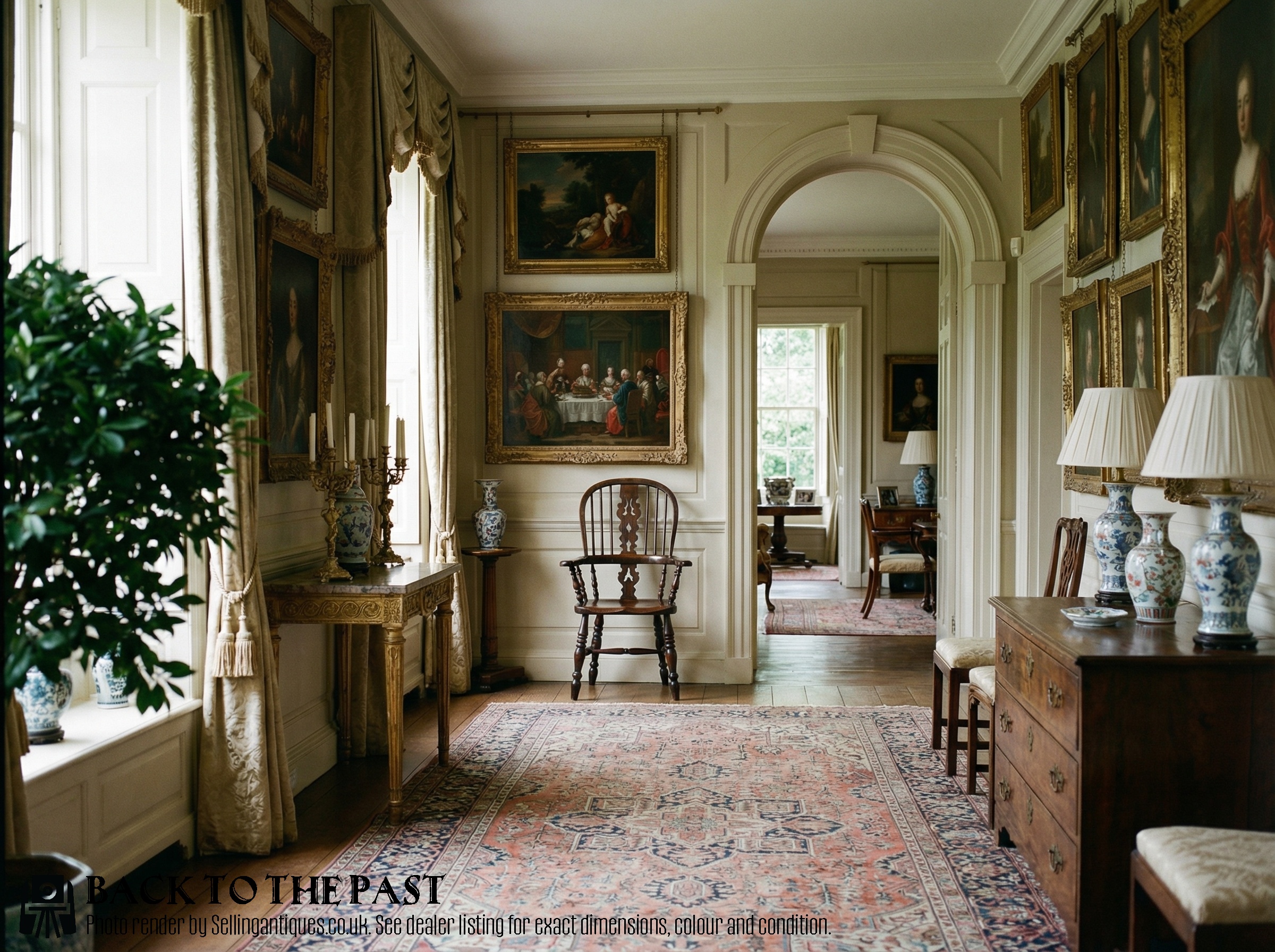
A dark brown wooden armchair brings warmth and sturdy character to a room, offering practical seating shaped by centuries of regional craft.
Dark Brown Wooden Armchair
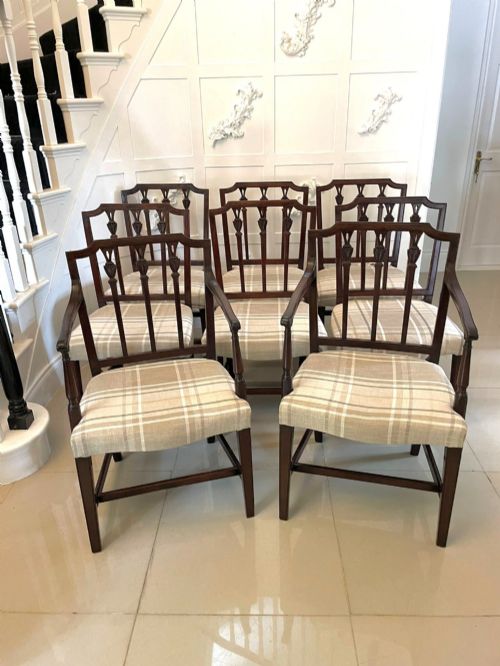
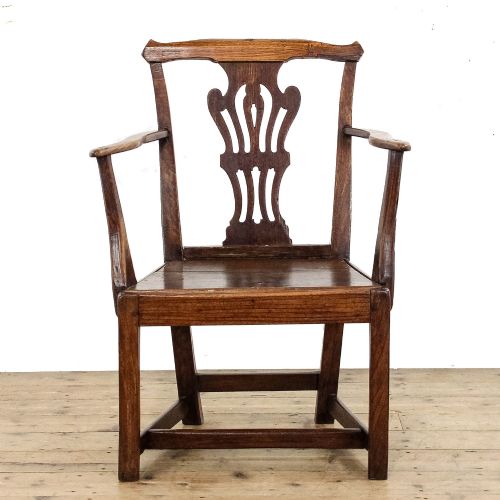
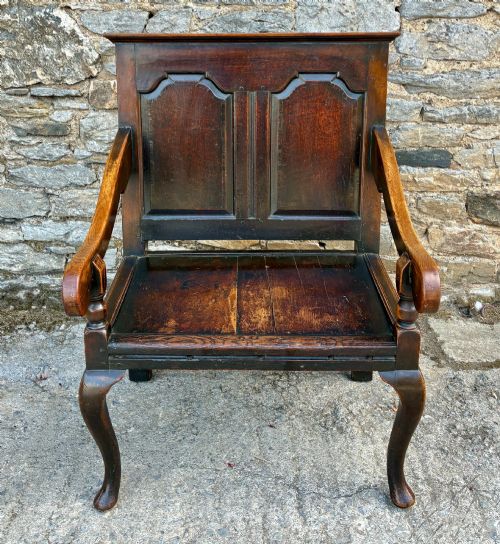
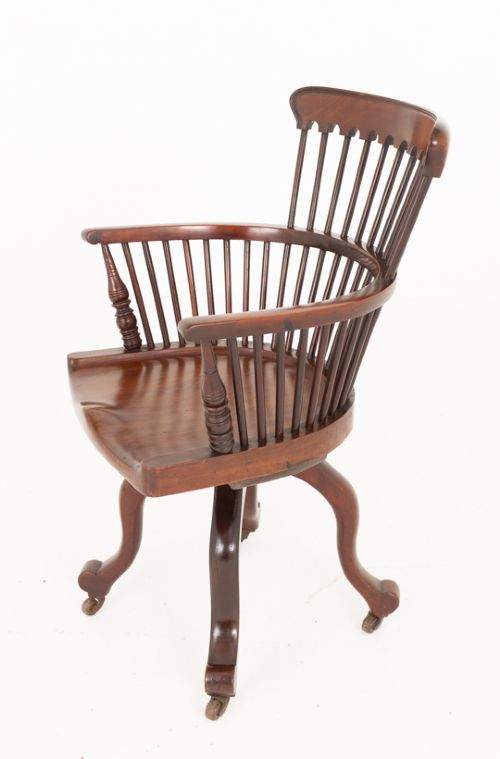
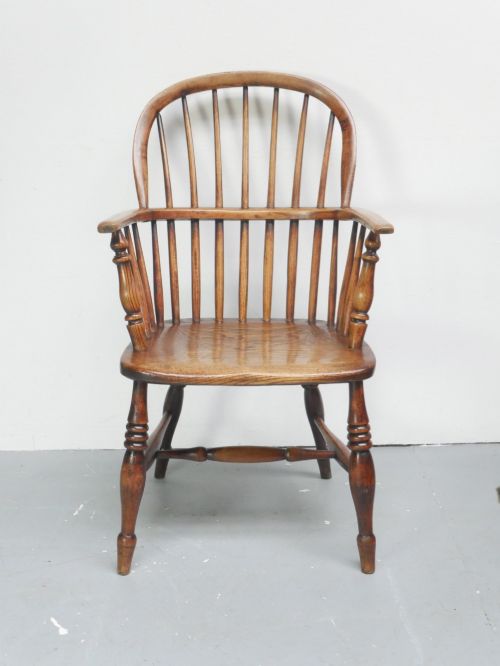
A dark brown wooden armchair encompasses a wide variety of domestic seating, from vernacular country Windsors and farmhouse kitchen chairs to formal George III mahogany designs. The pieces span several centuries, reaching from the seventeenth century through the Victorian era and into the early twentieth century.
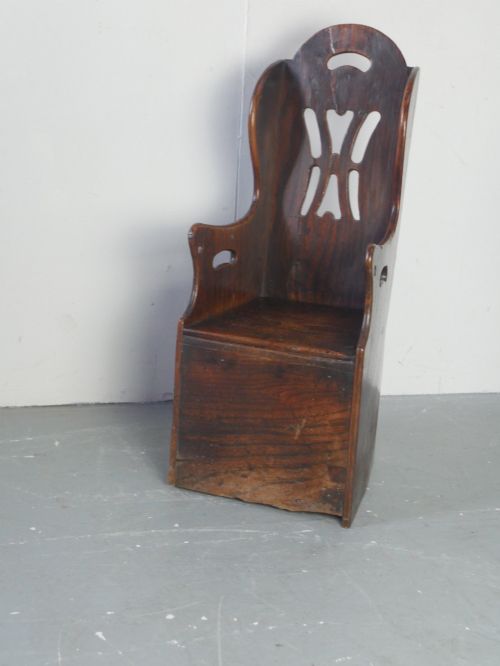
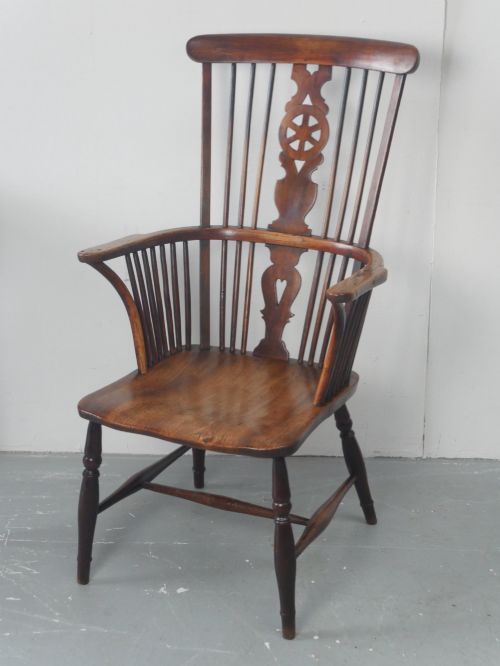
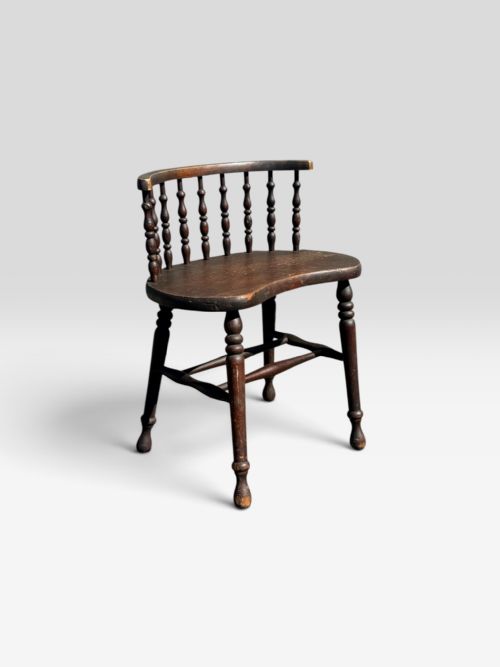
On this page, a buyer most frequently meets sturdy vernacular seating fashioned from regional timbers. These include low-backed smokers' bows, comb-back Windsors, and panel-backed farm chairs built for everyday utility.
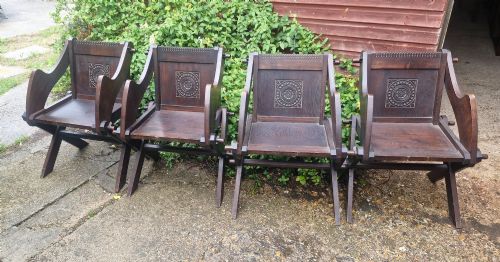
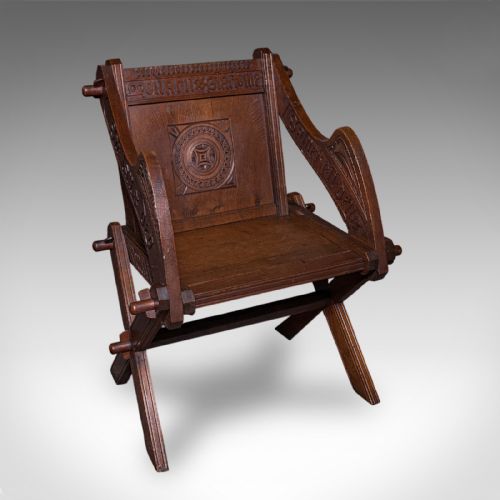
Alongside rustic country forms appear more formal urban seating, including Chippendale dining chairs, office desks chairs in mahogany, and Gothic revival pieces. Origins range widely across English regions, Scotland, and further afield, reflecting local timber supplies and regional traditions.
Timbers and construction methods
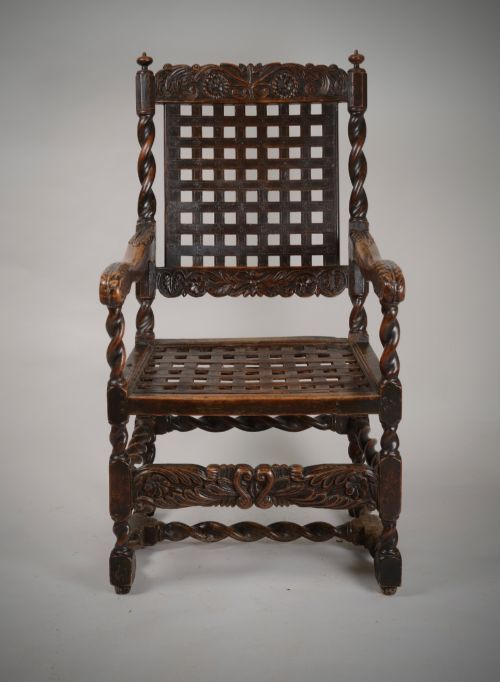
Makers utilised a mixture of native hardwoods for strength and flexibility, frequently combining elm seats with ash or beech spindles and legs. Heavier formal pieces rely on mahogany, walnut, or oak, joined with traditional pegged mortise and tenon joints.
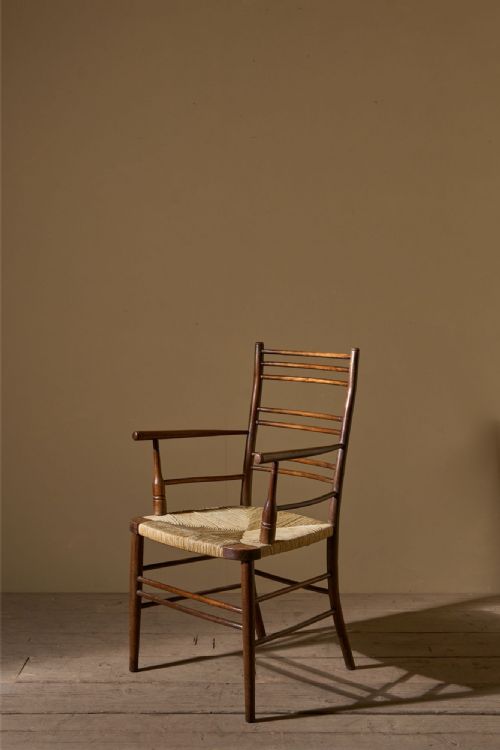
Country Windsor and farmhouse chairs display specialised bodger techniques, turning green wood on pole lathes and shaping solid elm seats with adzes and drawknives. Rush seating and fabric upholstery occasionally appear alongside turned bobbin frames and carved ornamentation.
Some provincial elm seats still bear the hollowed dip of countless farmhouse evenings by the fire.
Assessing craftsmanship and integrity
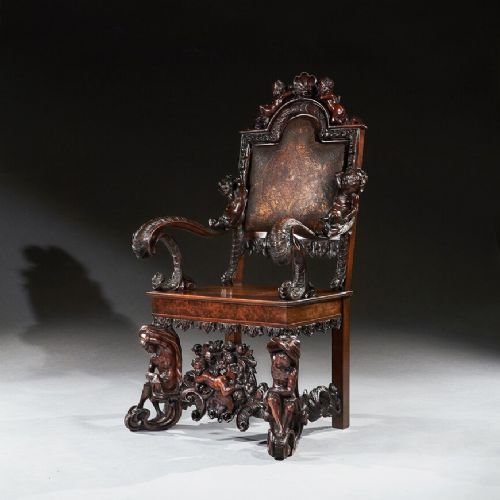
The distinction between ordinary and superior pieces rests upon the crispness of the timber turning, the choice of figured grain in woods like walnut and mahogany, and the survival of original surface patination. Master carvers imparted depth and articulation to details such as splats, arms, and crest rails.
Structural honesty and the preservation of original components separate top-tier examples from heavily restored specimens. Chairs retaining their original wedged leg joints, un-replaced spindles, and authentic regional characteristics hold greater integrity.
Andrea Brustolon
The Dark Brown Wooden Armchair Glossary
- Windsor
- A traditional wooden chair featuring a solid carved seat into which the legs and back spindles are directly wedged.
- Comb-back
- A Windsor chair variation where the top rail resembles the teeth of a comb, extending the vertical spindles upwards.
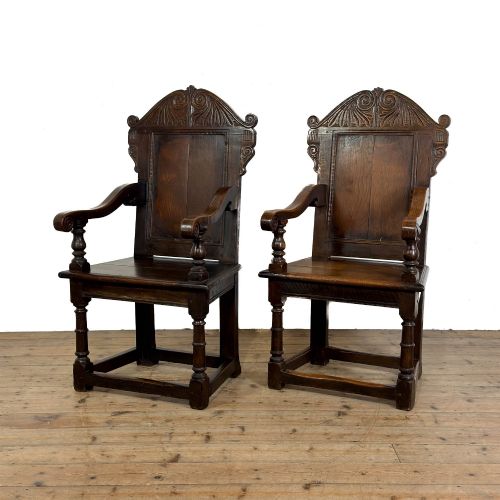
- Wainscot
- An early heavy wooden armchair constructed from panelled oak, typical of sixteenth and seventeenth-century domestic interiors.
- Smoker's bow
- A low-backed vernacular armchair, also known as a captain's chair, designed with a continuous curved arm rail.
- Vernacular
- Everyday utilitarian furniture built by local rural craftsmen using regional traditions rather than formal architectural styles.
- Chippendale
- An eighteenth-century style named after Thomas Chippendale, characterised by elegant carved mahogany and interlaced splats.
Dark Brown Wooden Armchair: Frequently Asked Questions
What is a Windsor armchair?
A Windsor armchair is a traditional wooden seat built with a solid thick wooden seat slab. The legs and back spindles are bored directly into this central block rather than utilising a separate frame.
These chairs developed strong regional variations across Britain, often combining different timbers like elm for the seat and ash or beech for the bentwood bows and spindles.
How do I identify an 18th-century chair?
Eighteenth-century chairs typically display hand-carved details, pegged joinery, and mature timber patination developed over long periods of domestic use. Formats range from country vernacular Windsors to formal Chippendale mahogany dining and arm chairs.
Examining the underside reveals tool marks, hand-cut screws or peg construction consistent with period workshop practices rather than industrial mass production.
Where were farmhouse armchairs used?
Farmhouse armchairs served as principal seats in domestic kitchens, farmhouses, and vernacular cottages. Their robust construction suited daily domestic life around hearths and work tables.
Over decades of use, the timbers absorbed oils and friction from daily handling, developing the deep dark brown tones valued by collectors today.
How do I care for antique wood?
Protect antique wooden armchairs by placing them away from direct heat sources and sudden humidity changes. Maintaining stable indoor environments prevents the timber from shrinking or splitting.
Apply occasional traditional beeswax polish to nourish the grain and preserve the historic surface finish without stripping the accumulated character.