
Ash Wood Windsor Chair
An ash wood windsor chair brings structural honesty and vernacular warmth to a room, formed from turned spindles and carved wooden seats.
Ash Wood Windsor Chair
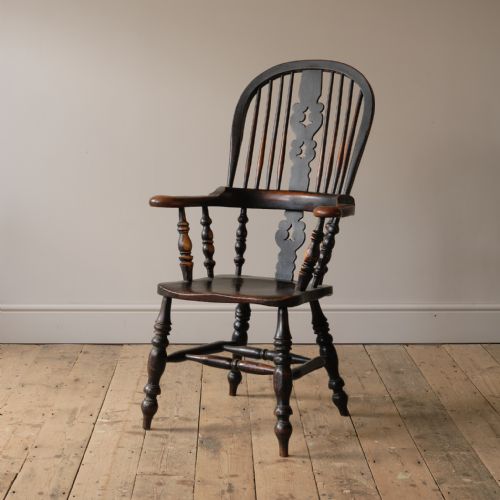
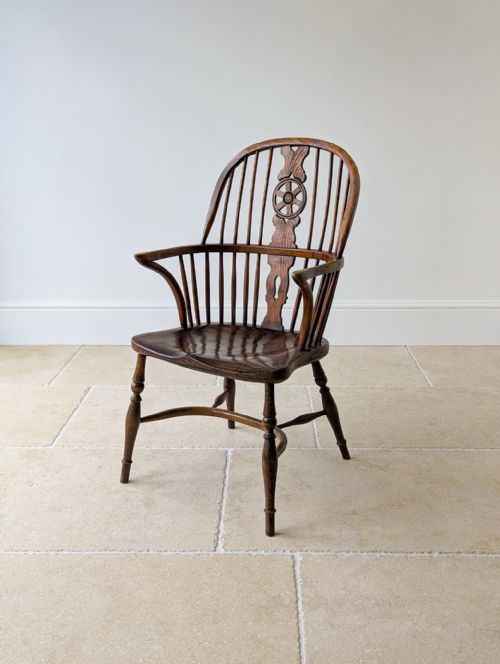
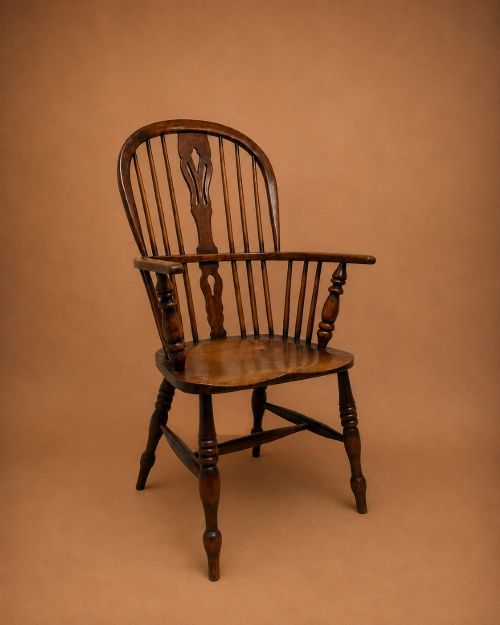
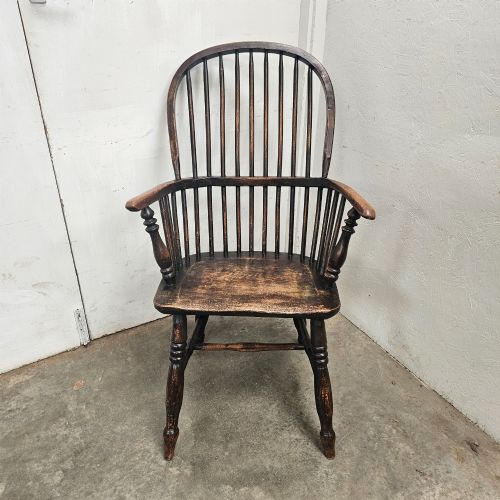
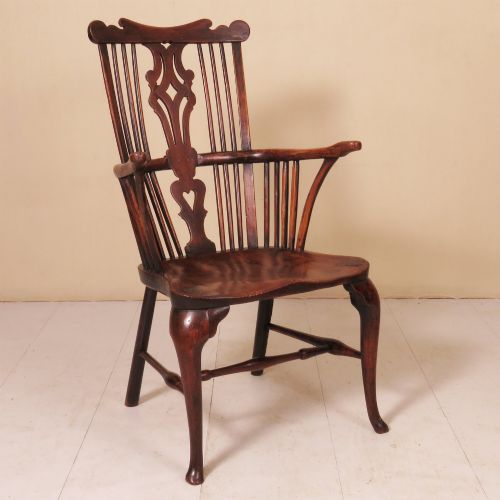
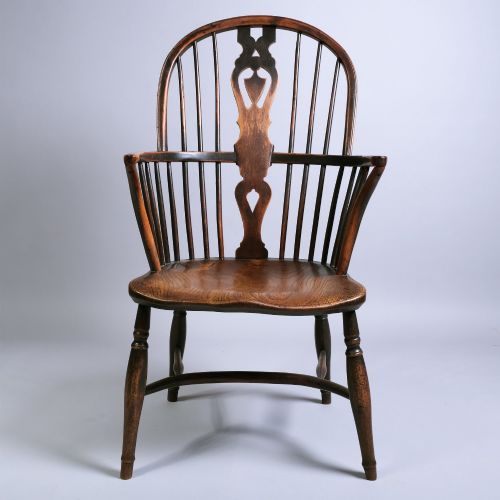
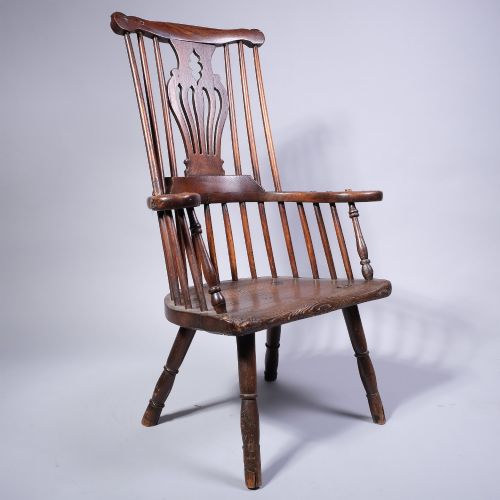
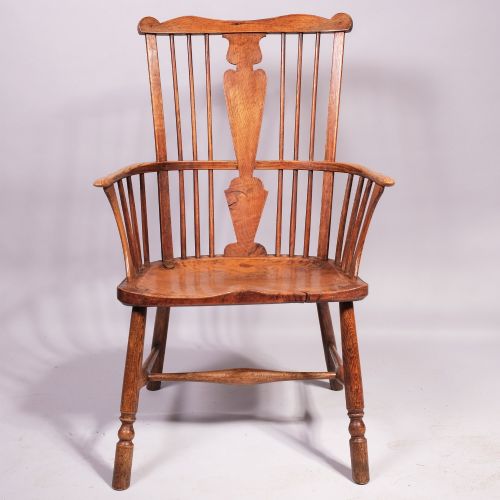
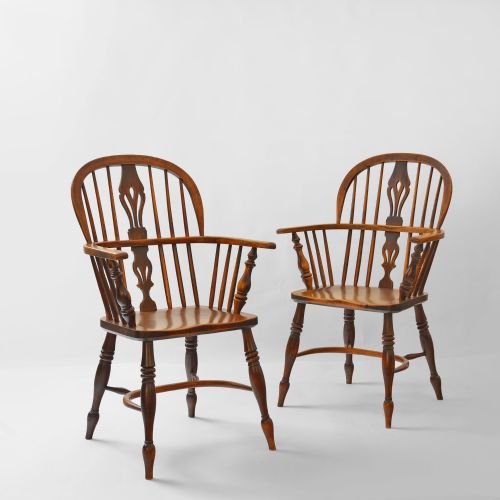
An ash wood windsor chair is a traditional seating form defined by a solid wooden saddle seat into which the legs, back spindles, and bow are independently wedged and jointed. The search for an ash wood windsor chair directs attention to country-made seating spanning the Georgian, Regency, and Victorian periods.
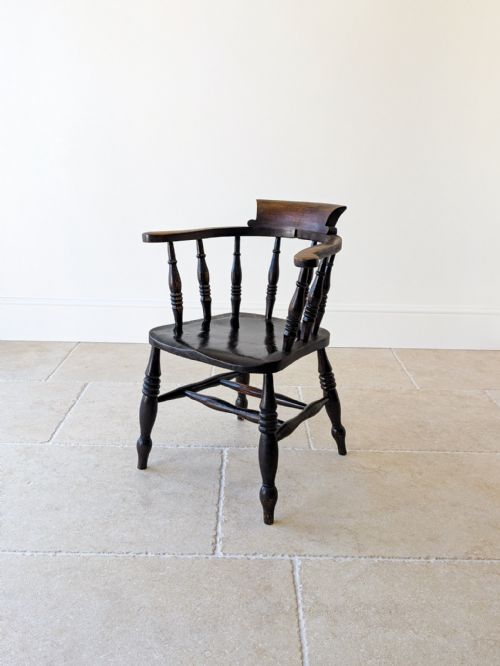
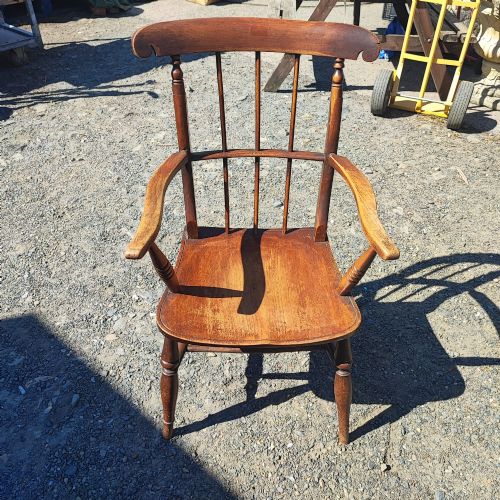
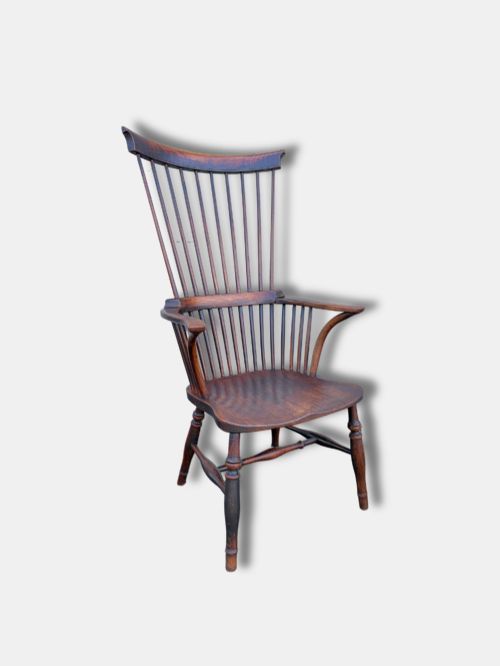
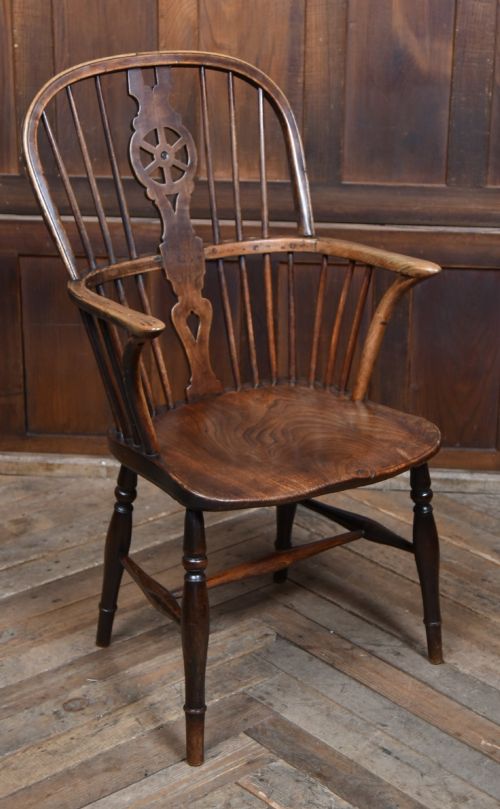
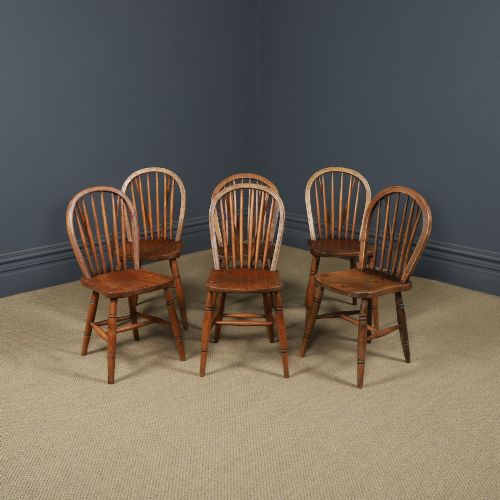
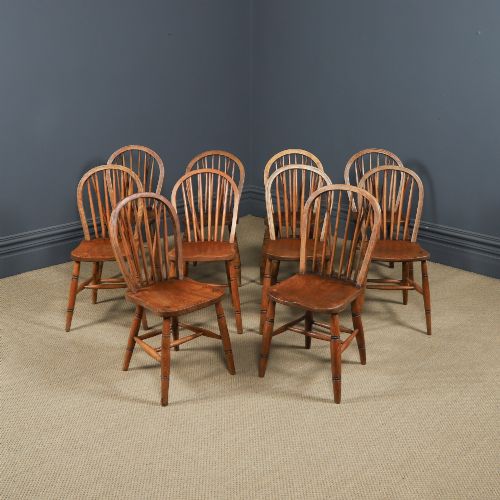
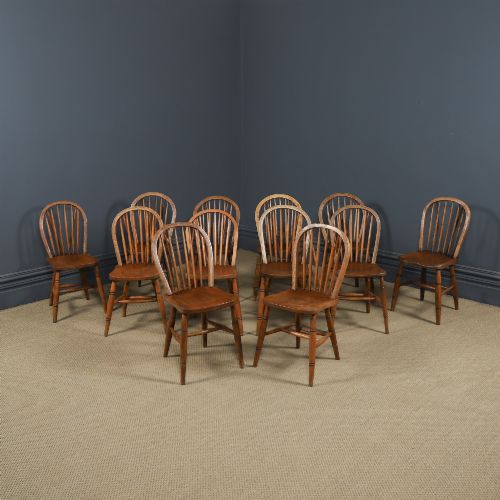
The pieces appearing on this page range from early comb-back and wheel-back armchairs to later hoop-back kitchen dining chairs and low-back models. Regional vernacular styles such as Scottish and Welsh variations also emerge alongside standard English country forms.
Chairs in this selection appear singly, in pairs, or in larger matched sets intended for dining or kitchen use. Child-sized versions and captain's chairs or smoker's bows further broaden the available types of seating.
Construction and materials
Makers utilised contrasting native timbers to serve the specific structural needs of each part of the chair. Ash supplied tough, flexible wood for the bent hoops and spindles, while elm provided a resilient, split-resistant slab for the thick saddle seat.
Secondary woods such as yew, beech, alder, and fruitwood appear across the frame for turned legs and arm bows. Components were shaped using drawknives and pole lathes before being assembled through pegged mortise and tenon joints.
Several armchairs retain ink stains and worn arms from country scriveners and captains who leaned hard while writing letters.
Judging construction and character
Quality in these chairs rests upon the balance of the proportions and the degree of sculptural shaping given to the seat and arm bow. Thicker, deeply sculpted elm seats and well-turned, tapered spindles indicate careful attention by the maker.
The integration of multiple native timbers, such as yew and burr elm alongside ash, changes the visual depth of a piece. Wear patterns and surface textures developed through long use contribute to the overall character of the furniture.
Duncan McKellar of Fenwick·Fred Walker
The Ash Wood Windsor Chair Glossary
- Hoop back
- A continuous bentwood rail that forms both the back and the arms of the chair in a single curved sweep.
- Wheel back
- A Windsor chair variation featuring a pierced splat carved in the shape of a spoked wheel incorporated into the central back.
- Saddle seat
- A thick wooden seat base sculpted with deep depressions for ergonomic comfort.
- Vernacular furniture
- Domestic pieces made by regional craftsmen following local traditions rather than strict academic design patterns.
Ash Wood Windsor Chair: Frequently Asked Questions
How do I spot a reproduction?
Examine the joints and the undersides of the seats for hand-tool marks and traditional construction methods. Machine-cut components and modern adhesives distinguish recent copies from period items.
Check the timber shrinkage and the wear around the foot ends and armrests. Natural ageing produces patination and movement that modern manufacturing struggles to replicate accurately.
Are these chairs comfortable for daily use?
The saddle seats are carved to fit the body, offering surprising support without upholstery. Many people use them daily around kitchen or dining tables.
Armchair versions provide sturdy support through their low or high backs. Adding a loose cushion can increase comfort for prolonged sitting.
How should I care for an antique wooden chair?
Keep the wood away from direct heat sources and drastic humidity changes to prevent the timbers from splitting. Apply traditional wax polish occasionally to nourish the surface.
Avoid using modern liquid cleaners that can strip the historic polish and dry out the grain. Gentle dusting with a dry cloth is sufficient for routine maintenance.