


Dark Brown Pembroke Table
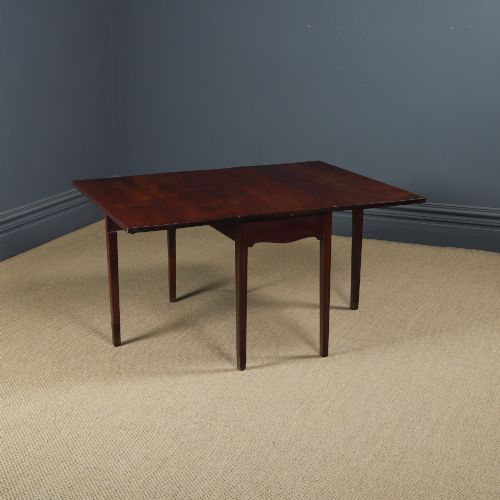
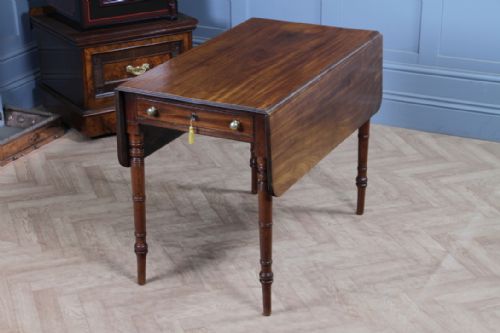
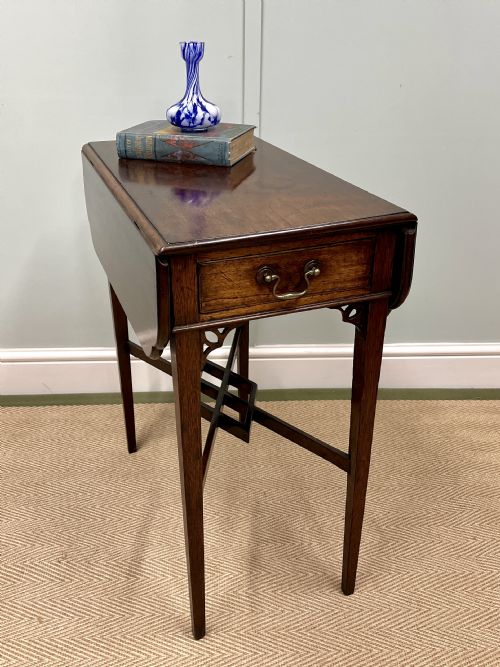
A dark brown pembroke table brings drop-leaf versatility and rich timber tones into a room, offering a practical surface that expands when needed.
Dark Brown Pembroke Table
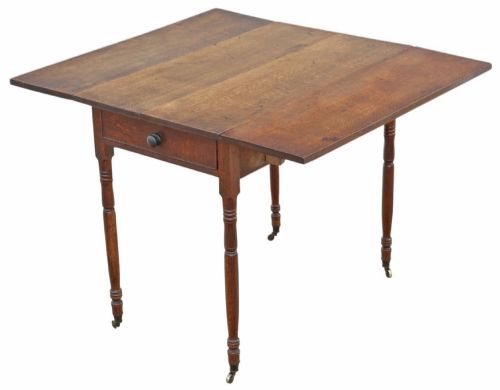
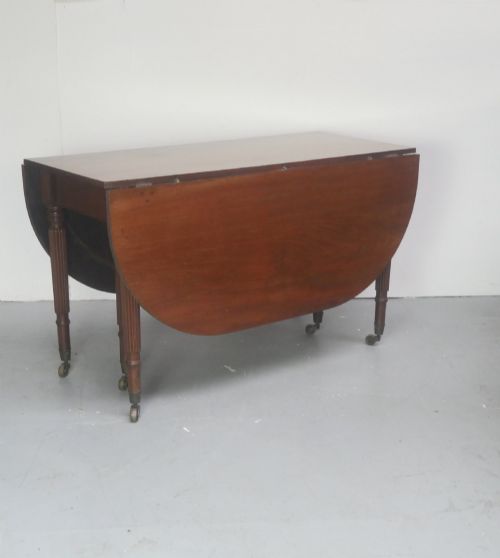
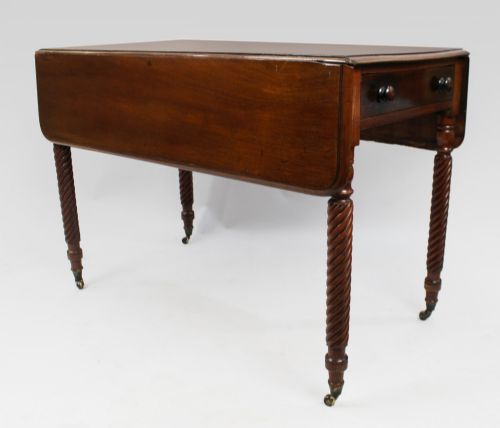
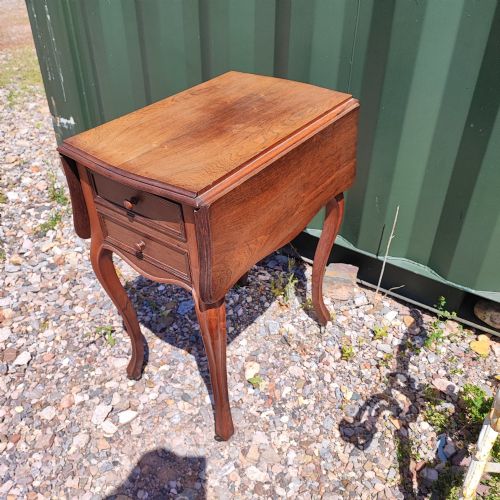
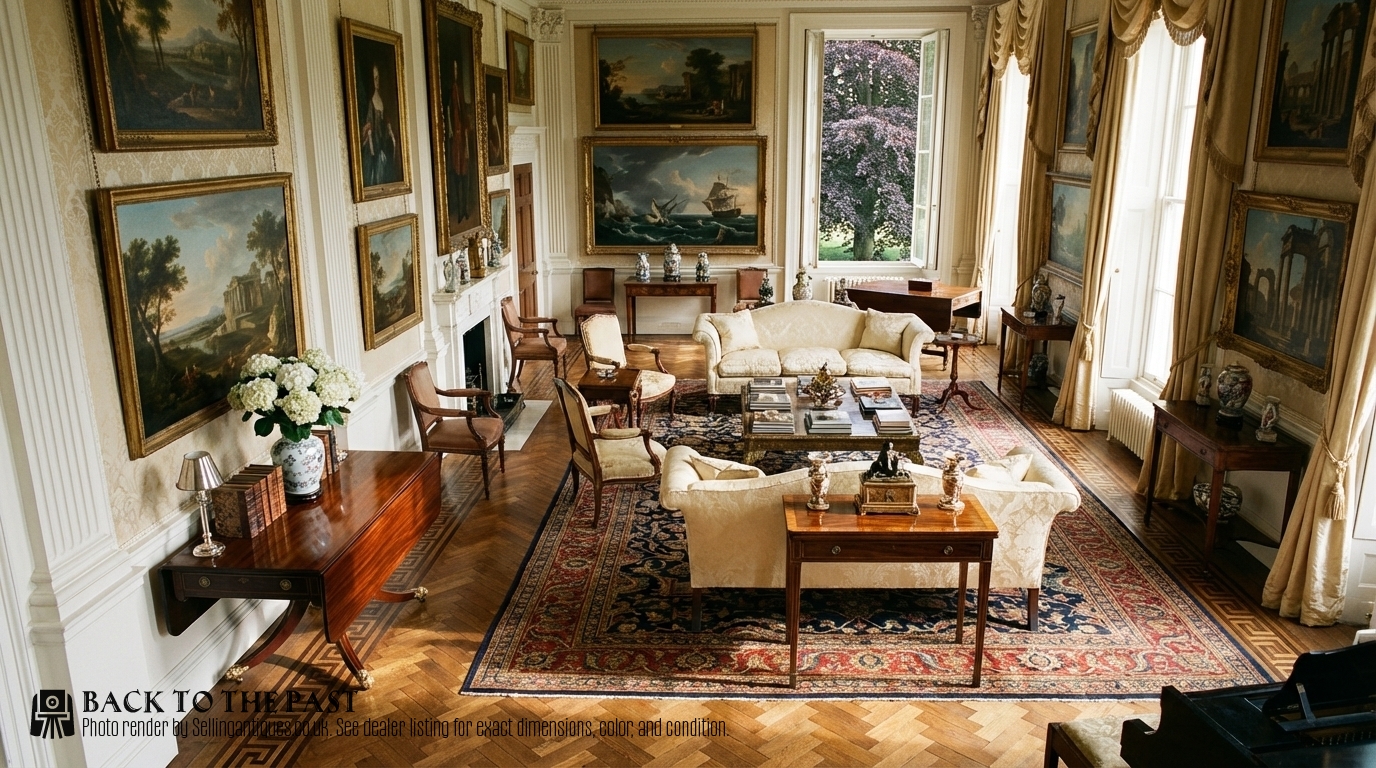
A dark brown pembroke table is a drop-leaf occasional or dining table characterised by its folding leaves supported by hinged brackets or rule joints. These pieces emerge primarily from the Georgian, Regency, and Victorian periods, spanning the eighteenth and nineteenth centuries.
Makers and craftsmen utilised native and exotic timbers to construct these versatile furnishings, which frequently double as side tables, supper tables, or breakfast dining tables. Their defining architecture relies on hinged flaps that fold down neatly against a central rectangular or oval top.
Distinctions in quality and execution
The standard of a dark brown pembroke table depends heavily on the selection of timber, with dense Cuban mahogany and figured rosewood sitting at the upper end of the scale. Superior pieces display book-matched veneers or solid boards with continuous grain patterns across the leaves and central top.
Refinement in the underframe and hardware further separates the output of skilled workshops from utilitarian country pieces. Original brass castors, functioning drawer locks with keys, and finely turned or inlaid legs indicate a higher level of original commissioning.
Proportion and stability during extension dictate the practical success of the design. Well-executed rule joints close tightly without sagging, ensuring the drop leaves remain level and steady when supported by their hinged brackets.
Some reader's tables include built-in book rests, proving that eighteenth-century breakfast diners enjoyed a good broadsheet with their morning toast.
The Dark Brown Pembroke Table Glossary
- Pembroke table
- A small drop-leaf table with hinged flaps on either side of a central board, commonly featuring one or two small drawers. The form gained popularity during the eighteenth century for breakfast, writing, or general parlour use.
- Drop-leaf table
- A table with a fixed central section and hinged flaps that fold down to save space. When raised, the leaves are supported by swing legs, brackets, or rule joints.
- Rule joint
- A specialised moulding joint used where a drop leaf meets the fixed tabletop, preventing the hinge from showing on the upper surface when opened. This detail provides a neat, continuous line along the edge.
- Sofa table
- A rectangular drop-leaf table similar in form to a pembroke table but traditionally proportioned to stand in front of a sofa. They frequently incorporate two drawers and twin pedestal supports or trestle ends.
- Spider leg
- A term describing exceptionally slender turned legs on small tables, often braced by delicate stretchers. This configuration reduces visual weight while providing adequate support for lighter occasional pieces.
- Patina
- The surface sheen and deep colour developed by wood over decades through handling, polishing, and natural ageing. A rich dark brown patina is characteristic of well-maintained antique mahogany and oak.
Dark Brown Pembroke Table: Frequently Asked Questions
What is a pembroke table used for?
These tables served various domestic functions, from small dining and breakfast setups to writing, reading, and bedside use.
Their drop-leaf design allowed households to expand the surface area only when needed, making them adaptable for parlours, bedrooms, and smaller rooms.
How can I tell a Georgian table from a Victorian one?
Georgian examples, particularly those from the George III period around seventeen-seventy to eighteen-twenty, often display lighter proportions, fine bracket supports, and rich Cuban mahogany.
Victorian pieces from the mid-nineteenth century tend to be heavier in construction, utilising denser oak or standard mahogany with robust turned or faceted legs.
Are the drop leaves sturdy enough for dining?
Yes, provided the swing brackets or rule joints are in sound structural condition.
The hinged flaps lock securely into position when raised, offering reliable support for everyday meals, tea, or writing tasks.
Do these tables usually have drawers?
Many examples feature one or two small drawers fitted beneath the main top, sometimes accompanied by dummy drawers on the reverse for symmetry.
These compartments were designed for storing writing materials, cutlery, or small household items.
How do I care for antique mahogany and rosewood?
Maintain the timber by keeping the table away from direct heat sources, strong sunlight, and excessive moisture.
Apply traditional beeswax occasionally to nourish the grain and preserve the deep dark brown surface sheen.