
Dark Brown Oak Coffer
These dark brown oak coffer examples span centuries of English cabinetmaking, offering sturdy storage and rich historical character for traditional interiors.
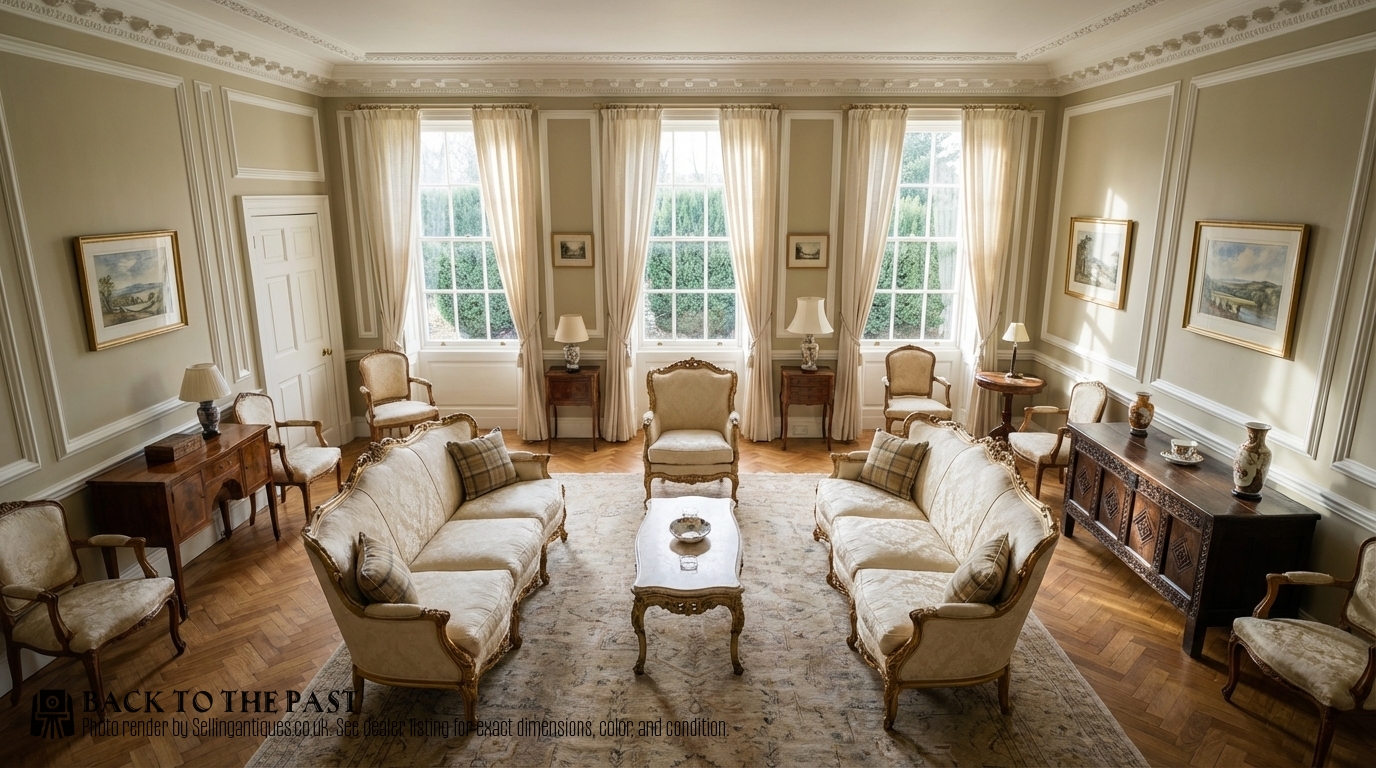
Dark Brown Oak Coffer
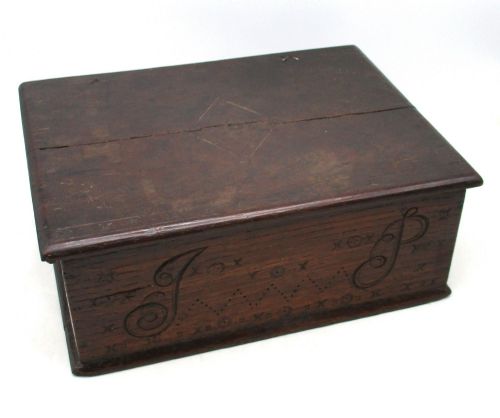
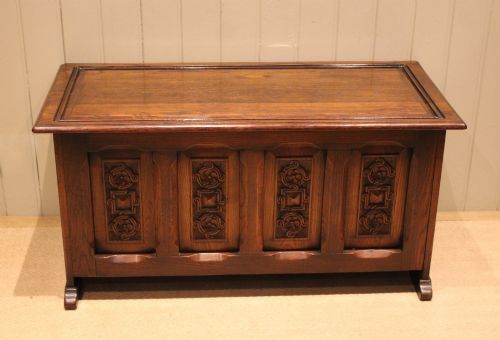
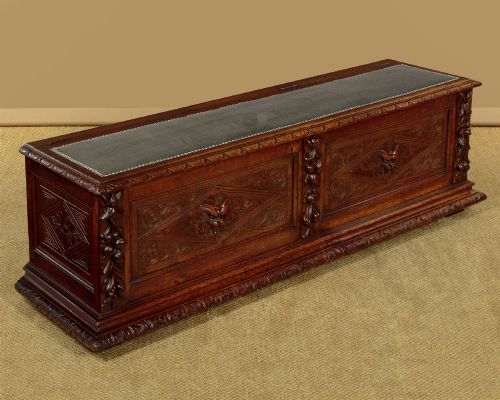
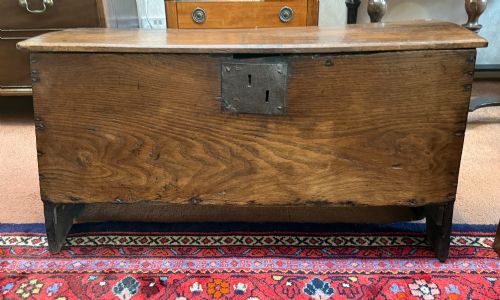
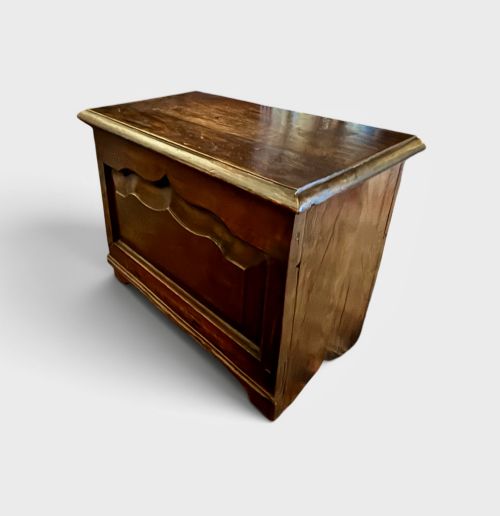
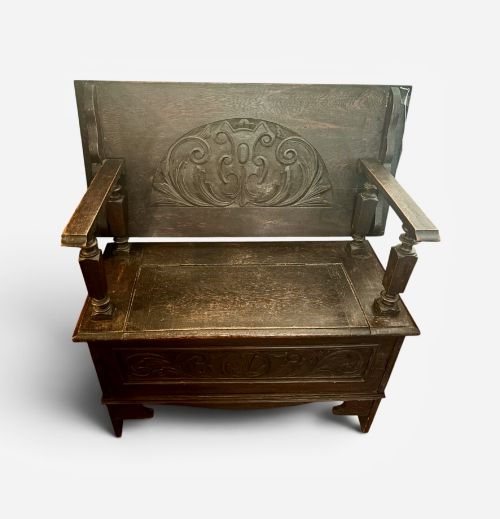
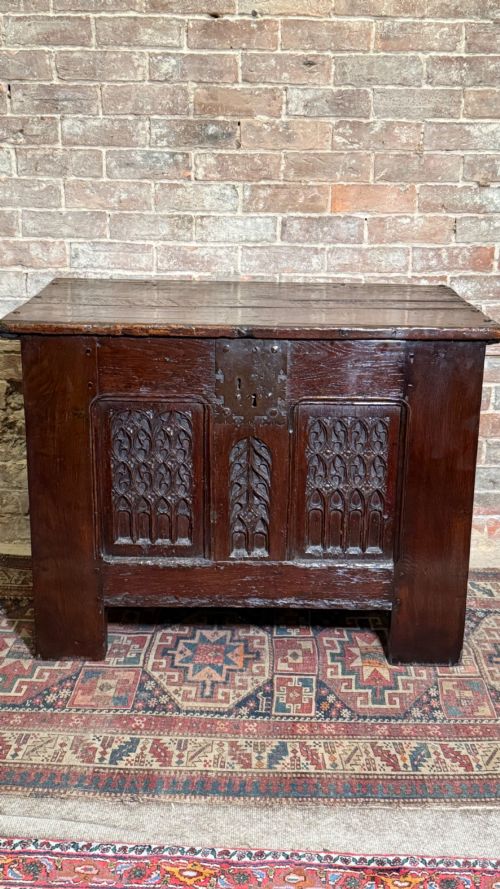
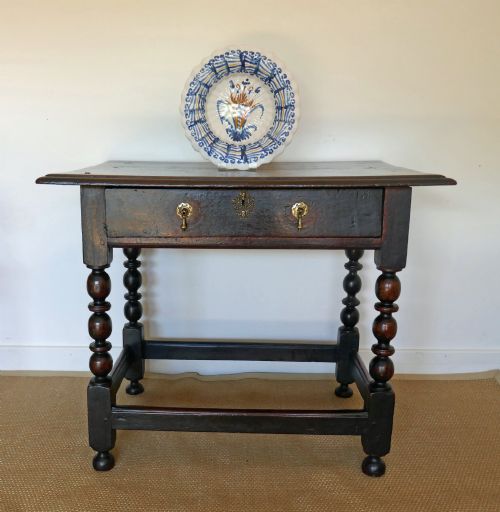
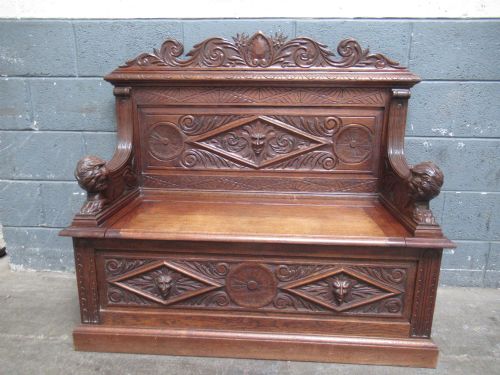
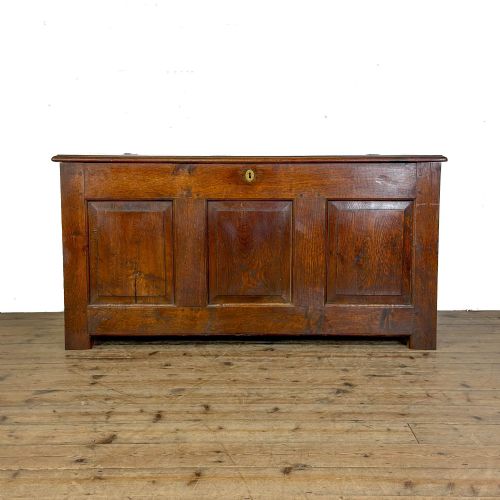
A dark brown oak coffer functions primarily as a heavy wooden storage box or chest, often doubling down as a bench or window seat within historic domestic settings. Buyers seeking this phrase encounter solid timber constructions originating from the sixteenth, seventeenth, and eighteenth centuries, alongside later revival pieces.
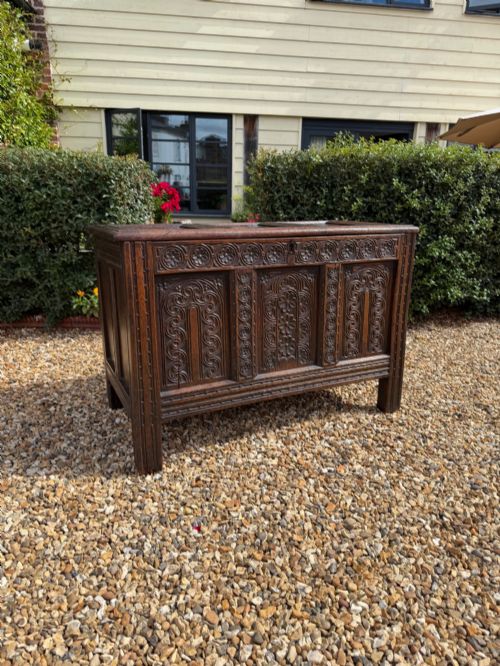
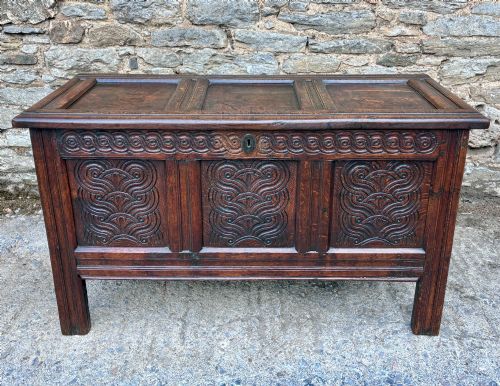
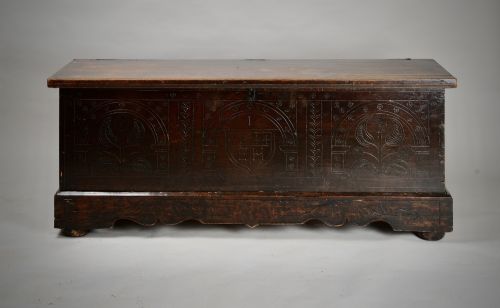
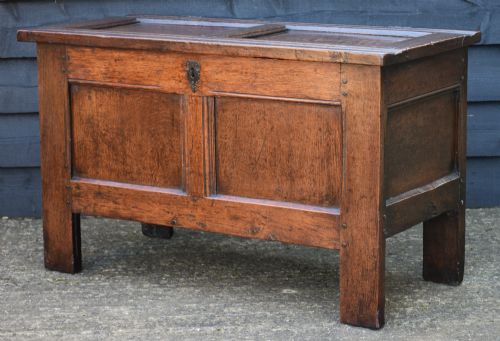
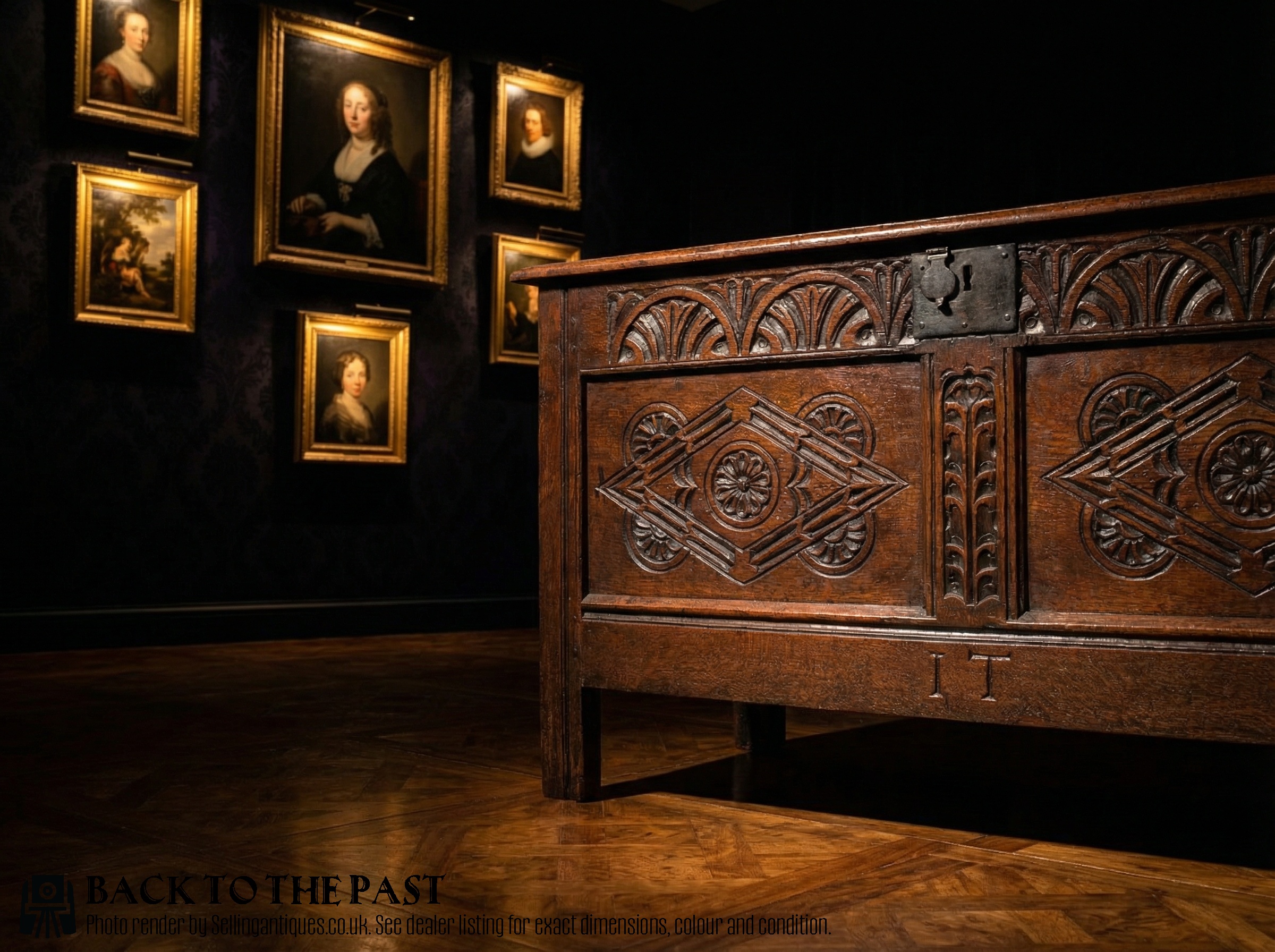
The version most commonly met on this page is the seventeenth-century panelled coffer, constructed with pegged joints and displaying deep rich patination acquired through generations of use. Regional variations such as Welsh coffers and Dorset examples also appear, alongside related forms like sword chests, document boxes, and box settles.
Makers built these robust receptacles to hold valuables, documents, or textiles securely in domestic halls and chambers. The surviving items span modest small proportions up to large solid storage chests bearing carved decoration.
How they were made
Cabinetmakers utilised heavy native oak timber, frequently augmented by secondary woods like ash, walnut, or ebonised wood elements for contrast. Panels were typically held within framed structures using traditional pegged mortise and tenon joints.
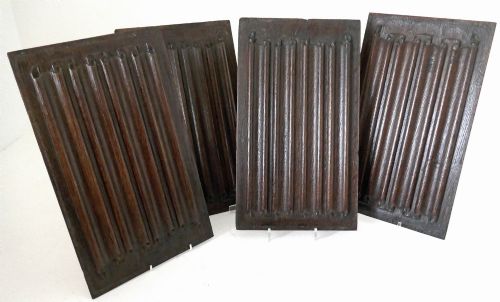
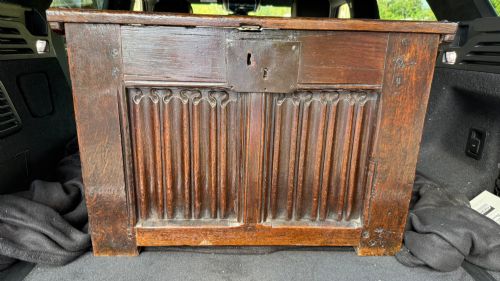
Decoration relied on hand carving, including linenfold patterns, fluting, and geometric motifs, occasionally enhanced by wood inlay or applied mouldings. Iron, brass, and wrought iron hardware such as hinges and lock plates secured the lids and provided structural reinforcement.
Dark Brown Oak Coffer Retail Price Guide 2026
Typical asking prices for dark brown oak coffer among the pieces listed under this phrase on Sellingantiques today, from the lower quarter to the upper quarter. They describe what is for sale here now, not the wider market.
Materials span solid oak, ash, and walnut, supplemented by wrought iron, brass hardware, and wood inlay.
What varies in quality
Quality separates through the crispness of the original hand carving and the integrity of the timber's surface patination, which deepens naturally over centuries. Pieces retaining their original boarded lids, authentic ironwork, and undisturbed pegged joinery command greater appreciation.
Proportions and scale dictate visual success, ranging from awkward later copies to well-balanced seventeenth-century forms with harmonious panel divisions. The presence of documented regional origins or dated panels adds distinct historical depth to an individual box.
The Dark Brown Oak Coffer Glossary
- Cofer
- A large wooden chest used for storing valuables or household goods, often serving multiple domestic purposes.
- Linenfold
- A style of wood carving popular in the Tudor period that imitates folded fabric.
- Patina
- The deep surface sheen and colour developed on timber through age, handling, and waxing.
- Mortise and tenon
- A traditional joint where a projecting tongue fits snugly into a corresponding hole to secure wooden frames.
- Cassone
- A traditional Italian chest, though the term occasionally applies to similarly grand domestic storage chests in English inventories.
Dark Brown Oak Coffer: Frequently Asked Questions
How were coffers used originally?
Households utilised coffers to store valuable textiles, documents, silver, and clothing securely away from damp stone floors. They also functioned frequently as benches, tables, or sleeping platforms in medieval and early modern rooms.
Because they were portable, families loaded them onto carts when moving between estates, making them essential pieces of mobile furniture.
How do I tell a seventeenth-century coffer from a later revival piece?
Original seventeenth-century pieces exhibit hand-tool marks, pegged frame construction, and timber shrinkage appropriate to age. The patination on old oak develops a dry, deep lustre that modern finishes cannot replicate.
Revival pieces from the nineteenth or twentieth centuries often utilise machine-cut elements, tighter uniform joints, and lighter or more reddish tones lacking true historical wear.
Where should I place a dark brown oak coffer in a modern home?
These robust chests anchor entrance halls effectively, providing practical storage for shoes or winter wear while serving as a bench seat. They also function well at the foot of a bed or beneath a bay window.
Keep them away from direct heat sources and strong sunlight to protect the historic oak timber and its surface patination from drying out.
What is the difference between a coffer and a chest of drawers?
A coffer opens from a hinged lid at the top, representing an older box form designed primarily for bulk storage. A chest of drawers incorporates horizontal sliding compartments accessed from the front.
Many transitional pieces combine these traditions, featuring drawer tiers beneath the main storage well or evolving into seventeenth-century drawer chests.